
What Is LED UV Curing in Flexo Printing?
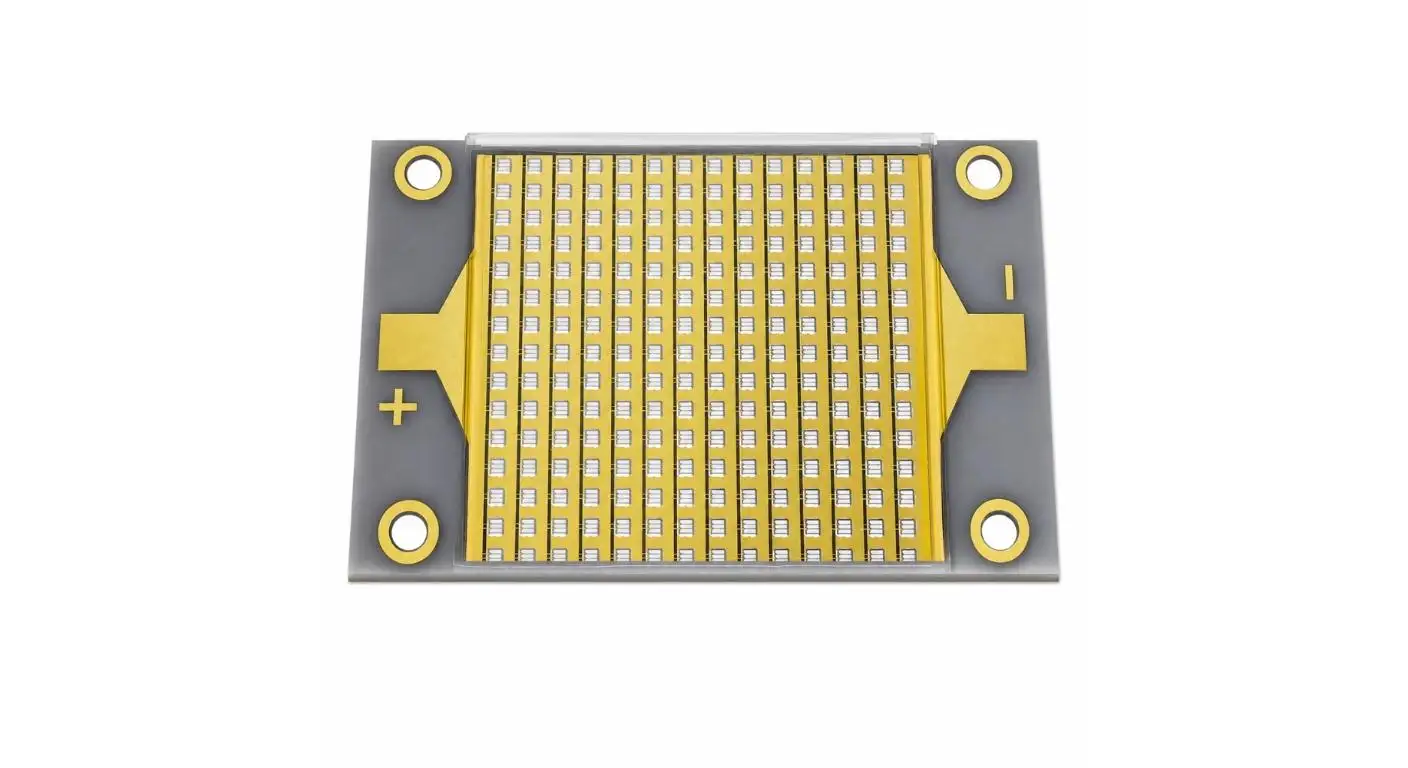
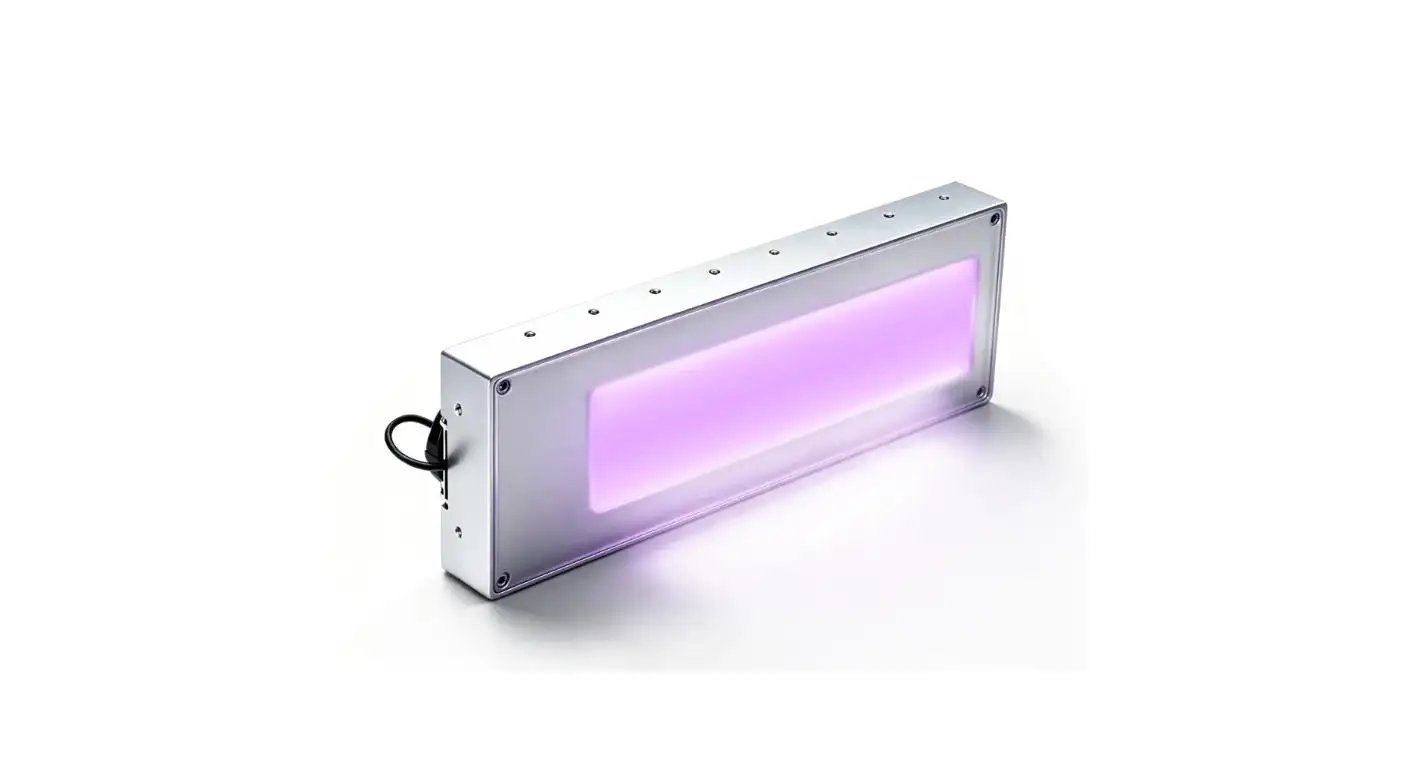
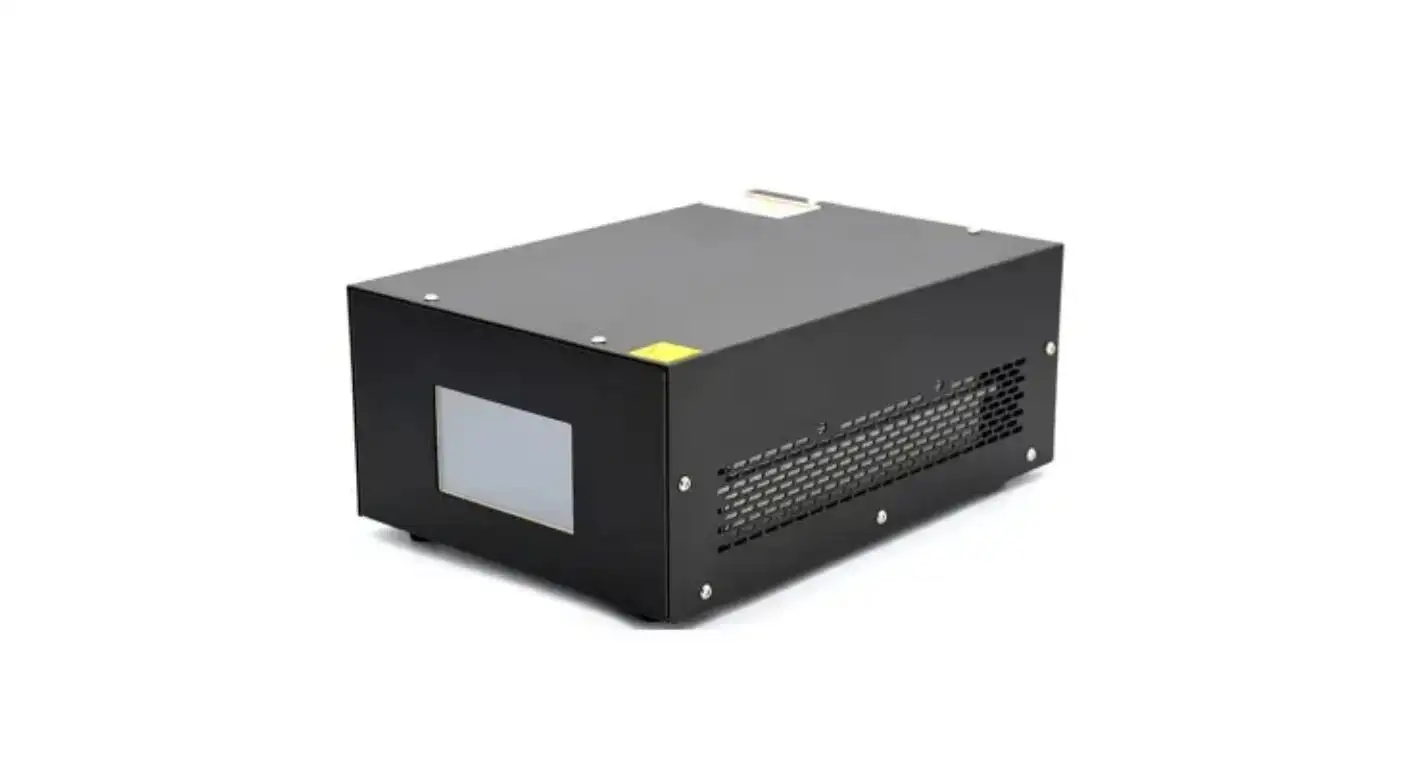
What is LED UV curing in flexo printing? It is a photochemical process using light-emitting diodes to instantly dry inks. This technology is revolutionizing the flexographic industry by replacing traditional mercury lamps with cooler, energy-efficient alternatives.
For decades, flexo printing relied on hot, energy-hungry mercury arc lamps. While effective, they came with significant downsides: excessive heat, short bulb life, and hazardous ozone emissions. Today, the shift toward UV LED curing represents a massive leap forward. It’s not just a different light bulb; it’s a fundamental change in how we manage production speed, substrate compatibility, and environmental responsibility.
If you are a converter looking to optimize your press or a brand owner demanding higher quality labels, understanding this technology is no longer optional—it is essential.
What Exactly Is LED UV Curing in Flexo Printing?
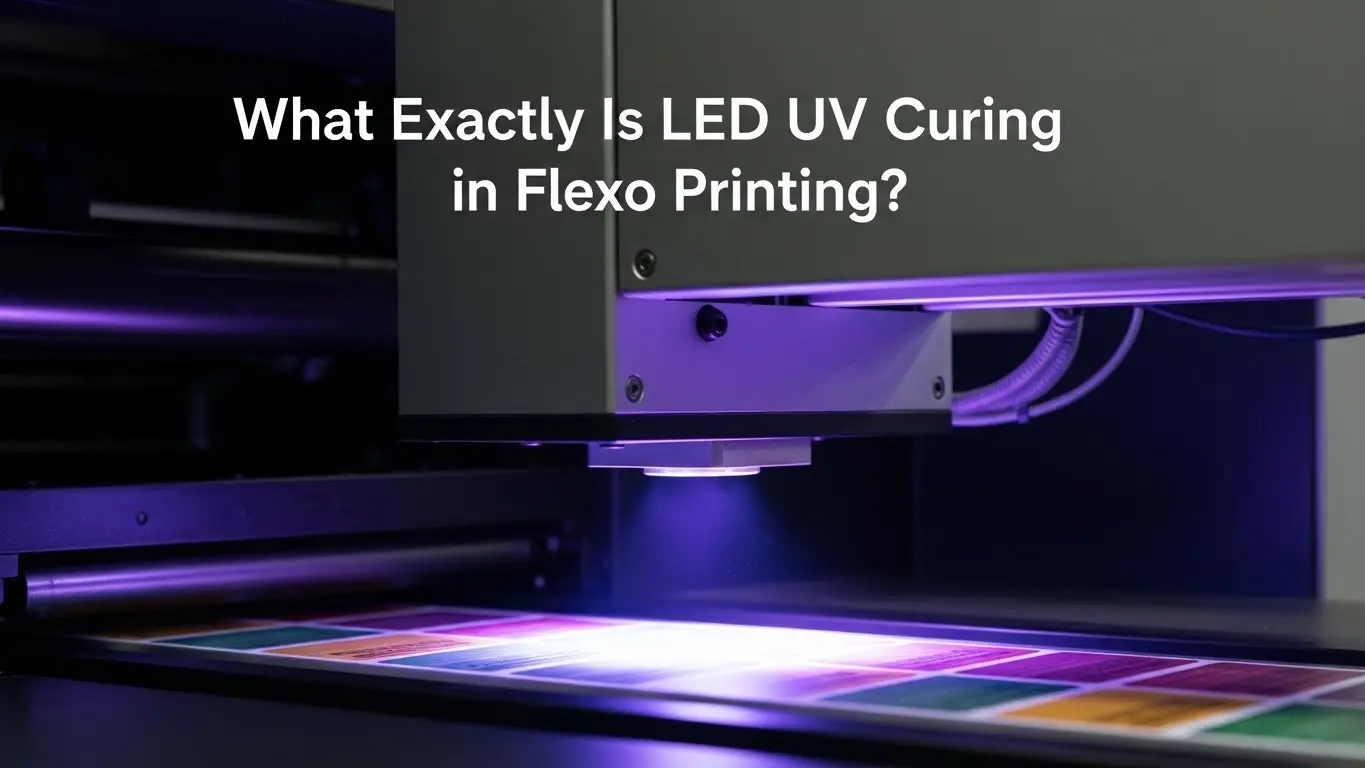
LED UV curing in flexo printing is a "cold curing" technique that uses narrow-spectrum ultraviolet light to polymerize inks instantly. Unlike broad-spectrum mercury lamps, LED systems emit specific wavelengths (typically 385nm or 395nm) to trigger photoinitiators, turning liquid ink into a solid, durable film in milliseconds.
The Science Behind the Cure
At its core, flexographic printing is about transferring fluid ink onto a material. The challenge has always been getting that ink to stay put without smearing, spreading, or penetrating too deeply into the substrate.
In a standard LED UV setup, the print unit is equipped with a compact array of high-intensity diodes. When the substrate passes under this array, the LEDs blast the wet ink with high-peak irradiance light. This light does not dry the ink by evaporation (like water-based or solvent inks); instead, it triggers a photochemical reaction.
- Photoinitiators: These are special chemical compounds in the ink designed to absorb specific UV wavelengths.
- Monomers & Oligomers: The "body" of the ink. When the photoinitiators are activated, they bond these molecules together.
- Polymerization: This is the chain reaction where the liquid instantly turns into a cross-linked solid polymer network.
Because this reaction happens in a fraction of a second, the ink is "cured" before it has a chance to dot gain (spread out). The result? Crisper dots, sharper text, and vibrant colors that sit on top of the substrate rather than soaking into it.
How Does LED UV Curing Differ from Mercury Arc Lamps?
The main difference lies in heat generation, energy efficiency, and spectral output. LED UV systems produce negligible heat, consume up to 70% less energy, and last 20,000+ hours. In contrast, mercury lamps run hot, waste energy, and require frequent bulb replacements every 1,000 hours.
The "Cool" Factor vs. The Heat of Mercury
If you have ever stood next to a running flexo press with traditional arc lamps, you know the heat they throw off. Mercury lamps emit a broad spectrum of light—from infrared (heat) all the way to deep UV. Much of that energy is wasted as heat, which can wreak havoc on your substrate.
LED UV is monochromatic. It emits light in a very narrow band (usually centered around 395nm). It doesn't emit infrared radiation. This "cool cure" capability is a game-changer for printing on heat-sensitive materials.
| Feature | LED UV Technology | Traditional Mercury Arc |
| Heat Output | Low (Cold Cure) | High (Requires Chillers/Extraction) |
| Lifespan | 20,000 – 60,000 Hours | 1,000 – 1,500 Hours |
| Readiness | Instant On/Off | Requires Warm-Up/Cool-Down |
| Energy Usage | Low (50-80% Savings) | High (Always On during standby) |
| Environmental | Mercury-Free, Ozone-Free | Contains Mercury, Generates Ozone |
| Maintenance | Minimal (Keep glass clean) | High (Bulb changes, reflector cleaning) |
Pro Tip from the Field: One of the biggest hidden costs of mercury lamps is the "standby" time. You can't just turn them off during a 10-minute web break because they take too long to warm back up. So, they sit there burning electricity. LED systems turn off instantly. If your press stops, your energy consumption drops to near zero.
What Are the Key Benefits for Flexo Label Printers?
Flexo label printers benefit from faster press speeds, the ability to print on thinner heat-sensitive films, and significant cost savings. The technology eliminates substrate distortion caused by heat, allowing for precise registration on materials like shrink sleeves and thermal paper.
1. Unmatched Substrate Versatility
This is arguably the biggest advantage for modern converters. Brands are constantly pushing for thinner, lighter, and more exotic packaging materials to reduce costs and waste.
- Shrink Sleeves: Traditional UV lamps can cause these to shrink prematurely inside the press. LED UV cures them without thermal stress.
- In-Mold Labels (IML): Thin films used for IML are prone to warping. LED keeps them dimensionally stable.
- Thermal Paper: Using standard UV lamps on thermal materials often turns the paper black due to heat. LED UV solves this completely.
2. Higher Production Up-Time
In a busy pressroom, downtime is the enemy. With mercury systems, you are constantly managing bulb degradation. As the bulb ages, its output drops, leading to cure issues. You have to stop the press, wait for lamps to cool, swap the bulb, and wait for it to warm up.
LED arrays maintain consistent output for years. You install them and essentially forget them, apart from wiping the lens window clean of paper dust or ink mist.
3. Sustainability and Safety
Sustainability is no longer a buzzword; it's a requirement. LED UV systems contain no mercury. This eliminates the risk of hazardous waste disposal and makes your facility safer for operators. Furthermore, they produce no ozone, meaning you don't need expensive and noisy air extraction systems to vent dangerous gases out of your building.
Industry Insight: For companies specializing in high-quality label production, upgrading to UV LED Curing for Flexo & Labels is often the easiest way to immediately reduce your carbon footprint while simultaneously increasing throughput.
Does LED UV Curing Affect Ink and Coating Choices?
Yes, it requires inks and coatings formulated with photoinitiators that react to specific LED wavelengths, typically 385nm or 395nm. While dual-cure inks exist, using dedicated LED-formulated inks ensures optimal adhesion, cure speed, and scratch resistance.
The "Spectral Mismatch" Challenge
Historically, this was the hurdle. Mercury lamps blast out light across the entire spectrum (UVA, UVB, UVC). Old ink formulations relied on that broad attack to cure top-down and bottom-up.
LEDs are precise. If you use a standard UV ink with an LED lamp, it might not cure at all because the photoinitiators are waiting for a wavelength (like 250nm UVC) that the LED isn't emitting.
The Modern Ink Landscape
Fortunately, ink manufacturers have caught up. Today, you have access to:
- LED-Specific Inks: Formulated strictly for the 395nm peak. These offer the fastest cure speeds.
- Dual-Cure Inks: Designed to work under both mercury and LED systems. These are great for shops transitioning gradually, allowing you to move jobs between presses without changing ink sets.
Data Point to Watch: When sourcing coatings (varnishes), pay extra attention. Varnishes often rely on short-wavelength UV (UVC) to get that hard, tack-free "surface cure." Since LEDs are mostly UVA, you need high-quality LED varnishes to prevent "blocking" (where the web sticks to itself in the rewind roll).
What Are the Technical Specifications of LED UV Systems?
Key specifications include peak irradiance (measured in Watts/cm²), energy density (Joules/cm²), and cooling method (air vs. water). High-speed flexo presses typically require water-cooled systems with irradiance levels of 16-24 W/cm² to ensure full cure at top speeds.
Irradiance vs. Dose (Energy Density)
- Irradiance (Intensity): Think of this as the "punch" or brightness of the light. It's critical for penetrating thick ink layers (like heavy whites or blacks).
- Dose (Energy Density): This is the total amount of light the ink sees over time. It depends on how fast the web is moving.
For flexo printing, you need a system that delivers high irradiance even at a distance. As the distance between the lamp and the web increases, power drops. Top-tier systems use advanced optics to "collimate" or focus the light, ensuring that even if the web flutters 5mm away, it still gets the full blast of curing energy.
Air-Cooled vs. Water-Cooled
- Air-Cooled: Simpler, cheaper, but bulkier. Great for narrow web presses with plenty of space.
- Water-Cooled: More compact and powerful. The liquid cooling loop keeps the LED chips at a stable temperature, which is vital for maintaining high output over long shifts. Most high-speed industrial flexo presses use water-cooled solutions.
How Do You Troubleshoot Common LED Flexo Issues?
Common issues include surface tackiness, poor adhesion, and ink spitting. These are often resolved by adjusting the lamp intensity, checking ink formulation compatibility, or cleaning the lamp window. Oxygen inhibition is a specific challenge that may require nitrogen inerting for certain applications.
Troubleshooting Guide
| Symptom | Probable Cause | Corrective Action |
| Surface Tackiness | Oxygen Inhibition | Increase lamp power; switch to higher-reactivity LED varnish; ensure lamps are clean. |
| Poor Adhesion | "Through-Cure" Failure | The UV light isn't reaching the base of the ink layer. Check if pigment load is too high or if the wavelength (395nm) penetrates deep enough. |
| Ink Spitting/Misting | Viscosity Mismatch | LED inks can behave differently in the anilox cells. Adjust viscosity or temperature of the ink. |
| Wrinkling/Shrinking | Excessive Tension/Heat | Even LED generates some heat. Check web tension settings. Ensure the chill drum is functioning if present. |
The Oxygen Inhibition Problem
Oxygen is the enemy of UV curing. It grabs the free radicals on the surface of the ink before they can cross-link. In mercury systems, the sheer heat and brutal UVC energy usually overcome this. In LED systems, the "gentler" UVA light sometimes struggles with the very top surface layer.
- Solution: Most modern LED inks have "amine synergists" added to combat this. For extreme cases (like food packaging migration limits), manufacturers might use Nitrogen Inerting chambers to displace the oxygen during cure, though this is expensive and less common in standard label printing.
Is Retrofitting an Existing Press Difficult?
Retrofitting is generally straightforward and modular. Since LED heads are compact, they fit easily into existing print stations. The process involves removing the old arc lamp cassettes, installing the LED arrays, and integrating the new power/control unit with the press's PLC.
The Retrofit Workflow
- Site Survey: Technicians measure the "dwell time" and space available at each print station.
- Integration: The LED system needs to "talk" to the press. When the press speeds up, the LED intensity should ramp up automatically. When the press stops, the LEDs must cut instantly.
- Cooling Install: Running the chiller lines (if water-cooled) is usually the most labor-intensive part.
- Ink Swap: Flushing the lines and loading LED-compatible inks.
Many shops choose a Hybrid Approach. They might retrofit the "bottom" print stations (base whites, sealers) with LED to reduce heat build-up on the substrate, but keep a mercury lamp at the final station for the varnish to ensure a hard, scratch-resistant top coat. This offers a balance of cost and performance.
Is LED UV Curing the Future of Flexography?
Yes, LED UV is the definitive future of flexography due to tightening environmental regulations, the need for energy reduction, and the demand for automation. As mercury lamps face global regulatory phase-outs, adoption of LED technology will become the industry standard.
The Regulatory Push
The Minamata Convention on Mercury is a global treaty designed to protect human health and the environment from anthropogenic emissions and releases of mercury. While UV lamps currently have exemptions, the writing is on the wall. Regulations will eventually make mercury lamps difficult or illegal to purchase.
The Smart Factory
LED UV fits perfectly into the "Industry 4.0" smart factory.
- Data Feedback: LED drivers can report exactly how much energy they are using and the temperature of the chips.
- Zone Curing: You can program the LED array to only turn on the section of the lamp that matches the web width. If you are running a 10-inch web on a 16-inch press, you can turn off the outer 6 inches of the lamp, saving another 30-40% of energy. Mercury lamps cannot do this.
Conclusion: Making the Switch
The question for flexo printers is no longer "Does LED work?" but "When should we switch?" The ROI calculation—based on energy savings, reduced scrap, and higher press speeds—is becoming undeniable.
By adopting LED UV curing, you aren't just buying a new lamp; you are upgrading your entire production philosophy to be faster, cleaner, and more precise. Whether you are printing prime labels, flexible packaging, or shrink sleeves, LED UV provides the control and stability needed to stay competitive in a demanding market.
Ready to explore the specifics? Dive deeper into specialized solutions for your pressroom by visiting our guide on UV LED Curing for Flexo & Labels to see how precision curing can transform your label production line.


