Stationary UV LED Lamp | UVET High‑Performance UV Solutions
Efficient, eco‑friendly stationary UV LED lamps for fluorescent penetrant testing, magnetic particle inspection, and industrial quality control.
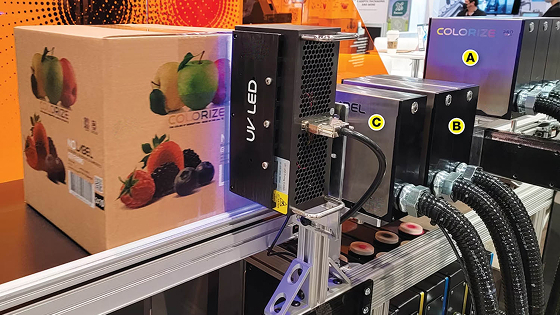
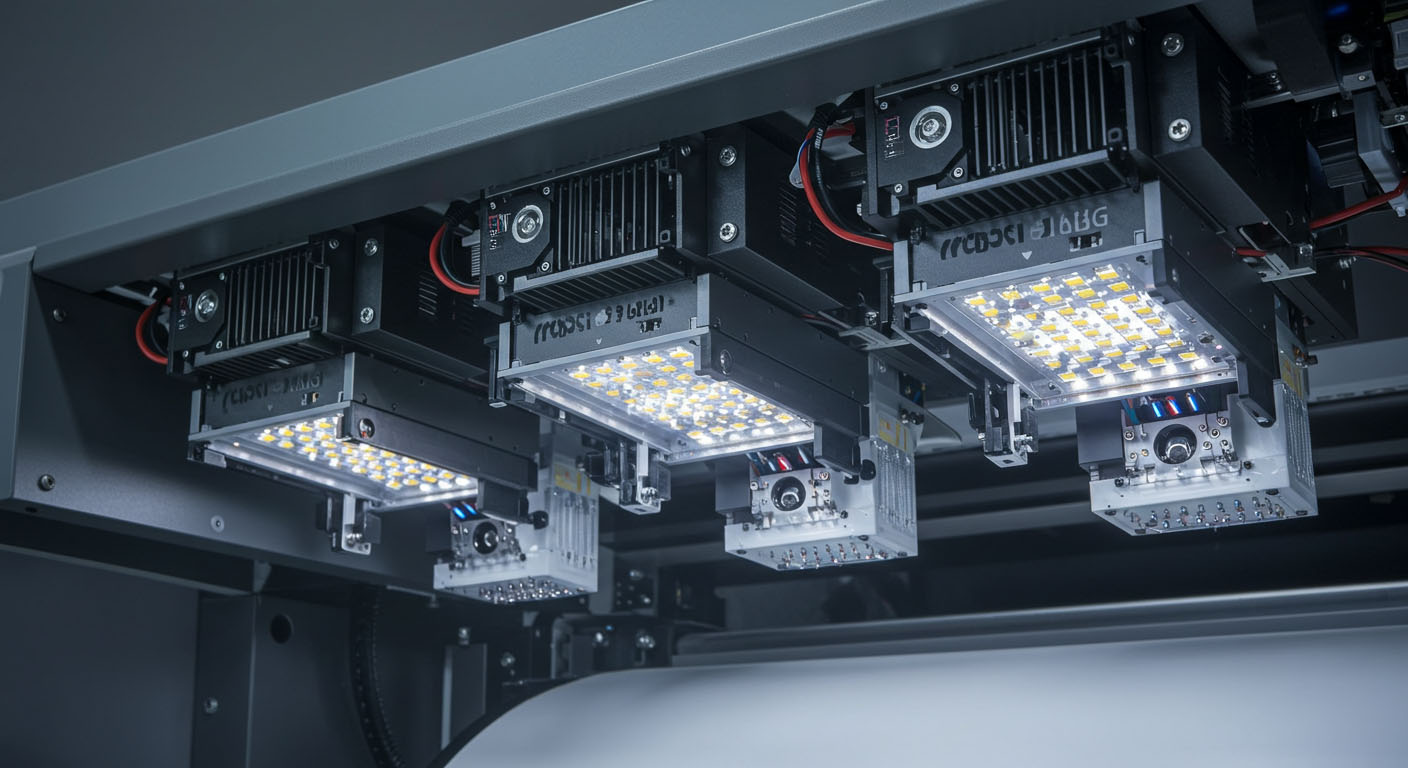
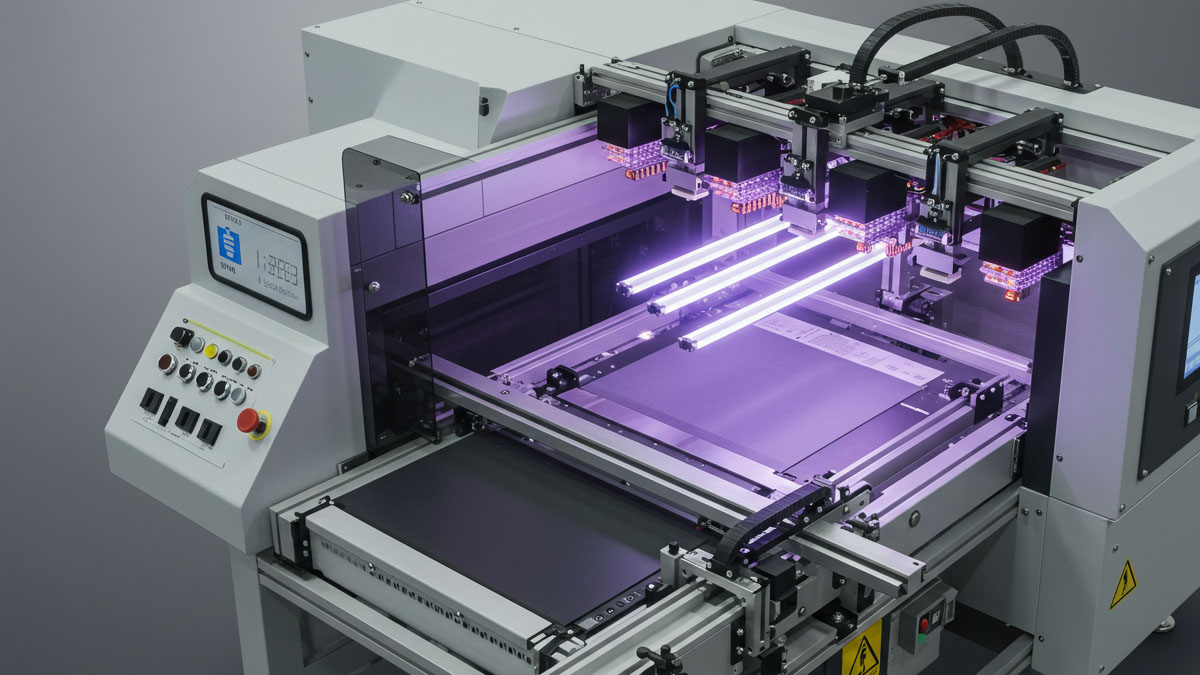
UVET stationary UV-A LED lamps are designed for fixed installation in non-destructive testing (NDT) environments. They provide uniform ultraviolet illumination to support the detection of fluorescent indications during liquid penetrant testing (LPT) and magnetic particle testing (MPT). Featuring durable construction, efficient thermal management, and instant-on LED operation, these lamps can be integrated into inspection booths, overhead fixtures, and production-line inspection stations.

Uniform UV-A Illumination
Delivers consistent UV-A coverage across inspection areas, supporting clear visibility of fluorescent indications during NDT procedures.

Reliable Continuous Operation
Designed for fixed installation, with effective thermal management to maintain stable UV output during extended inspection tasks.

Durable, Mercury-Free Design
LED technology eliminates the need for mercury-based light sources, while robust construction supports operation in demanding industrial environments.

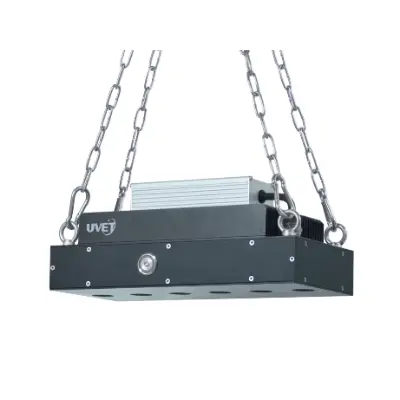
Technical Specifications of Stationary UV LED Lamp
-

Wavelength: 365nm UV-A
-
LED Count: 6 High-Power UV LEDs
-
Cooling: Mechanical Cooling
-
Lifetime: 20,000–30,000 hrs
-
Beam Coverage: Wide-Area, Uniform UV-A Illumination
-
Irradiation Area: 50–500 mm
Let us partner with you to create solutions that drive innovation, efficiency and success in your industry!
Our lamps are widely used in UV curing, printing, coating, surface treatment, and medical disinfection, offering superior results compared to traditional mercury lamps. With instant on/off capability, low heat emission, and long operational lifespans, UVET’s stationary UV LED technology reduces downtime, lowers operating costs, and supports eco‑friendly production.
Key Benefits of Stationary UV-A LED Lamps
- Uniform Illumination: Provides broad, consistent UV-A coverage for inspecting larger components and working areas.
- Reliable Fluorescence Detection: Supports fluorescent penetrant and magnetic particle inspection by illuminating UV-responsive indications.
- Flexible Installation: Suitable for overhead mounting, fixed inspection stations, and integration into NDT production lines.
- Efficient Operation: Instant-on LED technology eliminates warm-up time and supports convenient operation during inspection workflows.
- Durable Construction: Designed to withstand demanding industrial inspection environments with effective cooling and protective housing.
UVET stationary UV-A LED lamps provide dependable illumination for industrial inspection processes. Their fixed-mounting design and broad beam coverage make them suitable for applications requiring consistent UV-A exposure across defined inspection areas.
Explore our stationary UV-A inspection solutions to find a suitable lighting configuration for your NDT workflow.

❓ FAQs on UVET Stationary UV LED Lamps
Q1: What is a stationary UV-A LED lamp?
A stationary UV-A LED lamp is a fixed ultraviolet inspection light designed to provide stable illumination for fluorescence-based non-destructive testing. It is commonly used in fluorescent penetrant inspection (FPI) and magnetic particle inspection (MPI).
Q2: What wavelength is used for stationary UV-A inspection lamps?
UVET's UV500H stationary inspection lamp is designed for UV-A inspection applications. The applicable wavelength and irradiance specifications should be confirmed against the product datasheet and relevant inspection requirements.
Q3: Where are stationary UV-A LED lamps typically installed?
They can be installed above inspection workstations, inside NDT booths, or along production lines where fixed UV-A illumination is required.
Q4: What are the advantages of stationary UV-A LED lamps?
Stationary UV-A LED lamps provide instant illumination, consistent beam coverage, and efficient operation. Their fixed installation also supports repeatable inspection conditions across designated work areas.
Q5: What are the main applications of stationary UV-A LED lamps?
Typical applications include fluorescent penetrant testing, magnetic particle inspection, fluorescent particle screening, and industrial quality control.
Q6: Do stationary UV-A LED lamps require cooling?
Yes. Cooling helps maintain consistent LED performance during operation. The UV500H features a mechanical cooling design.
Q7: Are stationary UV-A LED lamps suitable for continuous inspection?
Stationary UV-A LED lamps can support extended inspection operations when operated within their specified electrical and thermal limits. Users should follow the product instructions and applicable UV safety requirements.