UV fluorescence inspection
2026-01-27
By ren peter
Accurate Tools used in Ind-ITC and Quality Control

In modern-day high-precision manufacturing and industrial processes, UV fluorescence inspection has become a vital technique used to identify defects, cracks, and contaminants on surfaces. This technique utilizes the ultraviolet light characteristic of having the ability to reveal otherwise invisible defects to produce high-resolution UV imaging of a broad selection of materials, such as metals, polymers, coatings, and adhesives. Industries are able to determine quality, compliance, and safety by using ultraviolet fluorescence inspection systems to enhance efficiency. These systems involve the usage of UV light inspection, fluorescent dye inspection, and high-level non-destructive UV testing (NDT) in order to provide consistent, reliable results. The Insight into UV Fluorescence Inspection The UV fluorescence inspection is a non-destructive testing (NDT) technique, which employs the use of ultraviolet (UV) light to produce fluorescence with dyes, coatings, adhesives, or some materials. The imperfections or contaminants fluoresce when UV light is thrown on a surface, and can be detected by the inspectors. The main benefits of the approach are: The process finds extensive use in UV fluorescent dye inspection, UV penetrant inspection, and UV defect detection systems. By integrating accurate UV light source inspection and surface flaw fluorescence testing, industries can recognize defects that cannot be observed under standard ...

2026-01-12
By UVET
UV LED Curing System Integration Checklist for Production Lines

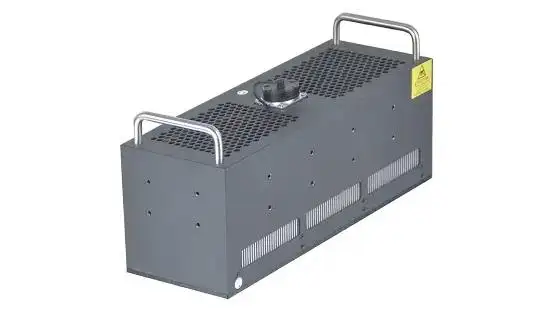
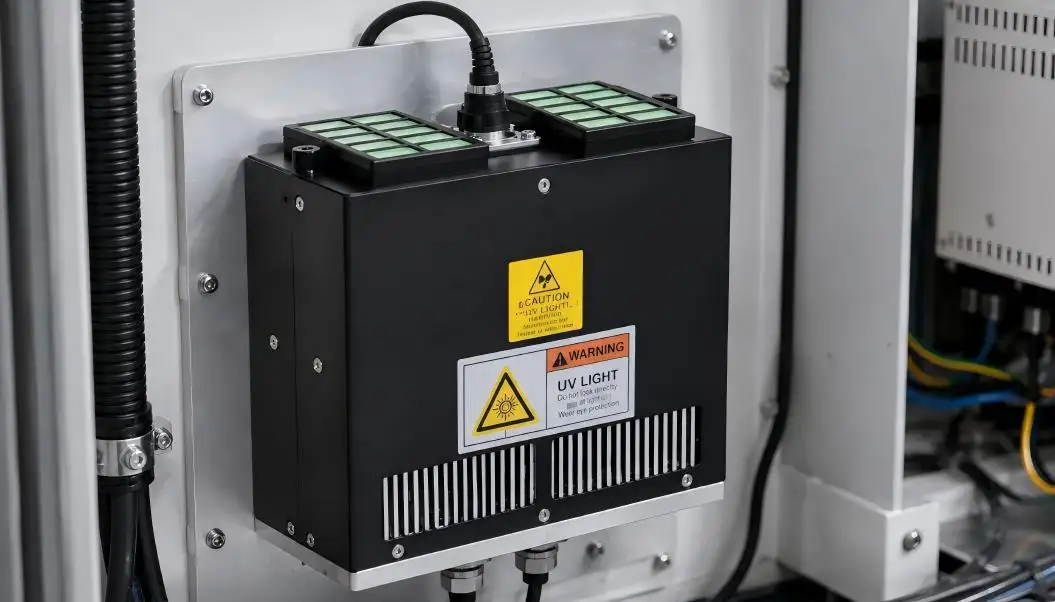
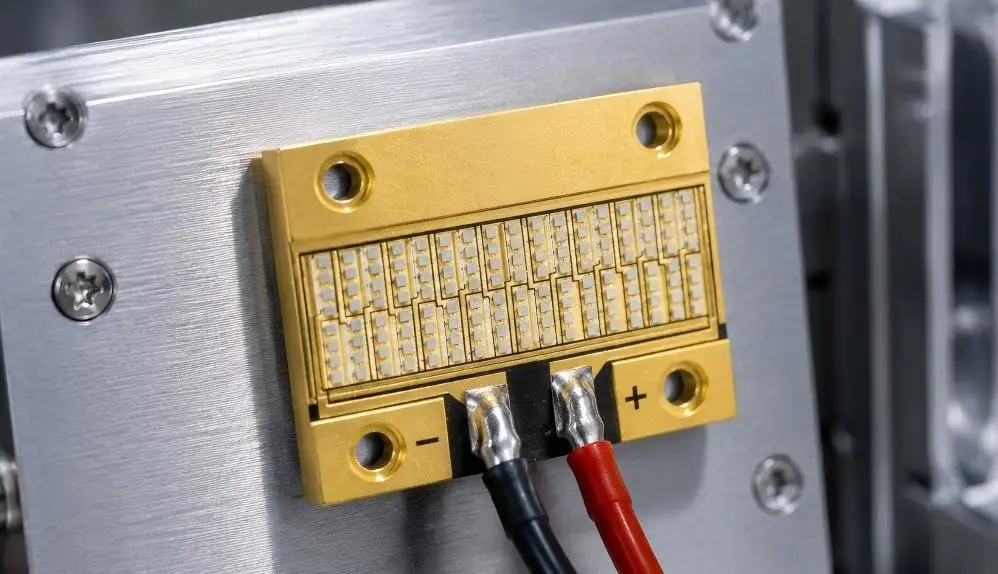
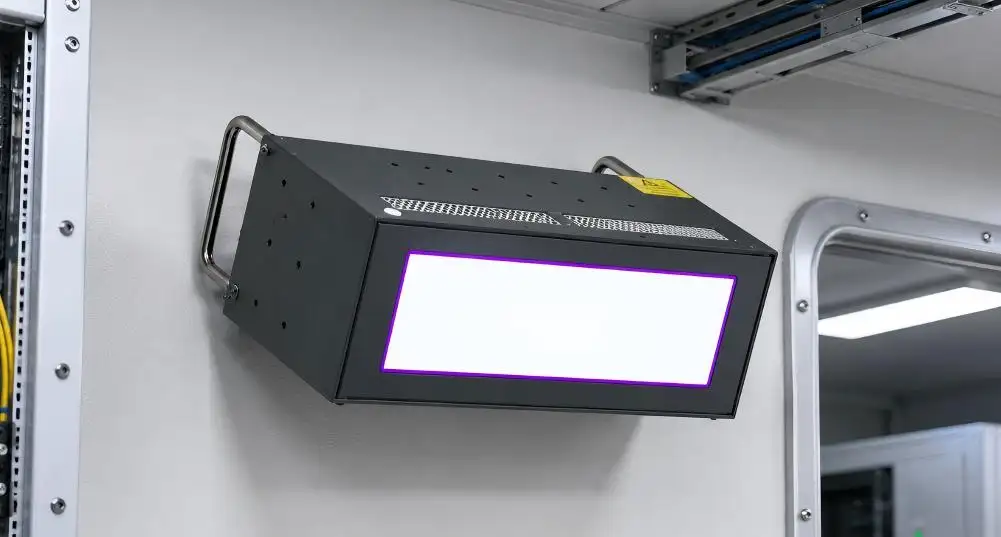
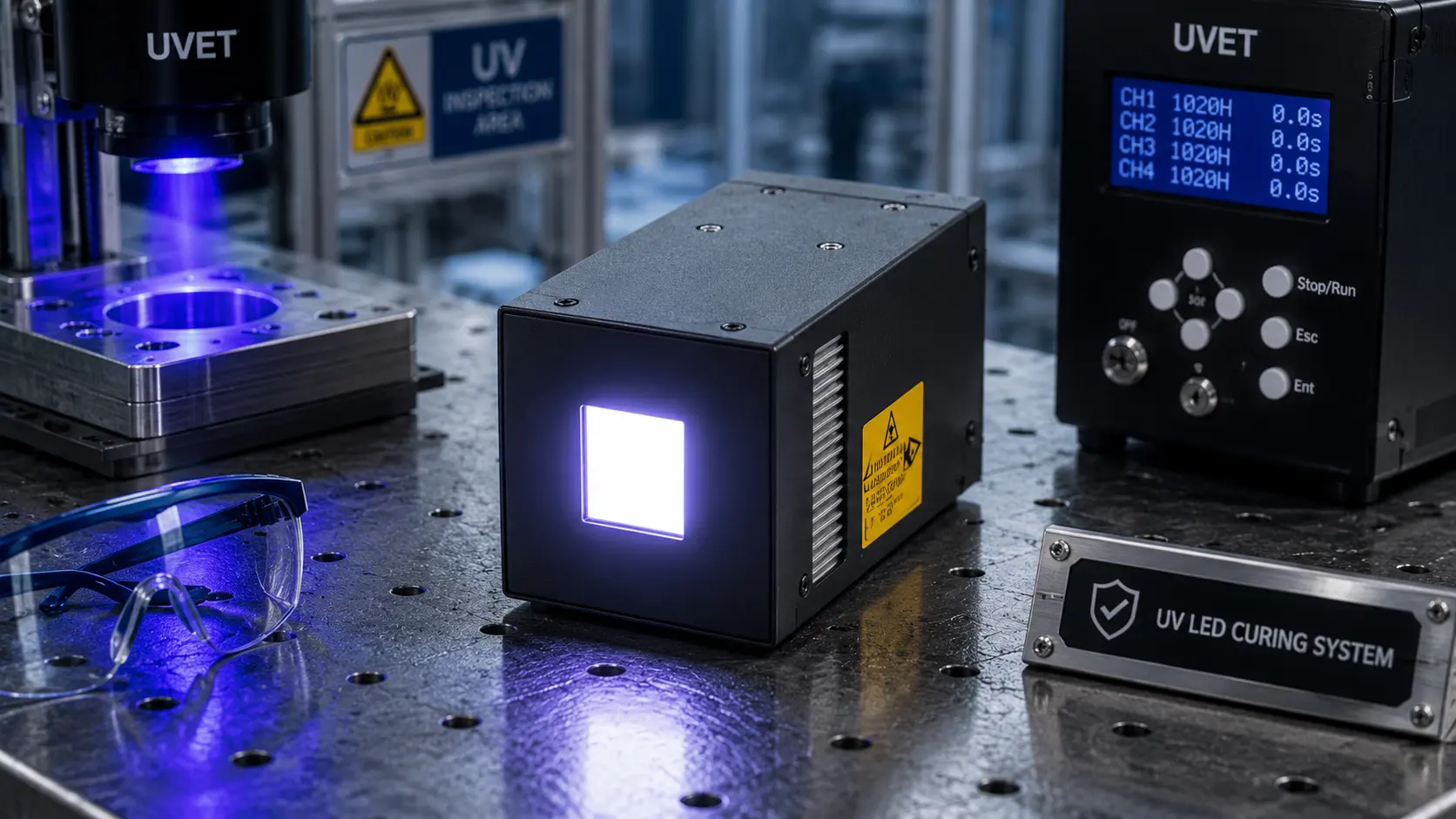
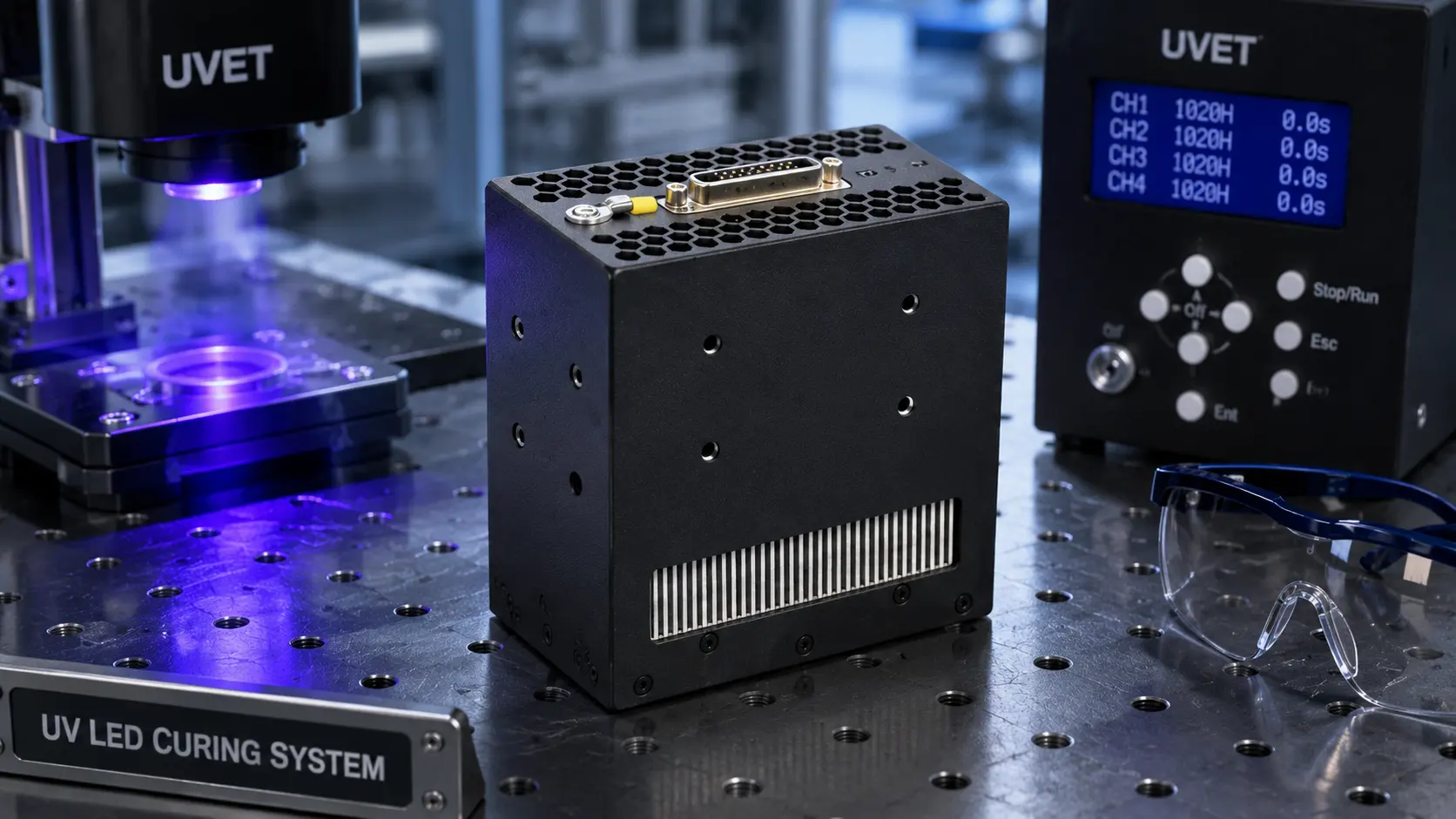
Integrating a UV LED curing system requires a systematic evaluation of mechanical fit, electrical requirements, and chemical compatibility. The essential checklist includes verifying peak irradiance and energy density (dose) requirements for your specific ink or coating, matching the curing window to conveyor speeds, ensuring proper thermal management (water vs. air cooling), and integrating control signals (PLC/NPN/PNP) with your existing production line logic. Successful integration minimizes downtime and ensures consistent curing quality without damaging heat-sensitive substrates. Pre-Installation: Assessing Line Requirements Before hardware installation begins, you must define the scope of the integration. This phase determines whether you need a retrofit of an existing arc lamp station or a completely new line design. Mechanical Fit and Form Factor Space constraints are often the biggest hurdle in retrofitting. UV LED heads are generally more compact than traditional arc lamps, but you must account for the supporting equipment. For detailed layouts on different configurations, see our guide on UV LED Curing Systems for Coating: Area vs Conveyor. Cooling System Infrastructure High-power UV LED systems require active cooling to maintain junction temperatures and ensure longevity. What Factors Affect UV Curing Efficiency? UV curing efficiency relies on matching the UV LED output spectrum (wavelength) to the ...