
PCB UV Curing: Advanced UV LED Technology for PCB Assembly
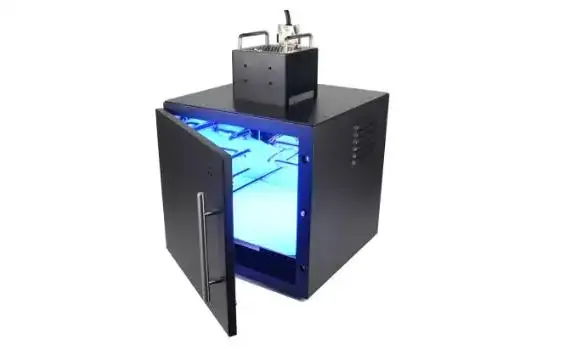
Electronics are becoming smaller, smarter, and more complex. Whether it is automotive control units, consumer devices, or industrial automation systems, all printed circuit boards have to be of high quality. It is here that PCB UV Curing has revolutionized manufacturing.
- Conventional thermal curing processes tend to be time-consuming and consume more energy. UV curing technology is a more precise, cleaner, and faster alternative. Manufacturers can enhance productivity and maintain high quality by curing coatings, adhesives, and encapsulates with ultraviolet light instantly.
- UV curing is an essential aspect of the contemporary production lines of electronics companies that want to achieve better throughput and reliable outcomes.
What is PCB UV Curing?
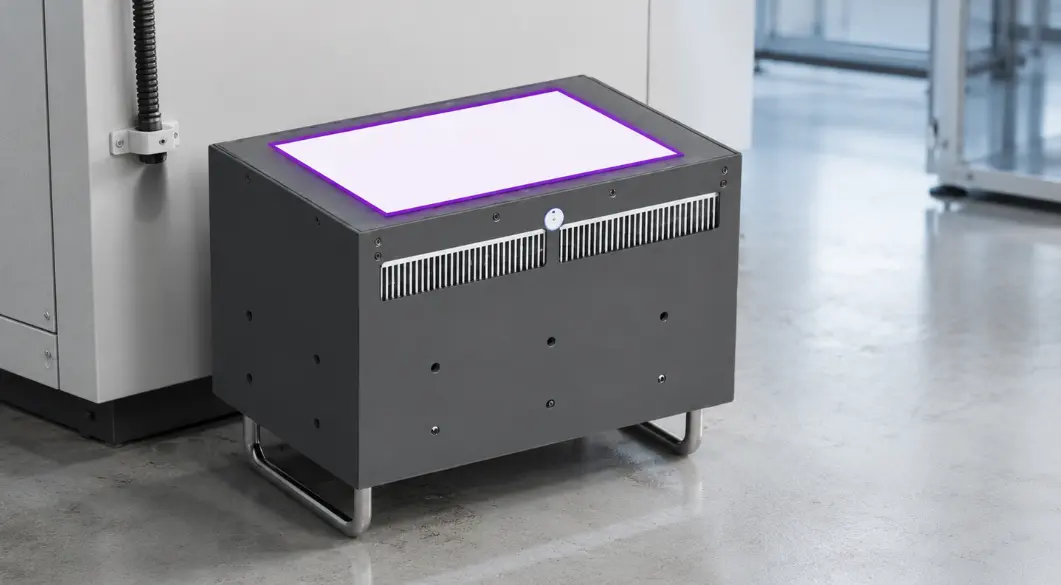
PCB UV curing is a manufacturing process that involves the use of ultraviolet energy to cure UV-sensitive coatings, adhesives, inks, and encapsulation materials that are deposited on printed circuit boards.
Photo initiators in the coating material are used to cure PCBs using UV. These photo initiators are activated by UV light of a certain wavelength to cause a polymerization reaction to transform liquid materials into solid layers which are hard and durable in a few seconds. Printed circuit board UV curing has the following advantages over conventional oven curing:
• Faster production speeds
• Lower energy consumption
• Better process control
• Reduced thermal stress
• Improved product consistency
This renders UV curing especially useful in large-volume electronics manufacturing facilities.
The need to use UV Curing in PCB Assembly
The current PCB manufacturing demands accuracy throughout the process. In UV curing PCB assembly, the manufacturers apply UV light to cure glues, protective finishes, and bonding agents without subjecting delicate electronic parts to high temperatures.
Benefits include:
• Rapid curing cycles
• More efficient assembly lines
• Reduced work-in-progress inventory
• Better adhesion performance
• Consistent product quality
Consequently, PCB assembly line UV curing is directly incorporated into automated manufacturing systems by many companies.
PCB Conformal Coating Curing Role
Conformal coating is used to shield delicate electronics against adverse environmental conditions. These finishes form a thin protective coating that protects components against:
• Moisture
• Dust
• Chemicals
• Salt spray
• Corrosion
• Temperature fluctuations
The curing of PCB conformal coating is to make sure that protective layers achieve maximum mechanical and chemical resistance. A well-performed UV conformal coating curing process offers:
• Increased moisture resistance of PCBs.
• Better electrical insulation
• Improved chemical resistance
• Longer product lifespan
• Excellent performance in harsh conditions.
In other industries like aerospace, automotive, and medical electronics, UV-cured conformal coating has emerged as a desirable protection technique.
Benefits of LED UV Curing Systems
Most manufacturers are substituting the old mercury lamps with the new LED UV curing systems. The UV LED technology offers several performance benefits:
• Instant on/off operation
• Lower heat generation
• Longer service life
• Stable wavelength output
• Reduced maintenance requirements
• Lower operating costs
A contemporary UV LED curing machine can potentially last thousands of hours with consistent performance. This greatly saves time as opposed to conventional lamp systems.
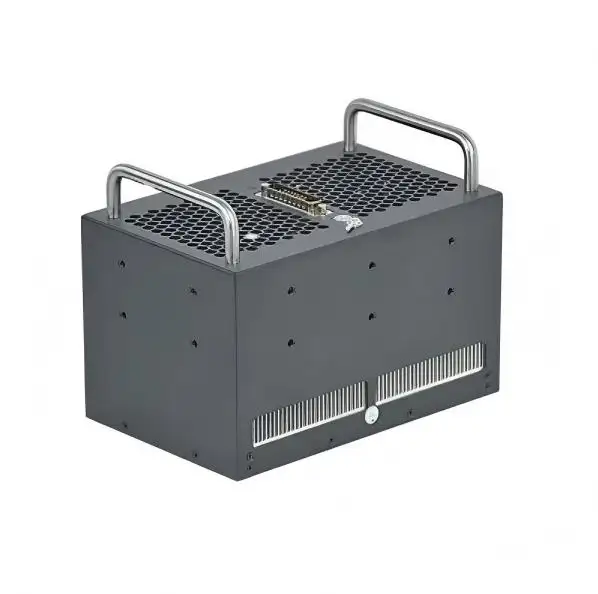
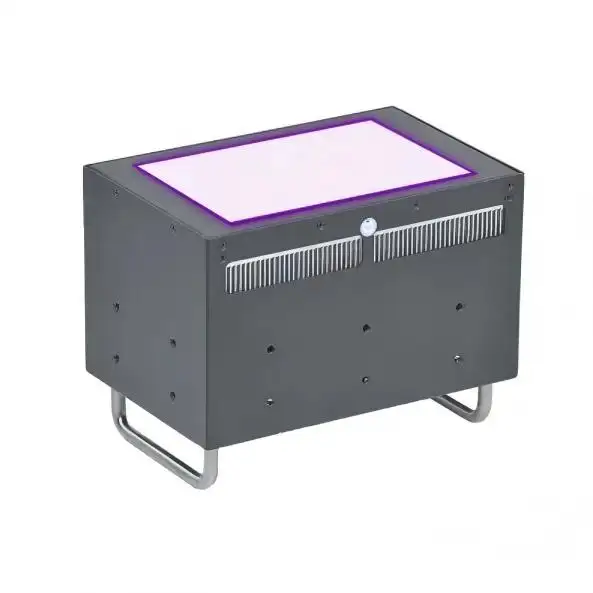
UVET UV LED Flood Curing Lamp PCB
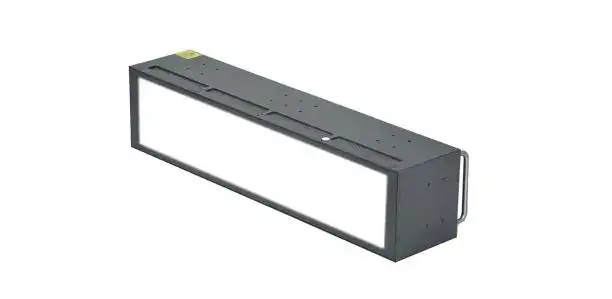
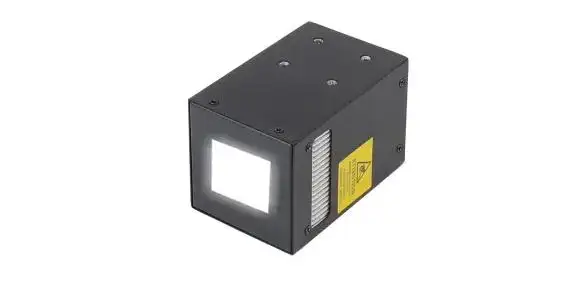
A good example is the UV LED Flood Curing Lamp provided by UVET this system is specifically designed to be used in electronics applications with a large 150 x 100 mm irradiation area that enables effective curing on larger PCB areas. The wavelengths are 365nm, 385nm, 395nm and 405nm and can be used with a wide range of UV-curable materials. The system also provides up to 1800 mW/cm 2 of UV intensity depending on the wavelength chosen. Key benefits include:
• Large-area curing capability
• Fan-cooled continuous operation
• Flexible wavelength selection
• Simple incorporation into automated production lines
• Quick and consistent curing speed.
The system is suitable for:
• PCB conformal coating UV curing process
• Electronic component UV curing
• Optoelectronic manufacturing
• Medical device assembly
• Adhesive bonding applications
Flood curing solutions are often selected by manufacturers who want to use a UV curing system on conformal coated PCBs due to their ability to achieve uniform exposure over large areas of the board.
Modern Production Line High-Speed PCB Curing
Modern electronics factories are reliant on speed and efficiency. An effective high-speed PCB curing solution can significantly enhance throughput by cutting down curing time to a matter of minutes or seconds. The main advantages of production are:
• Faster production cycles
• Higher line capacity
• Improved workflow efficiency
• Reduced bottlenecks
• Better resource utilization
To enable continuous production, many manufacturers are now using automated UV curing lines and inline UV curing equipment. Together with SMT assembly processes, a current SMT UV curing process assists in the development of a continuous manufacturing process between component placement and final inspection.
Selecting a UV Curing Machine in PCB Assembly
The choice of PCB UV curing machine is dependent on a number of factors. Consider:
Production Volume
High-volume plants may need:
• Conveyor UV curing ovens
• Inline curing systems
• Dual-station curing setups
Material Compatibility
Ensure that the wavelength is in line with the photo initiator specifications of your coating or adhesive.
Irradiation Area
Larger boards can enjoy:
• UV LED flood curing equipment.
• UV flood curing units.
• Wide-area curing panels
Automation Requirements
For Industry 4.0 manufacturing environments, look for:
• PLC integration
• Robotic compatibility
• Process monitoring capabilities
These characteristics facilitate effective production of electronics and quality control.
Conclusion
Speed is important, but reliability is even more important. State-of-the-art PCB UV curing systems enable manufacturers to safeguard delicate electronics, enhance throughput, and ensure uniform quality throughout the production process. From the curing of PCB protective coating to automated assembly line integration, UV LED technology is assisting electronics manufacturers to satisfy the increasing market demands without compromising on precision.
Ready to upgrade your curing process? Today, visit UVET and find out about the high-performance UV curing solutions that are designed to meet the future of electronics manufacturing.


