
Electronics UV Curing: Advanced UV LED Technology for Electronics
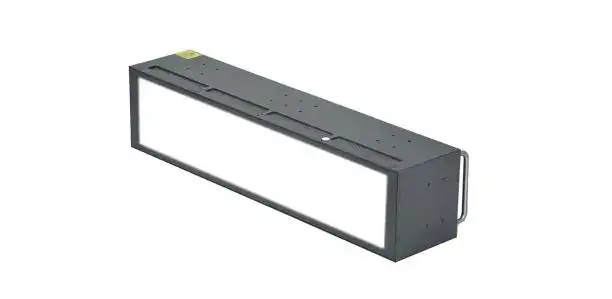
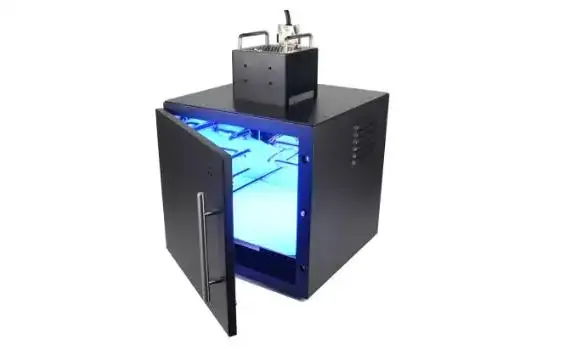
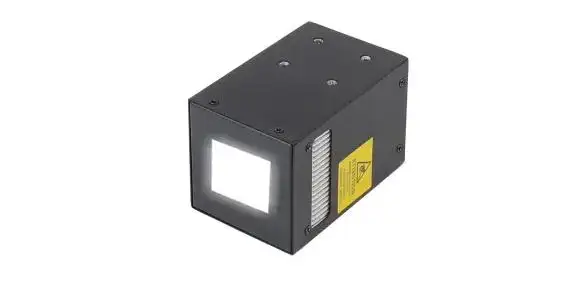
The pace of modern electronics production is astounding. In smartphones and automotive sensors, medical devices and aerospace systems, manufacturers require fast, precise, and reliable curing solutions. It is here that Electronics UV Curing has come in as a game changer.
- Conventional thermal curing processes may be time-consuming and demand increased temperatures. By contrast, the electronics UV curing of modern times provides quick adhesive curing, enhanced process control, and quality products.
- UV curing technology can be used to work with printed circuit boards, semiconductor packaging, or more complex electronic assemblies to ensure a uniform result and minimize the cost of production. The need for precision bonding solutions and low-temperature curing is on the increase as the size of electronic devices is reduced, and they are becoming more complex.
Need for UV Curing Technology in Electronics Manufacturing
The electronics industry depends on materials that are required to bond, seal, protect, and encapsulate delicate components. These materials include:
•UV-curable adhesives
•UV-curable coatings
•UV resins
•Conformal coatings
•Encapsulation compounds
•UV sealants
These materials are cured by exposure to ultraviolet light, which causes photochemical reactions. When the liquid material is exposed to the right wavelength and intensity, the material is quickly converted into a solid that is strong.
In contrast to heat-based curing, UV curing does not need to be exposed to high temperatures. This renders it suitable for temperature-sensitive parts of the current electronics production lines. Manufacturers with sophisticated UV curing systems tend to have:
•Faster throughput
•Reduced production downtime
•Improved production efficiency
•Higher process consistency
•Enhanced product reliability
Electronics UV Curing Process
An average electronics UV curing system consists of special UV LED light sources, optics, cooling systems, and control software. The process of curing usually includes the following steps:
1. Use UV-drying adhesive or coating.
2. Place the assembly under the UV source.
3. Subject the material to a certain wavelength.
4. Trigger rapid polymerization.
5. Attain complete cured bond or protective layer.
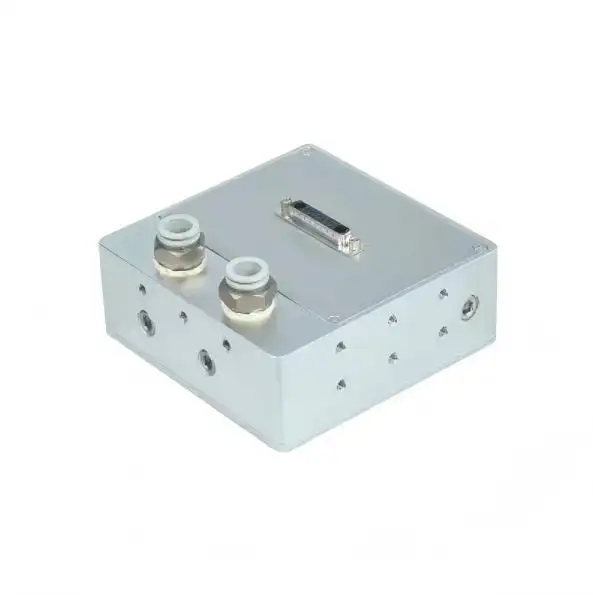
The majority of the current UV light curing systems work in wavelengths of 365nm, 385nm, 395nm and 405nm. The reason these wavelengths are popular is that they are very compatible with industrial adhesives and coatings. The UVET has advanced UV LED curing solutions that have a variety of wavelengths to suit the various production needs.
Important UV Curing Uses in Electronics
UV curing solutions are utilized in numerous manufacturing processes by electronics manufacturers.
PCB UV Curing and Circuit Board Assembly
PCB UV curing is one of the most popular uses of UV curing. During circuit board assembly, UV-curable materials are used for:
•Component staking
•Wire tacking
•Surface protection
•Conformal coating curing
•Electronic adhesive bonding
Short curing durations are useful in speeding up the SMT production process without compromising assembly precision.
Electronic Component Bonding
Numerous electronic devices depend on the accuracy of adhesive positioning. Bonding of electronic components needs:
•Strong adhesion
•Dimensional stability
•Fast curing technology
•High reliability
The use of UV adhesive curing allows manufacturers to fix fragile parts without subjecting them to high temperatures.
Semiconductor Manufacturing and Packaging
Precision is the key in semiconductor manufacturing. UV curing supports:
•Die attachment
•Semiconductor packaging
•Wafer-level processes
•Microelectronics curing
The controlled curing process minimizes stress on delicate semiconductor structures and enhances production efficiency.
Optical Bonding UV Curing
Display technologies are constantly developing. Optical bonding UV curing is applied in:
•Touchscreen manufacturing
•Display manufacturing UV curing
•Automotive displays
•Industrial control panels
The outcome is enhanced optical quality, increased durability, and enhanced environmental resistance.
Applications in the Industry that are driving demand
The flexibility of UV curing technology has increased its application in various industries.
Automobile Electronics UV Curing
There is a growing use of sensors, cameras, and electronic control units in automotive systems. UV curing supports:
•Sensor bonding
•Electronics encapsulation
•PCB protection
Medical Electronics Manufacturing
Medical equipment needs to be assembled accurately and extremely reliably. UV curing assists manufacturers to attain:
•Clean processing
•Consistent bonding
•Reliable protective coatings
Aerospace Electronics Assembly
Aerospace components are used in harsh conditions. The UV-curable coating and adhesives offer resilient electronic assemblies, which survive vibration, moisture, and temperature changes.
Consumer Electronics Production
Starting with smartphones and wearable devices, manufacturers require quick production cycles without compromising on quality.
Benefits of Performance That Matter
The reason why manufacturers invest in UV curing is that the advantages of operation are high. Key advantages include:
•Rapid adhesive curing
•Low-temperature curing
•Reduced energy costs
•Improved process control
•Faster production speeds
•Enhanced product reliability
•Longer equipment lifespan
•Consistent curing quality
Most UV LED curing systems also generate less heat, which is why they are perfect in the production of flexible electronics and sensitive substrates. This assists in minimizing defects and enhancing the performance of the products.
Selecting the appropriate UV Curing Solution
The choice of the appropriate system is based on several factors:
•Material type
•Required wavelength
•Production volume
•Irradiation area
•Curing speed
•Integration requirements
Depending on their production objectives, manufacturers may decide on either spot curing, area curing, conveyor systems, or fully automated UV irradiation systems. For companies that are interested in high-quality UV curing equipment, UVET provides a broad selection of specialized products aimed at electronics production, industrial curing, and fine assembly. Read about their UV LED curing technologies on the product resources and solutions pages of the company:
Conclusion
The manufacturers of electronics UV curing are constantly pressurized to be faster, better, and cheaper. UV curing technology provides all three. UV LED systems have advanced production capabilities, starting with PCB assembly and semiconductor packaging and all the way to advanced display manufacturing.
UVET advanced UV LED curing solutions are the high-performance solutions needed in modern manufacturing to enhance throughput, precision bonding, and lower operational costs. Today, explore the innovative technologies at UVET and learn how the appropriate UV curing system can make your production line faster, smarter, and more competitive.
Share on Social:


