
Selecting a UV LED Printing System for Reliable Ink Curing
It is possible to have a UV LED Printing System with high irradiance, but with variable curing results. It's because much more than the light source is required for successful ink curing.
The UV energy reaching printed surfaces depends on the speed of the printing machine, the chemistry of the ink, the width of the irradiation device, the working distance and the cooling performance.
The greatest hurdle for printing equipment manufacturer and production engineer is choosing a system that is appropriate for the printing process and will have repeatable curing under continuous operating conditions.
So the first step in selecting the right evaluation is to consider printing needs and not just the top rated UV lamp.
UV LED Printing System is What?
UV LED Printing System is a system that is designed to utilize UV LED to trigger the photopolymerization of compatible UV-curable inks and coatings. The liquid formulation undergoes a chemical reaction with the exposure to become the cured film.
Compared to traditional mercury UV lamps, LEDs produce light in a much more constrained wavelength band and can be switched rapidly and controlled irradiation.
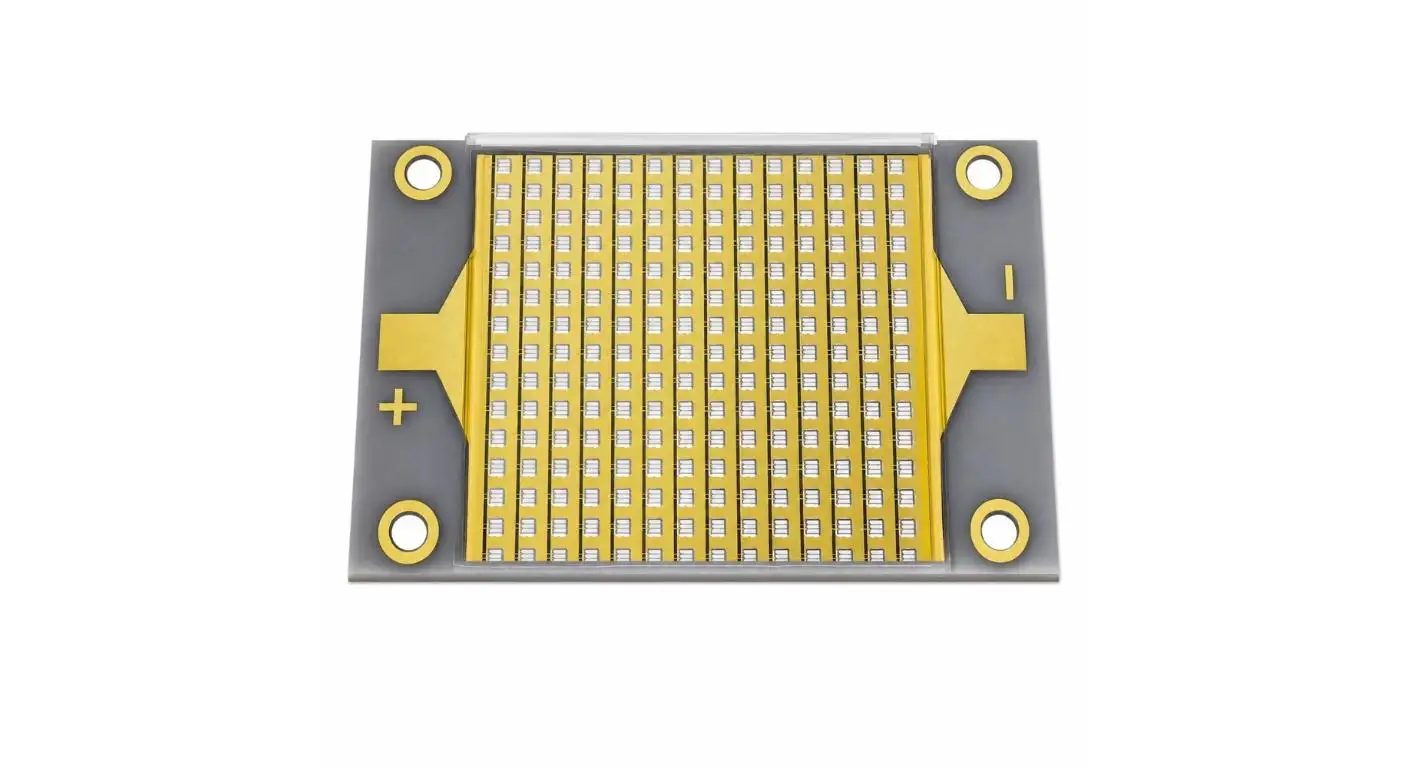
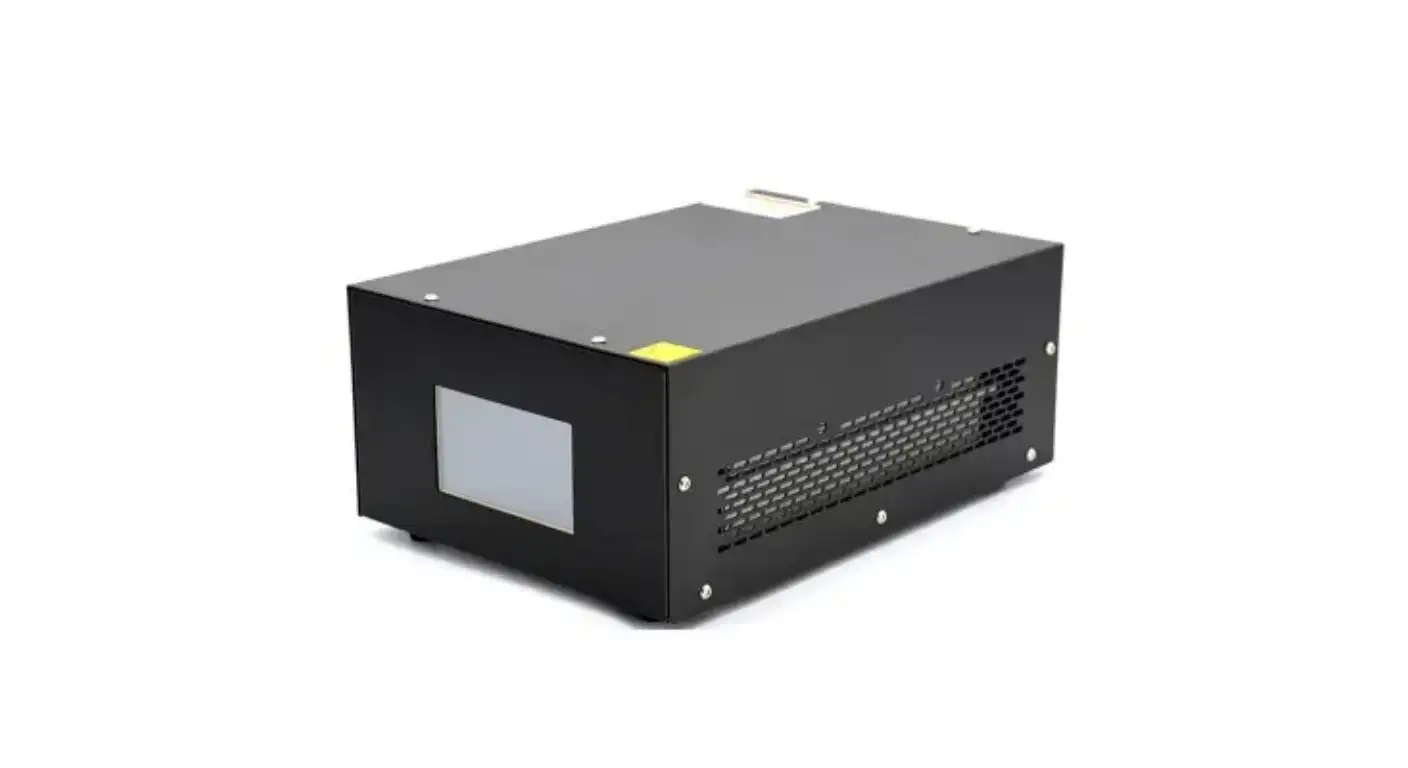
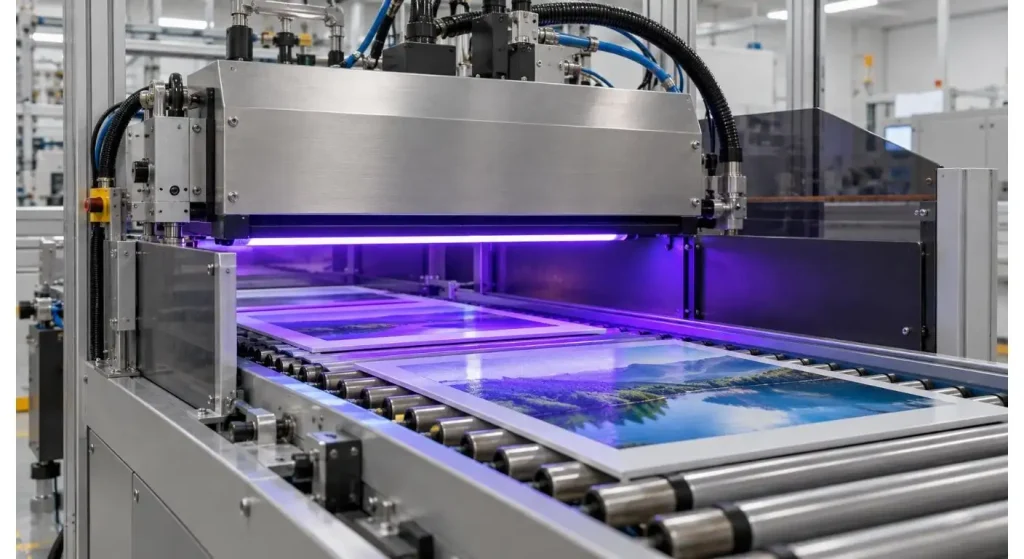
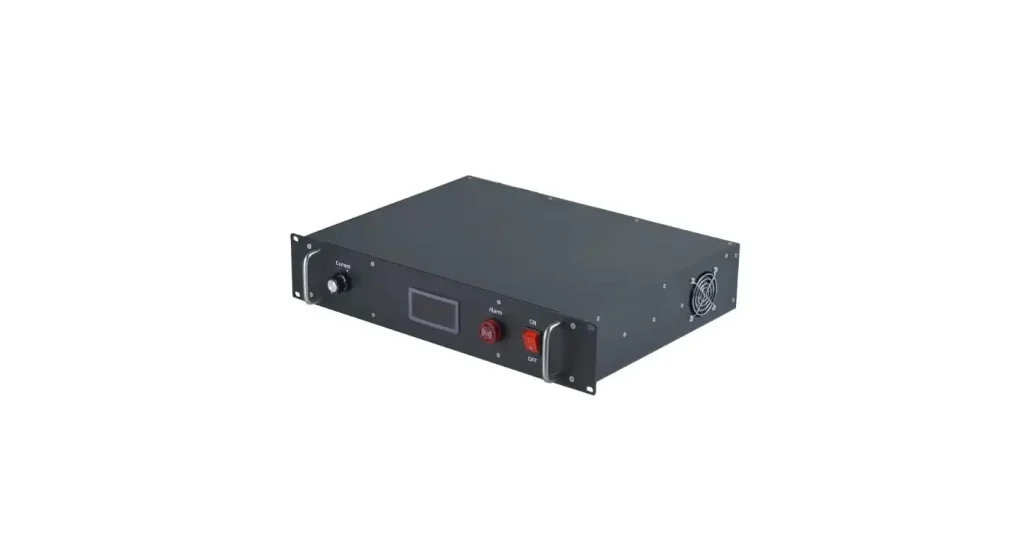
A typical industrial system consists of a UV LED curing head, driver/controller, cooling units and connections with printing equipment.
The applications are in the field of digital inkjet printing, screen printing, packaging decoration and industrial coating processes.
The geometry of a print and the conditions of a lamp operation depends on different printing methods. Manufacturers can experiment with UV LED curing systems for printing to get a sense of the different configurations for industrial printing.
Start with the Printing Process Requirements
Determine what printing method, the ink formulation, the substrate and the desired production rate are before choosing a curing system.
In common practice, the ink may be relatively thick and if printing this way, enough energy may be necessary to cure through the total thickness of the ink. Usually, the ink in inkjet printing is thinner, and sometimes, this method requires careful exposure and synchronization with the printhead.
The characteristics of the substrate are also important. Plastic films may be subject to heat and dimensional change sensitivity, or rigid materials may have different heat sensitivities and dimensional change tolerances.
Specifications of the various types of equipment should be compared after the required curing width, lamp mounting position and exposure time have been determined.
A system which works well on a sample may not work well on a continuously running printing line.
Correlate UV Wavelength with Ink Chemistry
One of the most critical parameters when selecting a UV LED Printing System is the wavelength.
The typical industrial wavelengths are: 365 nm, 385 nm, 395 nm and 405 nm. But none of the wavelengths is necessarily best for all UV inks.
The photoinitiators in the ink need to effectively absorb the light at the set wavelength, allowing effective curing to take place.
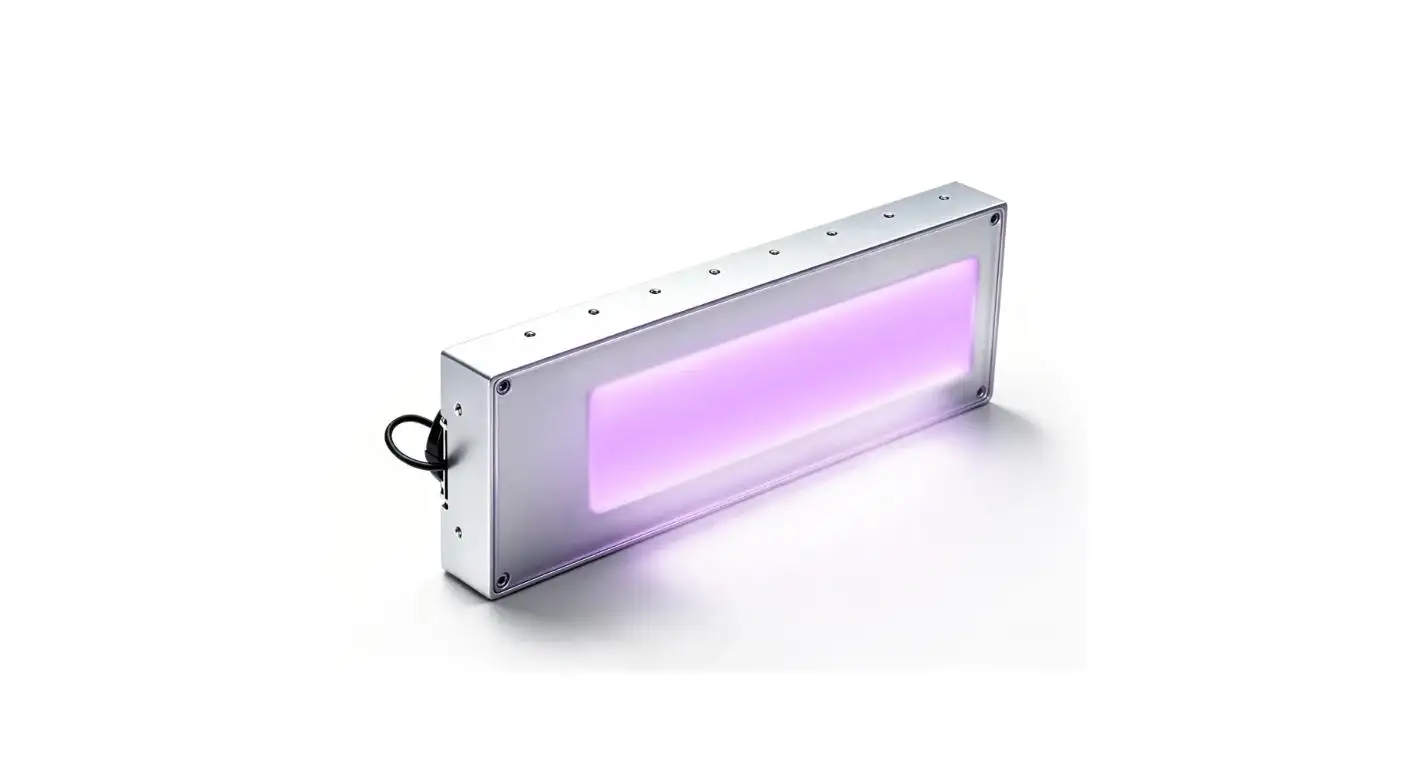
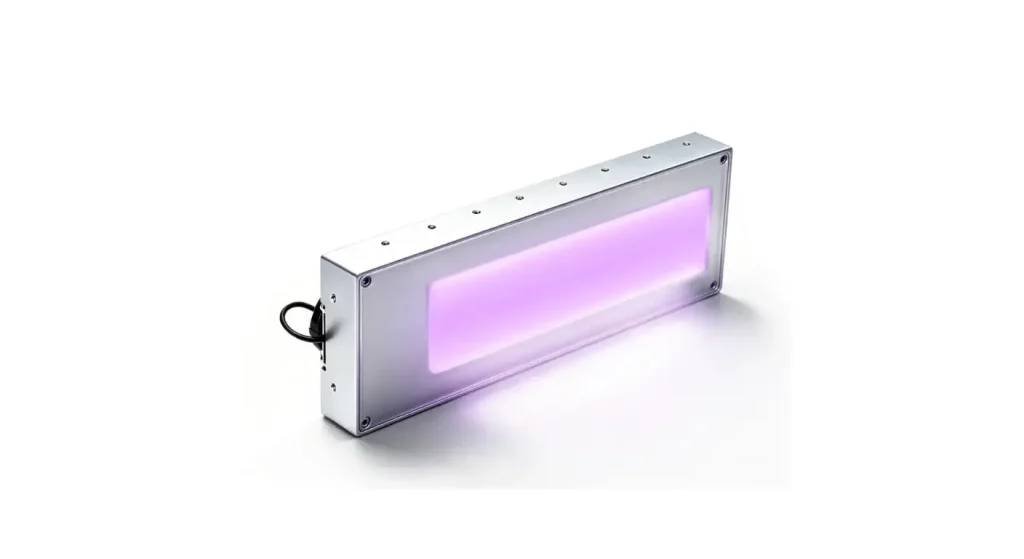
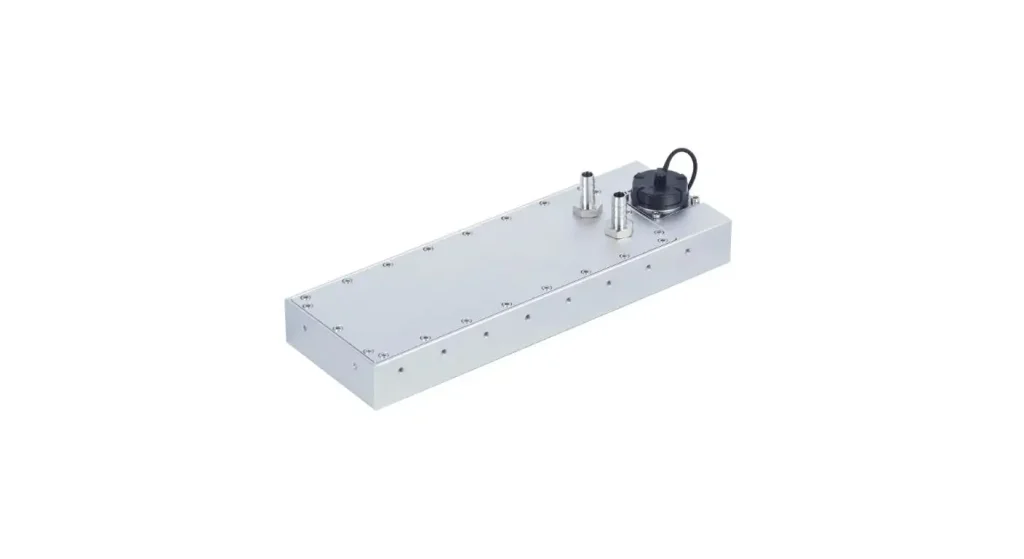
As an example, UVET's Water-Cooled UV LED Curing Lamp is available in four different wavelengths, depending on the equipment manufacturer's curing needs.
When buying, ask the ink manufacturer for the suggested wavelength and exposure.
The adhesion, surface condition and through-cure should then be checked by practical printing tests.
Measure the UV intensity, dose and irradiation coverage
Increased UV intensity is not necessarily guaranteed to result in better curing.
Irradiance is the amount of UV energy per square centimeter (W/cm2) and is defined as the amount of energy delivered per unit area. UV dose is the amount of energy accumulated over a period of time (J/cm²).
If the exposure is to be simplified to constant irradiance:
If you know the irradiance (the power/unit area of light) and exposure time (in seconds), then you can calculate UV Dose by multiplying the two.
For moving production lines, the effective dose also depends upon the irradiance distribution, working distance and time spent under the lamp.
The irradiation area of UVET's 360A8 series is 200 × 35 mm. The 365 nm version is rated at 15 W/cm², while the 385 nm, 395 nm and 405 nm versions are rated at 20 W/cm².
These specifications are intended to be used as a guideline for the evaluation of the system but actual exposure at the substrate should be measured under installed operating conditions.
It is vital to have coverage uniformity when curing wide printed areas and/or higher production speeds.
| Verification Item | Information to Confirm | Evidence to Request |
| Wavelength | Ink compatibility | Ink supplier recommendation |
| Irradiance | Actual output at substrate | UV measurement report |
| UV dose | Energy at target speed | Process trial data |
| Coverage | Effective curing width | Irradiance distribution |
| Cooling | Required operating conditions | Cooling specifications |
| Integration | Mechanical and electrical fit | Interface drawings |
Understanding the importance of Cooling Performance in Continuous Printing.
UV LED modules have high-intensity and produce heat in the process which needs to be removed to keep the modules in stable operating conditions.
While UV LEDs typically emit less infrared radiation than conventional mercury lamps, thermal management is still needed for the LED assemblies.
Compact equipment requiring moderate operation can be air cooled. Water cooling is especially beneficial for curing heads of high output that are used over long production runs.
In water-cooled systems, the heat is removed from the LED assembly by circulating a coolant. They rely on the proper flow, control and maintenance of coolants.
Water cooled to promote continuous industrial curing with the UVET 360A8 series.
But in the case of a water cooled lamp, the optical energy is still transferred to the printed material. Therefore, during actual production, it will be necessary to check the substrate temperature and dimensional stability.
Inspect mechanical and electrical integration
A proper UV LED Printing System needs to be compatible with the current system layout and control.
Space available for installation, mounting clearances, working distances and access for maintenance should be evaluated by the engineer.
Electrical integration needs to be taken care of as well. The curing system can be synchronized with the movement of the conveyor, with the printing cycles or with the control of automated equipment.
UVET offers various industrial curing solutions such as the UV LED System for Inkjet, which is particularly suitable for applications where a separate curing module for inkjet is needed.
Check the manufacturer for the electrical interface, triggering, cooling connections and protective interlocks of the model selected prior to finalizing the system.
These details can help decrease installation issues, and aid in stable operation of the equipment.
Check the print quality before going into full production.
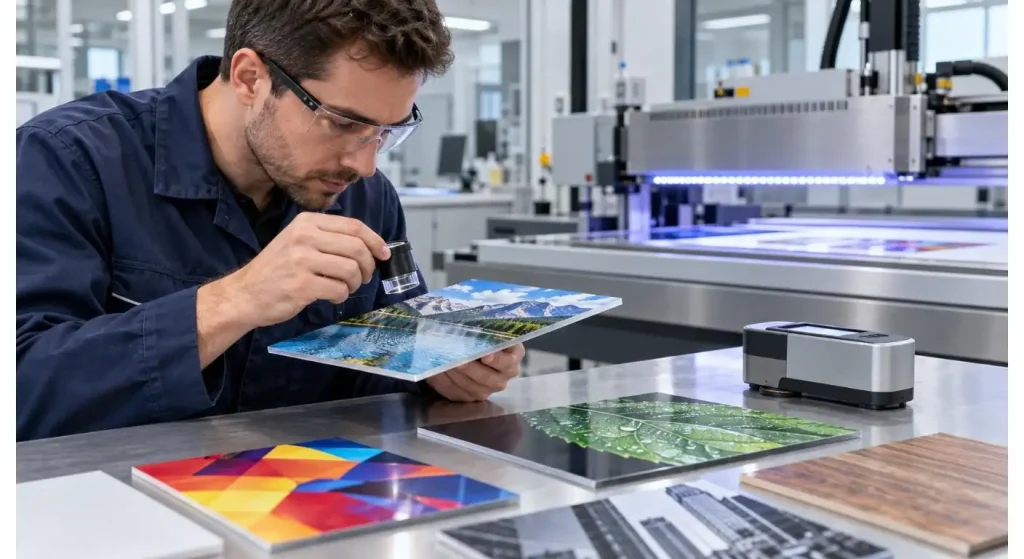
A successful curing trial must be more than just whether or not the print surface is dry.
For information on print performance, adhesion, abrasion resistance, surface tack and uniformity of curing are more useful indicators.
Actual ink and substrate, coating thickness and maximum intended production speed should be tested.
Shrinkage, distortion and print registration should also be evaluated by the engineer for heat-sensitive films.
The relationship between curing exposure, substrate temperature and dimensional stability is covered in UVET's guide to UV LED printing curing for heat-sensitive materials.
Repeat trials when formulation of ink changes, lamp position or printing speed changes. One of the critical factors in a stable production process is that the process produces consistent results within the range of its intended operation.
| Test Area | Evaluation Method | Acceptance Focus |
| Ink adhesion | Suitable adhesion test | Meets application specification |
| Surface cure | Tack and rub testing | No unacceptable transfer |
| Through-cure | Approved cure assessment | Adequate ink-layer curing |
| Print durability | Abrasion testing | Meets required resistance |
| Film stability | Dimensional inspection | Acceptable distortion |
| Repeatability | Continuous production trial | Consistent quality |
Look at the Supplies Support and Operating Costs
The initial purchase price is but one aspect of the total cost of the system.
Other factors to take into account for engineering teams include power usage, cooling methods, access for maintenance, spare parts and future replacement compatibility.
Documentation from the supplier should specify the model, wavelength, irradiation area, nominal output conditions and installation requirements.
If it is an OEM project, check to see if the manufacturer has the ability to deal with mechanical integration, technical drawings and application testing.
Controlled pilot run is more informative than a quotation alone. It gives the buyer the opportunity to gauge curing performance and operating stability and maintenance needs prior to deployment on larger scale.
Conclusion
When choosing a UV LED Printing System, careful consideration needs to be given to ink chemistry, irradiation performance, substrate compatibility and equipment integration.
The maximum intensity is not the only factor that will indicate whether or not a curing system will perform reliably in continuous production.
Manufacturers can confirm the specifications, test the real printing process and see the cooling and installation requirements, and choose a more suitable curing solution, which has a lower integration risk.
FAQs
Q1. What are the applications of UV LED Printing System?
It is a curing agent for compatible UV inks and coatings used in the digital, screen and industrial printing. This system is based on the concept of controlling the UV exposure to trigger the photopolymerization.
Q2. What is the best wavelength for UV LED printing?
Common options include 365 nm, 385 nm, 395 nm and 405 nm. This will depend on the photoinitiator system and recommended curing conditions of the UV ink.
Q3. Is there a point where increased UV intensity stops being beneficial to curing?
No, curing requires wavelength compatibility, UV dose, thickness and uniformity of the ink. Too much exposure can also cause process and/or substrate issues.
Q4. When is it necessary for a water cooled UV LED system to be used?
For continuous use of high output curing heads, water cooling can be beneficial. Actual duty cycles and installation environments should be checked against the cooling requirements.
Q5. What are the tests that should be performed prior to the purchase of a UV LED Printing System?
Test ink adhesion, surface and through-cure, abrasion resistance and substrate temperature and curing uniformity at the production speed intended.


