
Selecting the Right UV LED Curing Light for Reliable Production
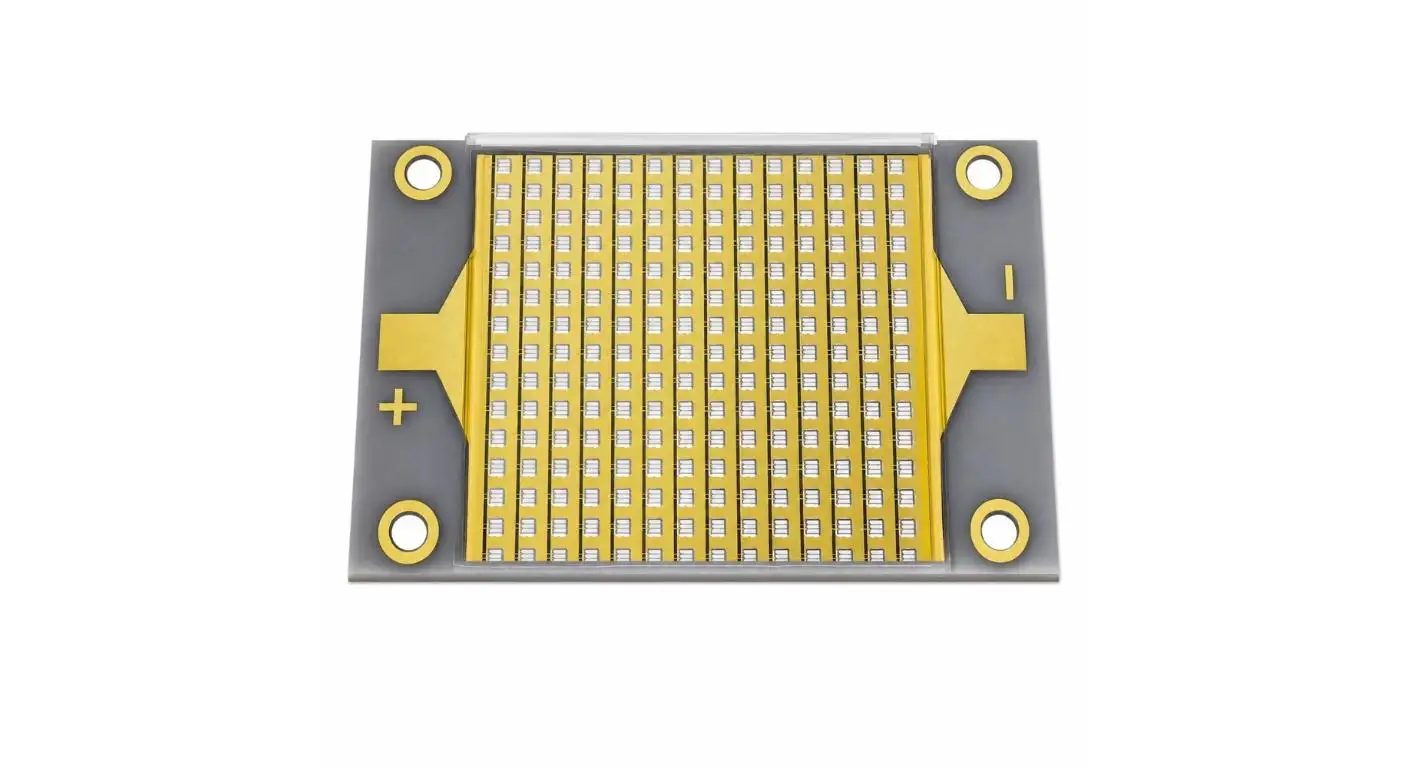
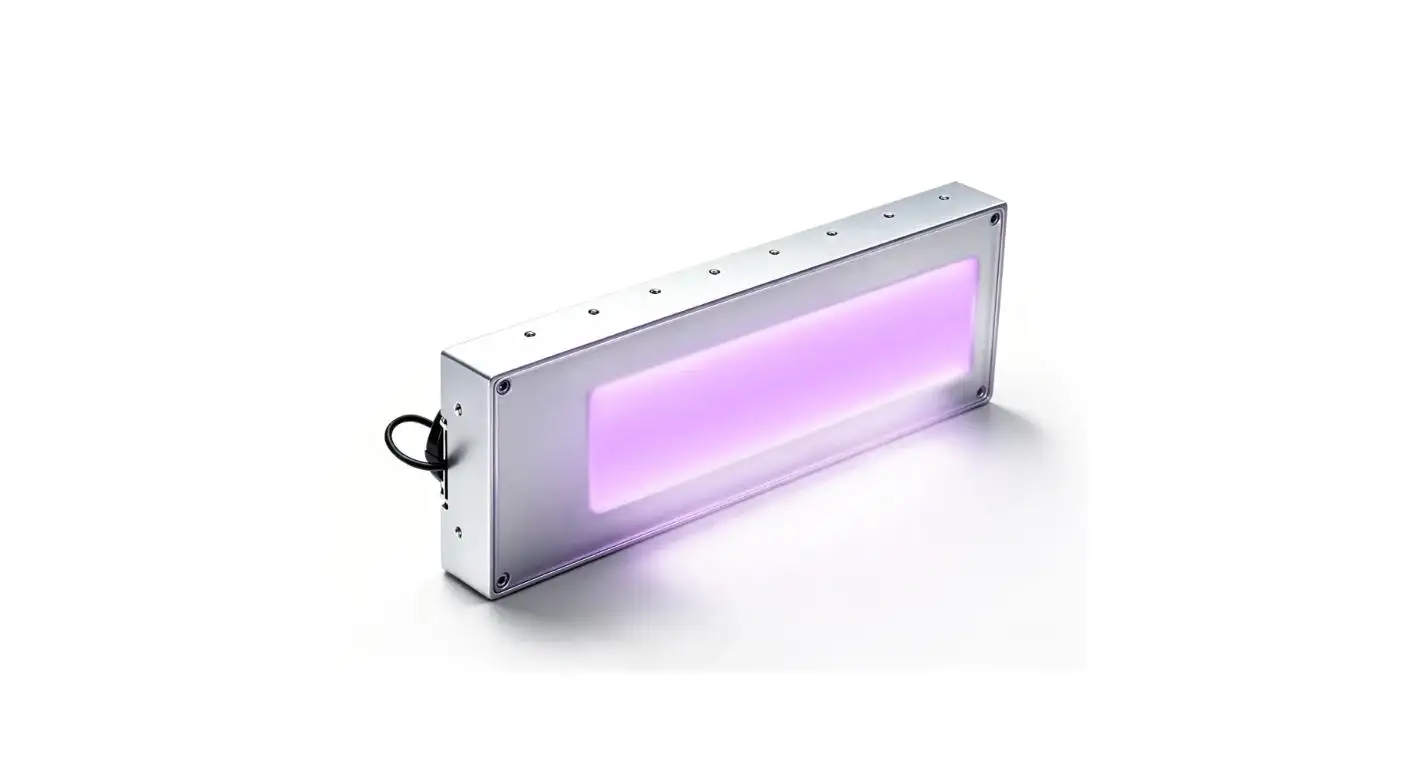
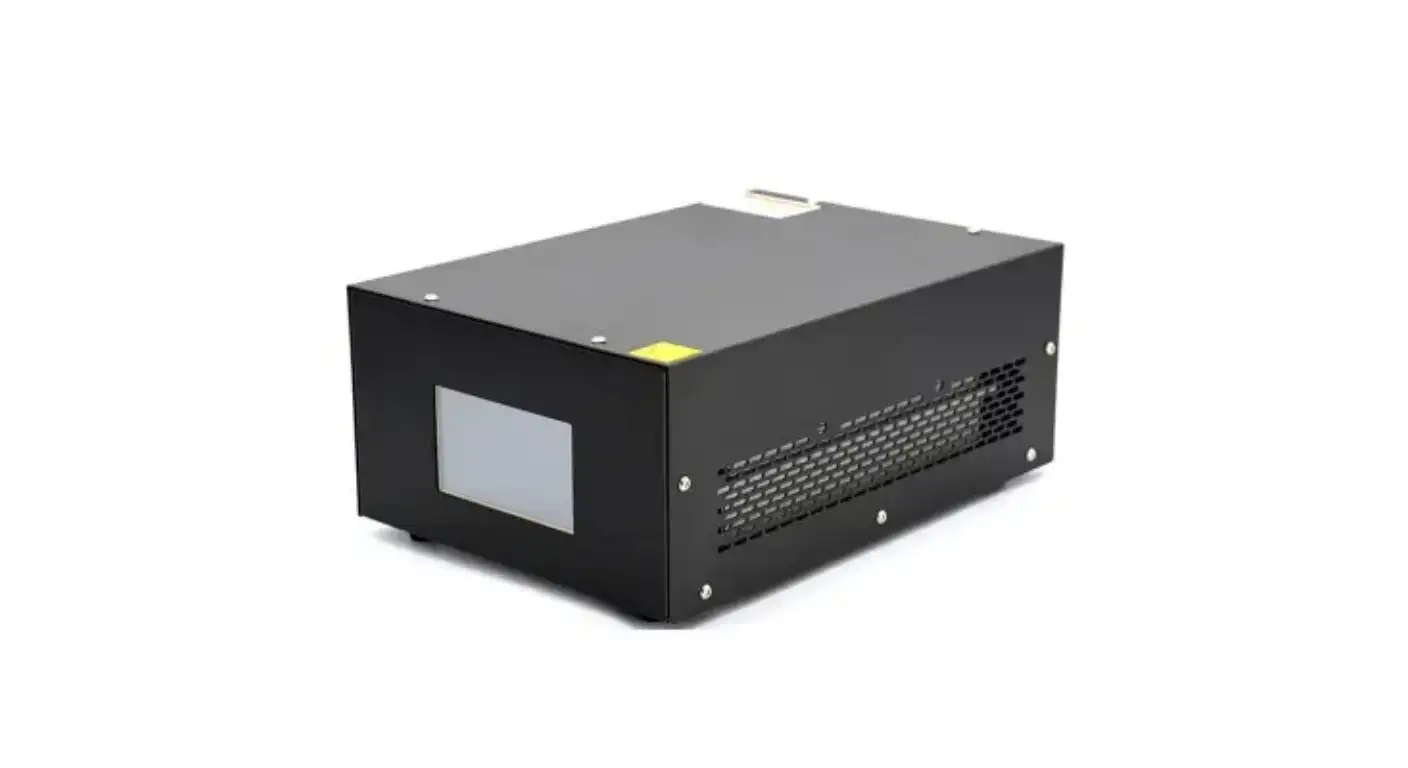
Two UV LED curing lights may be advertised as having the same intensity, but give different curing results on the same work piece.
The difference usually lies in the different irradiations coverages, working distances, wavelength compatibility and light distribution over the material.
Thus, in the case of industrial buyers, the choice of UV LED curing light is more than just wattage or choosing the most powerful light source.
The starting point is the material to be cured, geometry of the workpiece and the production conditions in which the light will be used.
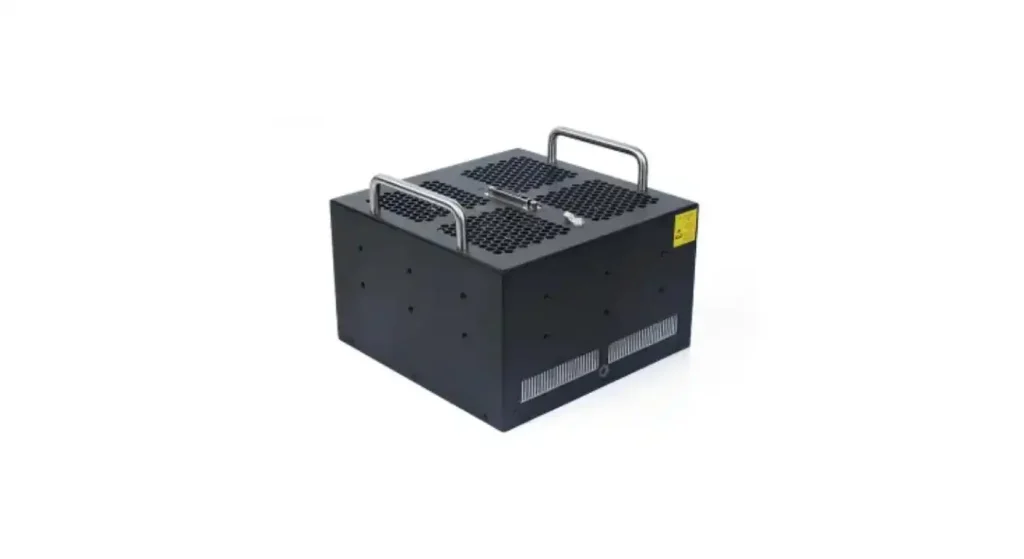
So, What is a UV LED Curing Light?
A UV LED curing light is one used to start the polymerisation process in compatible adhesives, coatings, inks and resins using ultraviolet or near-ultraviolet radiation.
The photoinitiators contained in these materials are capable of capturing appropriate wavelengths and initiating a chemical reaction which results in a cured network.
In contrast to the traditional mercury UV lamps, UV LED technology has the advantages of rapid switching, controlled irradiation, and low infrared emission.
Curing however relies on the emitted wavelength being able to match the material formulation.
Industrial applications include electronic assembly, optical bonding, manufacturing of medical devices and some printing processes.
Manufacturers should educate themselves on the range of light-source configurations of UV LED curing equipment and determine the appropriate one for various production requirements.
Know the difference between types of curing lights.
There are several irradiation arrangements for UV LED curing lights.
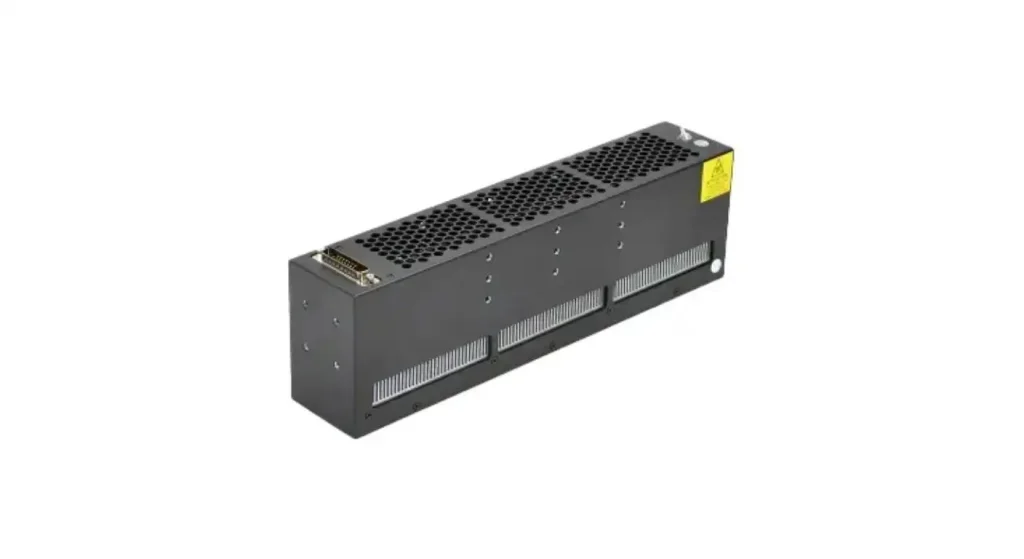
Spot curing lights focus the exposure on a small adhesive seam. The curing lights are linear with a long section to be illuminated or flood with larger parts or multiple smaller parts.
The selection of the wrong geometry will lead to the waste of UV energy or to areas which are not sufficiently UV exposed.
For instance, a small spot source might need to be relocated if curing a large coating. A flood light might not be as efficient if it is only a very small joint that needs to be exposed.
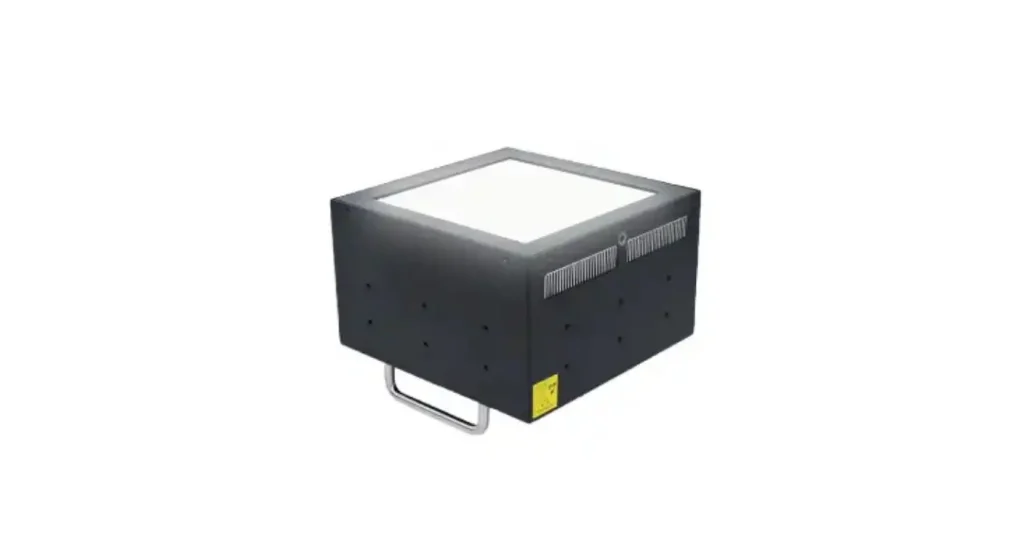
If more exposure is needed, then UVET's UV LED Flood Curing Device offers a 150 × 150 mm irradiation area.
Correct light-source geometry should be chosen based on the light-source area, not only on the overall product dimensions, but on the actual adhesive or coating area.
Check the Meaning of UV Intensity Specifications
One of the most common curing-light specifications that are compared is UV intensity, but under certain conditions.
Usually irradiance is found in the unit of mW/cm2 or W/cm2. It is a measure of the optical power that is incident per unit area.
The UVET UVSS-180C series lists 1,500 mW/cm² at 365 nm and 1,800 mW/cm² for its 385 nm, 395 nm and 405 nm versions.
These figures are provided for comparison of the different models, but buyers should check the distance of measurement and test conditions.
The working distance can vary and thus the irradiance and the distribution on the workpiece.
It is important, therefore, that a feasible equipment evaluation consider usable intensity at the actual curing location and not just the highest intensity advertised.
| Specification | What to Confirm | Evidence to Request |
| UV wavelength | Material compatibility | Adhesive curing recommendation |
| Rated irradiance | Measurement conditions | Technical data sheet |
| Working distance | Usable output at installation | Distance-based measurement |
| Irradiation uniformity | Minimum output across target area | Irradiance map |
| Cooling performance | Continuous operating suitability | Cooling requirements |
| Operating control | Machine interface compatibility | Control documentation |
Compare the Wavelength to the Material
UV LED curing lights commonly operate at 365 nm, 385 nm, 395 nm or 405 nm.
Depending on the photoinitiator system and material's optical properties, each wavelength can yield different results.
Different types of adhesives (clear or pigmented coatings and thicker resin layers) may react differently to the same light source.
A wavelength which is effective with one adhesive may not necessarily be appropriate for another.
Be sure to ask for the recommended wavelength and curing conditions from the material supplier prior to selecting equipment.
Surface cure and adhesion and sufficient curing through the thickness of the selected material should be ascertained by practical trials.
Determine Irradiation Area and Working Distance
The nominal area of irradiation of a curing light does not equate to even distribution of light over the entire area.
The UV distribution is a function of optical design, installation distance and geometry of the workpiece.
The minimum irradiance to be achieved in the area of interest for curing may be more significant than the peak irradiance at the center of the curing area for flood curing applications.
Regions that are close to an irradiation field edge may be exposed to varying doses than the central regions.
If more than one component is cured in the same process, the spacing and orientation of the components will also be considered.
Engineers need to document the light distribution at the intended working distance and ensure all critical curing locations are exposed to the right amount of light.
Read Cooling and Installation Requirements
High-output UV LED lights produce heat in the semiconductor assemblies and/or supporting electronics.
Adopting the correct cooling method contributes to the maintenance of the operating conditions and to the steady production.
For small and medium size curing equipment fan-cooled designs are used. For more demanding installations, thermal load and machine requirements may be taken into account when considering water cooling.
The UVSS-180C is fan cooled and can be used as a stand-alone system or integrated into an automated production system.
If the installation area is wide, UVET can also provide you with a UV LED Flood Curing System with a different irradiation area.
Prior to installation check for mounting space, airflow clearance, electrical connections, protective guarding and accessibility for maintenance.
Test Curing Light with Production Samples.
Laboratory specifications are helpful, however they cannot be a replacement for application testing.
An actual adhesive/coating should be used in a practical trial along with actual material thickness and curing distance, and actual substrate.
Both the minimum acceptable exposure time and conditions for consistent production should be included in the evaluation.
Test mechanical strength and view the curing state of hidden and thicker adhesive regions for bonded assemblies.
When applying a coating, check the surface, adhesion, and make sure of any specific performance test requirements.
Test samples repeated at various locations in the irradiation site may show a difference that may not be apparent when tested in a single location.
For other applications with different footprints of the curing-area, another configuration of the light-source is given in the example of the UV LED Flood Curing Lamp from UVET.
Evaluate LTOR
The cost of the initial purchase isn't the only operating cost of a curing light.
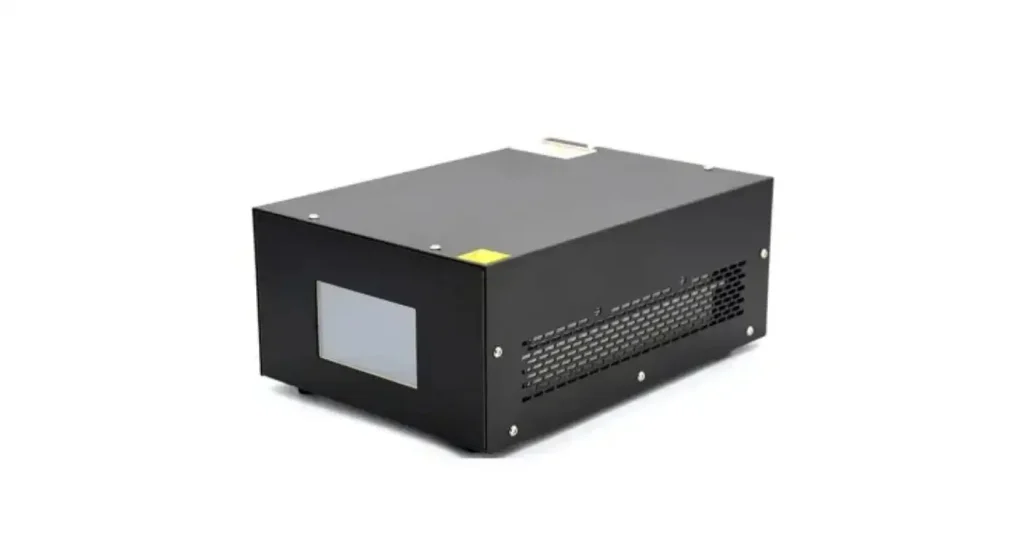
Stability of UV output, effective cooling, optical cleanliness, replacement components are all factors which influence long-term performance.
The Buyer should ask for operating instructions, technical drawings, maintenance and available performance measurements.
In automated production, check the switching of the light and how this is monitored and synchronised with the machine cycle.
A controlled production trial can show if the equipment is able to achieve acceptable curing results the required number of times.
If these settings are agreed and recorded, operators will be aware of when the light output or material or working distance has changed and needs to be checked.
| Trial Item | Test Method | Acceptance Focus |
| Surface curing | Tack or surface inspection | Meets material specification |
| Bond strength | Suitable mechanical test | Required joint performance |
| Cure consistency | Compare multiple positions | Acceptable variation |
| Substrate temperature | Temperature measurement | Within approved limits |
| Repeat operation | Multiple curing cycles | Stable curing results |
| Production compatibility | Pilot production trial | Meets cycle-time target |
Conclusion
When selecting a UV LED curing light, it is necessary to choose the light sources with a combination of wavelength, usable irradiance, irradiation coverage and equipment integration.
The maximum intensity indicated may not be the most suitable for all materials or workpieces.
Manufacturers can certify a curing light to have technical specifications and test samples under the conditions of real production to ensure that the light has stable quality and normal use.
FAQs
Q1. The UV LED curing light is used to cure what?
It uses to cure compatible UV sensitive adhesives, coatings, inks and resins. They are used for common applications such as electronic assembly, optical bonding and industrial manufacturing.
Q2. What is the UV LED wavelength to use?
Common choices include 365 nm, 385 nm, 395 nm and 405 nm. Correct wavelength will depend on the photoinitiators utilized in the material and the recommended curing conditions.
Q3. More UV does not necessarily mean better?
No, there are other factors involved with curing: Exposure time, wavelength compatibility, irradiation uniformity and material thickness are all important factors.
Q4. What is the difference between a flood cure and a spot cure light?
The flood curing lights are used to light larger surfaces or several parts at a time. Spot curing lights focus light on smaller more localized bonding areas.
Q5. What are buyers' verification points for ordering a UV LED curing light?
Verify the wavelength, working-distance irradiance, irradiation coverage, cooling and installation requirement and sample curing performance.


