
What Is High Intensity UV Radiation?
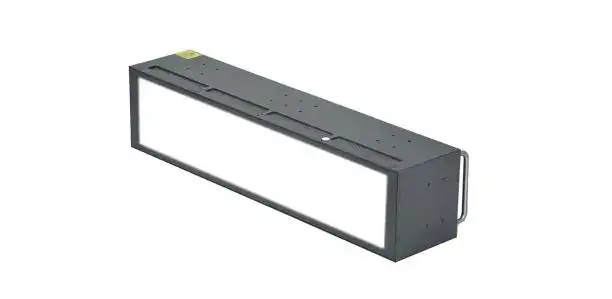
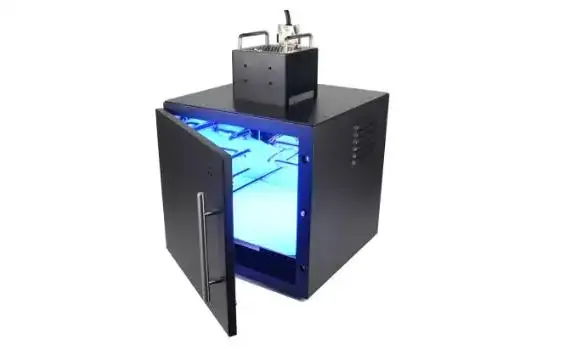
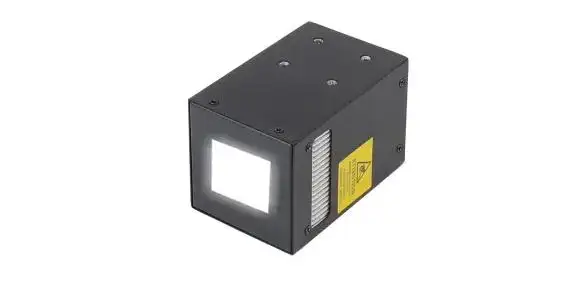
Scientifically, high intensity UV radiation is the UV-A, UV-B, or UV-C UV light with high photon energy. The UV-C band is typically used in the most powerful applications.
The most important technical parameters are:
•UV wavelength of radiation between 100–400 nm
•Intensity of UV-C band to be sterilized (200280 nm).
•UV photon flux, which is the rate of photon emission.
•Radiometric UV intensity, in mW/cm 2.
•Spectral UV power distribution, which characterizes energy distribution.
This renders UV a controlled system of electromagnetic UV radiation, not merely light.
High Intensity UV: Industrial Precision and Sterilization
High intensity UV is intensive ultraviolet radiation used in industrial, scientific, and medical purposes. It provides high-energy output of ultraviolet light that can be used to power photochemical reactions, sterilization, and curing processes with high efficiency.
- UV light is no longer a laboratory concept in modern industries. It has emerged as a pillar of manufacturing, sterilization of healthcare, and surface engineering. This technology is defining cleaner, faster, and more precise processes, starting with industrial UV light systems and down to compact UV high intensity lamps.
- It is so popular for a simple reason. It provides a controlled UV irradiance level, which implies that energy can be precisely applied where it is required without mechanical contact.
The mechanism of action of the High Intensity UV Technology
The system is fundamentally based on photonic transfer of UV energy. Upon hitting a surface, the UV photons break molecular bonds and cause chemical or biological reactions.
This is meticulously designed in industrial systems by:
•Strength control of UV emission.
•UV dose concentration adjustment
•UV power density control optical.
•Calibration of high-intensity definition of UV irradiance.
As an illustration, microbial DNA in sterilization systems absorbs the UV-C photons. This causes microbial inactivation by UV dose, preventing replication. In curing systems, the UV energy causes the polymer chains to harden quickly to create strong coatings.
High Intensity UV Systems in Industry
The high intensity UV technology is very popular in industries because it is precise and fast.
1. UV Curing and Coating Systems
UV curing energy intensity is important in manufacturing. It is used in:
•Polymerization of the UV coating process.
•Printing inks curing
•Adhesive hardening
•Electronics encapsulation
An intense UV curing system is used to provide rapid processing without heat damage.
2. Industrial Sterilization Systems
Industrial UV sterilization high intensity systems are used in hospitals and factories to provide safe environments.
Applications include:
•Surface sterilization with UV light
•UV dosage of medical sterilization.
•UV purification of air.
•UV intensity control of water purification.
Such systems guarantee high-output UV disinfection systems to be efficient against bacteria and viruses.
3. Water and Air Cleaning
In environmental engineering, high intensity UV for sterilization is used to eliminate microorganisms without chemicals.
Key benefits:
•Chemical-free purification
•No residue was left behind.
•Continuous operation systems
This is done through controlled UV sterilization levels of energy and exposure time.
High Intensity UV LED vs Traditional UV Lamp
Replacement of traditional lamps by LED systems is one of the largest technological changes.
Traditional UV Lamps
•High heat generation
•Mercury-based systems
•Slower startup time
•Fixed intensity output
Intense UV LED Systems.
•Instant on/off control
•Lower energy consumption
•Long lifespan
•Accurate LED UV intensity.
The UV LED systems that are currently in use are more efficient and safe, hence are commonly used in compact industrial systems.
UV Intensity Measurement and Technical Control
Knowledge of the units of measurement of UV intensity is crucial in engineering.
Common units include:
- mW/cm² for irradiance
- J/cm² for UV dose
- W/m 2 of radiometric output.
Engineers measure:
•UV irradiance level
•Optical UV power density
•UV photon flux
•Spectral UV power distribution
This guarantees uniform performance in industrial systems.
Intensive UV in the Contemporary Production
UV technology is important in industries to provide precision in processes.
Manufacturing Uses:
•Curing of UV exposure of resin in electronics.
•UV coating surface treatment
•UV energy in photochemical reactions in materials processing.
•Mass production industrial UV irradiation systems.
Speed is the most important benefit. What used to require minutes or hours would now require seconds.
Exposure Control and Safety Standards
Although UV technology is potent, the issue of safety is of paramount importance.
The main safety considerations are:
•Exposure to UV radiation reduces compliance.
Photobiological UV safety standards.
•UV protection of the eyes and skin.
•Guidelines on occupational UV exposure.
•UV radiation protection in work areas.
The high-intensity systems should always be such that the exposure is controlled to prevent the dangerous levels of UV intensity.
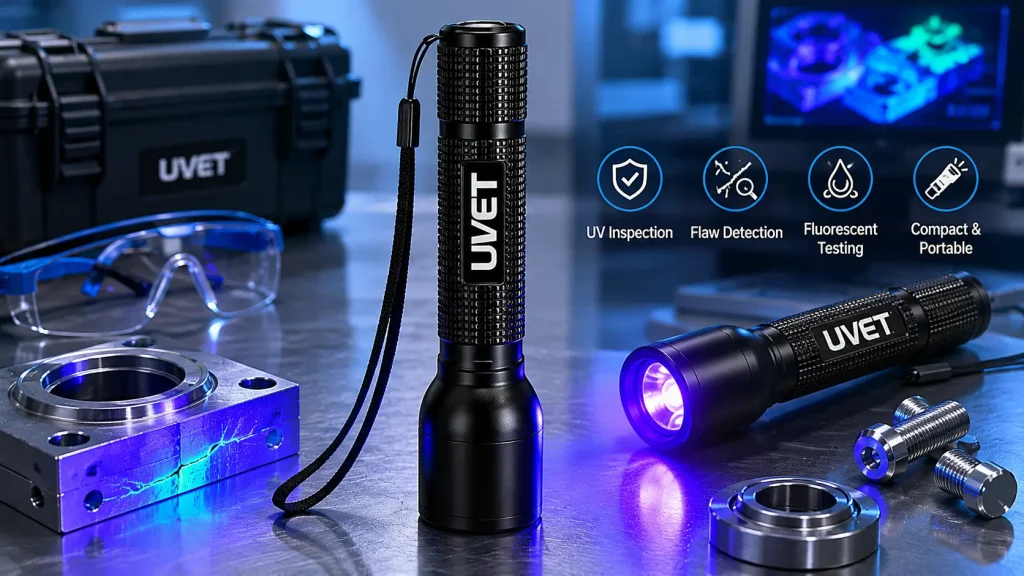
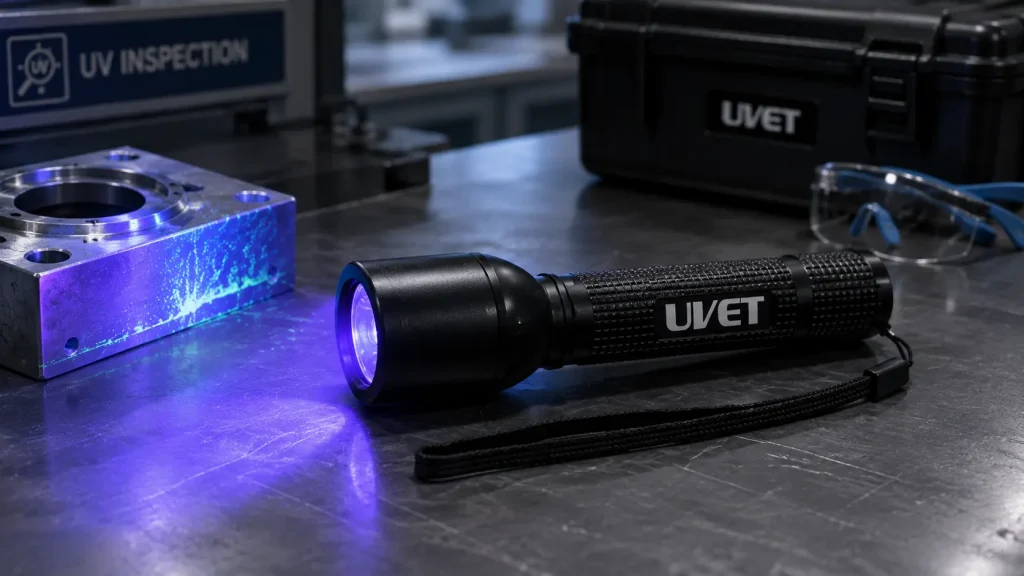
UV LED Inspection Lamp in the industry.
In industries where precision inspection is required, portable UV tools are used. The UV LED inspection lamp is one of the developed solutions that are used to conduct non-destructive testing and surface inspection.
Key Benefits:
•Strong UV light production to enhance inspection.
•Ergonomic and portable.
•Stable wavelength control
•Good UV emission intensity to detect flaws.
•Best suited to industrial inspection settings.
This product is indicative of the fact that UV LED modules are increasingly becoming a necessity in modern quality control systems.
The reason why industries trust UVNDT Solutions
They are designed to support:
•UV curing systems of high performance.
•Precision inspection tools
•UV equipment that is long-lasting and energy-saving.
With increasing demand for automation, UVNDT solutions provide stability and technical accuracy.
Advantages of High Intensity UV Technology
The development of UV technology is supported by obvious benefits:
•Fast processing speed
•Great accuracy in energy regulation.
•Chemical-free sterilization
•Reduced operational cost
•Improved product quality
•Good UV disinfection performance.
These advantages necessitate its use in healthcare, manufacturing, and environmental systems.
Conclusion:
High intensity UV is more than light; it is precision energy shaping modern industry. Its contribution is growing at an alarming rate with safer LEDs and smarter systems, whether it be sterilization, curing, or inspection. Knowing its science can enable industries to unlock quicker production, cleaner surroundings, and greater reliability.
Enhance your inspection and curing systems with UVET and feel the true strength of UV light technology to excellence in industries.


