How to Cure Coatings on Plastic Film with UV LED
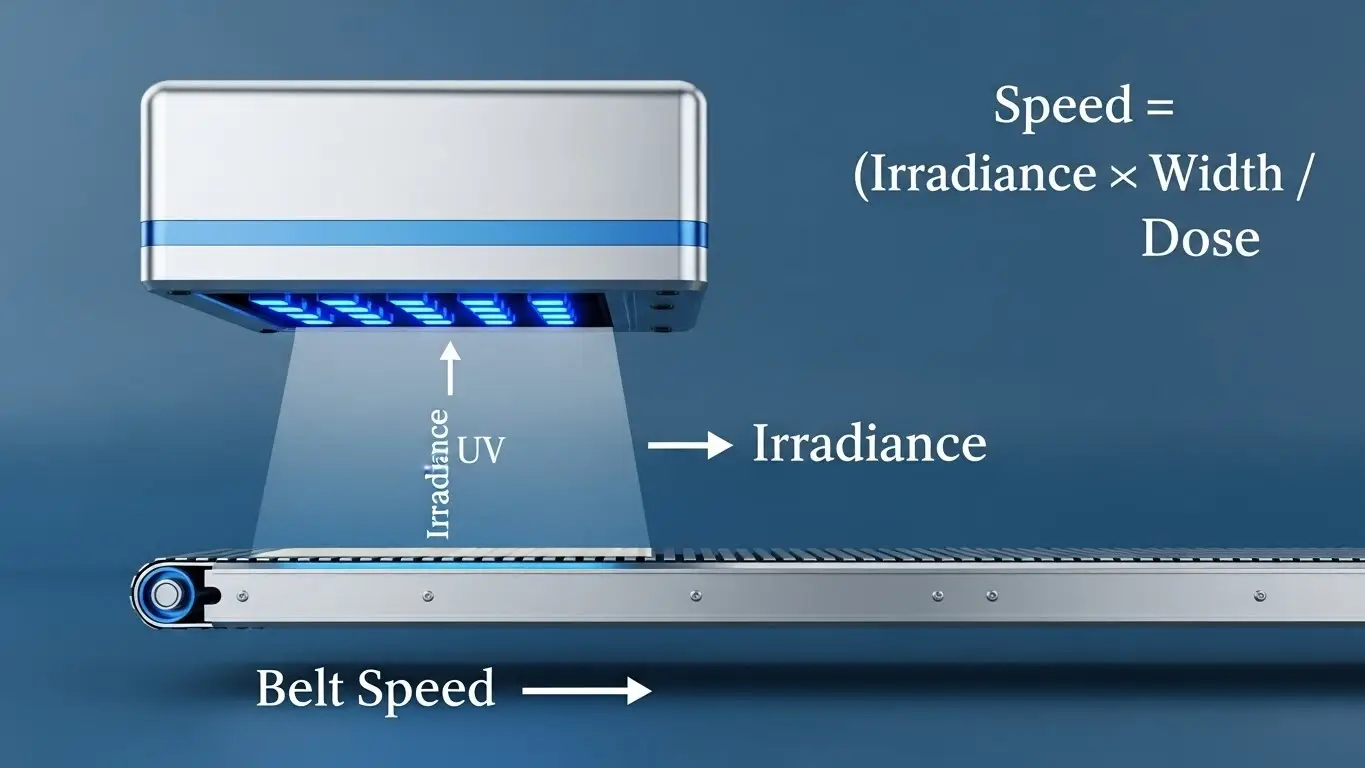
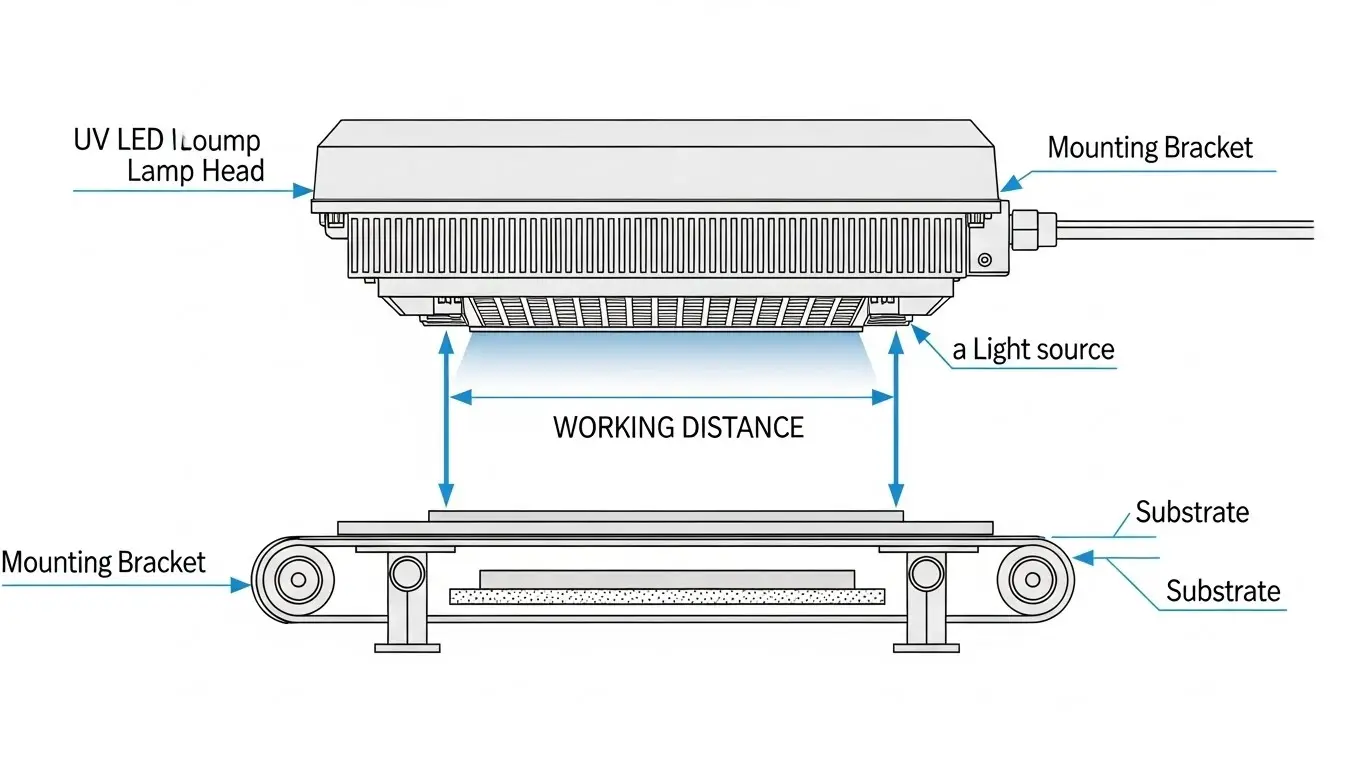
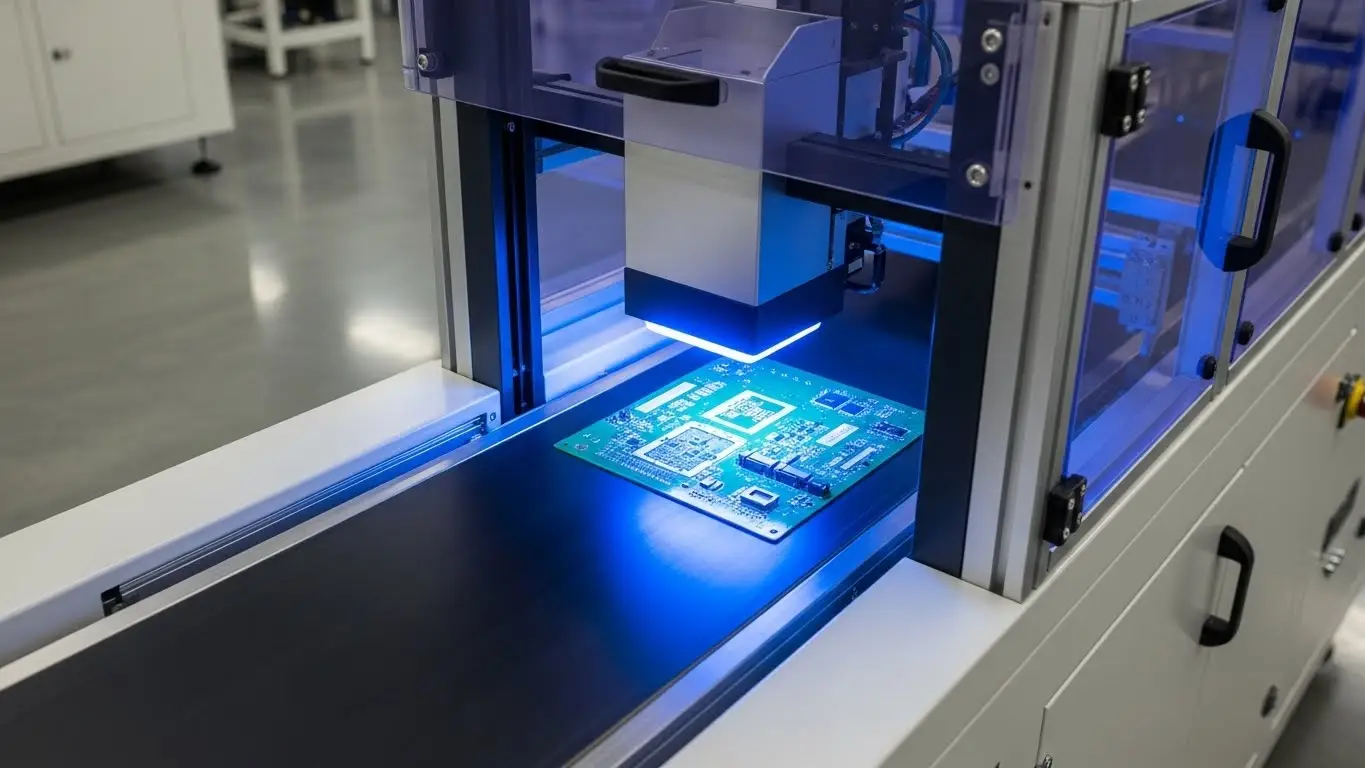
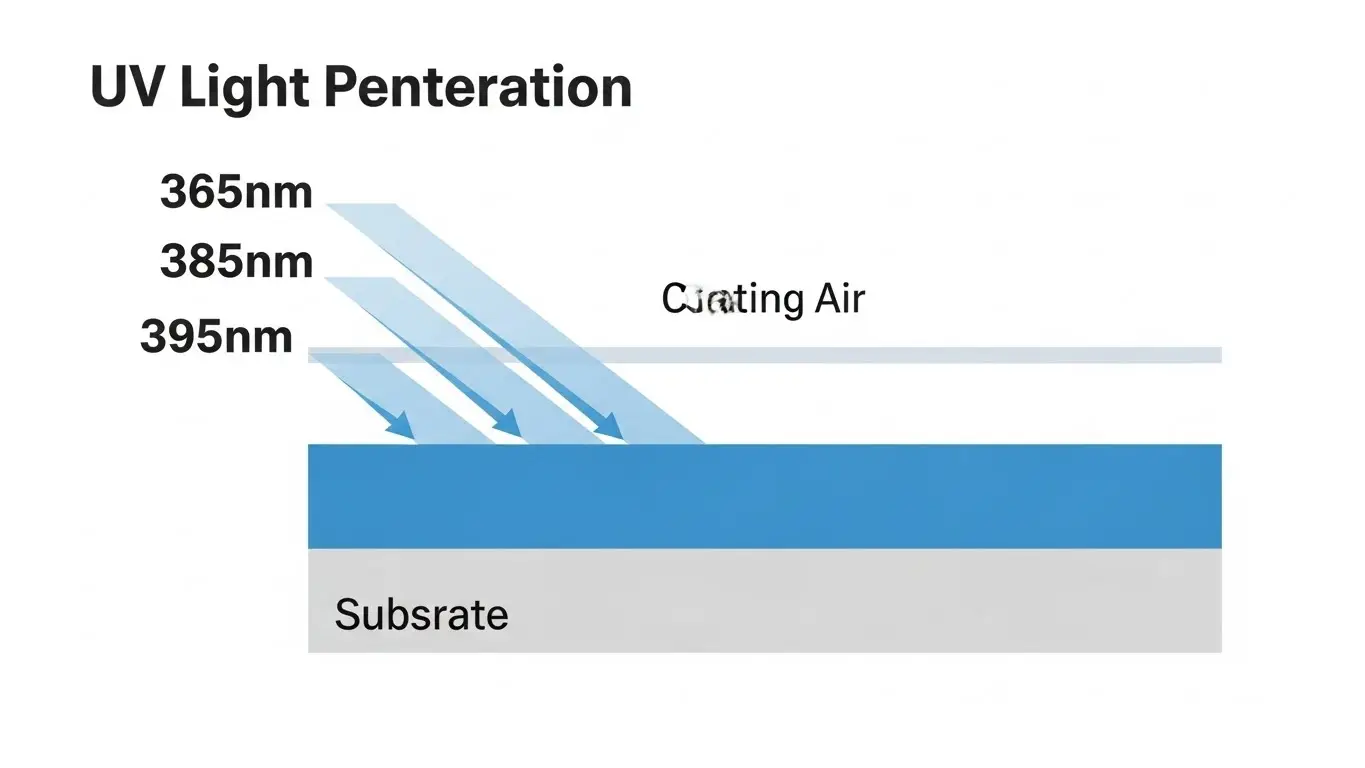
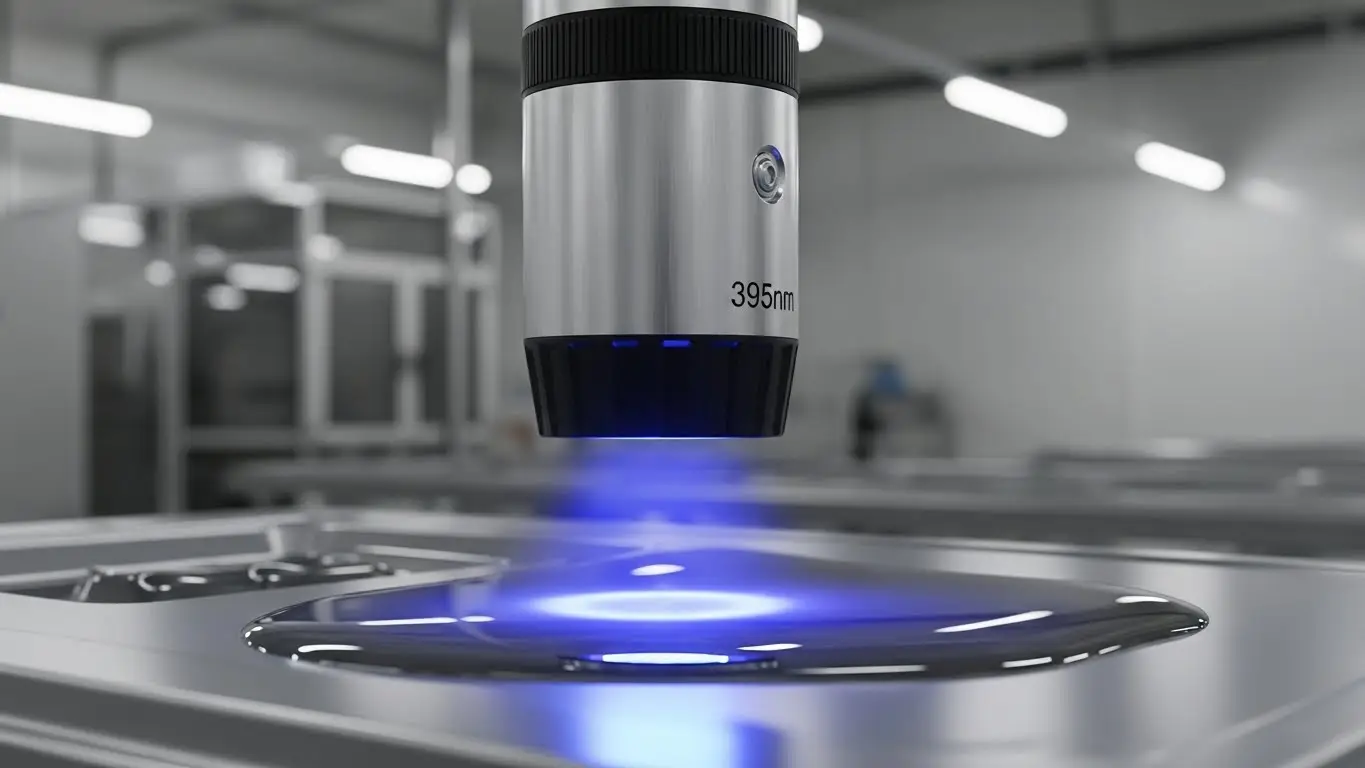
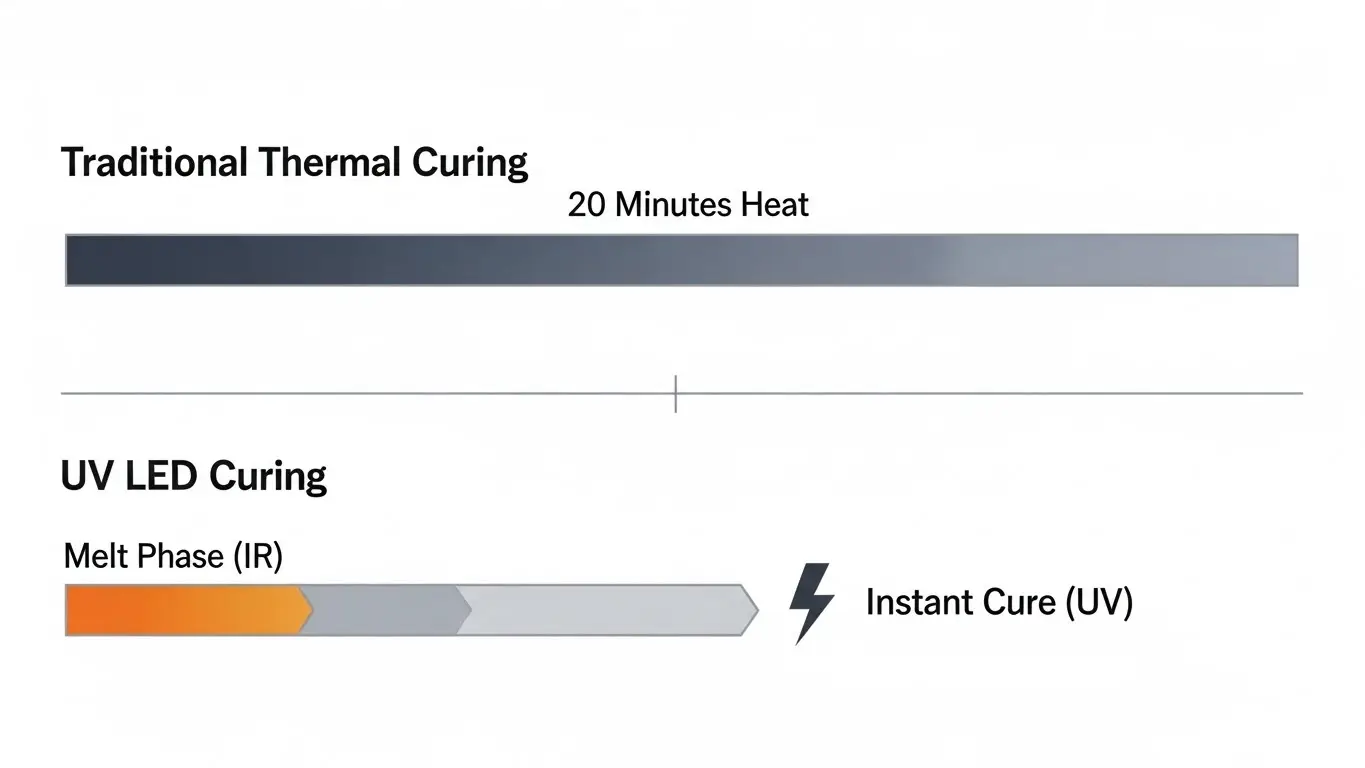
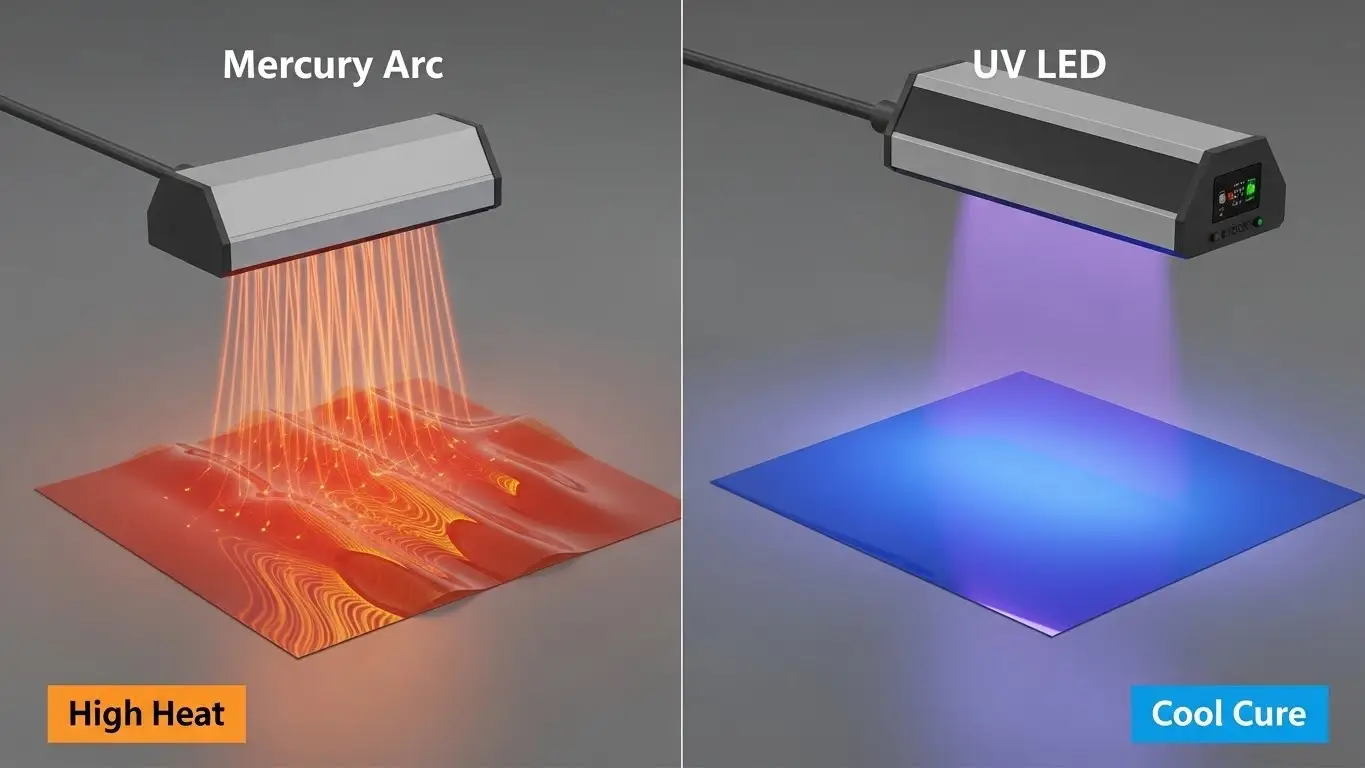
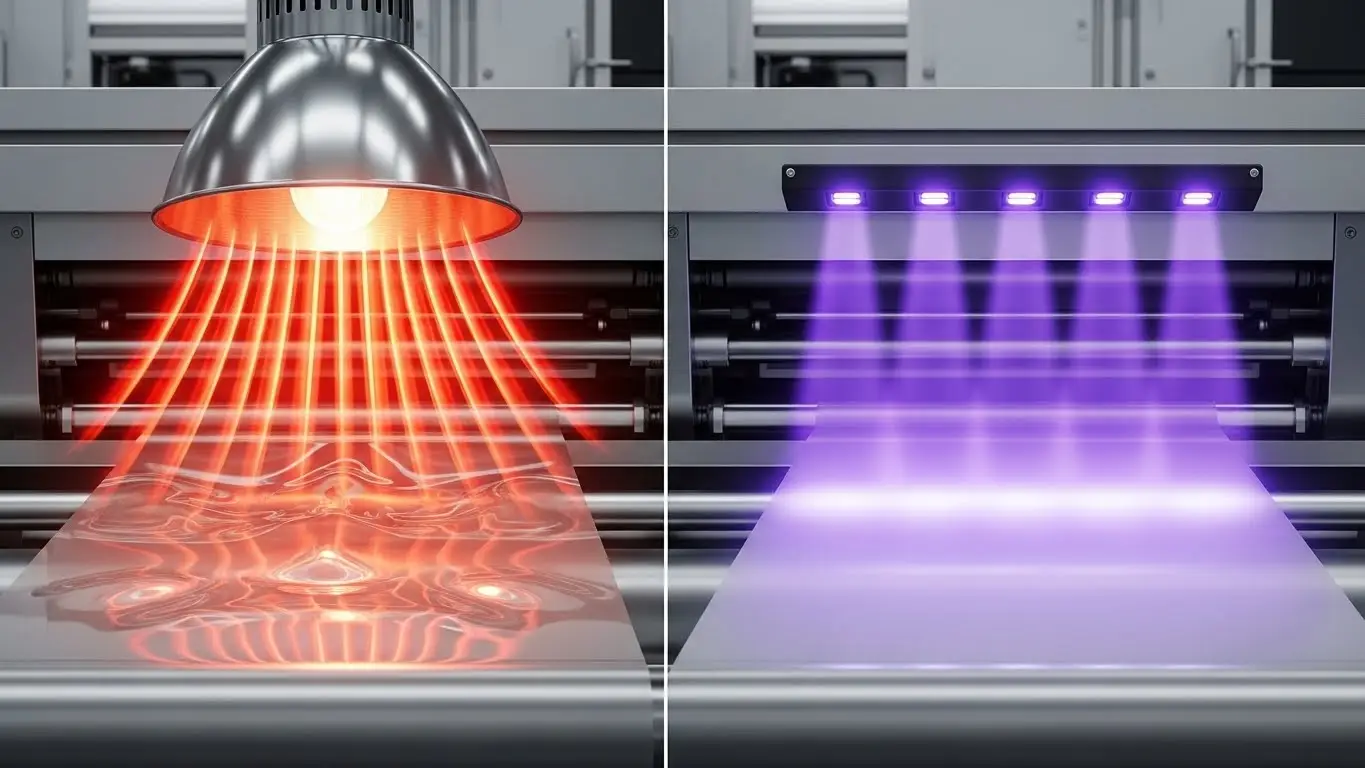
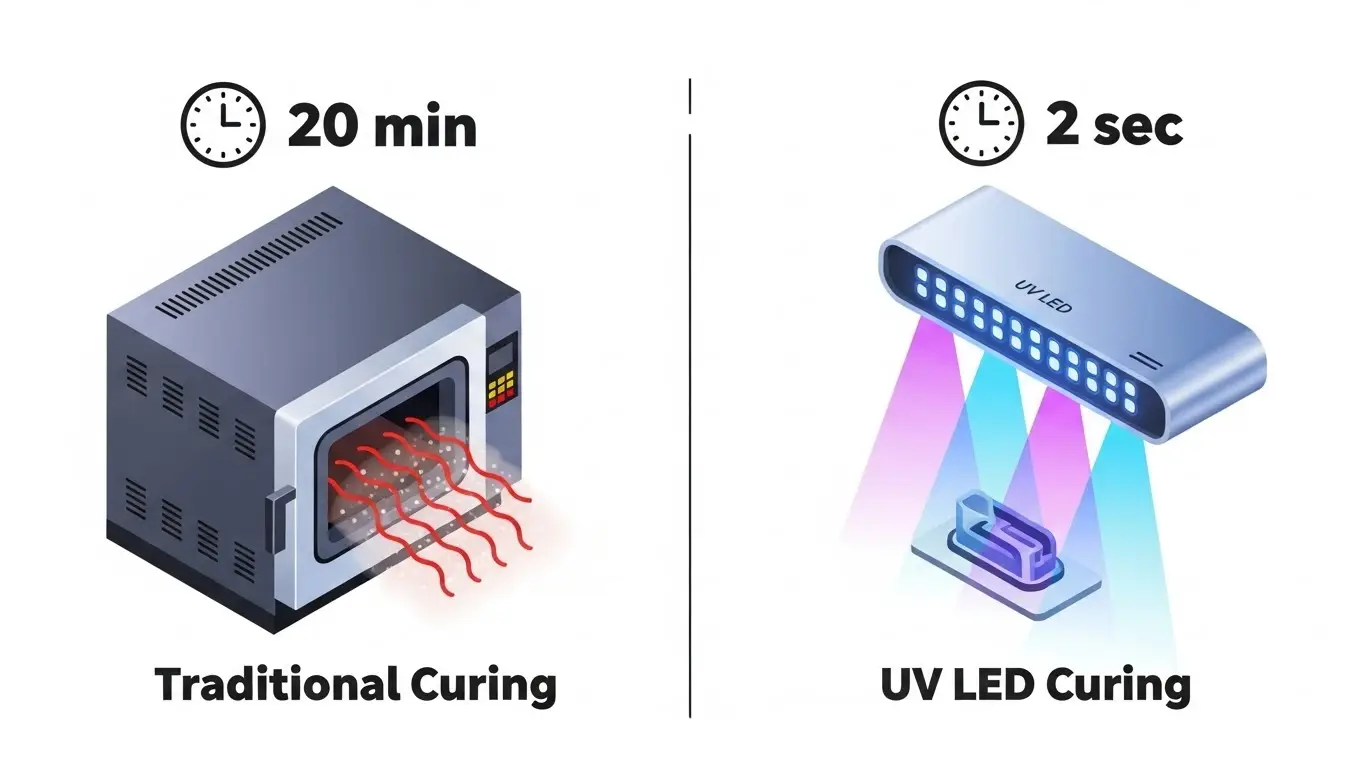
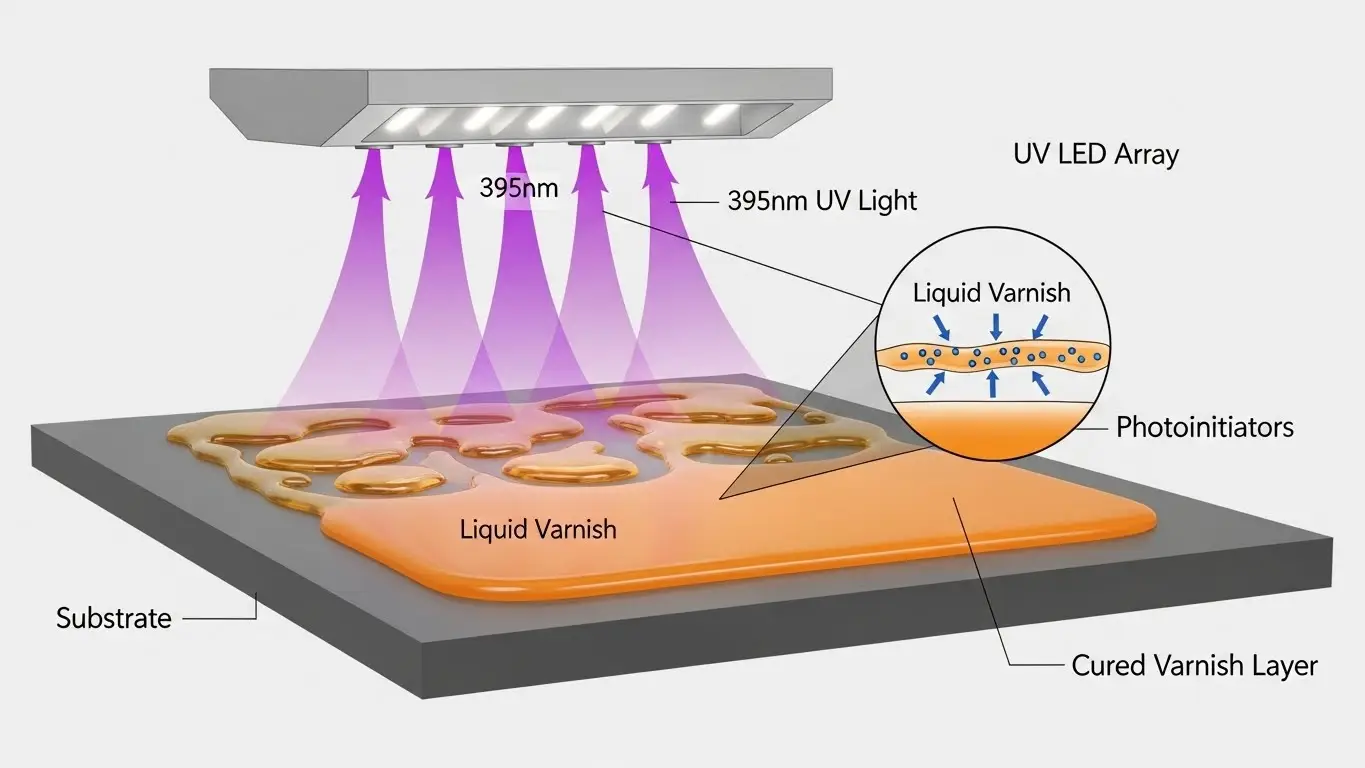
Knowing how to cure coatings on plastic film with UV LED technology is becoming the gold standard for manufacturers who need speed, precision, and energy efficiency without damaging heat-sensitive substrates. In the competitive world of converting and packaging, shifting from traditional mercury lamps or thermal drying to UV LED systems isn't just an upgrade—it's a transformation. By utilizing a "cold" curing process, you can process thinner, more delicate films like PET, BOPP, and PE at higher speeds than ever before. This guide dives deep into the technical nuances, overcoming adhesion challenges, and optimizing your production line for flawless results. What Is UV LED Curing for Plastic Films? UV LED curing for plastic films is a photopolymerization process that uses high-intensity ultraviolet light-emitting diodes to instantly harden liquid coatings, inks, or adhesives on heat-sensitive substrates. Unlike mercury lamps, UV LEDs emit a narrow, monochromatic wavelength (typically 365nm, 385nm, or 395nm) that triggers photoinitiators without generating the damaging infrared heat that warps or shrinks plastic films. The Shift from Thermal to "Cold" Curing For decades, curing coatings on plastic film was a balancing act. You needed enough energy to cross-link the polymer but had to carefully manage the heat to avoid "blocking" ...


(2).png)
