The Comprehensive Guide to High-Power UV LED Curing Systems: Engineering, Application, and Strategic Selection
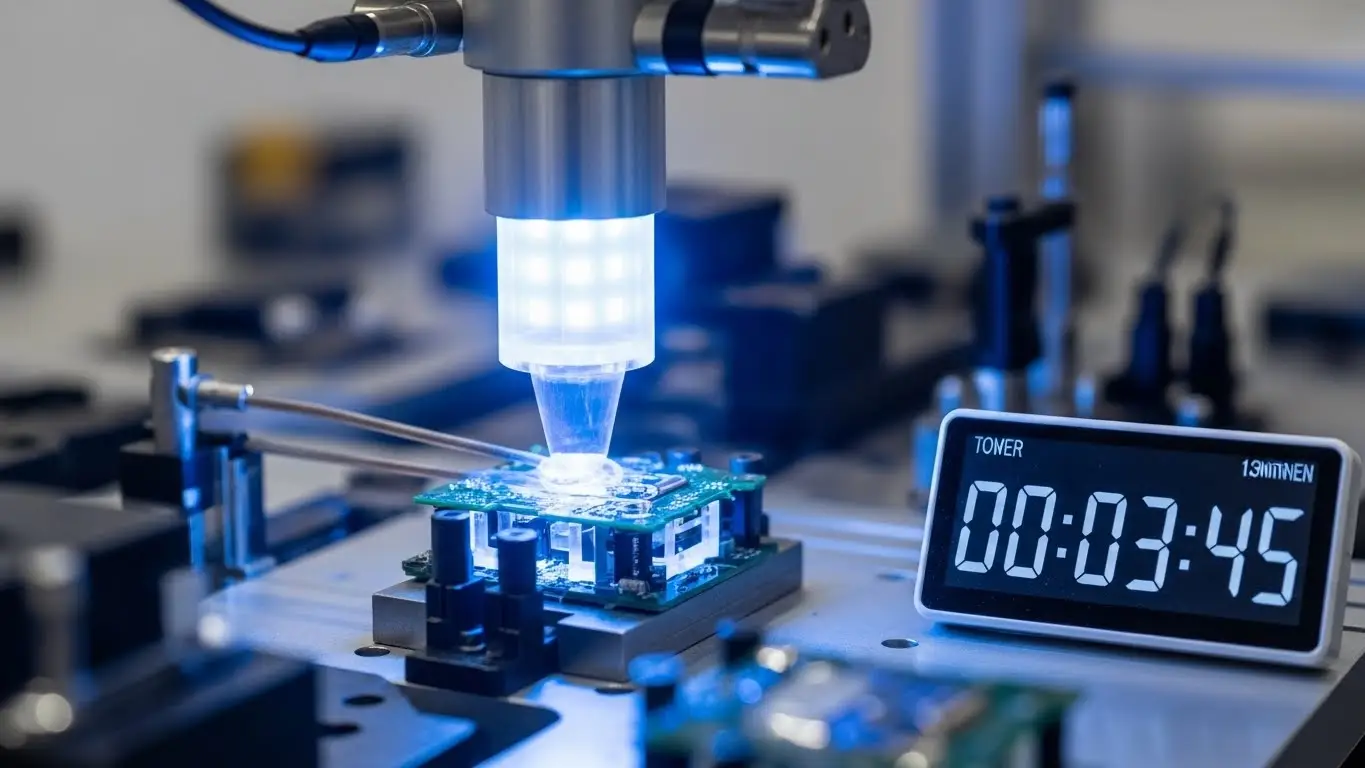
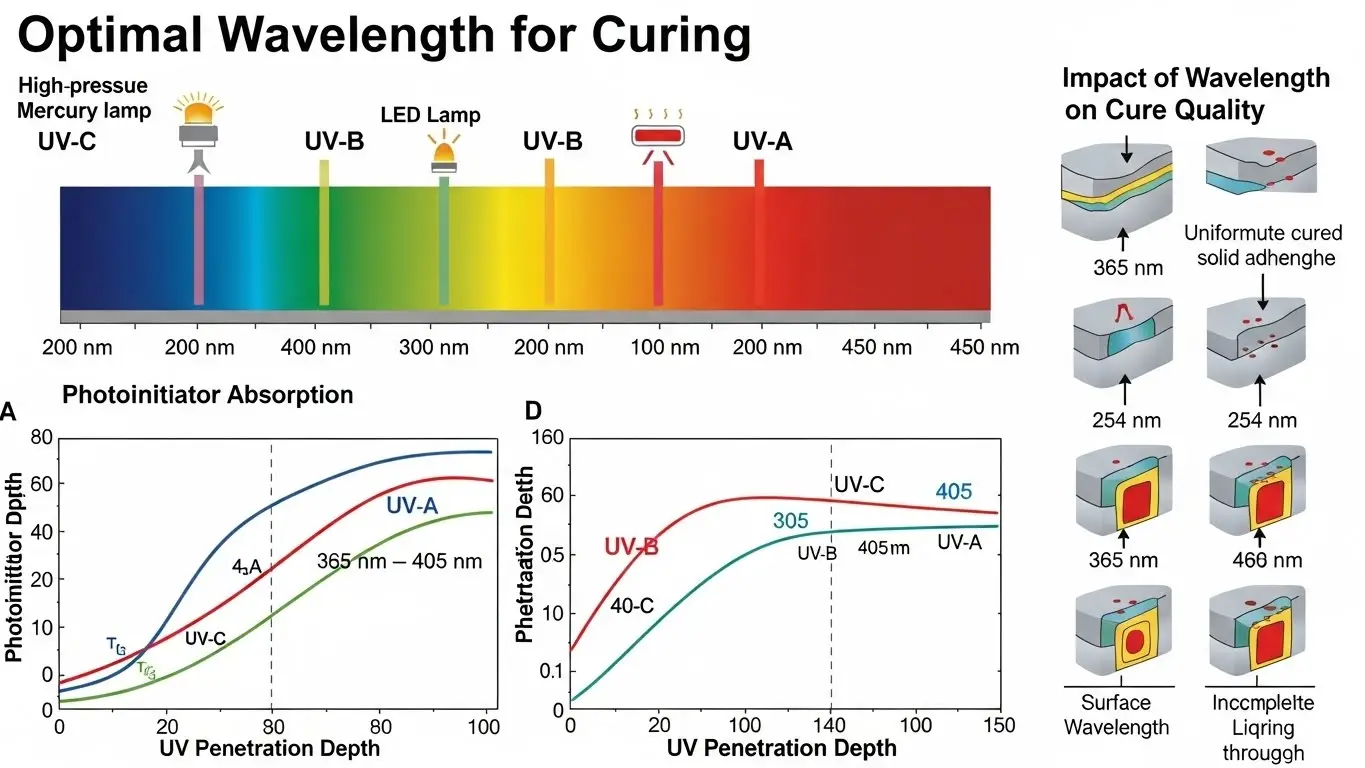
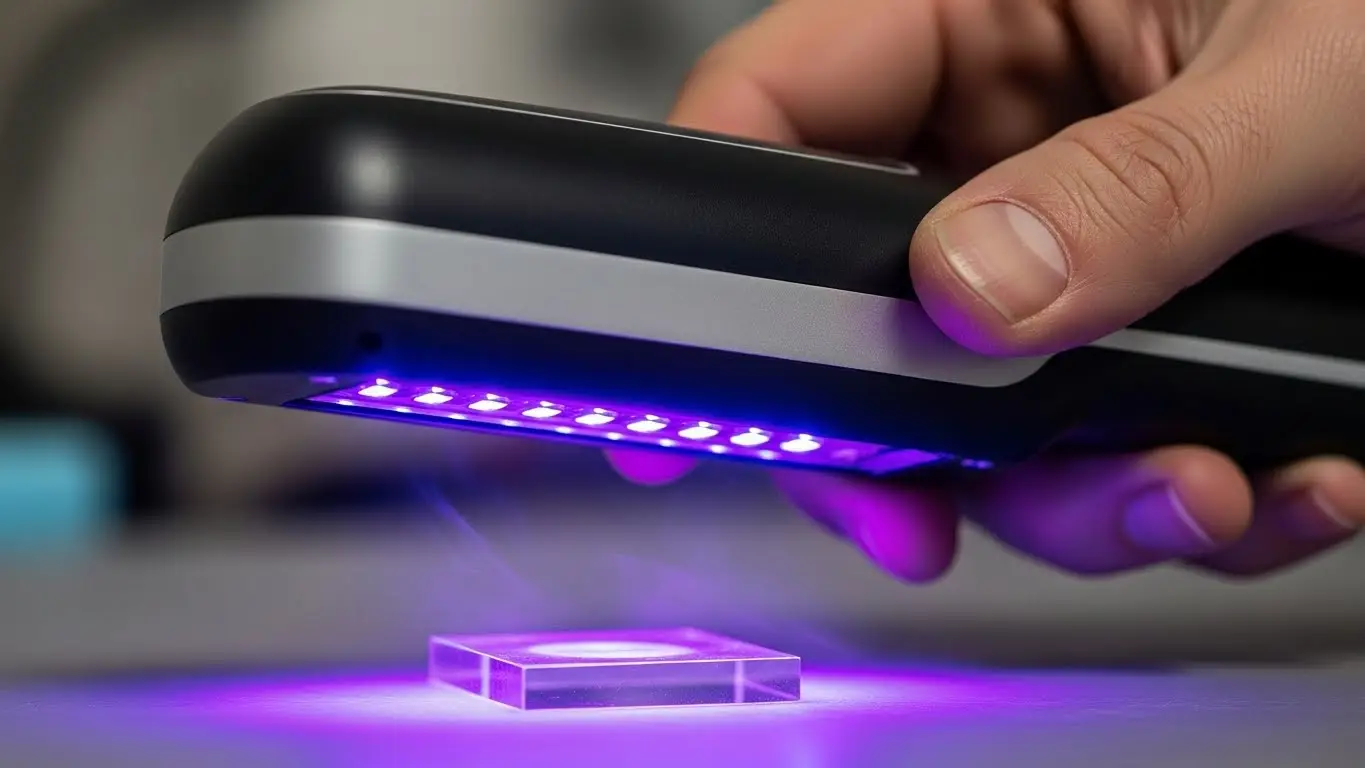
In the landscape of modern industrial manufacturing, the transition from traditional mercury vapor lamps to ultraviolet (UV) light-emitting diode (LED) technology represents one of the most significant shifts in process engineering. While low-power UV LEDs have dominated the consumer and small-scale assembly markets for years, the advent of high-power UV LED curing systems has opened the door to high-speed, high-volume production lines that were previously the sole domain of gas-discharge lamps. This comprehensive guide examines the technical specifications, operational nuances, and real-world applications of high-output UV LED systems. By understanding the intersection of optical physics, thermal management, and polymer chemistry, you can optimize your production line for maximum throughput and structural bond integrity. What Defines a High-Power UV LED Curing System? A high-power UV LED curing system is characterized by elevated UV output and the capability to deliver high intensity over large areas or at high throughput. Unlike the low-power "spot" or "handheld" units used for intermittent manual assembly, high-power systems are engineered for continuous industrial operation. Irradiance Thresholds In technical terms, a system is generally classified as "high power" when its peak irradiance exceeds 12 to 16 $W/cm^2$ at the lamp window. Some state-of-the-art arrays now push into the ...



(1).png)
(2).png)
