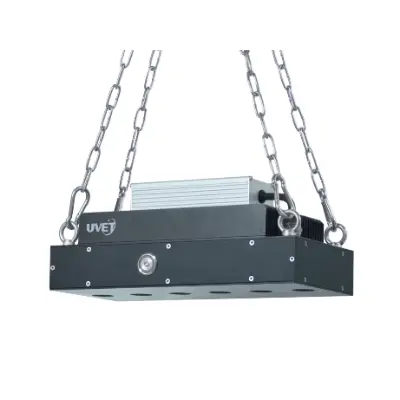
UV LED Area Curing System
- Model: UVSS-480C2
- 365nm
- 385nm
- 395nm
- 405nm
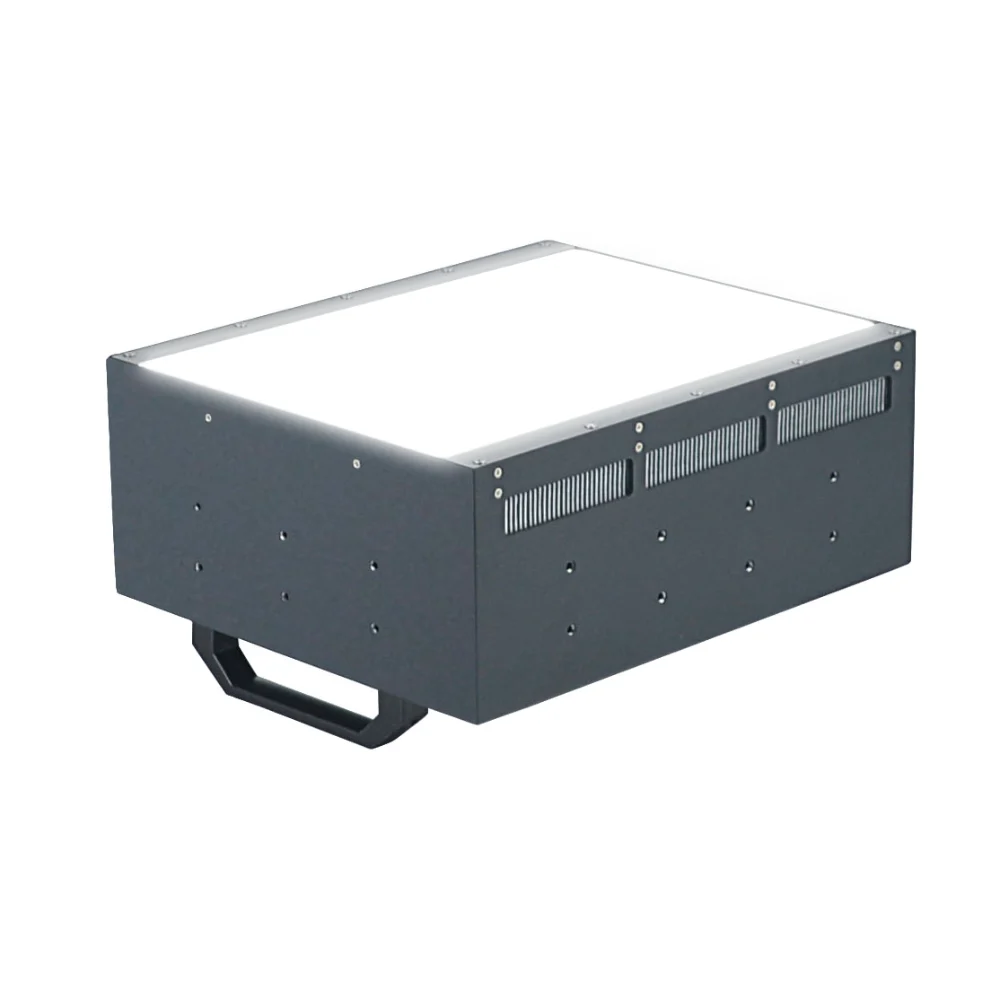
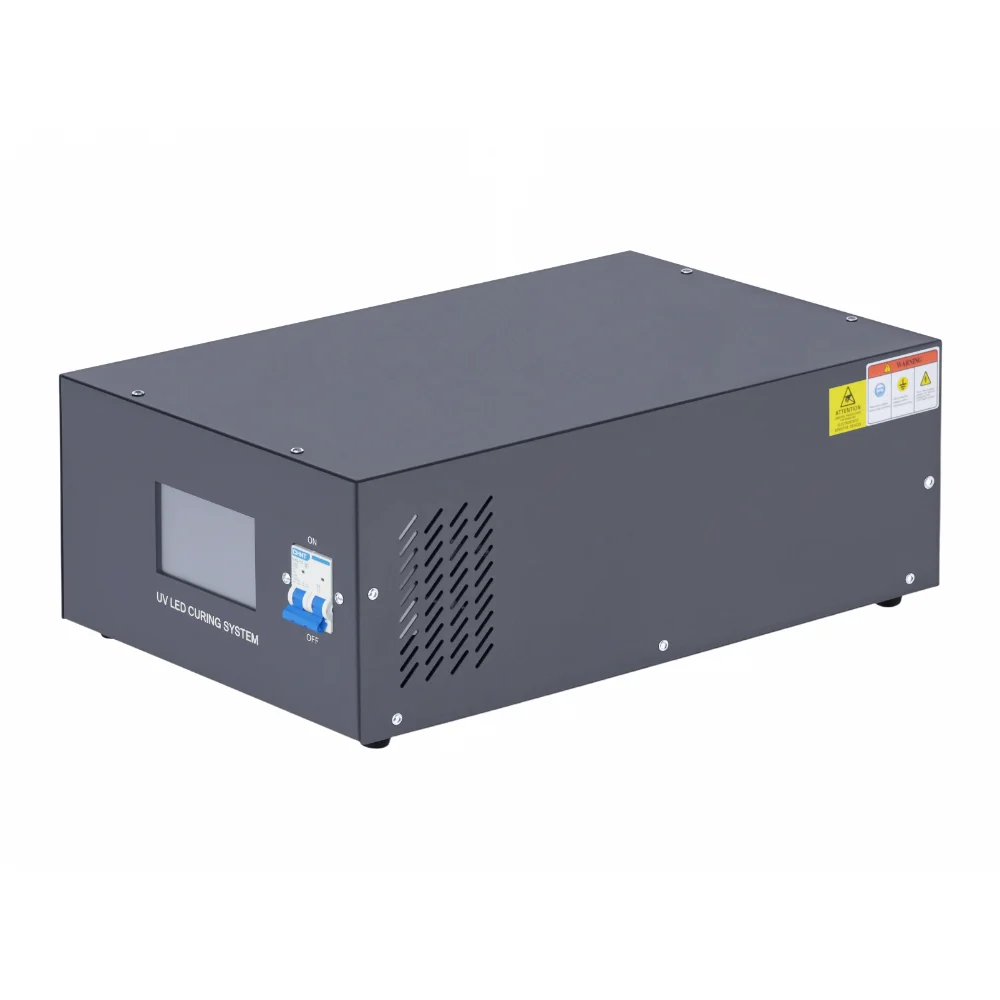
The UV LED Area Curing System is designed for applications that require ultraviolet exposure across a 300 × 200 mm irradiation area. Four models are available at 365, 385, 395, and 405 nm, allowing wavelength selection according to the UV-curable material and process requirements.
The 365 nm version provides a specified intensity of 1500 mW/cm², while the 385 nm, 395 nm, and 405 nm versions provide 1800 mW/cm². Fan cooling supports heat dissipation during operation. This series can be evaluated for industrial adhesive curing, coatings, printing processes, and electronics manufacturing applications.
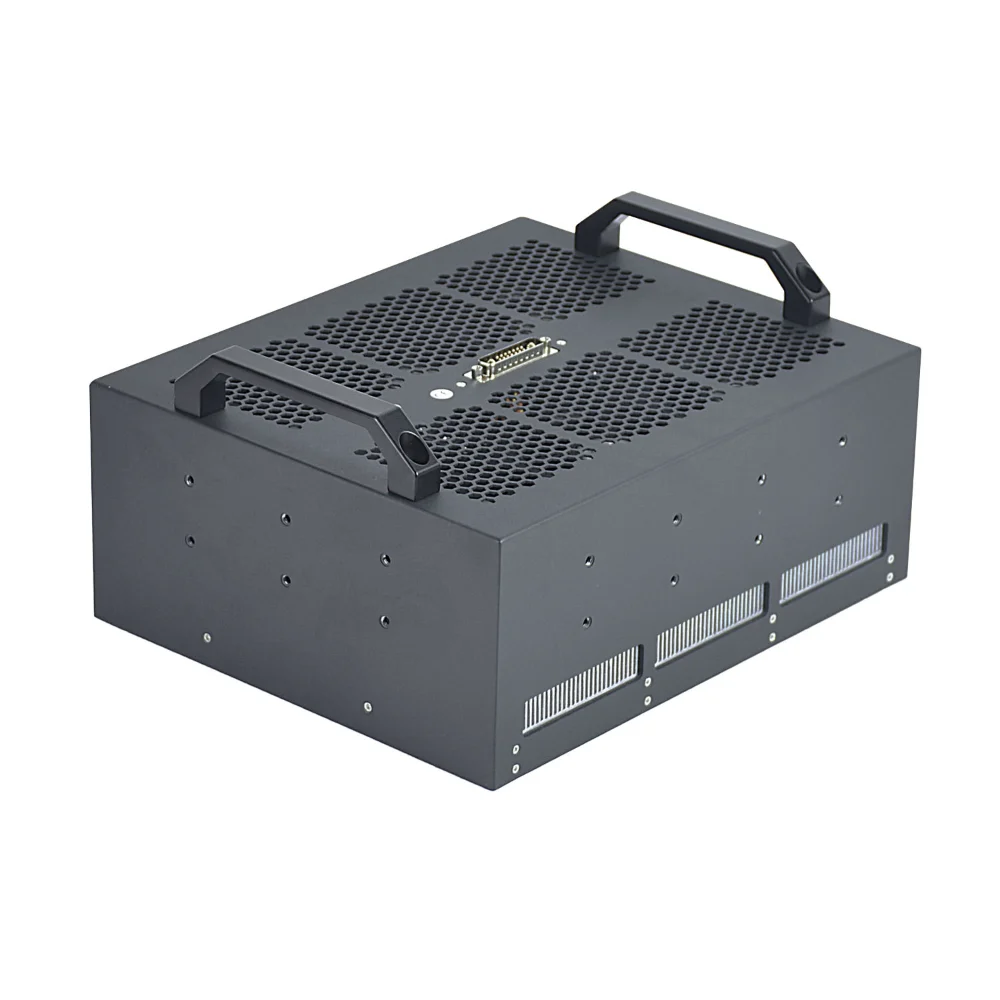


Specifications
| Part No. UVSS-480C2 | Wavelength 365nm, Intensity 1500mW/cm² |
| Part No. UVSE-480C2 | Wavelength 385nm, Intensity 1800mW/cm² |
| Part No. UVSN-480C2 | Wavelength 395nm, Intensity 1800mW/cm² |
| Part No. UVSZ-480C2 | Wavelength 405nm, Intensity 1800mW/cm² |
| Irradiation area | 300 × 200 mm |
| Heat dissipation | Fan Cooling |
-
Descriptions

Designed around a 300 × 200 mm irradiation area, this system provides a defined rectangular exposure region for UV-curable materials.
The larger coverage area can reduce the need to reposition smaller workpieces compared with point-curing equipment, depending on the dimensions and placement of the material.
For production applications, the effective curing area should be assessed together with irradiance uniformity, exposure distance, and the UV material's required energy dose.
Multiple Wavelengths for Different UV-Curable Materials
The UV LED Area Curing System is offered in four wavelength configurations: 365 nm, 385 nm, 395 nm, and 405 nm.
Different UV-curable adhesives, inks, resins, and coatings may require different wavelengths depending on their photoinitiator systems and formulation characteristics.
The availability of multiple wavelength options allows customers to select an appropriate configuration for their material testing and industrial curing processes.
Fan-Cooled Thermal Management
This series adopts fan cooling to dissipate heat generated during operation.
Effective heat management is an important consideration for UV LED equipment, particularly when operating at high irradiance levels.
The fan-cooled configuration provides a forced-air cooling method without requiring a separate water-cooling circuit for the stated system configuration.
Appropriate ventilation clearance and operating conditions should be maintained according to the final installation instructions.
Product Features
- Rectangular Irradiation Coverage: A 300 × 200 mm UV exposure area for compatible industrial curing processes.
- Selectable UV Wavelengths: Four distinct models covering 365–405 nm.
- Model-Specific Irradiance: 1500 mW/cm² at 365 nm and 1800 mW/cm² at 385, 395, and 405 nm.
- Forced-Air Heat Dissipation: Fan cooling for managing heat during operation.
- Defined Model Identification: Separate part numbers simplify wavelength selection and purchasing.
- Application-Oriented Selection: Suitable for evaluation with UV-curable adhesives, coatings, resins, and printing materials.
Advantages of the 300 × 200 mm Curing Configuration
Coverage for Larger Workpieces
The 300 × 200 mm irradiation area provides a practical option for applications involving rectangular components, coated surfaces, or multiple smaller workpieces positioned within the exposure region.
Wavelength Selection Based on Material Requirements
With four available wavelength configurations, the system allows users to consider the absorption characteristics of their UV-curable materials instead of relying on a single wavelength for every process.
Fan Cooling for Equipment Integration
The built-in fan-cooling approach supports thermal management without the plumbing requirements of a liquid-cooled system. Installation should provide sufficient space for airflow.
Clear Specifications for Model Comparison
Each model is identified by its wavelength and corresponding UV intensity, helping purchasing and engineering teams compare configurations during equipment selection.
-
Applications
1. UV Adhesive Curing
The system can be evaluated for curing UV-responsive adhesives used in component assembly, bonding, and manufacturing processes.
Wavelength selection and curing time should be established using the adhesive manufacturer's recommendations and application testing.
2. UV Coating and Resin Processing
The rectangular exposure area is relevant to processes involving UV-curable surface coatings and resin materials.
Production suitability depends on coating thickness, formulation, irradiance distribution, and the required curing dose.
3. Electronics Assembly
UV LED area curing equipment may be used in electronics manufacturing processes involving compatible UV-curable encapsulants, protective materials, and assembly adhesives.
Process validation is particularly important for components that are sensitive to heat or require controlled exposure.
4. Industrial Printing and Surface Finishing
The system can be considered for selected UV-curable inks, printing coatings, and finishing applications where the material's wavelength sensitivity matches the available LED configuration.
For integration into printing equipment, the required production speed, curing distance, and exposure time must be assessed.
5. Material Testing and Process Development
The four available wavelengths provide options for evaluating the curing response of different UV-sensitive materials.
Test results can help determine appropriate wavelength selection and exposure conditions before adopting equipment for production.
-
FAQs
Q1. What is the irradiation area of this UV LED Area Curing System?
The system has a specified irradiation area of 300 × 200 mm. The usable curing area under a particular process should be confirmed by evaluating irradiance uniformity and exposure distance.
Q2. Which wavelengths are available for the 480C2 series?
Four wavelength options are available: UVSS-480C2 at 365 nm, UVSE-480C2 at 385 nm, UVSN-480C2 at 395 nm, and UVSZ-480C2 at 405 nm. Each wavelength corresponds to a separate model.
Q3. What UV intensity does each model provide?
The 365 nm model is specified at 1500 mW/cm². The 385 nm, 395 nm, and 405 nm models are specified at 1800 mW/cm². The measurement conditions and irradiance distribution should be checked in the technical documentation.
Q4. Does the system use air cooling or water cooling?
The listed 480C2 models use fan cooling. Adequate ventilation should be provided during installation, and the manufacturer's operating instructions should be followed to maintain suitable thermal conditions.
Q5. Can this equipment cure UV adhesives, inks, and coatings?
It can be evaluated for these applications when the materials are compatible with the selected wavelength. Actual curing performance depends on the formulation, applied thickness, irradiation distance, exposure time, and required energy dose.
Q6. How do I select the appropriate UV LED Area Curing System model?
Start by checking the UV-curable material's recommended wavelength. Then consider the required irradiation area, exposure distance, target UV dose, and production cycle. Share your material datasheet and application details with the supplier to identify the most appropriate model.
Related Products