
UV or LED Curing Lamp: How to Decide Based on Materials
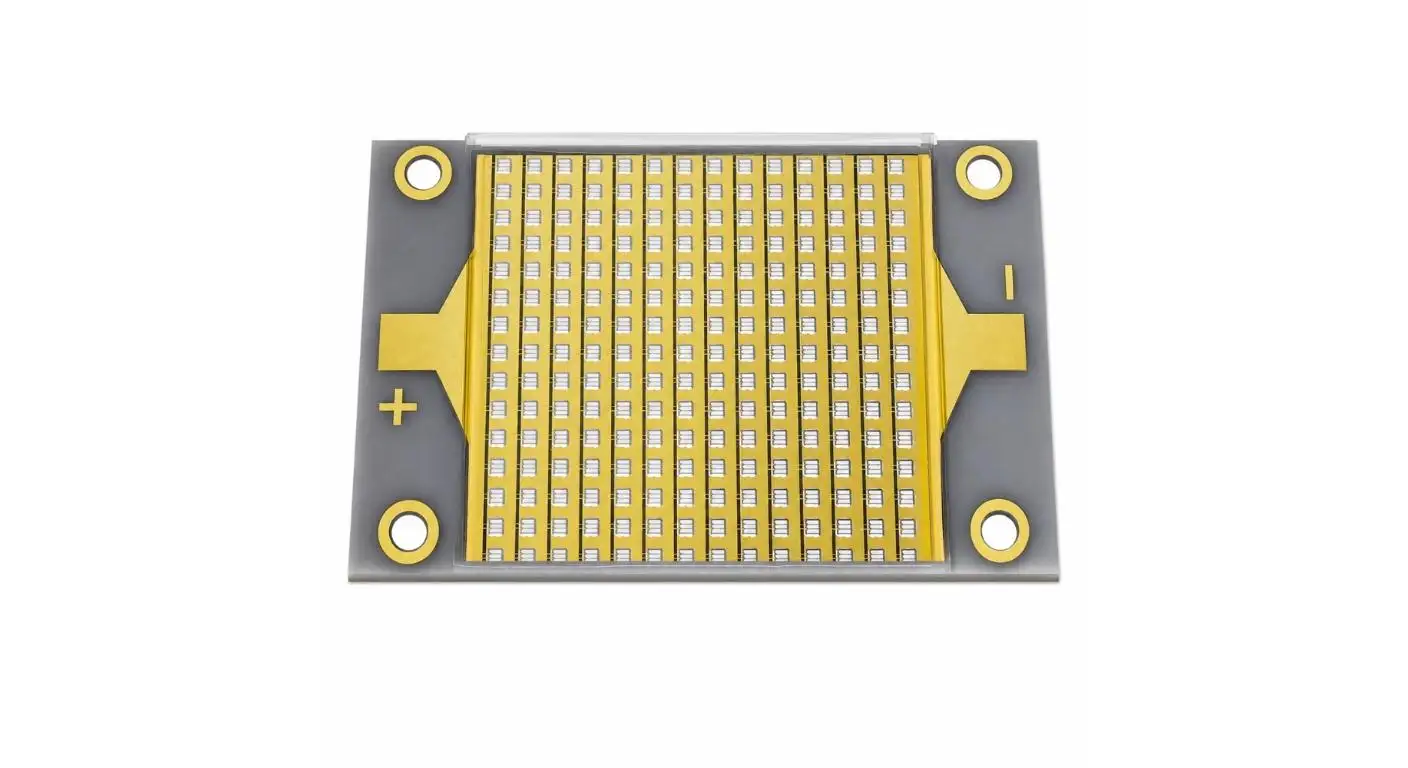
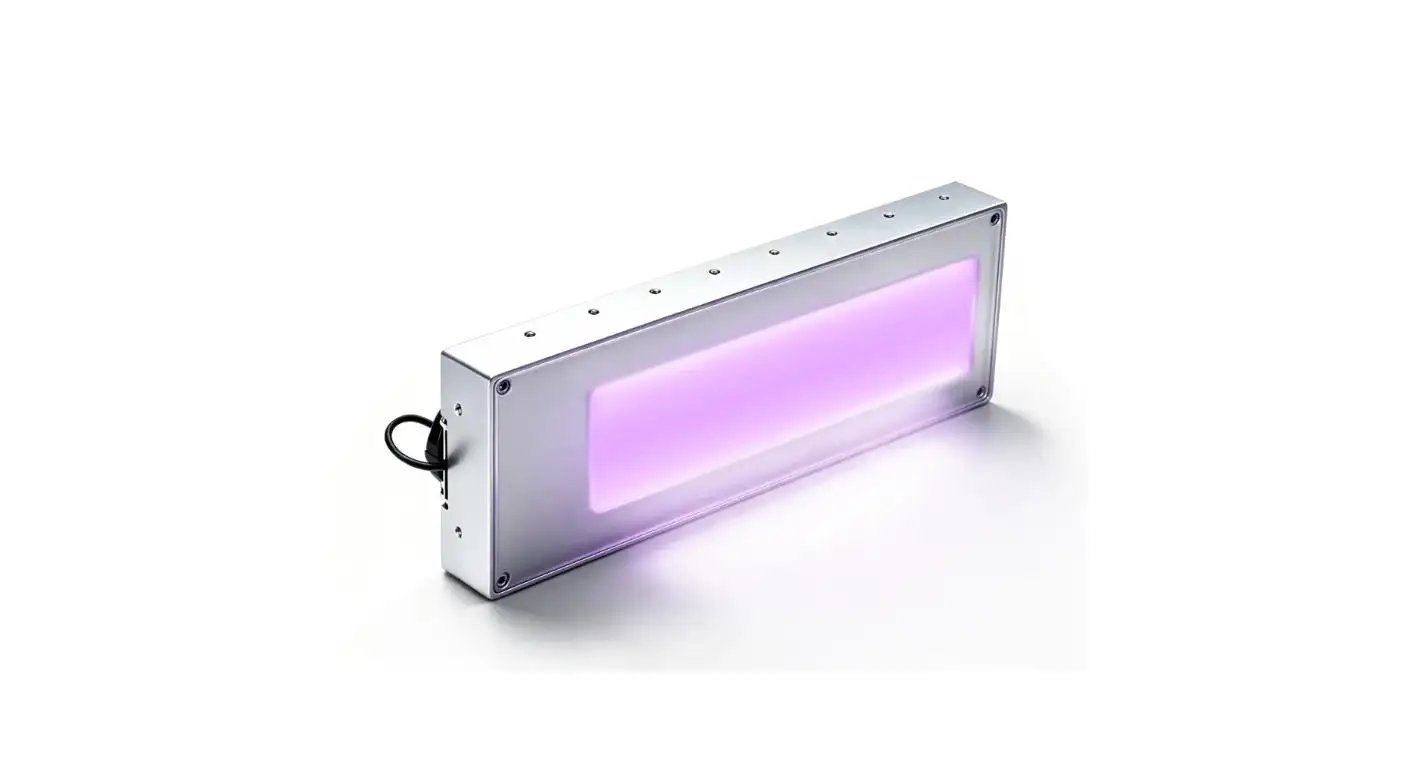
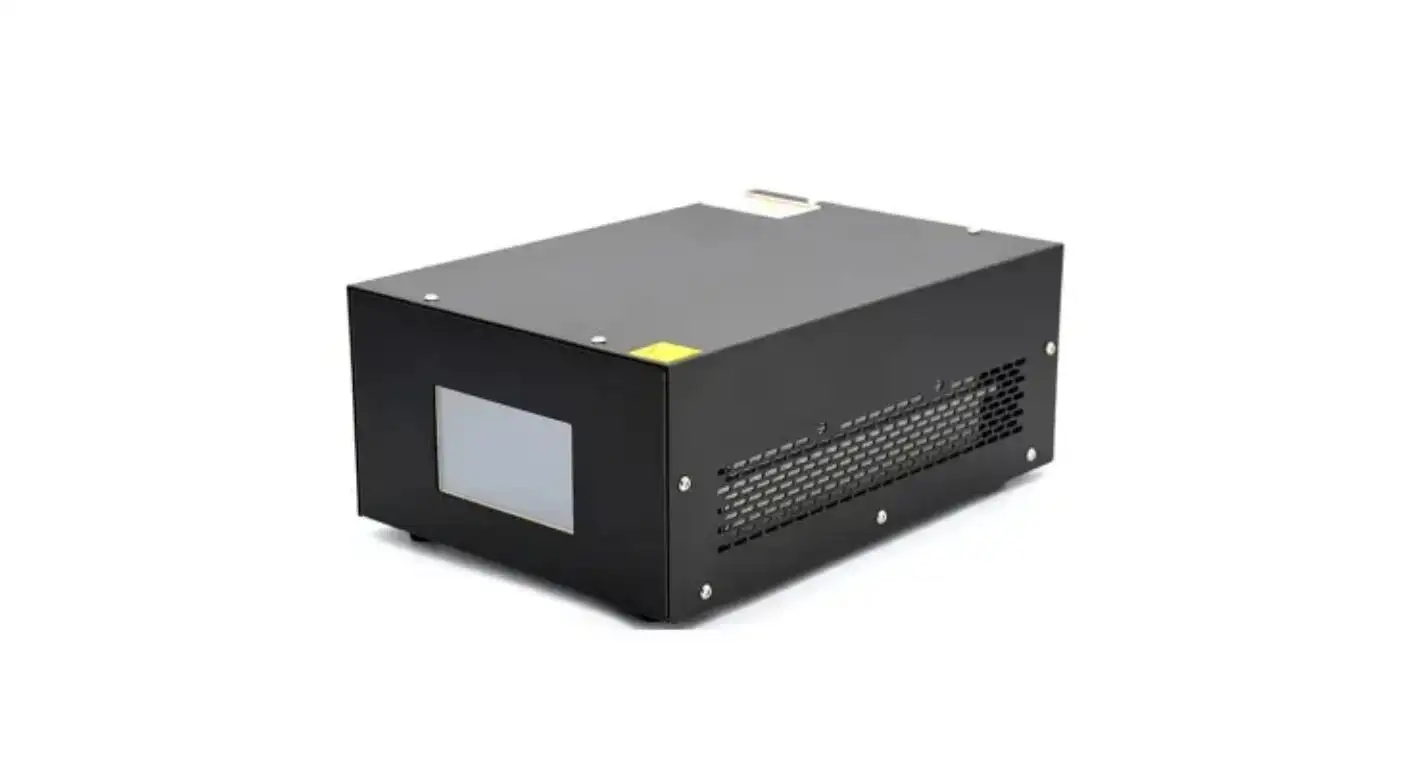
Selecting a UV or LED curing lamp for your production line depends on how your specific coatings and substrates react to ultraviolet light. You must consider your material's chemical makeup and physical traits to ensure a reliable bond and a hard finish. This guide explains how to evaluate your inks, adhesives, and coatings to determine the best light source for your job. By focusing on your material needs first, you can avoid curing failures and improve your final product quality.
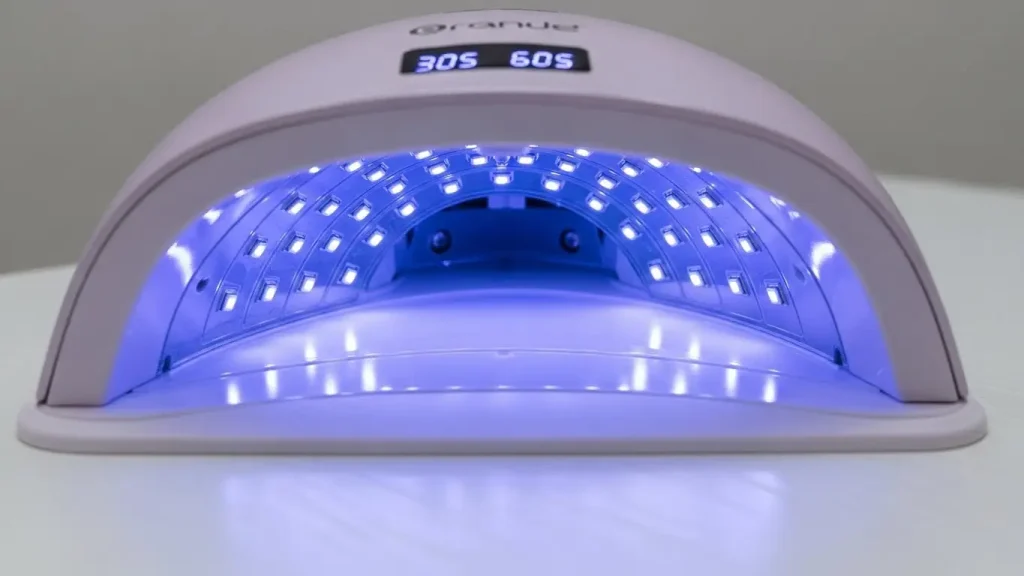
How Do Material Characteristics Drive the Choice Between UV and LED Curing Lamps?
Material characteristics determine how well a curing lamp will work, and therefore should drive lamp selection. You must look at how your chemistry reacts to specific light bands before you buy any equipment. This approach ensures your coatings bond correctly to your substrates without staying tacky. When you put your material needs first, you reduce the risk of wasting money on a system that cannot harden your specific resins.
Which Material Properties Affect Cure Quality With UV or LED Lamps?
Material properties such as thickness, opacity, and photoinitiator type directly influence cure quality with different lamps. You need to know if your ink is heavily pigmented or if your adhesive layer is very deep. These physical traits dictate how much light energy reaches the bottom of your material. If your material blocks light, you may need a system with higher intensity to reach the substrate. This ensures the chemical reaction is complete from the top surface down to the base layer.
How Does Wavelength Compatibility Influence Material Response?
Wavelength compatibility between the curing lamp and material photoinitiators determines cure effectiveness. Your photoinitiators are tuned to absorb light at specific points in the spectrum to start the hardening process. If your lamp does not emit light at those exact points, the chemical reaction will never happen. You must match the light’s peak output to your material’s absorption profile to get a full and fast cure. This alignment is what allows the energy to be converted into a solid bond.
What Material Limitations Should Be Considered for LED Curing?
Some materials may present challenges for LED curing due to spectral or penetration limitations. You might find that older resins need the broad light spectrum of a mercury lamp to set properly. This happens when a material needs several different wavelengths to trigger different layers of the cure. If your material is "LED-blind," it will remain liquid regardless of how much power you apply to it. You must verify that your chemistry is specifically formulated for the narrow-band light provided by LEDs.
How Do Material Thickness and Opacity Affect Curing Lamp Performance?
Thicker or more opaque materials may require different lamp strategies to achieve consistent cure. You will notice that dark or dense coatings block light as it travels through them to the bottom. To solve this, you might need a longer wavelength that can travel deeper into the material. Without the right penetration, your product might look dry on top but remain wet underneath, leading to a weak bond. This often requires higher intensity or slower line speeds to ensure the light reaches every layer.
How Should Material-Driven Selection Be Balanced With Process and Equipment Considerations?
While material behavior should be primary, other process and equipment factors must also be weighed in your final plan. You also have to consider your line speed and your shop's safety requirements for your workers. A lamp that cures your material perfectly but slows down your conveyor too much is not a good fit. Balancing these needs leads to a reliable production setup that meets your daily goals. You get the best result when you find a light source that supports both your material chemistry and your operational throughput.
What Are the Key Takeaways When Choosing a Curing Lamp Based on Materials?
Choosing the right curing lamp depends on matching your material's chemical needs to the light source's output. You get a better result when you put the material first in your technical evaluation. This focus prevents adhesion failures and keeps your production running without unexpected stops.
- Verify your material's spectral needs before picking a lamp.
- Check for LED compatibility with your ink or adhesive supplier.
- Account for thickness and opacity to ensure a deep cure.
- Match your light source to your substrate's heat tolerance.
How Do UV LED and Mercury UV Curing Lamps Differ in Their Spectral Output?
UV LED lamps emit a narrow band of light, while mercury UV lamps provide a broad spectrum. This difference affects which photoinitiators you can use in your process. You can see a full breakdown of these light differences on our UV LED vs mercury UV curing page.
How Does Wavelength Matching Affect Cure Across Different Materials?
Wavelength matching ensures that the energy from your lamp is absorbed by the photoinitiators in your material. Correct matching leads to a faster and more complete chemical bond. You should read about the LED vs UV curing lamp mechanics to see how this impacts your final finish.
Can UV LED Replace Mercury UV for Materials With Broad Spectral Needs?
Replacing mercury UV with LED depends on whether your material chemistry can be updated for a narrow light band. You must check if an LED-curable version of your material exists. You can learn about replacing mercury UV with LED to help plan your transition.
How Should ROI Be Factored When Materials Influence Lamp Choice?
ROI is influenced by your material costs and how much energy you save during the curing step. Higher material costs for LED resins can change your payback period. Check our guide on UV LED curing ROI to see how materials affect your total cost of ownership.
How Does Temperature Behavior Differ Between UV LED and Mercury UV in Material Impact?
Mercury lamps generate high infrared heat that can damage sensitive materials like thin plastics. LED lamps stay cool and protect your substrates from thermal stress. You can find detailed data on UV LED curing temperature to see how this protects your products.
What Limitations Arise With UV LED Curing for Some Materials?
Limitations for certain materials include poor surface cure or low penetration in very thick layers. You should test your specific material to see if these constraints affect your quality. Read more about the limitations of UV LED curing to avoid common mistakes.
What Challenges Are Involved When Retrofitting Mercury UV to UV LED for Material Needs?
Retrofitting involves checking if your current machinery and materials can support a switch to LED light. You need to verify your material's response before you change your equipment. See our guide on retrofitting mercury to UV LED for more help.
What Questions Should You Ask to Decide Between UV and LED Based on Your Materials?
You should ask if your material is specifically made for 395nm or 365nm light sources. Knowing the required dosage for your thickness is also a vital step in your search. You can use our checklist to choose a UV LED curing system to ensure you cover every material need.
Final Thoughts
Finalizing your choice of a curing lamp requires you to look at your materials as the foundation of your entire production process. As you move toward faster and cleaner manufacturing, the ability to match your light source to your chemistry will be your biggest advantage. By focusing on how your coatings and substrates react to ultraviolet energy, you can build a line that is both efficient and reliable. The best lamp is the one that gives you a perfect cure every time, regardless of the technology name.
Share on Social:


