
What Coatings Can Be Cured with UV LED? A Definitive Industry Guide
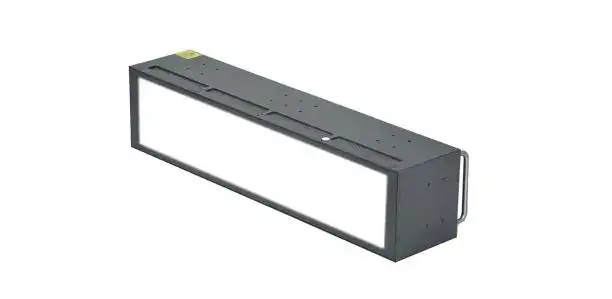
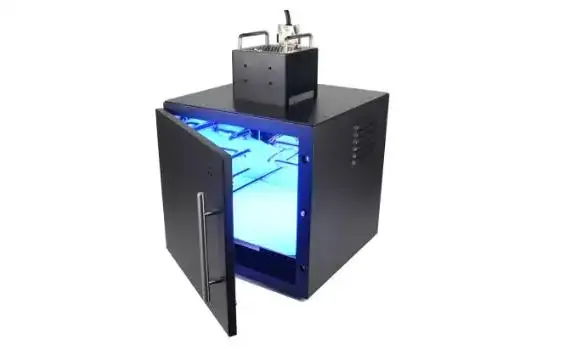
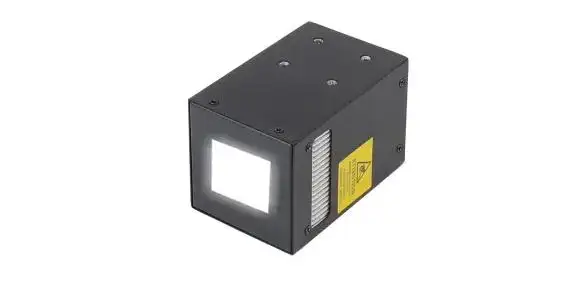
Determining exactly what coatings can be cured with UV LED technology is the first step toward modernizing your production line. We are witnessing a massive shift in manufacturing. It is no longer just about graphic arts or simple inks. Industries from automotive to aerospace are realizing that Light Emitting Diodes (LEDs) offer a precision that traditional mercury arc lamps simply cannot match.
If you are a production manager or a formulation chemist, you know that heat is the enemy of many substrates. I remember visiting a flooring plant a few years ago where they were struggling with warping pine boards under hot mercury lamps. The switch to cool-temperature LED curing didn't just save energy; it saved their product yield.
This guide covers every angle of UV LED coating compatibility. We will explore specific chemistries, industrial applications, and the formulation tweaks required to make the switch successful.
Which Core Chemistries Are Compatible with UV LED Curing?
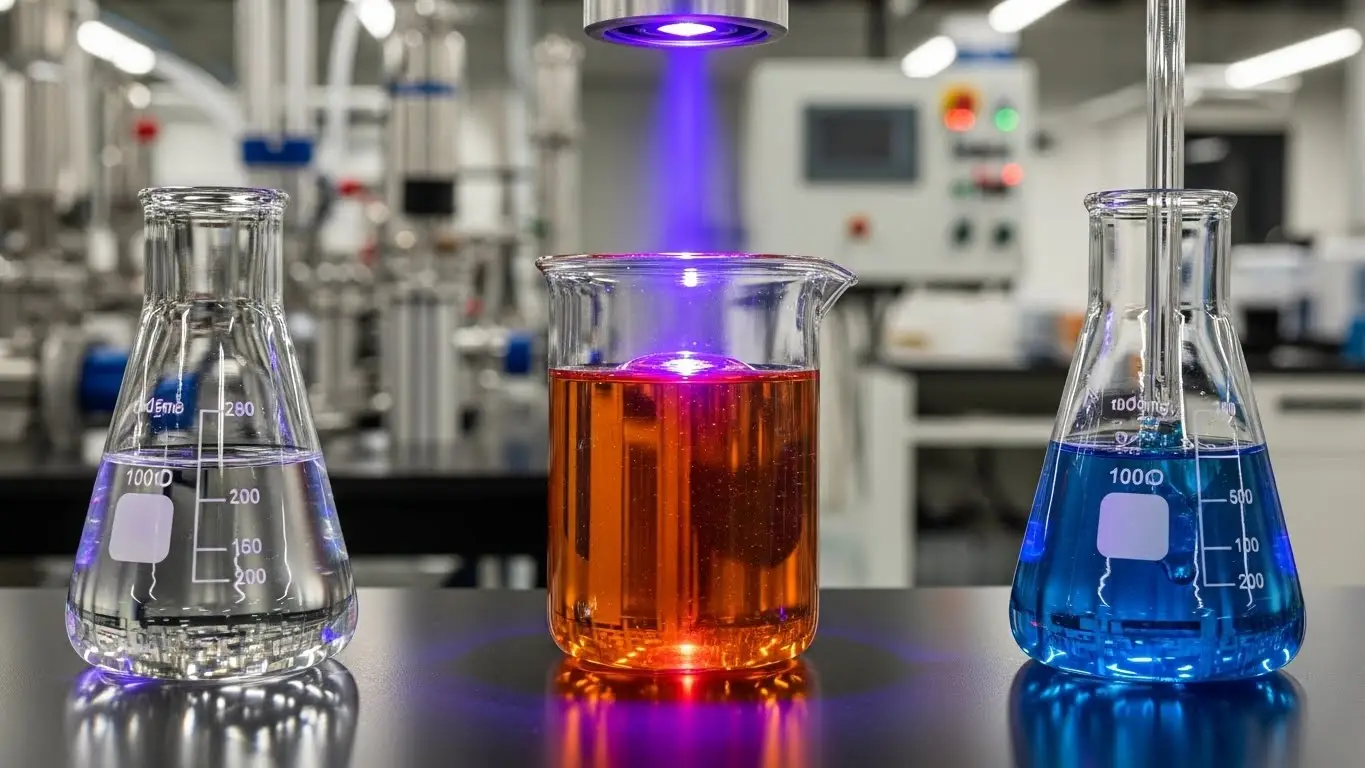
Most modern coating formulations compatible with UV LED technology rely on free-radical or cationic chemistries. Specifically, acrylate-based resins (urethane, epoxy, polyester) and cationic epoxies are the industry standards. These coatings must be formulated with specific photoinitiators designed to absorb energy within the narrow UV LED spectrums (typically 365nm, 385nm, or 395nm) to ensure a full cure.
Deep Dive into Chemical Compatibility
The transition from broad-spectrum mercury lamps to monochromatic LED sources requires a closer look at your chemical backbone.
1. Free-Radical Acrylates
This is the workhorse of the UV coating industry. Whether you are dealing with wood finishes or plastic components, acrylate chemistry is likely involved.
- Urethane Acrylates: Known for toughness and flexibility. They cure exceptionally well under UV LED when paired with long-wavelength photoinitiators.
- Polyester Acrylates: These offer a balance of hardness and cost-effectiveness. We see these used heavily in the furniture industry.
- Epoxy Acrylates: These provide fast cure speeds and high hardness, though they can be brittle.
2. Cationic Epoxies
Cationic curing is different because the reaction continues even after the light source is removed (dark cure). This is vital for opaque or thick coatings where light penetration is a challenge. UV LED systems at 365nm are particularly effective here, provided the formulation includes a sensitizer to boost the reaction.
3. Waterborne UV Coatings
This is a rapidly growing segment. Manufacturers apply the coating, flash off the water thermally, and then hit it with UV LED for the final crosslinking. It combines the low viscosity of water-based systems with the durability of UV curing.
Expert Insight: In my experience, the biggest failure point is not the resin, but the photoinitiator package. You cannot take a generic UV coating designed for a mercury lamp and expect it to cure under an LED. The absorption peak must match the LED output.
For a broader look at the general coating landscape, you can explore our guide on UV LED Curing for Coatings.
Can UV LED Effectively Cure Wood and Furniture Coatings?
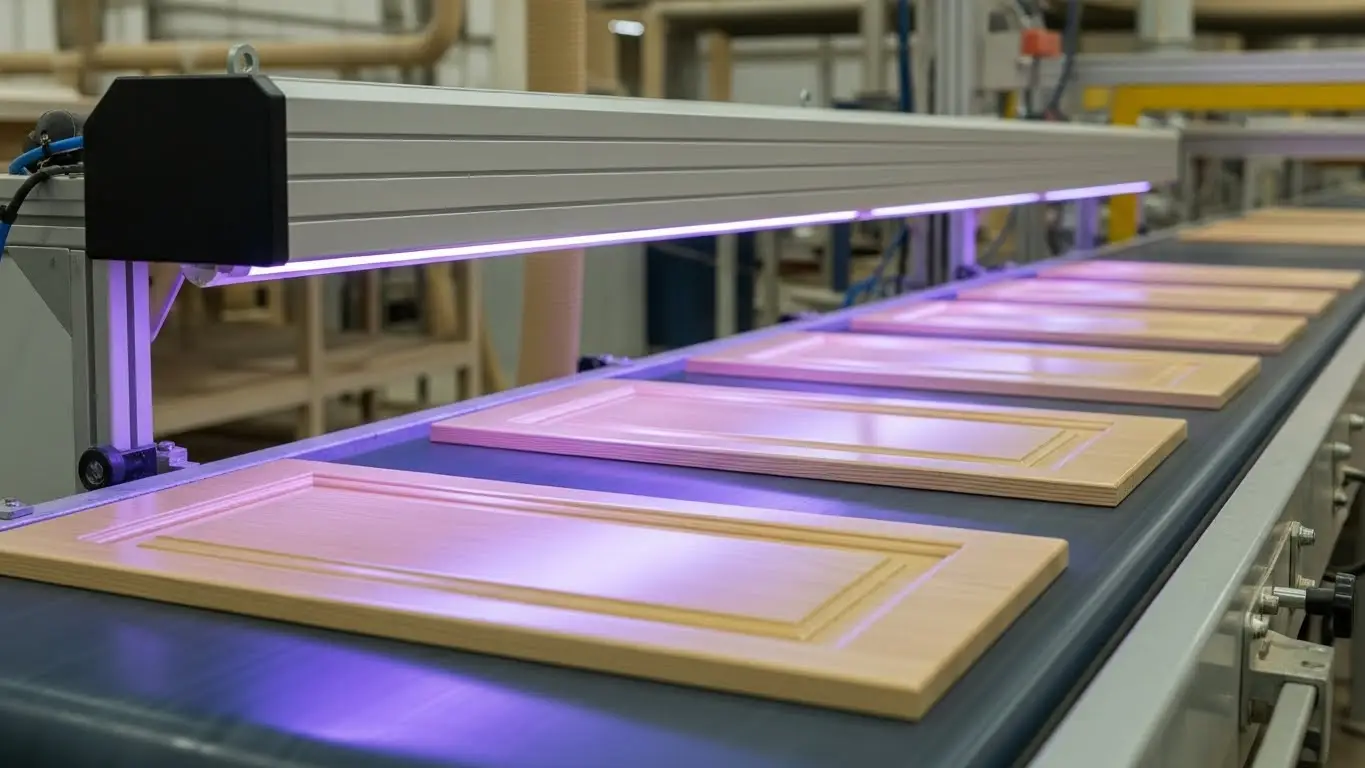
Yes, wood and furniture coatings are among the most successful applications for UV LED curing. Manufacturers use LED systems to cure fillers, sealers, primers, stains, and clear topcoats. The technology is particularly effective for heat-sensitive woods (like pine or oily exotic woods) because LEDs emit minimal infrared heat, preventing resin bleed and board warping during the process.
The Wood Finishing Revolution
The wood industry was one of the earliest adopters of this technology outside of printing. Why? Because wood is a natural, living material that reacts poorly to thermal shock.
Applications on the Flat Line:
- UV LED Putties and Fillers: These are often heavily pigmented to match wood grains. LEDs at 395nm offer excellent penetration depth, curing the filler all the way to the substrate without "skinning over."
- Roller Coated Sealers: High-speed roller lines benefit from the instant on/off capability of LEDs. There is no warm-up time, meaning less energy waste during line stoppages.
- Topcoats (Matte to High Gloss): Achieving surface hardness on a topcoat with LEDs used to be tricky due to oxygen inhibition (which leaves the surface tacky). However, modern high-irradiance LED heads have largely solved this, delivering mar-resistant finishes.
Real-World Scenario:
I worked with a cabinet door manufacturer who switched to UV LED for their primer coats. They immediately noticed a reduction in "grain raising." Because the LED didn't heat the moisture inside the wood fibers, the surface stayed smoother, reducing the need for aggressive sanding between coats.
How Does UV LED Apply to Automotive and Industrial Metal Coatings?
UV LED is transforming industrial metal finishing by curing functional hard coats, anti-corrosion primers, and clear coats on automotive parts. It is compatible with both solvent-free (100% solids) and solvent-based UV formulations. The technology excels in curing pigmented coatings on metal because the longer UV wavelengths penetrate deeply through titanium dioxide and other opaque pigments.
Penetrating the Pigment
Metal coatings are rarely clear; they are usually packed with pigments for color and corrosion resistance.
- The Pigment Challenge: Pigments like Titanium Dioxide (White) block UV light.
- The LED Solution: Traditional UV lamps struggle to punch through thick white layers. UV LED outputs at 395nm or 405nm are "longer" waves. They pass through the pigment more effectively than shorter UV waves, ensuring the coating cures at the metal interface.
Comparison of Metal Coating Types:
| Coating Type | UV LED Compatibility | Best Application |
| Functional Hard Coats | High | Automotive headlamps, trim pieces. |
| Anti-Corrosion Primers | High | Structural steel, heavy machinery parts. |
| Cosmetic Base Coats | Moderate | Requires careful photoinitiator selection for color accuracy. |
| Clear Topcoats | Very High | Rim protection, body panels, localized repair. |
Are Conformal Coatings for Electronics Compatible with UV LED?
Absolutely. UV LED is the gold standard for curing conformal coatings on Printed Circuit Boards (PCBs). It rapidly cures silicone, acrylic, and urethane-based protectants. The "cold cure" of LED protects sensitive components (capacitors, sensors) from thermal damage, while the consistent UV output ensures a reliable, repeatable degree of cure for high-reliability electronics.
Protecting the Brain of the Machine
In electronics, reliability is everything. A conformal coating protects the PCB from moisture, dust, and vibration.
The "Dual-Cure" Necessity:
Electronics are complex 3D shapes. Light travels in a straight line. What happens if a coating wicks underneath a microchip where the LED light can't reach?
- Shadow Areas: This is the primary challenge in electronics.
- The Solution: Most UV LED conformal coatings are Dual-Cure. They cure instantly under UV LED light for handling, but they also contain a secondary moisture-cure mechanism. This ensures that even the material hidden in the shadows cures fully over 24 to 48 hours.
Fluorescence for Quality Control:
Many UV LED conformal coatings include a UV tracer. When inspected under black light, the coating glows. This allows automated optical inspection (AOI) systems to verify that the board is fully coated before it leaves the factory.
What About Adhesives and Encapsulants?
UV LED technology cures a vast array of industrial adhesives, potting compounds, and encapsulants. This includes medical device assembly adhesives (catheters, syringes), display bonding (touchscreens), and structural bonding for glass and metal. The instant cure capability allows for immediate quality testing and packaging, significantly reducing Work-In-Progress (WIP) inventory.
Precision Bonding
While we often think of "coatings" as paint-like, structural adhesives are chemically similar and rely on the same UV LED physics.
- Medical Devices: Adhesives used here must be ISO 10993 certified. UV LED is preferred because it generates no ozone and uses no mercury, keeping the cleanroom environment sterile and safe.
- Glass Bonding: For glass furniture or display cases, UV LED adhesives provide an invisible, high-strength bond. The low heat prevents stress cracking in the glass during the cure.
How Critical is Photoinitiator Selection for UV LED?
Photoinitiator selection is the single most critical factor in UV LED coating success. Because LEDs emit a narrow band of energy (monochromatic), the photoinitiator must have an absorption peak that matches that specific wavelength. Using a general-purpose photoinitiator designed for broad-spectrum mercury lamps will result in under-cured, tacky, or weak coatings.
Matching the Chemistry to the Lamp
You cannot just buy an "off-the-shelf" UV coating and assume it works with LED. You must verify the formulation.
Common LED Photoinitiators:
- TPO (Diphenyl(2,4,6-trimethylbenzoyl)phosphine oxide): Excellent absorption in the long-wave UV (380-420nm) range. Ideal for whites and thick clear coats.
- BAPO (Bis(2,4,6-trimethylbenzoyl)-phenylphosphine oxide): Another powerhouse for pigmented systems.
The Oxygen Inhibition Factor:
One technical hurdle is oxygen inhibition. Oxygen in the air tries to stop the curing reaction at the very surface layer.
- Traditional Fix: Mercury lamps produce short-wave UV (UVC) which blasts through this inhibition.
- LED Fix: Since LEDs don't produce UVC, formulators use "amine synergists" or higher concentrations of photoinitiators to overcome the oxygen and ensure a hard, scratch-resistant surface.
If you are also managing print lines alongside your coating lines, the chemistry requirements overlap significantly. You can read more about standardizing these processes in our article on UV LED Curing for Printing: Best Practices for Consistent Results.
What Are the Main Benefits of Switching to UV LED for Coatings?
Switching to UV LED for coatings delivers lower energy costs, reduced heat stress on substrates, and higher production uptime. LEDs last over 20,000 hours compared to the 1,000-hour life of arc lamps, reducing maintenance. Furthermore, the elimination of ozone generation and mercury makes the workplace safer and removes the need for expensive fume extraction systems.
The ROI of LED
- Substrate Versatility: You can now coat thin films, shrink sleeves, and heat-sensitive plastics (like PLA) that would melt under a mercury lamp.
- Instant On/Off: No more keeping the lamps burning during lunch breaks to avoid the 10-minute warm-up cycle. LED is instant.
- Consistent Output: Mercury lamps degrade effectively from the moment you turn them on. LEDs provide stable output for years, ensuring that the coating you cured today has the same physical properties as the one you cure next year.
Conclusion: The Future of Coatings is Cool and Controlled
The question is no longer "Can UV LED cure this?" but rather "How do we optimize the process?"
From the high-gloss finish on a grand piano to the protective layer on a printed circuit board, UV LED technology has matured to handle diverse, complex coating challenges. By understanding the relationship between the light source and the photoinitiator, manufacturers can unlock speeds and efficiencies that were previously impossible.
Key Takeaways:
- Wood: Excellent for primers, fillers, and temperature-sensitive substrates.
- Metal: Superior penetration for pigmented and anti-corrosion coatings.
- Electronics: The standard for conformal coatings due to low heat.
- Chemistry: Success depends on matching the photoinitiator to the LED wavelength (365/385/395nm).
As you evaluate your production line, remember that the transition to UV LED is not just a hardware swap; it is a holistic upgrade of your process capability.
Share on Social:


