
385 nm UV LED Curing Light: Where It Performs Best
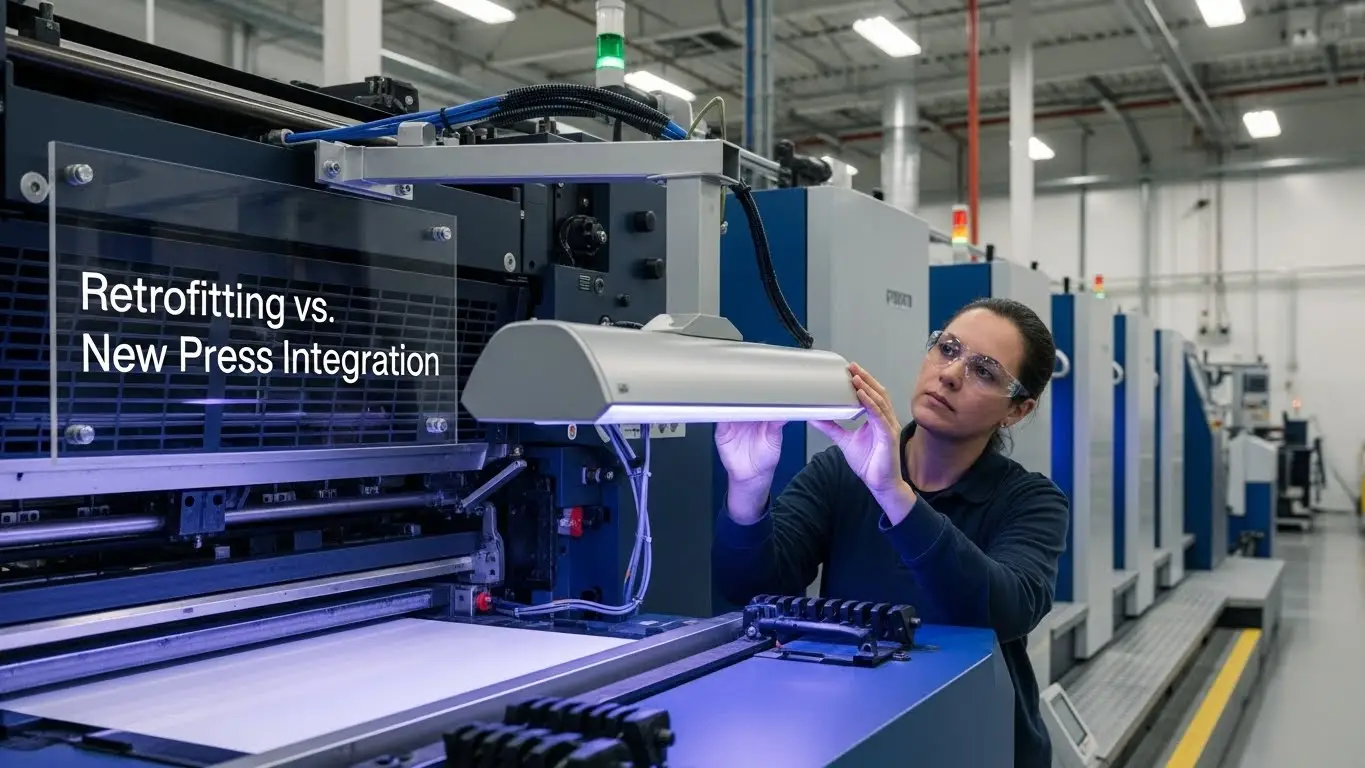
Selecting the appropriate frequency for your curing process is essential for achieving long-term bond stability and surface quality. You will find that the 385 nm UV LED curing light serves as a vital middle ground in industrial manufacturing, offering a versatile spectral output that addresses various material needs.
This guide examines the specific scenarios where this wavelength excels, how it interacts with different chemistries, and the technical factors that make it a reliable choice for your production line. By matching the 385 nm output to your process requirements, you can optimize your energy use and ensure consistent results across your manufacturing workflow.
What Is a 385 nm UV LED Curing Light?
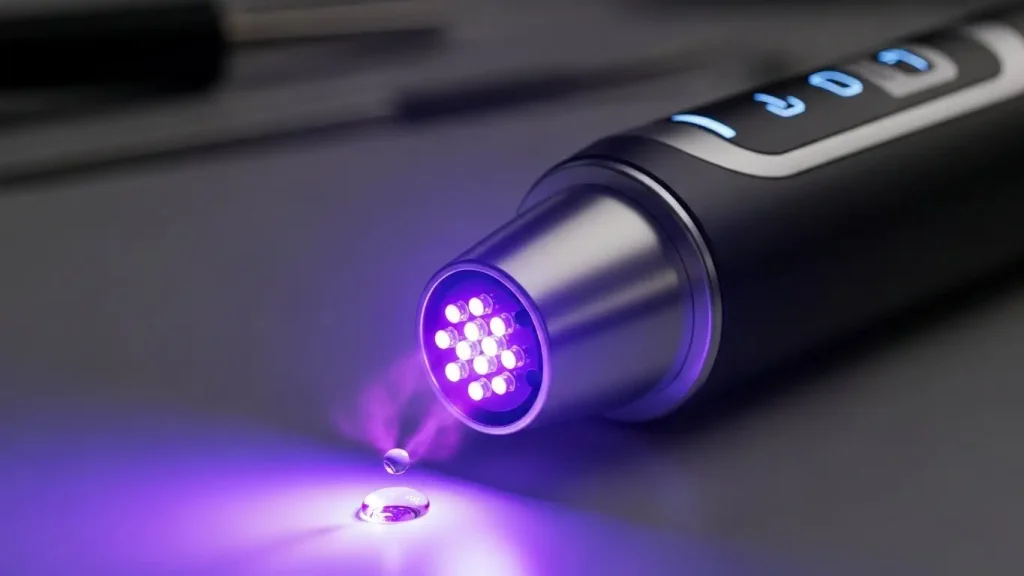
A 385 nm UV LED curing light is a near-UV light source centered around 385 nm that often provides balanced cure depth and surface activation for many common materials. You will notice that this wavelength sits within the UVA band, providing a solid-state alternative to traditional bulb-based lamps without the risks of mercury or ozone production. Because it is an LED source, it allows you to utilize instant-on functionality and precise intensity control, which significantly reduces downtime on your shop floor compared to legacy systems.
What Materials and Photoinitiators Are Well Suited to 385 nm Curing?
385 nm curing lights typically work well with materials whose photoinitiators absorb efficiently around this wavelength, specifically those optimized for the high-end UVA spectrum. You should look for resins and adhesives that contain photoinitiators such as TPO or BAPO, which are engineered to capture energy in the 380 nm to 400 nm window. These chemicals are highly efficient at converting the 385 nm photons into the reactive species required to solidify your coatings, ensuring that your energy consumption remains low while your bond strength stays high.
Where Does 385 nm Perform Best in Real-World Applications?
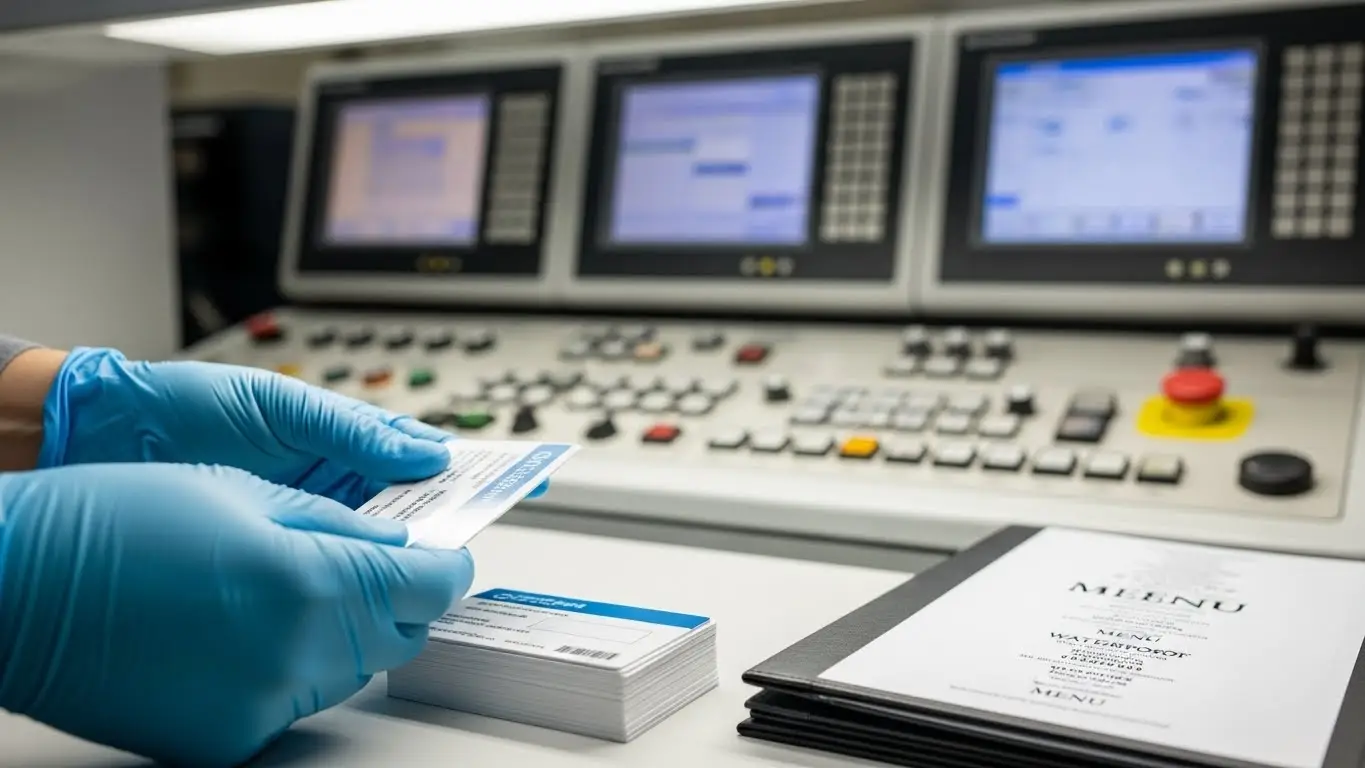
385 nm UV LED curing lights often perform best in surface coatings, adhesives, inks, and thin films where moderate depth and broad photoinitiator response is needed. You will find them widely used in the assembly of medical devices, where they provide the necessary precision to bond plastic components without causing the yellowing or heat-related warping associated with shorter wavelengths. They are also frequently applied in electronics manufacturing for potting and encapsulating sensitive components that require a stable, low-temperature cure to protect delicate internal circuitry.
How Does 385 nm Compare With Other UV LED Wavelengths?
Compared with shorter or longer wavelengths, 385 nm often strikes a useful balance of surface cure, moderate penetration, and broad photoinitiator compatibility. While a 365 nm source provides higher energy for extreme surface hardness, it may struggle to travel through pigmented or thick layers. Conversely, a 395 nm lamp offers deeper penetration for dark inks but can occasionally leave surfaces slightly tacky if the chemistry is not perfectly aligned. Choosing 385 nm provides you with a versatile tool that can handle a wider range of "middle-of-the-road" industrial applications without requiring specialized lamp changes.
How Do Cure Depth and Uniformity Behave With 385 nm UV LED Lights?
385 nm UV LED lights typically provide moderate cure depth with uniform surface activation, making them suitable for a range of material thicknesses. You will find that the light distribution from these lamps is often very consistent, which helps you avoid "hot spots" or uncured zones on your parts. This uniformity is particularly helpful when you are curing large surface areas or complex 3D parts where even light coverage is necessary to prevent internal stresses and material shrinkage.
What Factors Should You Consider When Selecting a 385 nm UV LED Light?
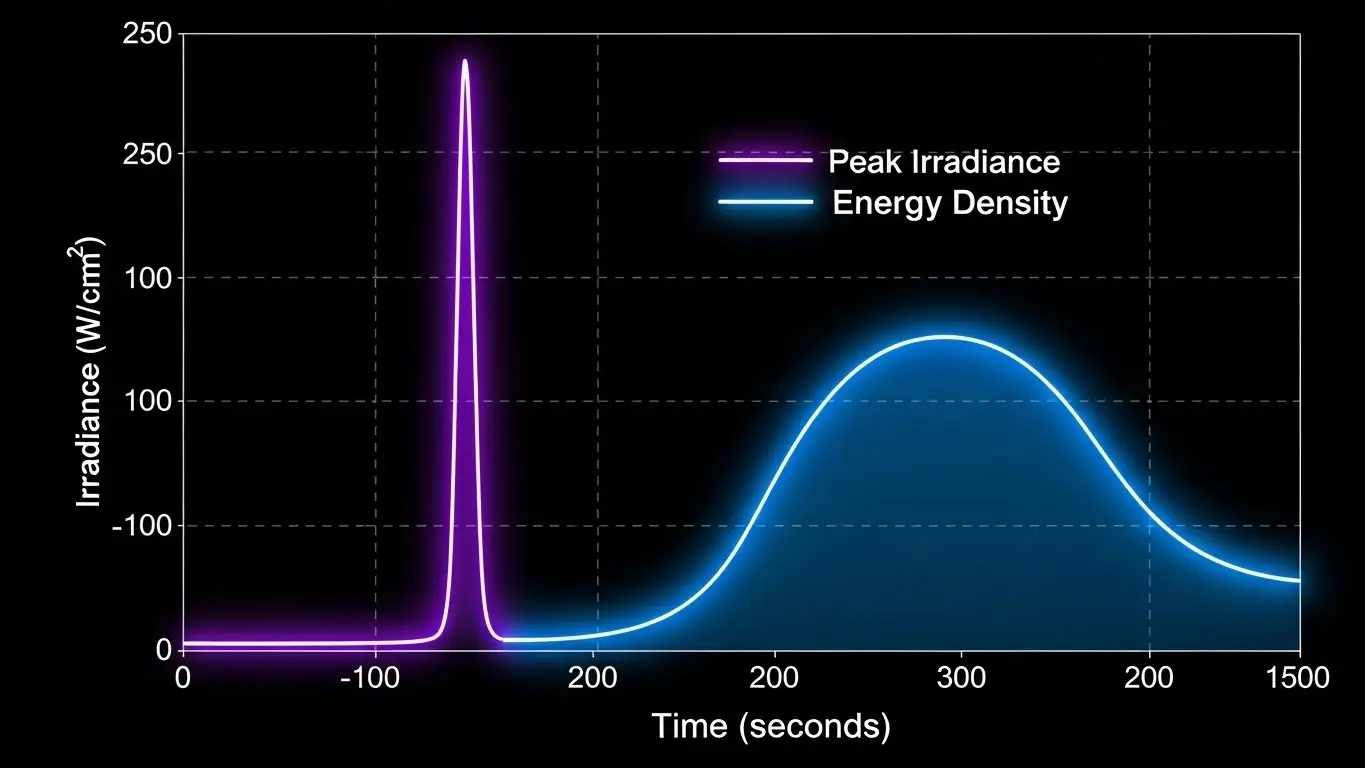
Selecting a 385 nm UV LED curing light involves considering emission intensity, material response, throughput needs, and thermal management. You must ensure that the peak irradiance ($W/cm^{2}$) is high enough to trigger your specific photoinitiators at your required production speed. Additionally, you should evaluate the cooling requirements of the lamp head to ensure it can operate continuously in your facility's environment without degrading the life of the diodes.
- Intensity Requirements: Verify that the lamp's output matches the dosage needed for your material thickness.
- Cooling Systems: Determine if an air-cooled or water-cooled unit better fits your shop's footprint and heat load capacity.
- Working Distance: Account for the gap between the lamp and the part, as intensity drops off as the distance increases.
- Optics Design: Choose between focused or flood-style lenses based on your part's geometry and cure area.
What Trade-Offs Exist With 385 nm Curing?
Trade-offs with 385 nm UV LED curing include balancing surface activation against deeper penetration and ensuring photoinitiator compatibility. You may find that while it works exceptionally well for a wide range of materials, it is a narrow-band source that lacks the broad "cocktail" of wavelengths found in mercury lamps. This means your chemistry must be specifically tuned for this 385 nm peak. If your material is designed for very deep penetration in highly opaque blacks, you might find that a 395 nm or 405 nm source performs more efficiently.
What Are the Key Takeaways on Where 385 nm Performs Best?
The 385 nm wavelength is a high-performance choice for manufacturers who need a balance between surface hardness and through-cure for modern, LED-optimized resins. You get the best results when you prioritize the technical match between your lamp’s output and your material's specific absorption peak.
- Ideal for medical device bonding, electronics potting, and versatile industrial coatings.
- Offers a balanced spectral output compared to 365 nm and 395 nm alternatives.
- Ensures process stability through uniform light distribution and low heat transfer.
- Requires material validation to ensure photoinitiator alignment with the 385 nm peak.
How Do UV LED Wavelengths Differ in Curing Behavior?
Understanding the technical differences between various peaks is the first step in optimizing your line. You can explore the full UV LED curing wavelength spectrum to see how energy levels and penetration depth shift across different frequencies.
How Do 365 nm and 395 nm Wavelengths Compare With 385 nm?
If you are trying to decide between the most common industrial options, a direct comparison is helpful. Read about 365 nm vs 395 nm UV LED curing to understand how the 385 nm range fits as a middle ground between these two extremes.
What Should You Know About 365 nm UV LED Curing?
For clear adhesives or legacy chemistries requiring high-energy surface activation, you might consider a shorter wavelength. Review the characteristics of the 365 nm UV LED curing light to see if it suits your specific surface-hardness requirements.
What Should You Know About 405 nm UV LED Curing?
For very sensitive substrates or near-visible light applications, a longer frequency may be necessary. Explore 405 nm UV LED curing to learn how it behaves with long-wavelength initiators and gentle thermal profiles.
How Does Photoinitiator Matching Affect UV LED Performance?
The success of your cure is entirely dependent on the chemical reaction triggered by the light. You can find more details on photoinitiator matching for UV LED to ensure your 385 nm lamp is working at its peak technical efficiency.
How Does Wavelength Affect Cure Depth and Uniformity?
To prevent issues like delamination or tacky base layers, you must understand how light travels through your coating. Check our guide on UV LED wavelength and cure depth for a deeper look at penetration mechanics.
What Should You Know About 385 nm UV LED Curing?
If you have determined that this wavelength fits your needs, you can explore the specific behavior of 385 nm UV LED curing systems. This information will help you finalize your equipment specs and process parameters for long-term production stability.
Final Thoughts
Finalizing your decision on a 385 nm UV LED curing light requires you to look at your manufacturing process as a system where chemistry and light must be perfectly aligned. While this wavelength offers an excellent balance for many modern industrial coatings, its effectiveness is ultimately determined by your specific material thickness and photoinitiator choice. By focusing on these technical variables and utilizing the middle-ground strengths of 385 nm, you can build a production line that is both highly efficient and remarkably reliable. The best curing system is the one that allows you to maintain high quality without adding unnecessary complexity to your daily operations.
Share on Social:


