
395 nm UV LED Curing Lamp: Typical Uses and Selection Tips
Selecting the right ultraviolet light source is a pivotal decision for any manufacturing process involving inks, coatings, or adhesives. You will find that the 395 nm UV LED curing lamp has become a dominant standard in modern industrial environments due to its specific energy profile and compatibility with a wide range of materials.
This guide explains how this wavelength behaves, where it is most effectively applied, and what technical criteria you should use to select the right equipment for your facility. By matching the lamp’s output to your material chemistry and production speeds, you can achieve a more reliable and efficient curing cycle.
What Is a 395 nm UV LED Curing Lamp?
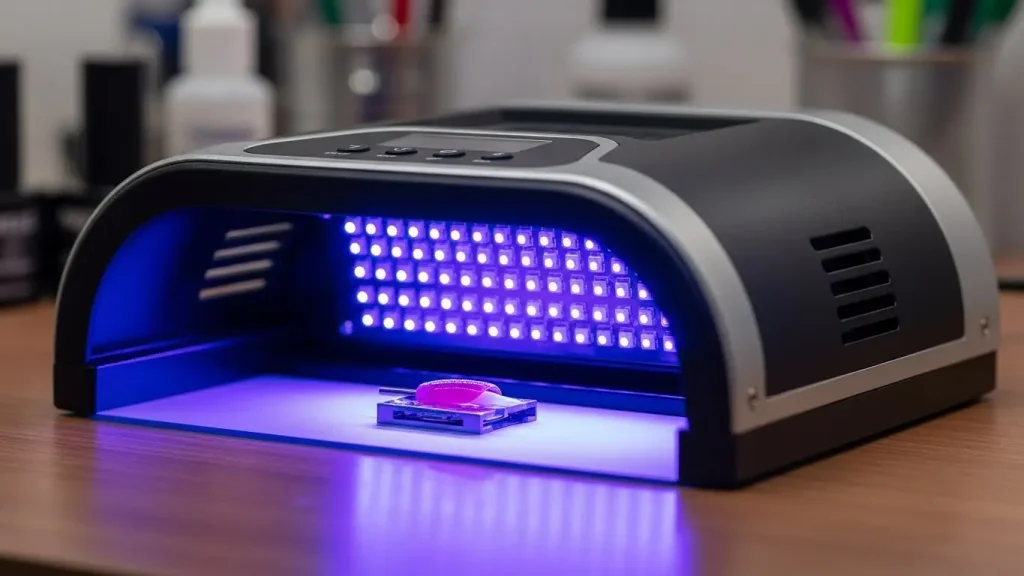
A 395 nm UV LED curing lamp is a UV LED light source emitting near-UV energy centered around 395 nm commonly used for materials responsive to that bandwidth. You will notice that this wavelength sits at the upper end of the UVA spectrum, providing a lower-energy photon compared to shorter UV waves but with a high level of stability.
This solid-state technology replaces traditional mercury bulbs, offering you instant-on capability and a much longer operational lifespan. Because it is a narrow-band emitter, the energy is concentrated specifically where most modern photoinitiators are designed to react.
What Materials and Photoinitiators Work Well With 395 nm Curing Lamps?
395 nm curing lamps are well suited for materials whose photoinitiators absorb efficiently near this wavelength, particularly those in the Acylphosphine oxide family. You should look for resins containing initiators such as TPO or BAPO, which are engineered to capture energy in the 380 nm to 400 nm range.
These materials are highly efficient at converting the 395 nm photons into the reactive species needed to solidify your coating. This spectral alignment ensures that the energy is used effectively, reducing the total power required to reach a full cure.
What Typical Applications Use 395 nm UV LED Curing Lamps?
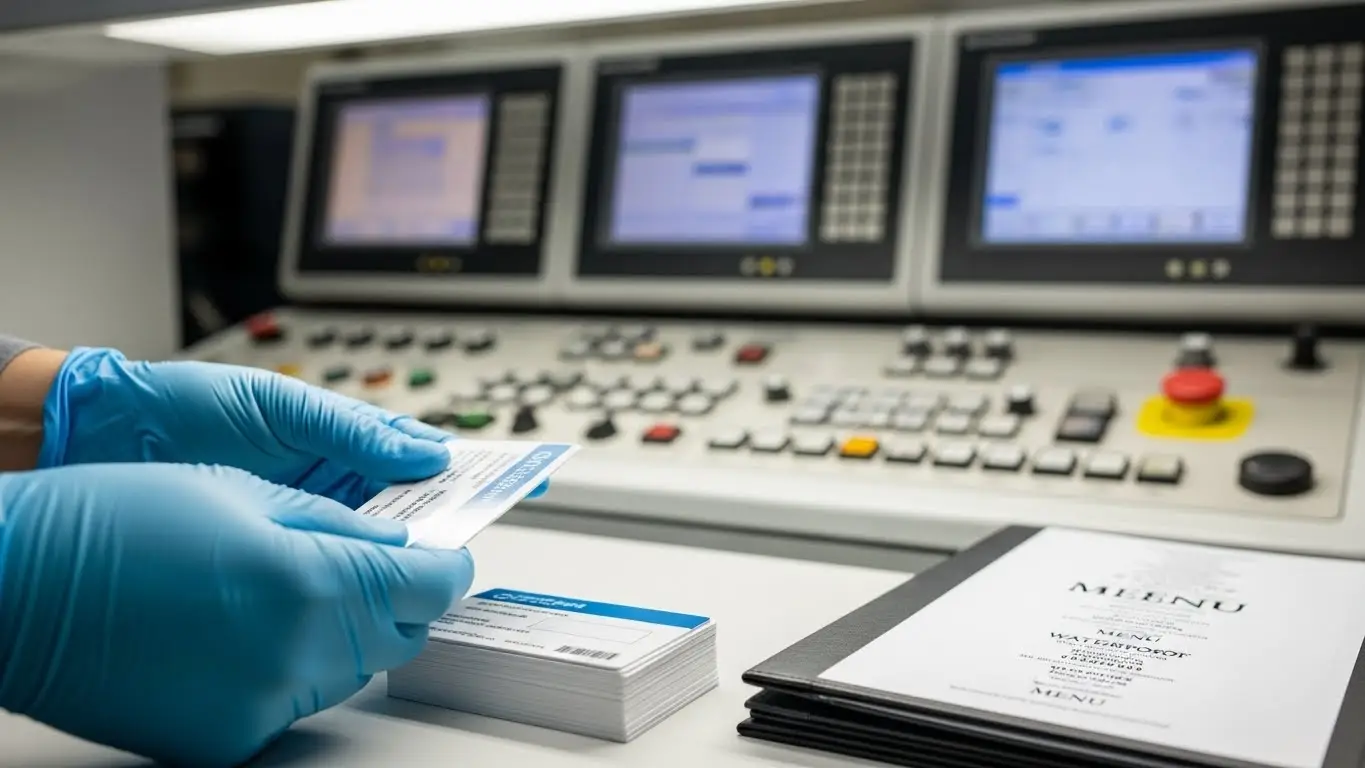
395 nm UV LED curing lamps are frequently used in applications such as adhesives, inks, coatings, and thin films where near-UV activation is effective. You will find them widely adopted in digital inkjet printing and label manufacturing because the wavelength penetrates deeply through dense pigments like carbon black or titanium dioxide.
In the electronics sector, you use these lamps for bonding connectors and potting sensitive components where a cool, consistent cure is necessary to protect the substrate. They are also common in medical device assembly for joining plastic parts, as the 395 nm wavelength provides a strong bond without causing the brittleness or yellowing sometimes associated with harsher, shorter UV frequencies.
How Does 395 nm UV LED Curing Compare to Adjacent Wavelengths?
Compared with shorter or longer UV LED wavelengths, 395 nm offers a balance of surface activation and moderate penetration for many common photoinitiators and materials. While a 365 nm source provides higher energy for extreme surface hardness, it often struggles to penetrate through thick or dark coatings.
Conversely, 405 nm is "gentler" and closer to visible light, which may be safer for very sensitive materials but can be slower to cure. The 395 nm peak is the "mainstream" choice because it provides enough depth for industrial coatings while maintaining a fast surface-dry time.
What Factors Should You Consider When Selecting a 395 nm UV LED Lamp?
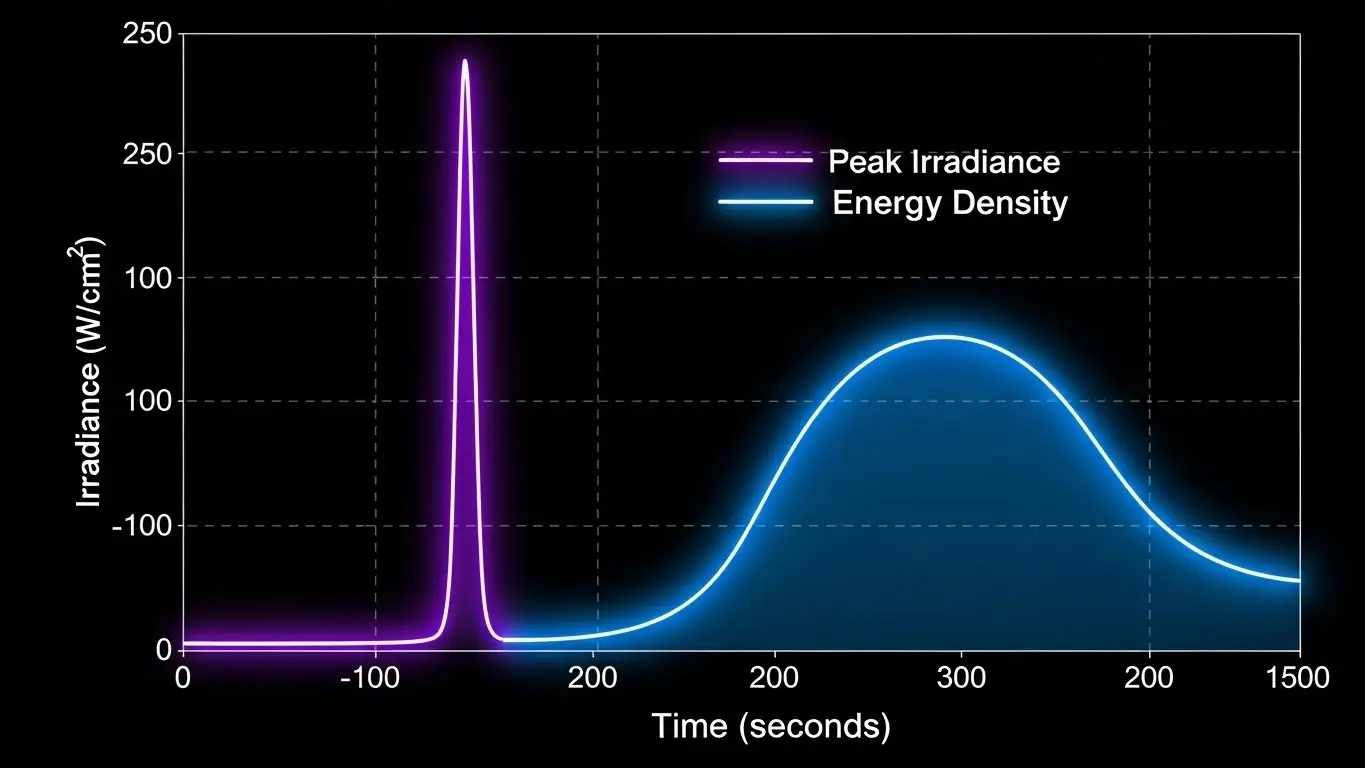
Selecting a 395 nm UV LED curing lamp involves weighing factors such as emission power, spot size, material characteristics, and production speed. You must ensure the irradiance (measured in $W/cm^2$) is high enough to trigger the chemical reaction at your specific conveyor velocity. Additionally, the size of the lamp head must match your curing area to ensure that every part of your product receives a uniform dose of light.
- Power Density: Ensure the peak irradiance meets the minimum requirements stated in your material data sheet.
- Cooling Method: Choose between air-cooled or water-cooled units based on your facility's space and heat dissipation needs.
- Working Distance: Consider how far the lamp will be from the product, as intensity drops significantly as the distance increases.
- Uniformity: Look for optics that provide an even light distribution to avoid "soft spots" in your finish.
What Practical Trade-Offs Exist With 395 nm UV LED Curing?
Practical trade-offs with 395 nm curing include balancing surface cure effectiveness against deeper penetration and initiator response. You may find that while the light reaches the bottom of a thick adhesive layer quite well, the very top surface might remain slightly tacky in some formulations due to oxygen inhibition.
To overcome this, you might need to increase the lamp intensity or use a dual-wavelength system. Furthermore, because it is a narrow-band source, you lose the "versatility" of broad-spectrum mercury lamps, meaning your material chemistry must be precisely tuned to this 395 nm peak.
How Should You Validate a 395 nm UV LED Curing Solution?
Validating a 395 nm curing solution requires controlled testing of material cure, monitoring mechanical performance, and adjusting process variables. You should begin by running samples through a test station to measure the final hardness and adhesion of the coating. Use a radiometer to track the actual UV energy delivered to the part, as this allows you to create a repeatable "process window."
- Perform a Cross-Hatch Test: Verify the bond strength between the coating and the substrate.
- Conduct a Solvent Rub Test: Check the chemical resistance of the surface to ensure a complete cure.
- Measure Energy Dosage: Document the Joules per square centimeter ($J/cm^2$) required at your target line speed.
- Audit Thermal Impact: Monitor the part temperature to ensure it stays within safe limits for your substrate.
What Are the Key Takeaways on Using 395 nm UV LED Curing Lamps?
Success with 395 nm technology depends on the technical alignment between your light source and your material's photoinitiators. It is a highly efficient tool that offers deep penetration for pigmented systems and a stable, low-maintenance alternative to traditional lamps.
- Ideal for pigmented inks, adhesives, and electronics potting.
- Matches perfectly with TPO and BAPO photoinitiator chemistries.
- Provides a cooler process than mercury lamps, protecting heat-sensitive parts.
- Requires precise spectral matching to ensure surface hardness and depth of cure.
How Do UV LED Wavelengths Differ Across the Curing Spectrum?
Understanding the broader spectrum helps you place 395 nm in context. You can read our technical breakdown of UV LED curing wavelengths to see how energy levels change from 365 nm up to 405 nm.
How Do 365 nm and 395 nm UV LEDs Compare?
For many manufacturers, the decision is between these two common peaks. You can find a direct comparison of 365 nm vs 395 nm UV LED curing to see which offers the right balance of surface cure and depth for your application.
What Should You Know About 365 nm UV LED Curing?
If your process involves clear adhesives or legacy chemistry, you might need a shorter wavelength. Explore the characteristics of the 365 nm UV LED curing light to see how it provides a more intense surface "hit" than 395 nm.
What Should You Know About 385 nm UV LED Curing?
The 385 nm range is often used as a versatile middle ground for various resins. Check the 385 nm UV LED curing guide to see if this frequency fits your specific material absorption needs.
What Should You Know About 405 nm UV LED Curing?
For near-visible light applications or extremely sensitive substrates, 405 nm is a specialized solution. Explore 405 nm UV LED curing to learn how it behaves with long-wavelength initiators.
How Does Photoinitiator Matching Affect Curing Performance?
The chemistry of your material is the most important variable in your process. You can learn more about photoinitiator matching for UV LED to ensure your 395 nm lamp is working at peak efficiency.
What Should You Know About 395 nm UV LED Curing Lamps?
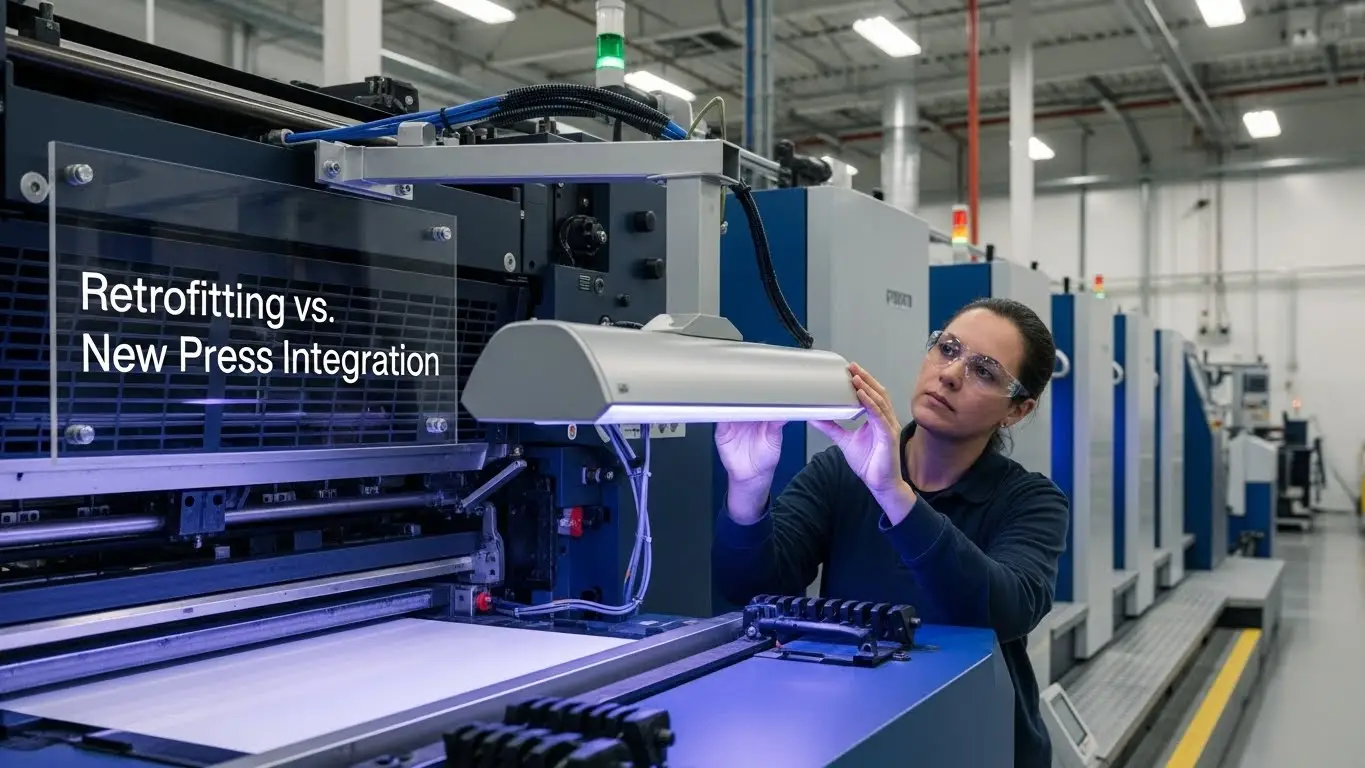
If you have decided that 395 nm is the right choice, you need to understand the hardware. Review our specific notes on the 395 nm UV LED curing lamp to see how these systems integrate into modern production lines.
What Should You Know About 385 nm UV LED Curing Light?
For a slightly different energy profile that still provides good penetration, 385 nm is a frequent alternative. Compare it with your current needs by looking at the 385 nm UV LED curing light hardware specs.
Final Thoughts
Selecting a 395 nm UV LED curing lamp is a strategic choice that prioritizes deep penetration and process stability. As manufacturing continues to move toward more sustainable and precise methods, this wavelength will likely remain the backbone of most industrial UV lines. By focusing on the spectral alignment between your light source and your photoinitiator chemistry, you can eliminate the common pitfalls of tacky surfaces or weak bonds. The right lamp does more than just light up your parts; it ensures your production quality remains high and your operating costs stay low for years to come.
Share on Social:


