UV LED Curing for Heat-Sensitive Substrates: Best Practices
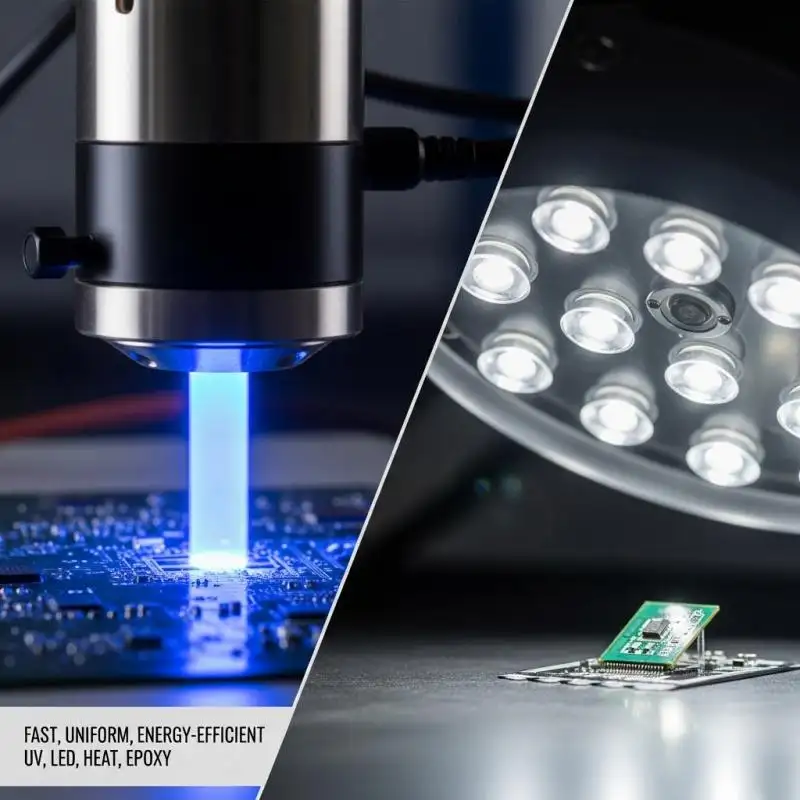
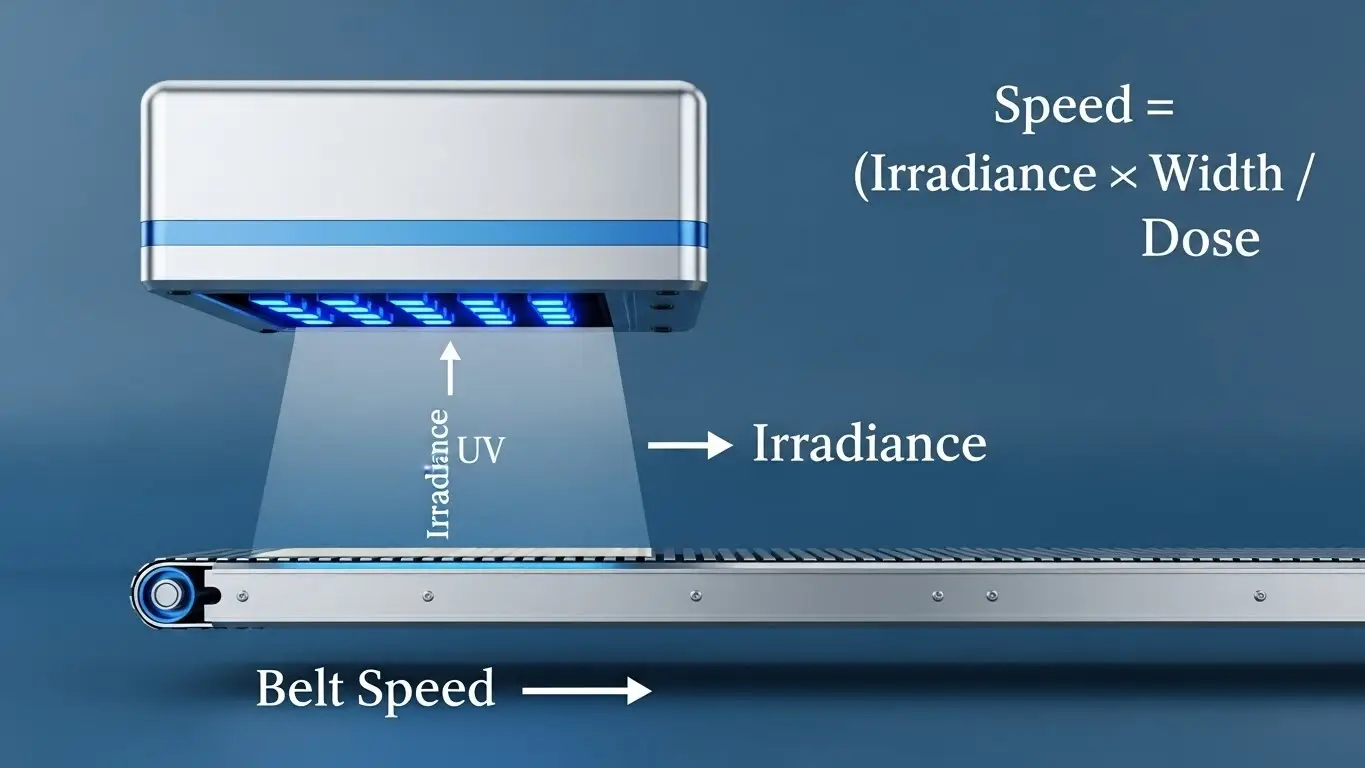
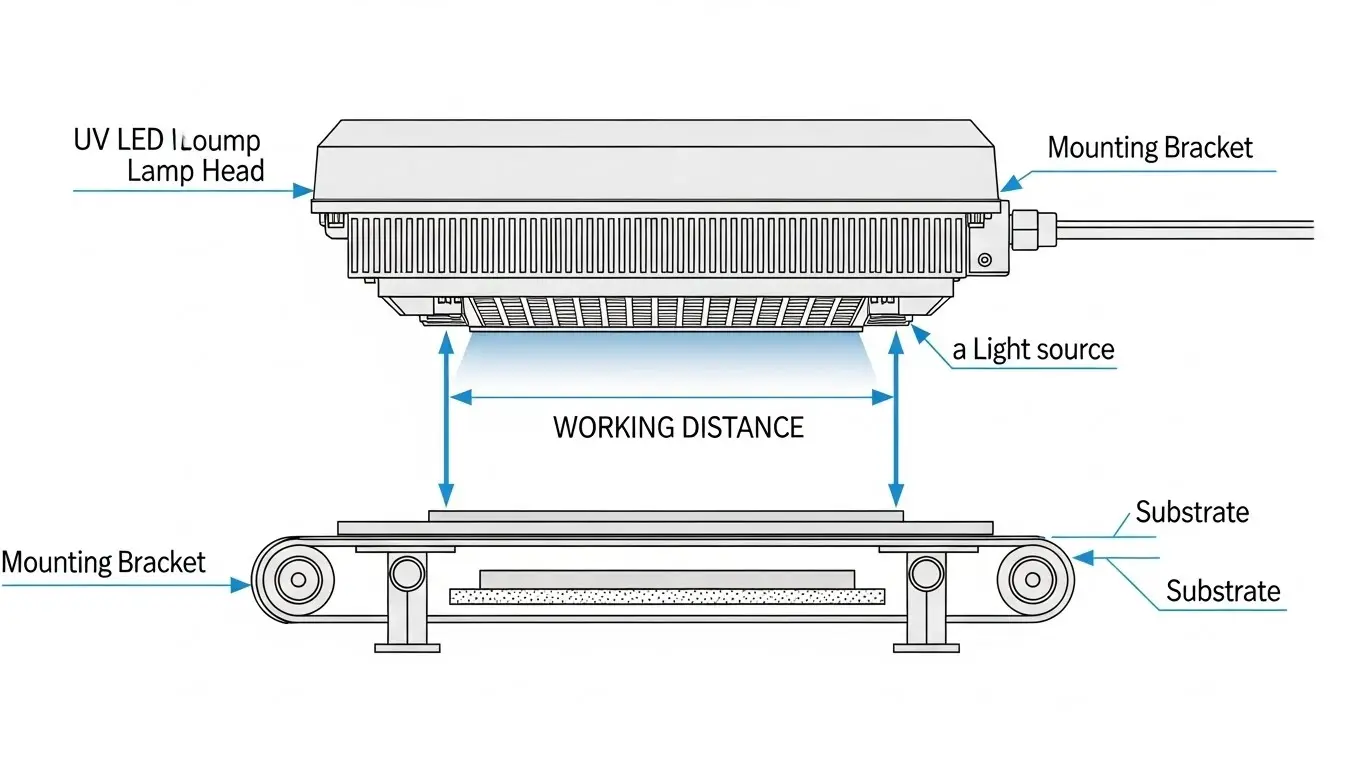
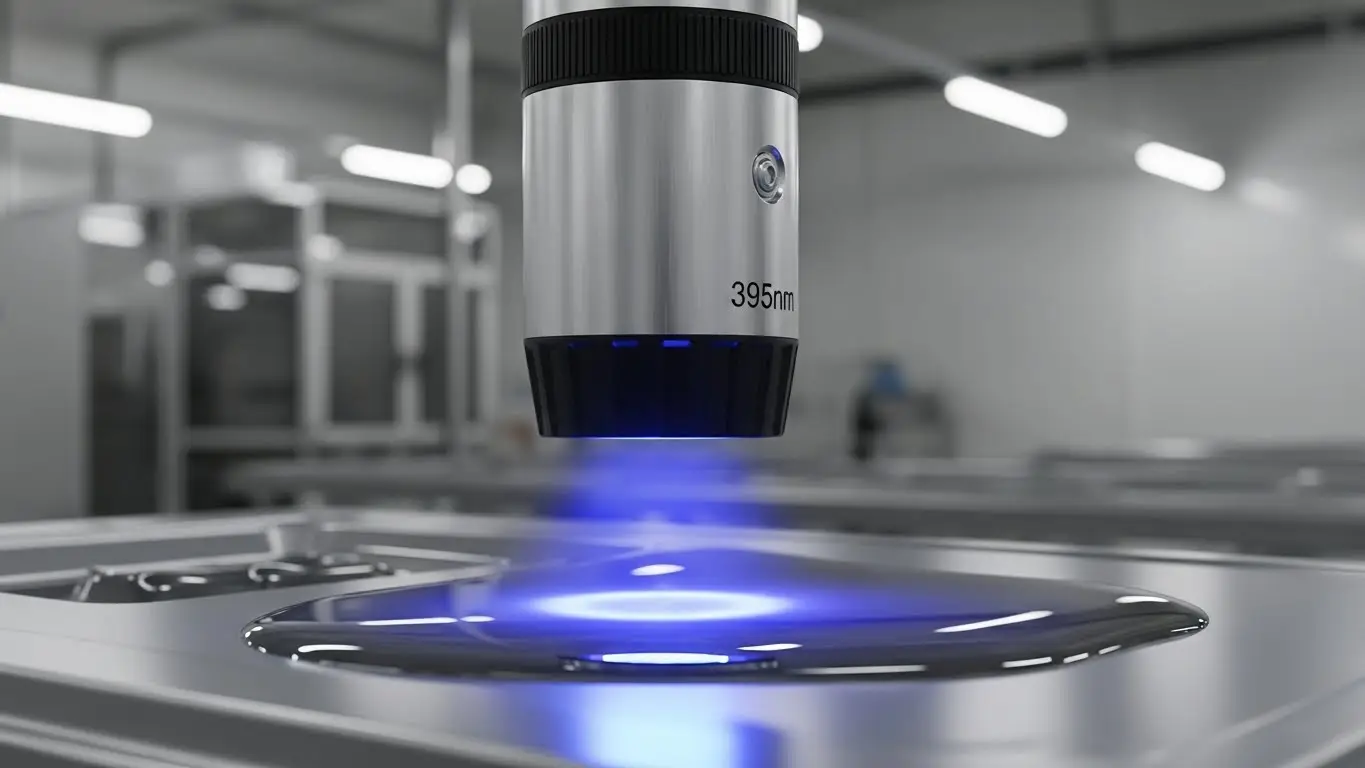
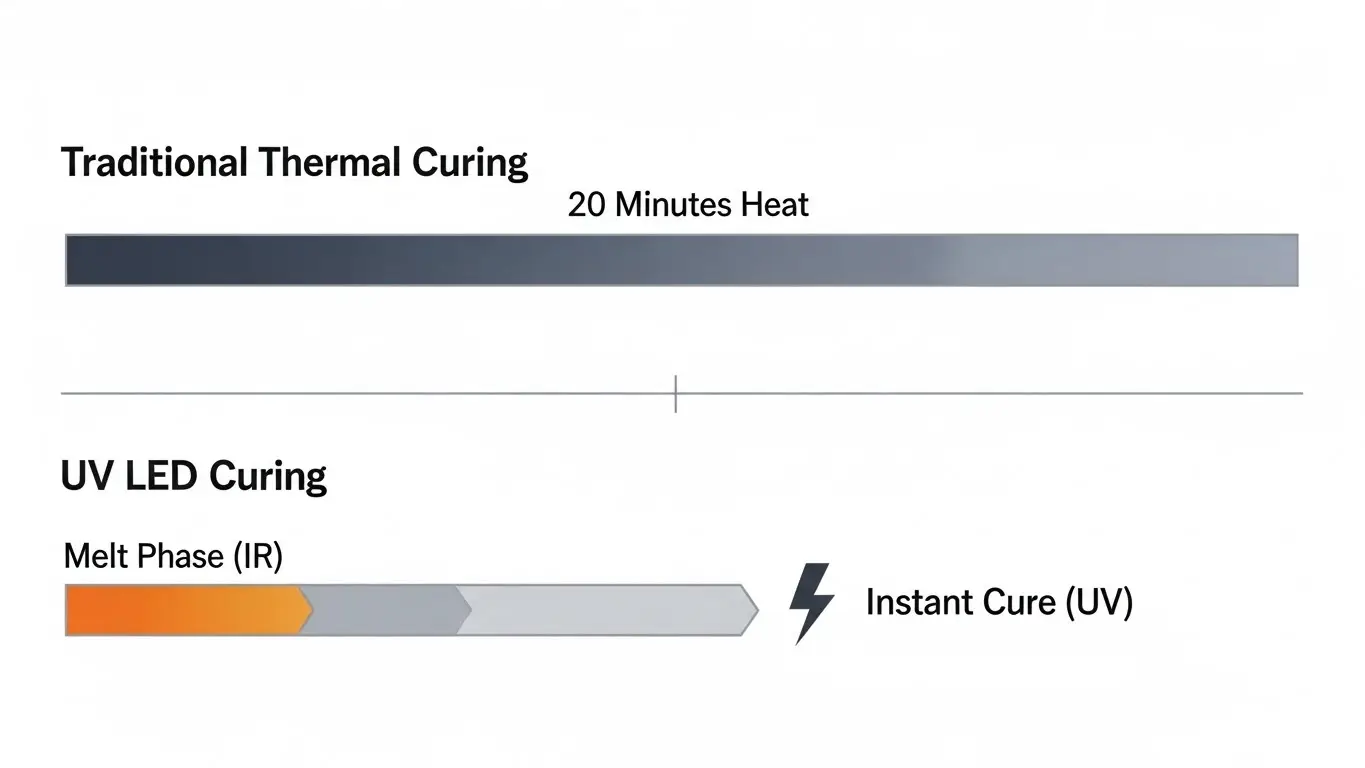
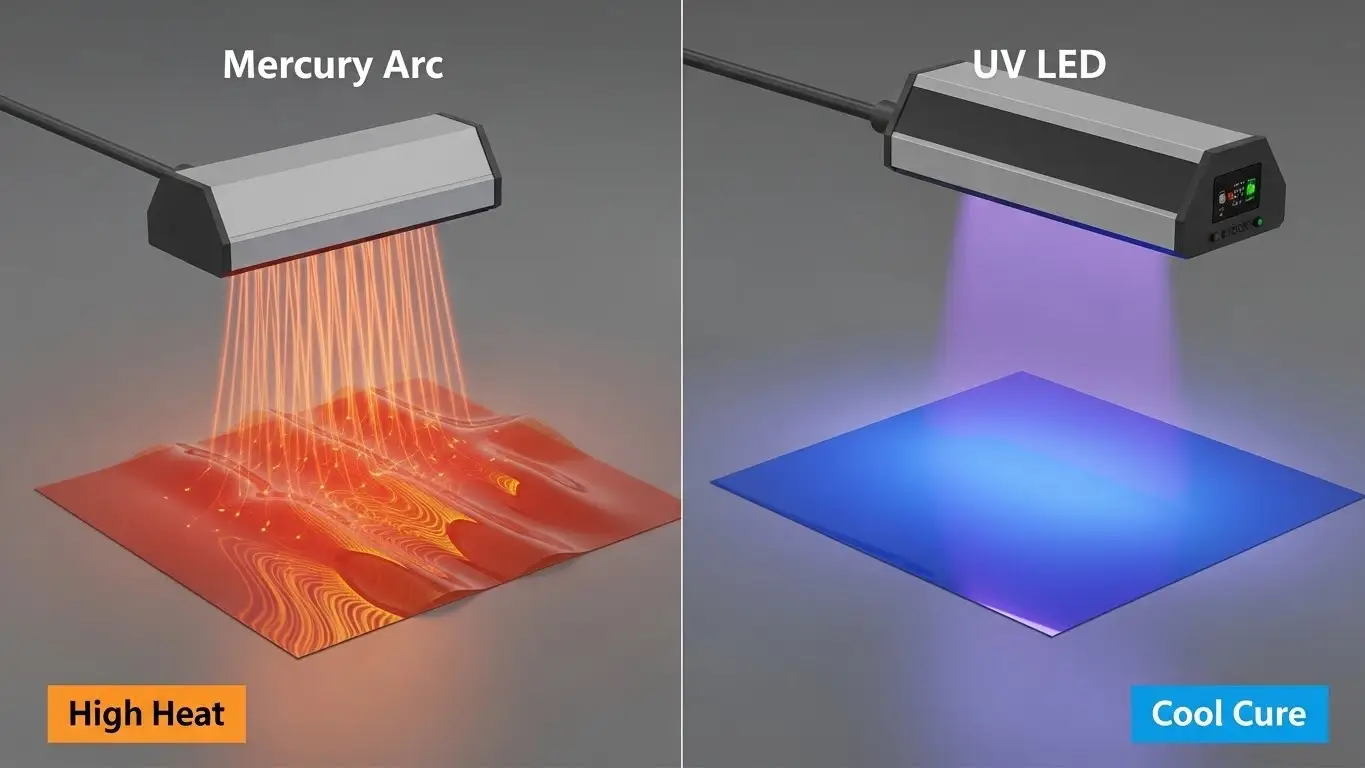
UV LED curing for heat sensitive substrates creates a critical advantage for manufacturers needing precise, high-speed production without thermal damage. Traditional mercury arc lamps often generate excessive infrared (IR) heat, causing warping, discoloration, or structural failure in delicate materials. Switching to UV LED technology eliminates most of this thermal transfer. However, success requires more than just swapping lamps; it demands a strategic approach to wavelength, irradiance, and thermal management. This guide details the best practices for achieving a perfect cure on even the most fragile substrates. Why Is UV LED Curing Superior for Heat-Sensitive Materials? UV LED curing systems virtually eliminate infrared radiation, directing energy solely into the UV spectrum required for polymerization. This "cold curing" process prevents the surface temperature spikes common with mercury lamps, protecting delicate substrates like thin plastic films, thermal labels, and electronic components from distortion while ensuring immediate adhesion. The "Cool Cure" Advantage Explained In our experience at UVET, the most common failure mode for heat-sensitive applications is not chemical, but physical. When a 12-micron PET film passes under a mercury arc lamp, the intense IR bombardment heats the substrate faster than the coating can cure. The result? "Cockling" or wrinkling that ruins the roll. ...


(1).png)
(2).png)
