
What is a Curing System?
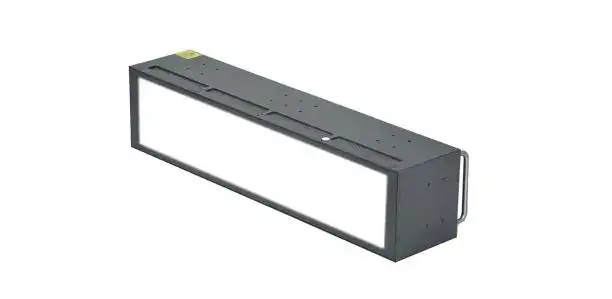
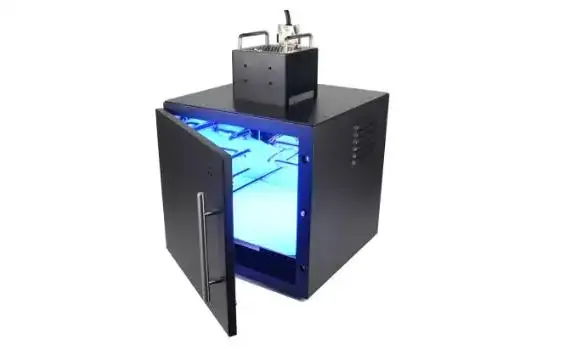
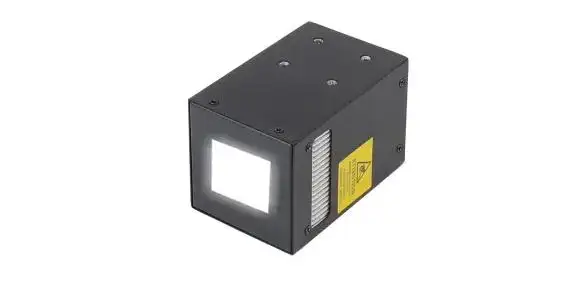
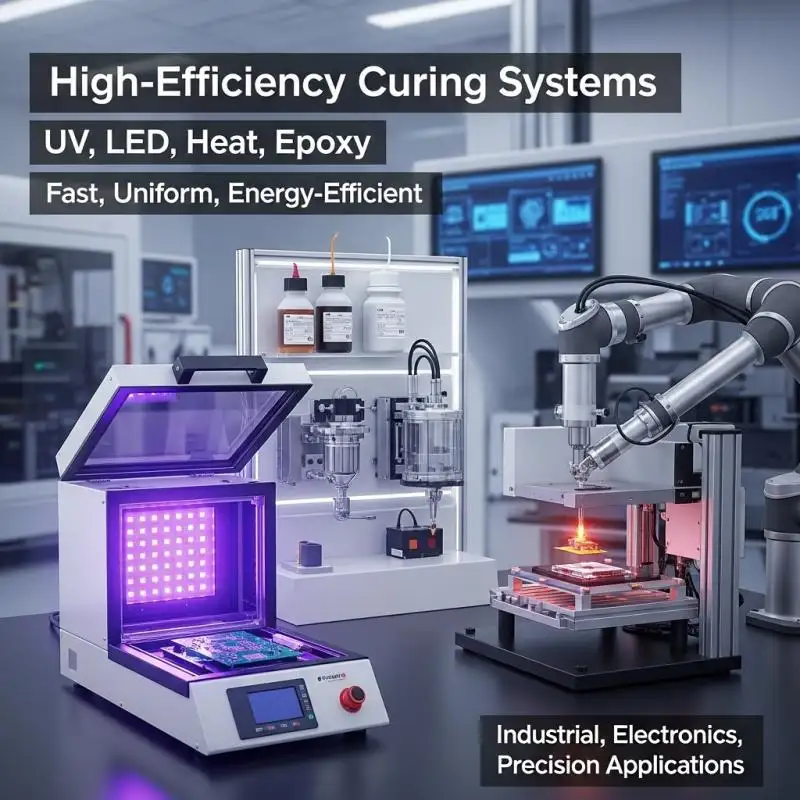
A curing system is a specialized arrangement that is used to speed up the hardening, polymerization, or bonding of materials by using carefully regulated heat, light, or other curing agents. It is also an important component in such processes as adhesive curing, crosslinking of polymers, drying of coating, and hardening of resin. These systems can be grouped into a few categories, and they include:
- Heat curing systems - Thermal energy is used to cure polymers, resins, or adhesives.
- UV curing systems - make use of ultraviolet light to cause polymerization of UV-sensitive materials.
- Infrared curing systems - utilize IR radiation to offer a rapid, uniform heating.
- LED curing systems are low-energy systems used in sensitive substrates that need precise curing by temperature.
- Epoxy curing systems - these are particular epoxy resin cure systems that are designed to cure epoxy resins used in electronics, automotive, and industrial sectors.
The curing process is of great importance to maintain the integrity of the material, the strength of the bond to be used, and the durability of the product in general.
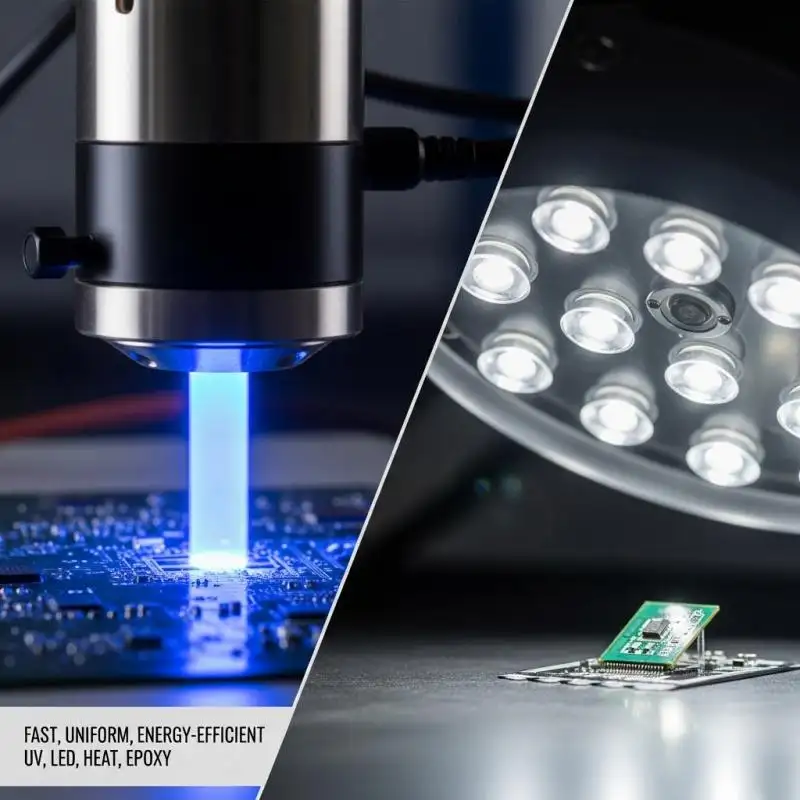
Types of Curing Systems
Industrial Curing Systems
The industrial curing system is flexible and common in all manufacturing industries such as automotive, electronics, printing and pharmaceutical industries. These systems are meant to accommodate large-scale production and have a controlled curing process as well as uniform results. Key features include:
- Batch curing systems - These are effective when the scale of production is small or medium.
- Continuous curing systems - recommended for high-throughput.
- Temperature-controlled curing- accurate thermal control to prevent substrate damage.
Industrial curing solutions enhance production efficiency and minimize waste, as well as enable optimization of the business process in curing.
Automatic Curing Systems
Automatic systems will increase the speed and precision of production as the number of people who have to interfere with it is minimized. These systems make use of sensors, programmable logic controllers (PLCs), and automatic conveyors in order to provide consistent curing. Benefits include:
- Lower manpower and labor expenses.
- Good process repeatability and consistency.
- Competence to combine with other manufacturing equipment.
Automatic systems are also becoming popular in industries demanding high efficiency curing, such as electronic assembly and automotive coating.
UV Curing Systems
Ultraviolet (UV) curing systems utilize UV irradiation to initiate the polymerization reaction of adhesives, coatings, or resins. Among various UV systems, UV tape systems are particularly noteworthy. These systems provide:
- High speed and consistent curing of UV-sensitive adhesives in micro-assembly, die bonding, and wafer processing.
- Better shear strength and reliability of the process.
- Low thermal radiation, shielding of sensitive substrates, such as wafers, optical films, and flexible electronics.
UV Tape Curing Systems - Ideal Cure, Sure Bond
UV Tape Systems are considered to be designed with precision industries in mind, which gives them a single point of difference compared to other solutions. Risk-free heating and efficient tape curing by use of high-intensity UV LED technology are vital in semiconductor packaging, electronics assembly, and glass processing.
These systems can be configured in either an inline or bench configuration, and also allow high-throughput applications. Their characteristics, such as instant-on, low power consumption, and ability to be stitched to tapes, are there to enhance adhesive bond strength.
- Nanotube Curing Accuracy
By precisely varying the UV wavelength, intensity, and exposure time, uniform curing is achieved over all batches to improve yield and repeatability.
- Reduced Heat Generation to Safeguard Fragile Substrates
UV LED curing protects fragile materials using little thermal radiation, protecting and healing wafers, optical films, and flexible substrates useful in semiconductor and display manufacturing.
- Controlled Release Cleaning Peel-Off
The system is ideal when using UV-sensitive peelable tapes, where the residue is free, and no damage to the tape is caused during the process, which increases efficiency in the production line. Heat systems utilize heat to cure polymers, adhesives, and coatings. The systems are common in the automotive and electronics as well as the aerospace sectors. Key features include:
- Curing sensitive substrates under temperature control.
- Quick-curing systems to enhance the throughput.
- Continuous or batch mode of operation.
The hardening of epoxy, resins, and coatings is done through thermal curing to provide a durable bond and long-lasting finish.
Infrared & LED Curing Systems
IRAS Infrared curing systems are used to provide rapid and even heating that is suitable for the curing of paints, setting adhesives, and drying of coatings. LED curing systems are resource-efficient and use less energy, fit in work-sensitive materials, and can be incorporated effortlessly into automated curing lines. Both systems offer:
- Exact temperature control during curing.
- Minimal energy consumption
- Continuous curing processes at high speed.
Electronics, printing, and curing composite material are some of the areas that have found these technologies handy.
Curing Solutions, Material Specific
Various materials need special curing methods:
- Epoxy curing system - electronics, automotive, industrial bonding.
- Rubber curing system- automotive parts, tires, and industrial gaskets.
- Concrete curing system - for civil construction and precast.
- Polymer curing equipment - to package, medical, and industrial.
- Composite material curing system - aerospace, automotive, and high- performance materials.
- Food preservation technology- safe preservation and processing.
- Pharmaceutical curing process - tablets, coating, and packaging.
Curing Systems application in industry
- Electronics Curing System
Critical to semiconductor assembly, LED encapsulation, and PCB coating, electronics systems use the technologies of UV, LED, and thermal curing in order to obtain accurate bonding and protection.
- Automotive Curing System
These systems are used in coatings, adhesives, and parts of the composite, which increase the durability and corrosion characteristics, as well as the aesthetic finish.
- Printing Curing System
The standard UV and LED curing are used in the printing industry, and this proves quick drying of inks and coatings with little consumption of energy.
- Food and Pharmaceutical Applications
Food systems provide safe curing of foods, whereas pharmaceutical systems provide curing stability and integrity by employing controlled curing processes.
Performance and Feature Highlights
- Quick systems- reduce the time of production and enhance the throughput.
- Curing systems with high efficiency - reduce the amount of energy used and maximize output.
- Controlled curing process - accurate control of temperature, time, and light intensity.
- Continuous system - suitable when operating at a high volume.
- Energy-saving curing - lowers the cost of operation and environmental impact.
Conclusion
Systems of curing, be it UV, thermal system, LED, infrared, or epoxy-based, are essential in contemporary manufacturing, precision industries, and the processing of materials. Their high technology, automation, and energy saving feature render them useless in producing high-quality products with high consistency. These systems offer flexibility to support semiconductors, electronics, automotive coating, and many other manufacturing processes. The future of manufacturing is in the precision, speed, and reliability that the curing system is bringing to all processes. Visit UVET.
Share on Social:


