
LED vs UV Curing Lamp: Which Is Better for Your Job?
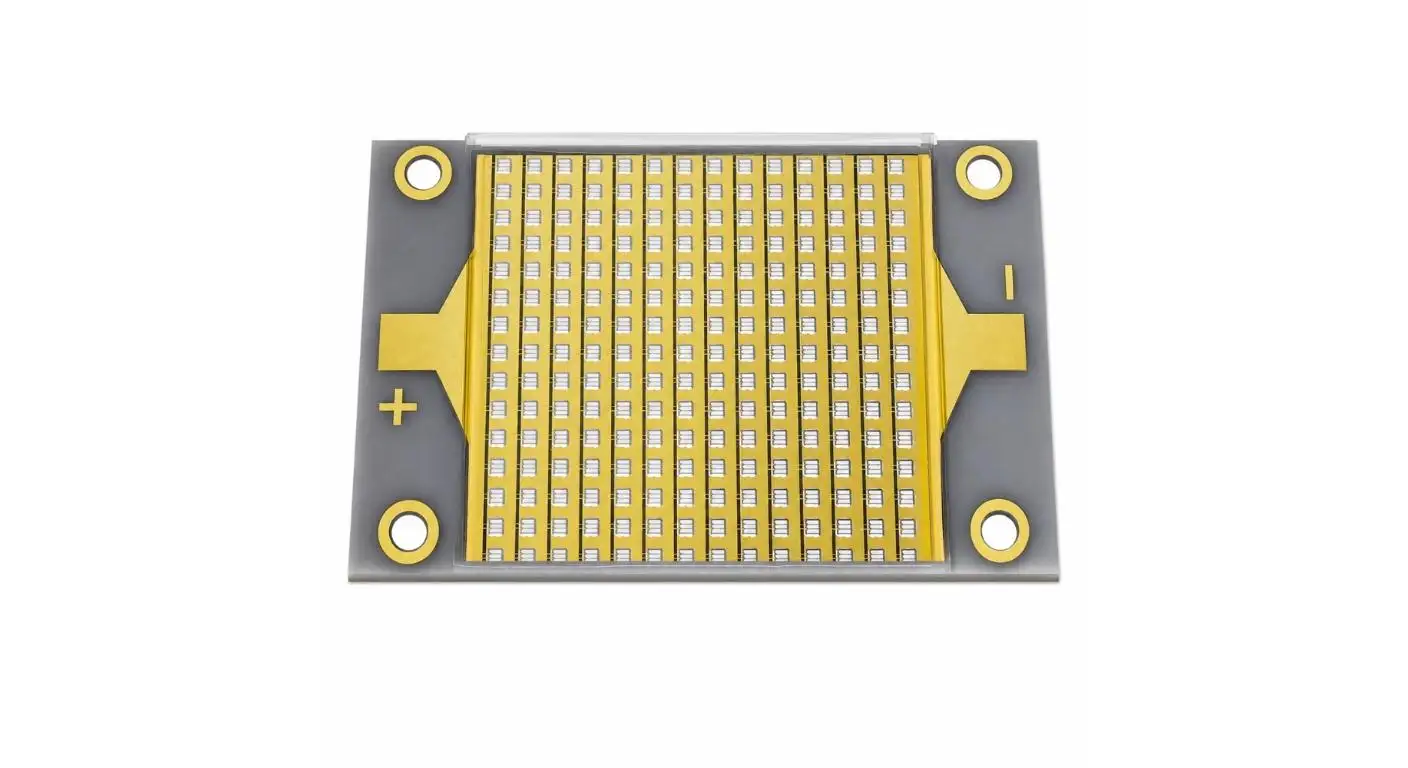
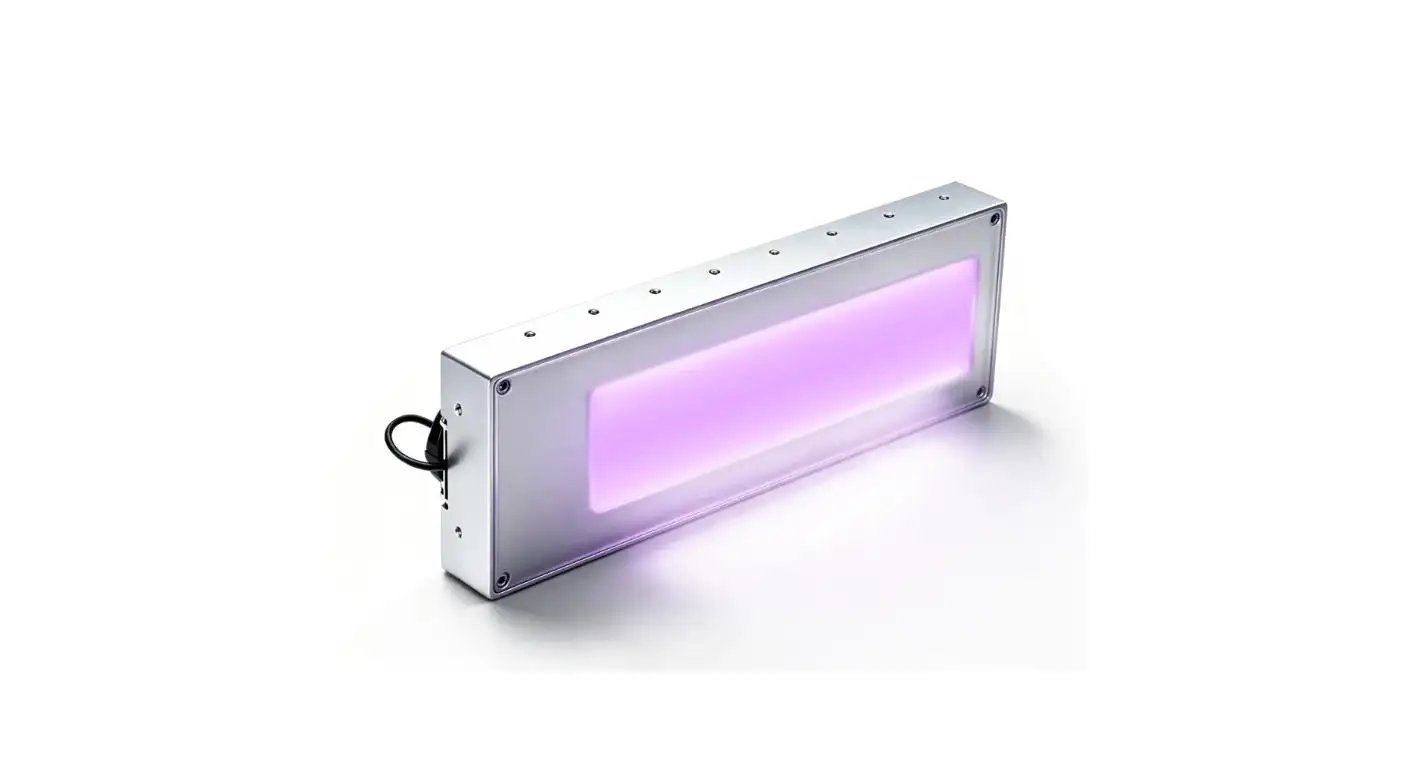
Choosing the right equipment for your production line often comes down to the choice between LED vs UV curing lamps. While both systems use ultraviolet energy to transform liquid coatings into solids, they differ significantly in their delivery, efficiency, and material impact. This guide compares the technical specifications and operational realities of each to help you determine which is better for your specific job.
What Are the Fundamental Differences Between LED and Traditional UV Curing Lamps?
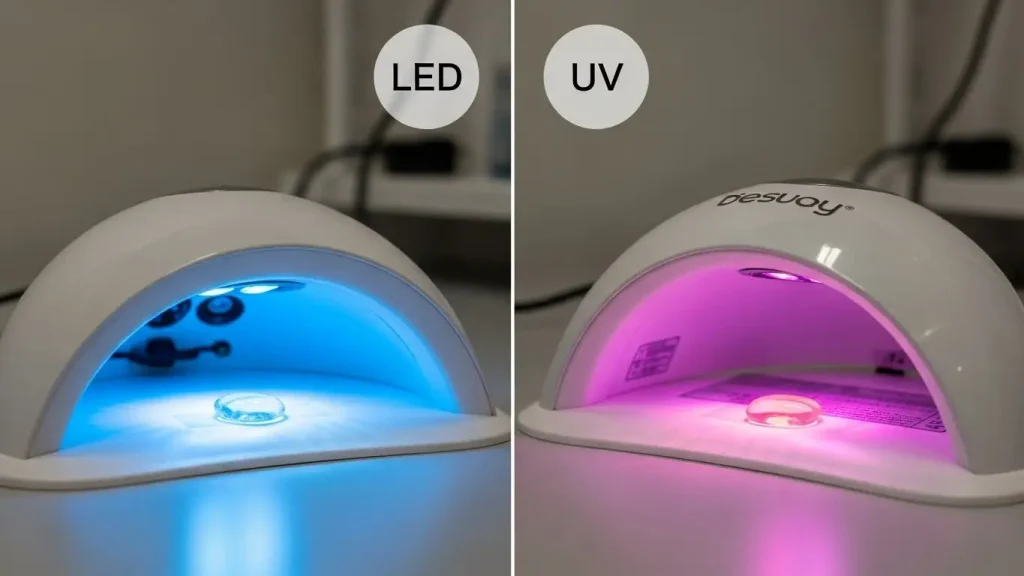
LED and traditional UV curing lamps differ in how they generate, deliver, and control UV energy. Traditional lamps, such as mercury arc or fluorescent tubes, create a broad spectrum of UV light by exciting gas within a bulb, which also produces significant heat and ozone. In contrast, LED lamps use light-emitting diodes to produce a narrow, targeted band of UV light (typically at 365 nm or 395 nm) without hazardous mercury or warm-up periods.
The spectral output of a traditional lamp is "broadband," meaning it covers UVA, UVB, and UVC regions. This makes it compatible with a wide variety of standard photoinitiators but also less efficient since much of the energy is wasted as heat. Your choice often depends on whether you need this broad compatibility or the precision and efficiency of a "narrowband" LED source.
Because LEDs are solid-state devices, they allow for instant-on/off functionality and precise intensity control. This technical shift from bulb-based to diode-based energy delivery is the primary driver behind modern improvements in production speed and energy savings across industrial sectors.
How Do Temperature and Heat Generation Compare Between LED and UV Curing Lamps?
LED and traditional UV lamps differ in heat characteristics, which affects part handling and the process environment. Traditional mercury lamps emit a high amount of infrared radiation, which can raise the surface temperature of your substrates by 60°C to 90°C. LED lamps produce very little infrared heat, making them a "cold" light source that is safer for heat-sensitive materials.
Excessive heat from traditional lamps can cause delicate substrates like thin plastics, films, or heat-sensitive electronics to warp, melt, or shrink. If your job involves these materials, an LED system allows you to cure them without damaging the part or requiring expensive cooling tunnels.
Additionally, the lower heat output of LEDs improves the working environment for your operators. You will notice a reduction in the need for high-powered exhaust systems to manage ambient temperatures in your facility. This cooler operation also protects the internal components of your machinery, leading to fewer heat-related mechanical failures.
What Are Practical Limitations of LED Curing Lamps?
LED curing lamps have practical limitations in some use cases, primarily regarding their narrow spectral range and material penetration. Because they lack the short-wave UVC rays found in traditional mercury lamps, they can sometimes struggle to achieve a full "surface cure," leaving the top of a coating slightly tacky.
You must ensure that your inks, adhesives, or coatings are specifically formulated for LED wavelengths. If you try to use a traditional "mercury-cure" resin with an LED lamp, it may not harden correctly because the photoinitiators are not triggered by the LED’s narrow light band.
Another limitation is depth of cure in highly pigmented or thick layers. While LEDs offer high intensity, the absence of a broad spectrum means you must carefully match the wavelength to your material’s absorption profile to ensure the light reaches the bottom of the layer.
What Does ROI Look Like When Comparing LED and UV Curing Lamps?
ROI comparison must consider both short- and long-term operational factors, including energy consumption, maintenance, and uptime. While the initial purchase price of an LED system is typically higher, the energy savings often exceed 70% compared to traditional systems. You also eliminate the cost of replacing bulbs every 1,000 to 2,000 hours.
LEDs provide a significant boost to your uptime because they do not require a 5- to 15-minute warm-up or cool-down cycle. You can turn them on and off instantly as products pass, which reduces idling energy waste. This "instant-on" capability can increase your daily throughput and reduce labor costs associated with machine wait times.
Over the long term, an LED array can last for over 20,000 hours of operation. In contrast, traditional UV tubes degrade steadily, requiring regular recalibration and replacement to maintain a consistent cure. When you factor in lower scrap rates and reduced hazardous waste disposal fees for mercury, the return on investment for LED often becomes clear within a few years.
When Might It Make Sense to Retrofit a Mercury UV Lamp to an LED System?
Retrofit decisions require evaluating process compatibility and expected benefits for your specific manufacturing line. You should consider a retrofit if your current mercury lamps are causing high scrap rates due to heat damage or if your maintenance costs are becoming a burden. It is also a strategic move if you are under pressure to meet environmental goals by removing mercury and ozone from your facility.
Before you make the switch, you must verify that your material suppliers can provide "LED-curable" or "dual-cure" versions of your current resins. A retrofit is not just an equipment change; it is a chemical alignment. You need to ensure that the lamp head fits into your existing machine footprint and that your power supply can support the new electronic drivers.
If your production involves frequent start-stop cycles, the instant-on nature of LED will provide an immediate boost to your efficiency. However, if your process relies on legacy coatings that are difficult to reformulate, you might find that keeping a traditional mercury lamp is more cost-effective in the short term.
What Criteria Should You Use to Decide Between LED and UV Curing Lamps?
Selection criteria should match specific job requirements and constraints, beginning with your substrate’s heat sensitivity. If you are working with thin films or plastics, LED is almost always the better choice. You should also evaluate your throughput requirements, as the instant-on nature of LED may be necessary for high-speed, automated lines.
- Material Compatibility: Does your adhesive or ink have a photoinitiator that matches the LED wavelength (e.g., 395 nm)?
- Operating Costs: Can your budget accommodate a higher upfront cost in exchange for a 70% reduction in electricity bills?
- Environmental Standards: Is your facility required to be mercury-free or ozone-free to meet regulatory compliance?
- Maintenance Resources: Do you have the staff to manage frequent bulb changes, or do you need a low-maintenance "fit and forget" system?
What Are the Key Takeaways on Choosing Between LED and UV Curing Lamps?
Choosing between LED and traditional UV lamps is a balance between initial investment and long-term operational efficiency. While traditional mercury lamps offer broad-spectrum compatibility and lower upfront costs, LED technology provides superior control, safety, and energy savings.
Your decision should be driven by the technical requirements of your substrate and the chemical properties of your coatings. For many modern applications, the reduced heat and lack of hazardous materials make LED the forward-looking choice. However, for legacy processes with broad spectral needs, traditional lamps still maintain a place in the industrial toolkit.
How Does LED Curing Compare to Traditional UV Curing Lamp Technology?
You can explore the fundamental physics and components of these technologies on our LED vs UV curing lamp and LED curing light vs UV pages. For a quick decision guide, visit our page on deciding between a UV or LED curing lamp.
How Does UV LED Curing Compare to Mercury UV Curing More Broadly?
To see how these technologies stack up across the entire manufacturing process, check our comparison of UV LED vs mercury UV curing. This provides a broader look at environmental and regulatory impacts.
What Temperature Differences Matter Between LED and UV Curing Lamps?
If you are concerned about material distortion, you can find specific data on UV LED curing temperature. This section explains the thermal impact on various substrates.
What Are the Limitations of UV LED Curing Systems?
Before committing, it is vital to understand the limitations of UV LED curing. This guide covers penetration depth and surface tack issues you may encounter.
How Do You Evaluate ROI When Switching or Comparing Lamps?
You can perform a detailed financial analysis using our guide to UV LED curing ROI. It covers electricity, labor, and maintenance cost variables.
What Should You Know About Retrofitting Mercury UV to LED?
Planning an upgrade requires specific technical steps. You can learn about replacing mercury UV with LED or the detailed retrofit process for your existing machinery.
What Safety Considerations Apply to LED and UV Curing Lamps?
To protect your operators and meet EHS standards, review the UV LED curing safety requirements. This explains why LED systems are generally considered safer in industrial settings.
What Checklist Helps You Decide Between LED vs Traditional UV Lamps?
When you are ready to make a final purchase, use our guide to choose a UV LED curing system. This checklist ensures you have evaluated all technical and process-related factors.
Final Thoughts on LED vs UV Curing Lamp Selection
Selecting the right lamp is ultimately about matching the light source to the specific chemistry and substrate of your product. As the industry continues to move toward more sustainable and precise manufacturing, the advantages of LED technology—such as low heat and high efficiency—are becoming the standard. By focusing on your long-term ROI and process stability, you can choose a system that not only completes the job but also improves your overall production quality.
Share on Social:


