
How to Match Photoinitiators to UV LED Wavelengths
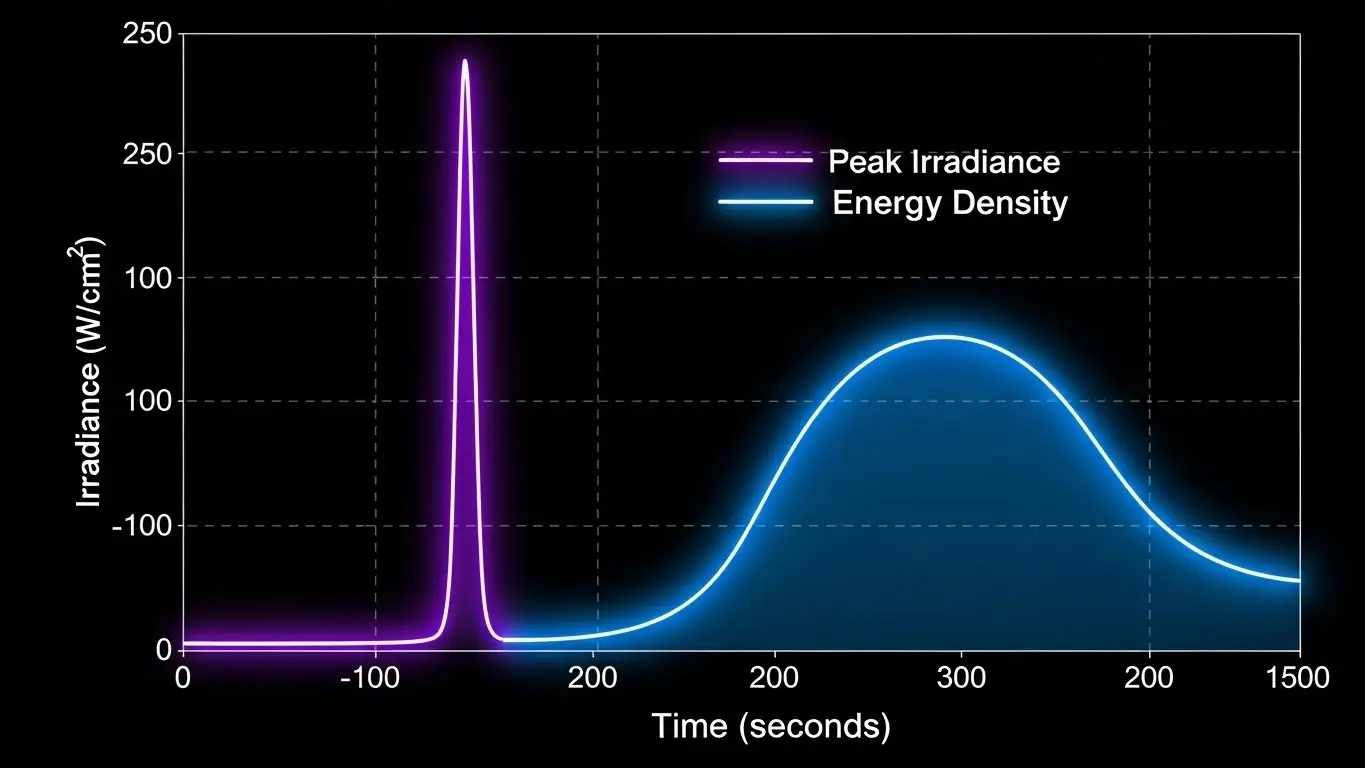
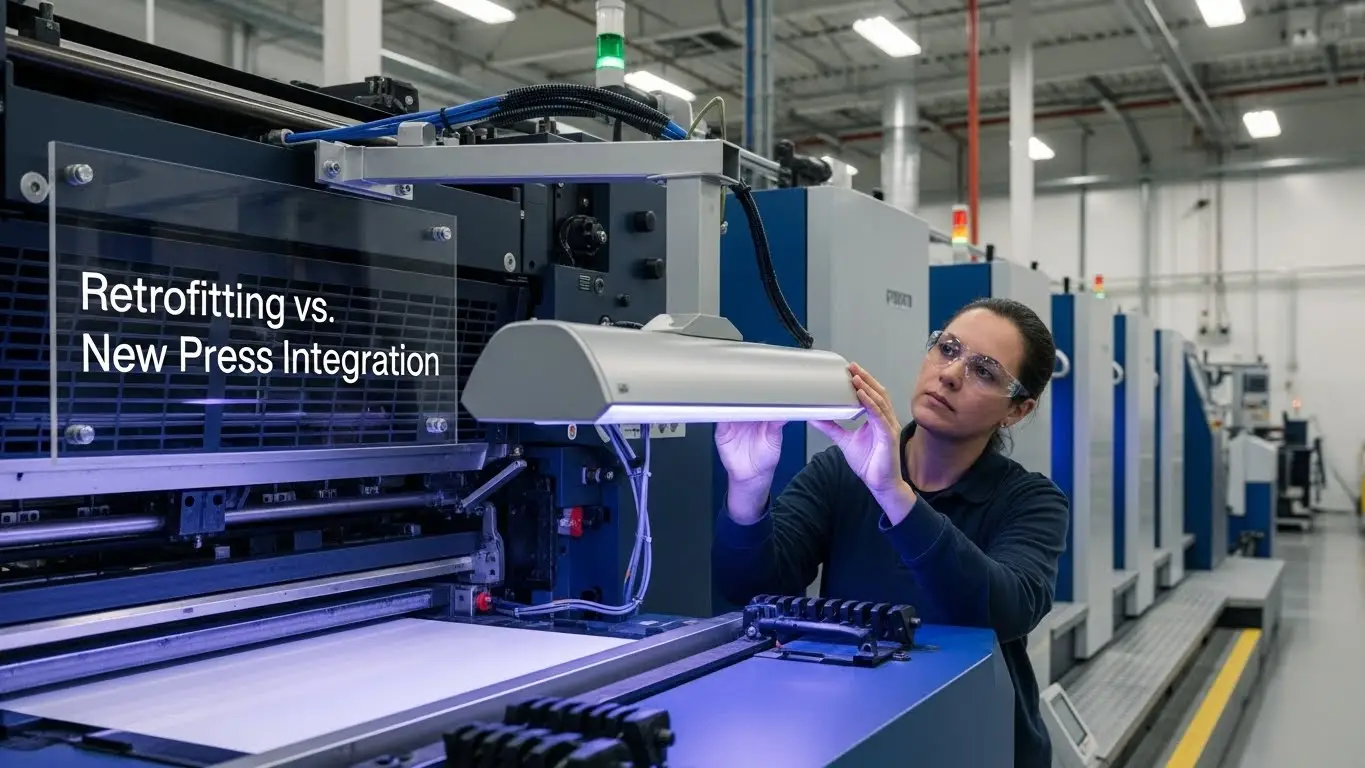
Achieving a high-performance industrial cure depends on the precise alignment between your light source and your material's chemistry. You will find that simply having a powerful lamp is not enough; the light must be "tuned" to the specific chemicals designed to harden your inks or adhesives. This guide explains how to match photoinitiators to UV LED wavelengths by evaluating absorption spectra and energy profiles. By mastering this technical pairing, you can ensure faster production speeds, stronger bonds, and a more reliable manufacturing process.
What Does It Mean to Match Photoinitiators to UV LED Wavelengths?
Matching photoinitiators to UV LED wavelengths means choosing initiators whose absorption peaks overlap the LED’s emission range. You must ensure that the specific "color" of ultraviolet light emitted by your diodes is the same frequency that your photoinitiator is designed to capture. Because LEDs emit a very narrow band of light—unlike the broad spectrum of traditional lamps—this overlap is critical. If the LED output falls outside the initiator's absorption window, the energy will pass through the material without triggering the hardening process, regardless of the lamp's intensity.
How Do Photoinitiators Interact With UV Light?
Photoinitiators work by absorbing specific UV wavelengths and converting that energy into radicals or ions that start polymerization. When you expose your liquid coating to the correct UV frequency, the photoinitiator molecules capture photons and enter a highly reactive state. This energy transfer breaks chemical bonds within the initiator, creating the reactive species needed to link monomers into a solid polymer chain. You can view the photoinitiator as the "spark plug" of the chemical reaction; it requires the right electrical frequency from the UV LED to ignite the curing process.
Why Does UV LED Wavelength Matter for Photoinitiator Performance?
UV LED wavelength matters because photoinitiators only initiate curing efficiently when the LED emission falls within their absorption range. You will notice that if the alignment is even slightly off, the "quantum yield"—or the efficiency of the chemical reaction—drops significantly. This leads to a slower cure and may require you to decrease your conveyor speed to compensate for the lack of efficient energy transfer. Proper wavelength alignment ensures that nearly every photon emitted by the LED is utilized to harden the material, maximizing your energy efficiency and production throughput.
What Photoinitiators Are Typically Used With Common UV LED Wavelengths?
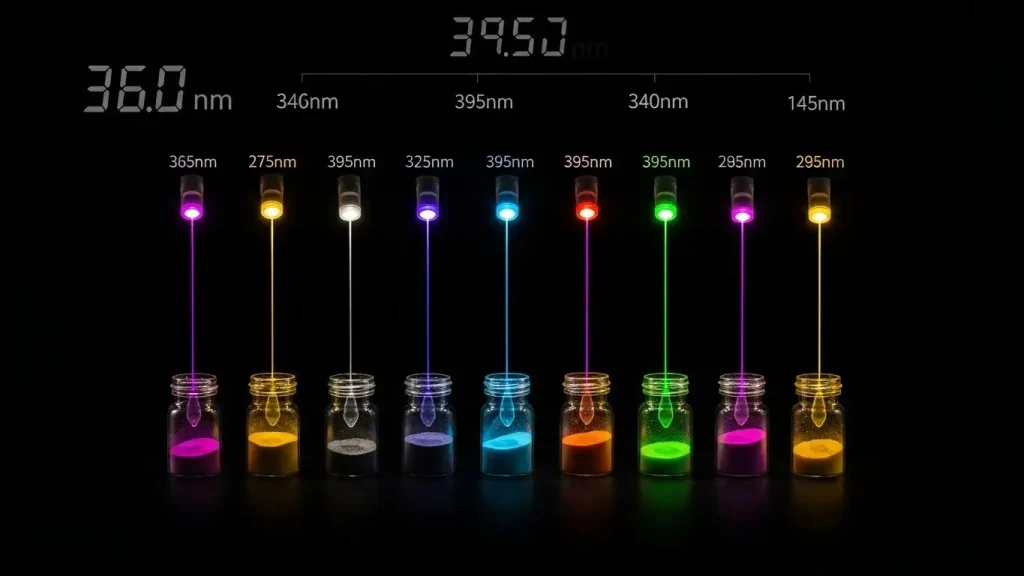
Different classes of photoinitiators tend to align with specific UV LED wavelength ranges such as 365 nm, 385 nm, 395 nm, and 405 nm. You will find that Type I initiators like Phosphine Oxides (TPO, BAPO) are the standard for 385 nm and 395 nm systems because they have strong absorption tails that extend into the longer-wave UVA region. For 365 nm systems, you might utilize Alpha-hydroxyketones, which are highly effective at capturing higher-energy, shorter wavelengths.
- 365 nm: Favors Alpha-hydroxyketones and some Benzophenones for surface hardness.
- 385/395 nm: Heavily relies on Acylphosphine oxides (TPO) for deep penetration.
- 405 nm: Requires specialized initiators like TPO-L or Titanocenes tuned for near-visible light.
- Dual-Cure: Many formulations use a blend of initiators to capture multiple energy peaks for a balanced finish.
How Do Material Characteristics Influence Wavelength and Photoinitiator Selection?
Material properties such as opacity, pigmentation, and thickness influence how well a chosen wavelength activates the photoinitiator throughout the part. You must account for the fact that pigments like carbon black or titanium dioxide can compete with your photoinitiator for UV light. If your material is very thick or dark, you will likely need a longer wavelength (like 395 nm) and a matching initiator that allows the light to travel deeper before being absorbed. Conversely, for clear, thin coatings, a 365 nm pairing may provide the best surface scratch resistance.
What Happens When Photoinitiators and Wavelengths Are Mismatched?
Mismatched photoinitiators and wavelengths often lead to incomplete curing, surface tack, or inconsistency in material properties. You may find that the top layer of your coating feels dry, but the material underneath remains liquid or "chewy." This occurs when the light is absorbed too quickly at the surface or not at all. Mismatches also frequently result in poor adhesion, where the cured material easily peels away from the substrate because the chemical reaction never reached the base layer. These inconsistencies can lead to high scrap rates and potential product failures in the field.
How Should You Evaluate and Select the Right Photoinitiator–Wavelength Pairing?
Evaluating the right photoinitiator–wavelength pairing involves reviewing absorption data, material characteristics, and production conditions. You should start by overlaying the spectral data sheet of your photoinitiator with the output graph of your LED lamp to visually confirm the overlap. Once a theoretical match is found, you must perform laboratory "ladder studies" where you test different concentrations of the initiator at your required production speeds to find the most efficient combination.
- Analyze Absorption Spectra: Ensure the initiator's peak absorption matches your LED peak.
- Evaluate Cure Depth: Confirm the wavelength can penetrate your material's specific opacity and thickness.
- Check Surface Tack: Verify that the pairing produces a fully hardened, non-sticky finish.
- Test Adhesion: Perform a cross-hatch or pull-test to ensure the bond reaches the substrate.
- Validate Process Speed: Confirm the cure is completed within your required conveyor dwell time.
What Are the Key Takeaways on Matching Photoinitiators to UV LED Wavelengths?
The success of your UV curing process is defined by the synergy between your light source and your chemical initiators. You get a faster, more reliable result when you prioritize spectral matching over raw power.
- LED curing requires a narrow-band overlap between light and chemistry.
- Longer wavelengths (395 nm) are better for deep penetration in opaque materials.
- Shorter wavelengths (365 nm) are ideal for surface hardness and clear coatings.
- Always verify material compatibility with a technical ladder study before full production.
How Do UV LED Wavelengths Differ Across the Curing Spectrum?
To understand the core differences between various light sources, you can view our guide on the UV LED curing wavelength spectrum. This explains where common industrial peaks sit and how their energy levels vary.
How Should You Choose a UV LED Wavelength for Your Material?
Selecting the right frequency requires a structured approach to evaluation. Use our checklist to choose a UV LED wavelength based on your materials, production speed, and quality standards.
What Should You Know About 365 nm UV LED Curing?
If your process requires high energy for clear adhesives or legacy chemistry, 365 nm remains a powerful tool. Explore the hardware and initiator needs for 365 nm UV LED curing to see if it fits your specific job.
How Do 365 nm and 395 nm UV LEDs Compare?
For many shops, the decision comes down to these two common frequencies. You can read a direct comparison of 365 nm vs 395 nm UV LED curing to see how they impact depth and surface hardness differently.
What Should You Know About 385 nm UV LED Curing?
The 385 nm range offers a balanced approach for manufacturers handling a variety of resins. Check the 385 nm UV LED curing guide to see if this versatile middle-ground wavelength fits your production needs.
What Should You Know About 395 nm UV LED Curing?
As the mainstream choice for modern inks and high-speed lines, 395 nm has specific chemistry requirements. Look at the 395 nm UV LED curing lamp specs to ensure your photoinitiators are properly tuned for this frequency.
What Should You Know About 405 nm UV LED Curing?
For near-visible light applications or very sensitive substrates, 405 nm is a specialized solution. Explore the 405 nm UV LED curing characteristics to see how it behaves with long-wavelength initiators.
What Common Misconceptions Exist Around Wavelength and Photoinitiator Matching?
A common misconception is that "more power" can fix a wavelength mismatch. In reality, if your photoinitiator cannot absorb the light, increasing the intensity will only generate excess heat without improving the cure. Another myth is that all photoinitiators work the same. You must use initiators that are specifically "LED-optimized," as traditional chemicals often require the UVC wavelengths that LEDs do not provide. Always rely on spectral data rather than general product categories.
Final Thoughts
Finalizing your material-to-light pairing is a technical milestone that secures your production quality. As UV LED technology continues to evolve, the ability to match your chemistry to your equipment will remain your most effective way to lower energy costs and reduce waste. By focusing on the absorption peaks of your photoinitiators and the spectral output of your lamp, you build a foundation for a repeatable, high-speed manufacturing process. The right match does not just cure your product; it optimizes your entire production cycle for long-term success.
Share on Social:


