
UV LED Curing Systems: How It Works, Benefits, and Use Cases
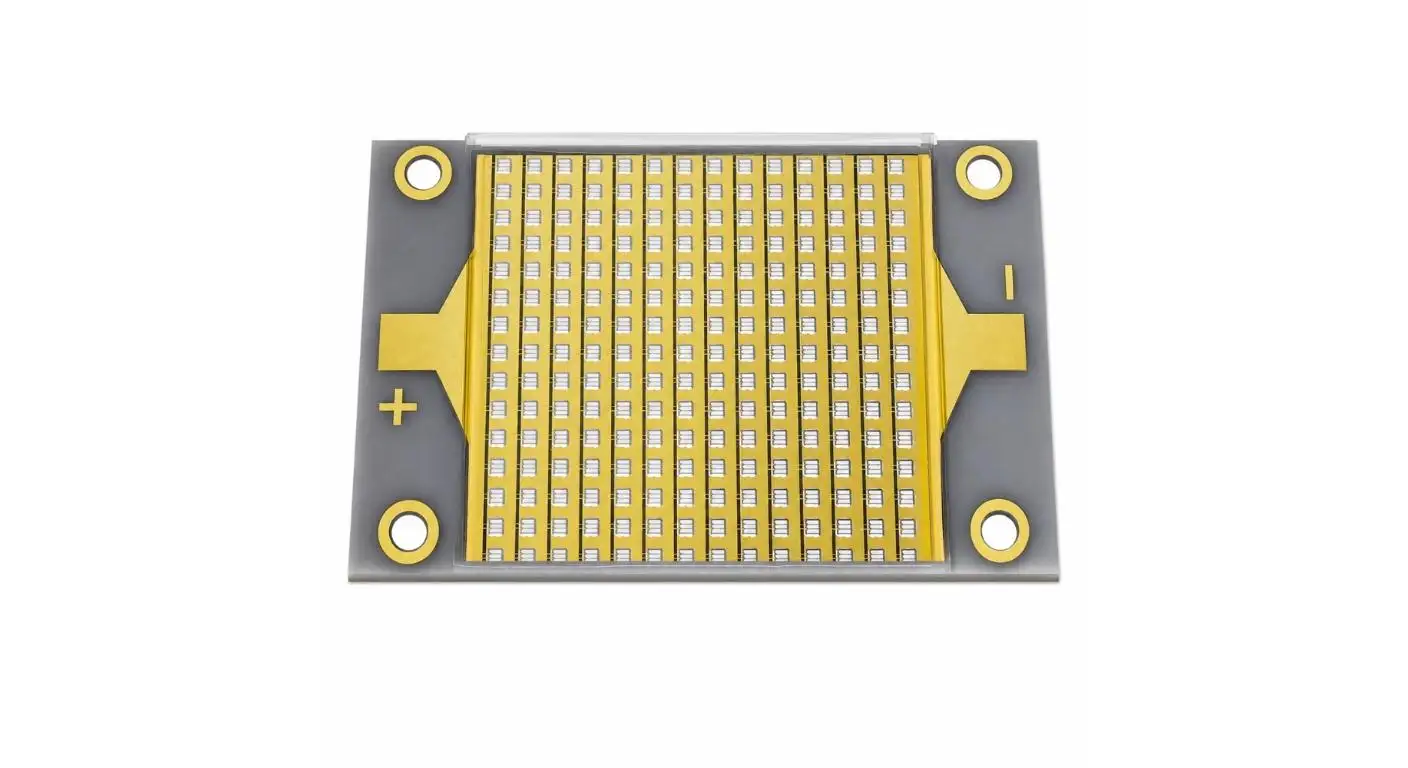
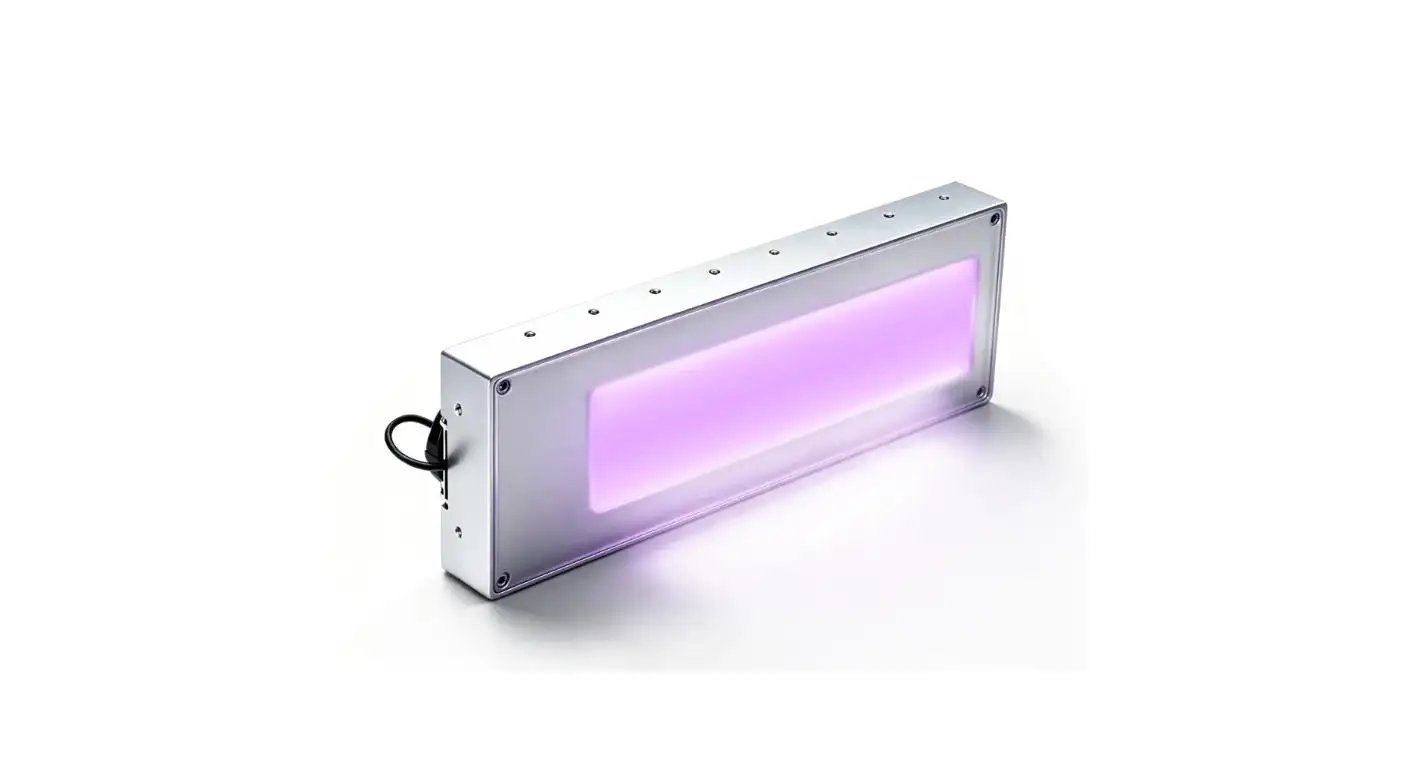
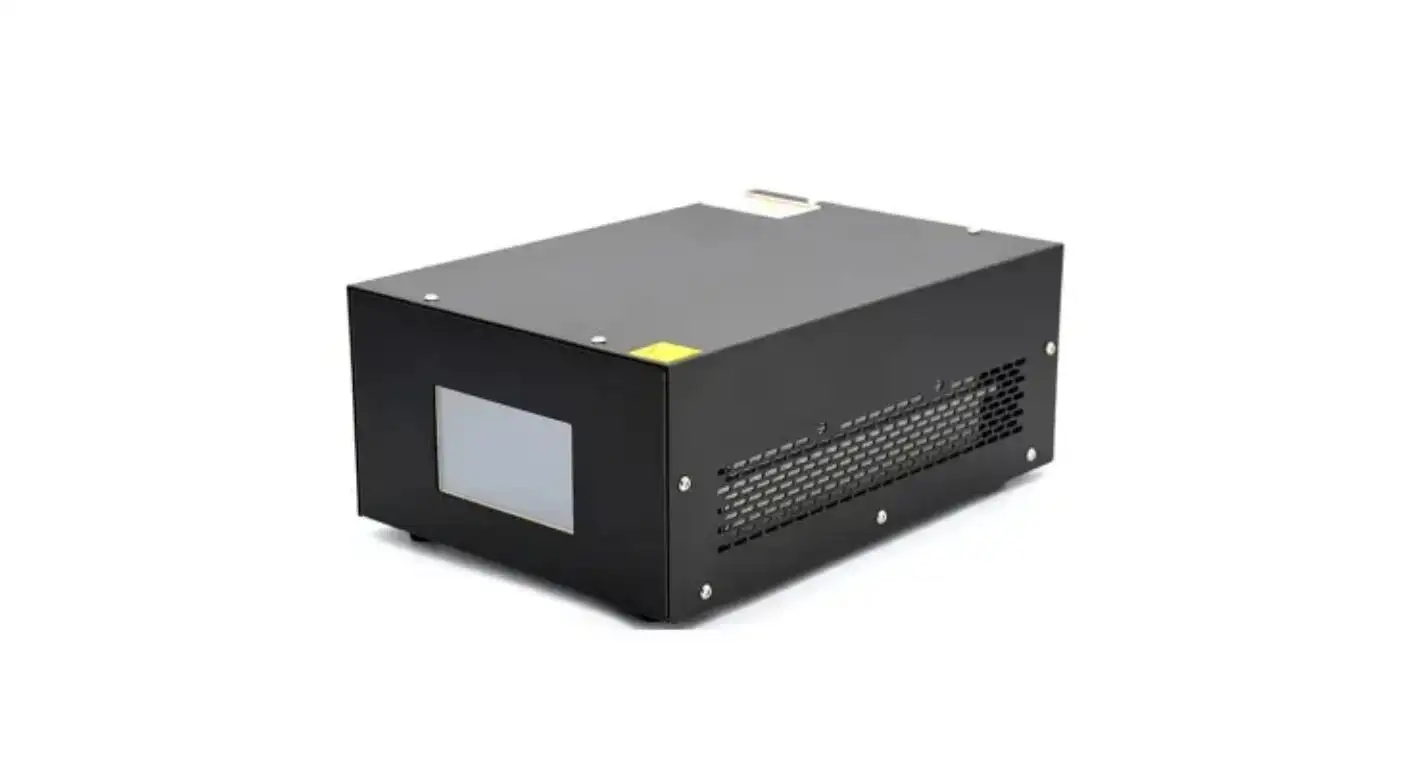
UV LED curing systems give you a way to harden inks and coatings using light instead of heat. This technology offers you better control over your production line while cutting down on energy costs. By using specific light wavelengths, you can finish products faster and with less waste. This guide shows you how the process works, why industries use it, and how you can select the right system for your needs.
When you look at modern manufacturing, you see a push for cleaner and faster methods. UV LED curing fits this perfectly by removing the need for toxic mercury and long drying times. You get a system that starts up instantly and produces high-quality results on almost any surface. Whether you are in printing, electronics, or medical manufacturing, understanding this tool is the first step toward a more efficient shop floor.
What Is a UV LED Curing System?
A UV LED curing system uses light-emitting diodes to generate ultraviolet energy. This energy causes a chemical reaction that instantly hardens inks, coatings, or adhesives on your product. Unlike traditional heat drying, this light-based process stays cool and works in seconds, allowing you to move items through your production line much faster.
When you examine your current setup, you might find that drying is your biggest bottleneck. Traditional methods often rely on heat to evaporate liquids, which is slow and uses a lot of power. UV LED curing changes this by focusing on the chemistry of your materials. By hitting your coatings with a precise band of light, you turn them from liquid to solid in the blink of an eye.
This system is built from several parts that must work together. You have the LED chips that produce the light, a power supply to keep the energy steady, and a cooling system to protect the electronics. Because it is compact, you can fit it into tight spaces where an old-fashioned oven would never fit. You also gain the ability to cure materials that are sensitive to heat, like thin plastics or delicate films. This means you can say yes to jobs that were previously impossible with mercury-based systems.
How Does UV LED Curing Work?
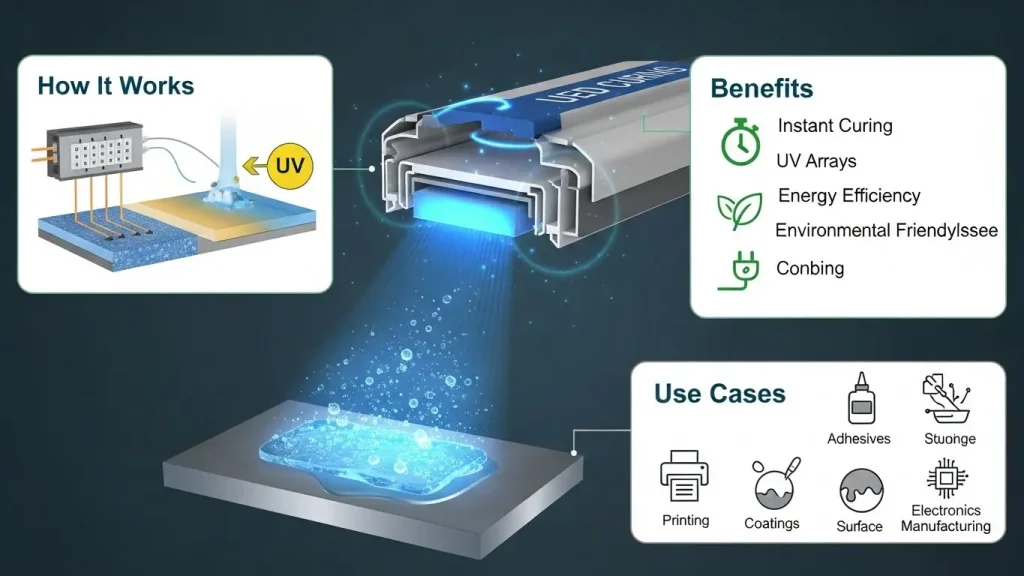
The UV LED curing process works through a chemical reaction called photopolymerization. When you expose UV-sensitive resins or inks to the specific wavelength emitted by the LEDs, photoinitiators within the liquid absorb the energy. This causes the molecules to link together instantly, turning the liquid into a solid, dry film.
You can think of this as a highly controlled chain reaction. In your standard production, your material stays wet until it passes under the light source. The moment that light hits, the photoinitiators break apart and create free radicals. These radicals grab onto the monomers and oligomers in your ink, forcing them to bond into long, strong chains. This happens in less than a second.
How UV LED curing works also gives you the power of "instant on and off." You don't have to wait for the system to warm up. This is a huge benefit for your workflow. If your line stops for a break or a jam, the lights go out. When you are ready to start again, the light is at full strength the moment you push the button. This precision ensures that every inch of your product gets exactly the same amount of light, which prevents soft spots or uneven finishes.
What Are the Key Components of a UV LED Curing System?
A complete UV LED curing system consists of the LED light engine, a dedicated power controller, a cooling mechanism, and specialized optics. These parts work together to deliver a consistent dose of UV energy to your product. Without these coordinated elements, you wouldn't achieve the high-quality finish your customers expect.
The LED Light Engine
This is the heart of your system. It contains an array of semiconductors that convert electricity directly into UV light. Because these diodes are small, you can pack hundreds of them into a single lamp head. This gives you a very intense light output that is even across the entire width of your production line.
Power Supplies and Controllers
You need a steady flow of electricity to keep your LEDs running at the right intensity. Your controller manages this flow. If the power spikes or dips, the controller smooths it out. You can also use the controller to dim the lights or pulse them. This lets you match the light output to the speed of your conveyor belt, which saves energy and protects your materials from getting too much light.
The Cooling System
Even though LEDs are much cooler than mercury bulbs, they still get warm inside. To keep them running for 20,000 hours or more, you must remove that heat. You will usually choose between air cooling or water cooling. Air cooling uses fans and is easy to maintain. Water cooling uses a chiller and is better for high-speed lines where you need maximum power in a small space. Check your UV LED curing equipment specs to see which fits your shop best.
Optics and Focus
The light from an LED spreads out naturally. To get the best cure, you often need to focus that light. Your UV LED curing light uses lenses or reflectors to point the energy exactly at your product. This ensures that you don't waste light on the floor or the walls of your machine. It also helps the light reach into deep crevices or around curved edges of your parts.
What Are the Benefits of UV LED Curing Systems?
The main benefits of UV LED curing systems include high energy efficiency, a longer lifespan of up to 20,000 hours, and a much cooler operating temperature. You also get a safer work environment because these systems do not produce ozone or contain toxic mercury. These advantages lead to lower operating costs for your business.
When you look at your overhead, electricity is likely a major cost. UV LED systems can cut your power use by more than half. Unlike mercury lamps that stay on all day, LEDs only use power when they are actually curing your product. You also avoid the cost of replacing bulbs every few months. An LED system can run for years without any drop in performance.
Your shop floor also becomes a better place to work. You don't have the intense heat radiating off the machines, which keeps your air conditioning costs down. You also remove the smell of ozone, which can be irritating to your workers. By choosing UV LED curing benefits, you are making a choice that is good for your wallet and your team's health.
How Does UV LED Curing Compare to Traditional UV Curing?
UV LED curing differs from traditional mercury UV curing by using a narrow light spectrum and consuming up to 70% less energy. Mercury lamps produce a wide range of light, including heat and ozone-producing rays that you don't actually need for curing. LEDs provide only the specific wavelength required, making them safer and more precise.
If you compare the two, the first thing you notice is the heat. Mercury lamps run at very high temperatures. This heat can warp plastic, dry out paper, or damage electronic parts. In UV LED vs mercury UV curing, the LED system stays cool. This allows you to print on thin films and heat-sensitive substrates that would melt under a mercury bulb.
Maintenance is another big difference. Mercury lamps need to be cleaned and replaced often. They also contain mercury, which is a hazardous material. If a bulb breaks, you have a dangerous spill to clean up. With LEDs, there is no mercury and no glass to break. This simplifies your waste disposal and keeps your production running without the frequent stops needed for lamp changes.
What Are Common Use Cases of UV LED Curing Systems?
You will find UV LED curing systems used in industries ranging from high-speed printing to medical device assembly. Because the technology is compact and stays cool, you can integrate it into almost any production environment. Its versatility allows you to use it for bonding, coating, and sealing various industrial parts.
Printing and Packaging
In your printing business, speed is the key to profit. You can use UV LED curing applications to dry inks on labels, boxes, and pouches instantly. This means you can ship orders the same day they are printed. You also get better color quality because the ink doesn't have time to spread or soak into the material before it hardens.
Electronics and PCBs
When you build circuit boards, you need to protect them from moisture and dust. You can use UV LED systems to cure conformal coatings in seconds. The low heat ensures that your sensitive chips and connectors are not damaged during the process. You can also use it to bond small parts together with high precision.
Medical Device Assembly
For products like catheters or syringes, the bond must be perfect every time. UV LED systems provide the consistency you need to meet medical standards. You get a strong, clear bond that doesn't yellow over time. Because the systems are so clean, they are perfect for use in cleanroom environments.
Automotive Parts
You can use these systems to apply hard coatings to headlights, trim pieces, and even engine components. The UV-cured finish is very resistant to scratches and chemicals. This keeps your automotive parts looking new even after years of use in harsh conditions.
What Factors Should You Consider When Choosing a UV LED Curing System?
When you choose a UV LED curing system, you must consider the wavelength, the intensity of the light, and your specific line speed. You also need to ensure that your inks or adhesives are formulated to react with the specific UV wavelength your system provides. Matching these factors is key to a successful setup.
Wavelength is your most important choice. Most systems run at 365nm or 395nm. You need to talk to your ink supplier to see which one works best for your material. If the wavelength is wrong, the surface might feel dry, but the bottom layer will still be wet. This can lead to the coating peeling off later.
You also need to look at the "working distance." This is the gap between the light and your product. If the light is too far away, it loses its power. If it is too close, it might get hit by the product. Choosing a system with the right lenses can help you cure uneven or 3D parts without losing intensity. Finally, consider your long-term costs. While an LED system costs more at the start, the savings in power and bulbs usually pay for the system in less than two years.
What Safety Considerations Apply to UV LED Curing?
Safety in UV LED curing focuses on protecting your eyes and skin from direct light exposure. While these systems don't produce harmful ozone, the concentrated UV light can still cause burns or eye damage if you look at it directly. Using proper shielding and personal protective equipment is essential.
You should always make sure that your lamps are shielded. This means building a metal or UV-proof plastic box around the curing area so no light leaks out. If you have to work near the light, you must wear safety glasses that are rated for UV protection. You should also cover your skin with long sleeves and gloves to prevent "sunburn" from the intense light.
One of the best things about UV LED curing safety is the lack of chemicals. You don't have to worry about breathing in ozone or handling mercury. This makes your workplace much healthier for you and your team. Just remember to keep the cooling fans clean and the optics clear of dust to prevent the system from overheating.
Final Thoughts on UV LED Curing Systems
UV LED curing systems represent a major shift in how you finish and bond products. By moving away from heat and mercury, you gain a tool that is faster, safer, and cheaper to run. Whether you are printing labels or building complex electronics, this technology provides the precision you need to stay competitive.
As you plan your next equipment upgrade, think about how much time you lose to drying. A UV LED system can turn a 20-minute drying cycle into a one-second cure. This increase in speed can help you grow your business and improve your bottom line. With the right wavelength and a well-matched system, you will see a massive improvement in your production quality.
Frequently Asked Questions About UV LED Curing Systems
What materials can UV LED curing systems cure?
You can cure a wide range of UV-sensitive inks, adhesives, and coatings. This includes materials used on paper, plastics, glass, metal, and wood. As long as the material contains photoinitiators that match the light’s wavelength, you can achieve a full, durable cure in seconds.
Is UV LED curing safer than mercury UV curing?
Yes, it is much safer for your team. You won't have to deal with toxic mercury, and the systems don't produce ozone gas. This removes the need for expensive exhaust systems and simplifies your safety training, while also reducing the risk of fire from high-heat bulbs.
What wavelengths are used in UV LED curing?
Most industrial systems use wavelengths between 365nm and 405nm. The most common choices are 385nm and 395nm. You must match the wavelength of your light source to the specific requirements of your ink or coating to ensure the material hardens correctly throughout.
Can UV LED curing fully replace mercury UV curing?
In most cases, yes. While some very specific legacy coatings still require the broad spectrum of mercury, almost all modern inks and resins have LED-compatible versions. You can now use LEDs for everything from thin-film printing to thick industrial coatings with great success.
How long do UV LED curing systems last?
You can expect your UV LED light source to last between 20,000 and 30,000 hours of active use. This is significantly longer than the 1,000 to 2,000 hours you get from mercury bulbs. This longevity means you spend less time on maintenance and more time on production.
Can UV LED systems integrate with existing production lines?
Yes, you can easily add these systems to your current setup. Because they are compact and don't require large cooling ducts, they fit into tight spaces on your conveyor or printing press. Most systems offer digital controls that plug directly into your existing machine logic.
Share on Social:


