
UV LED Curing Light: What to Look For (Power, Coverage, Wavelength)
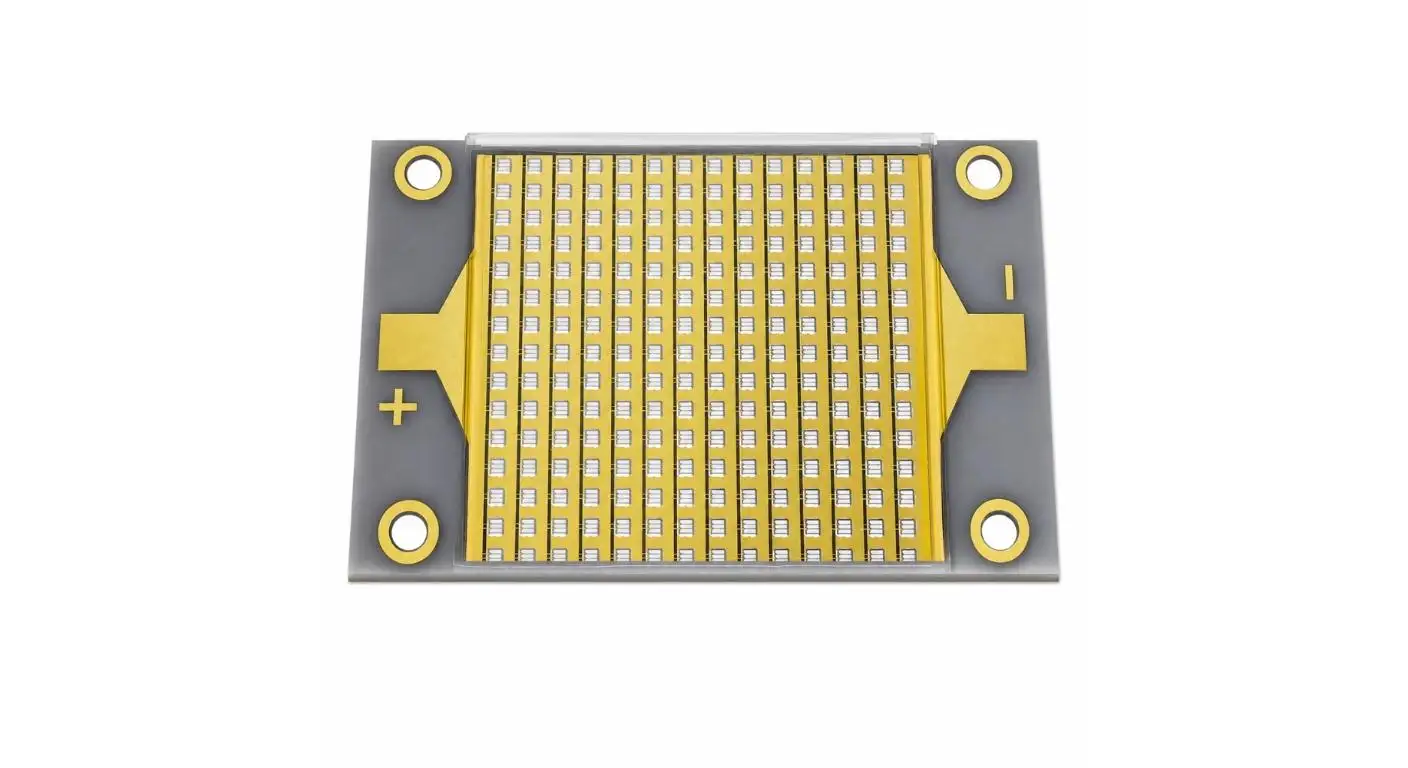
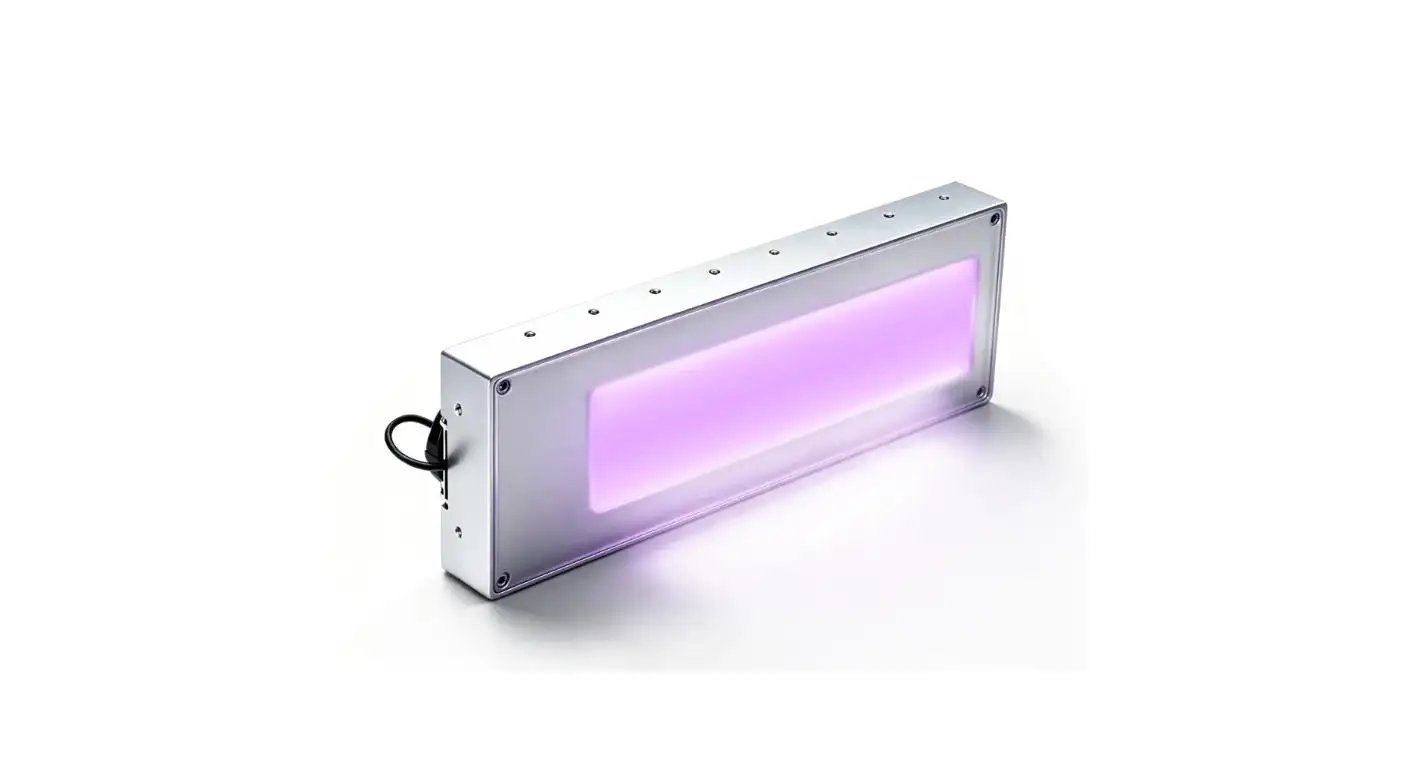
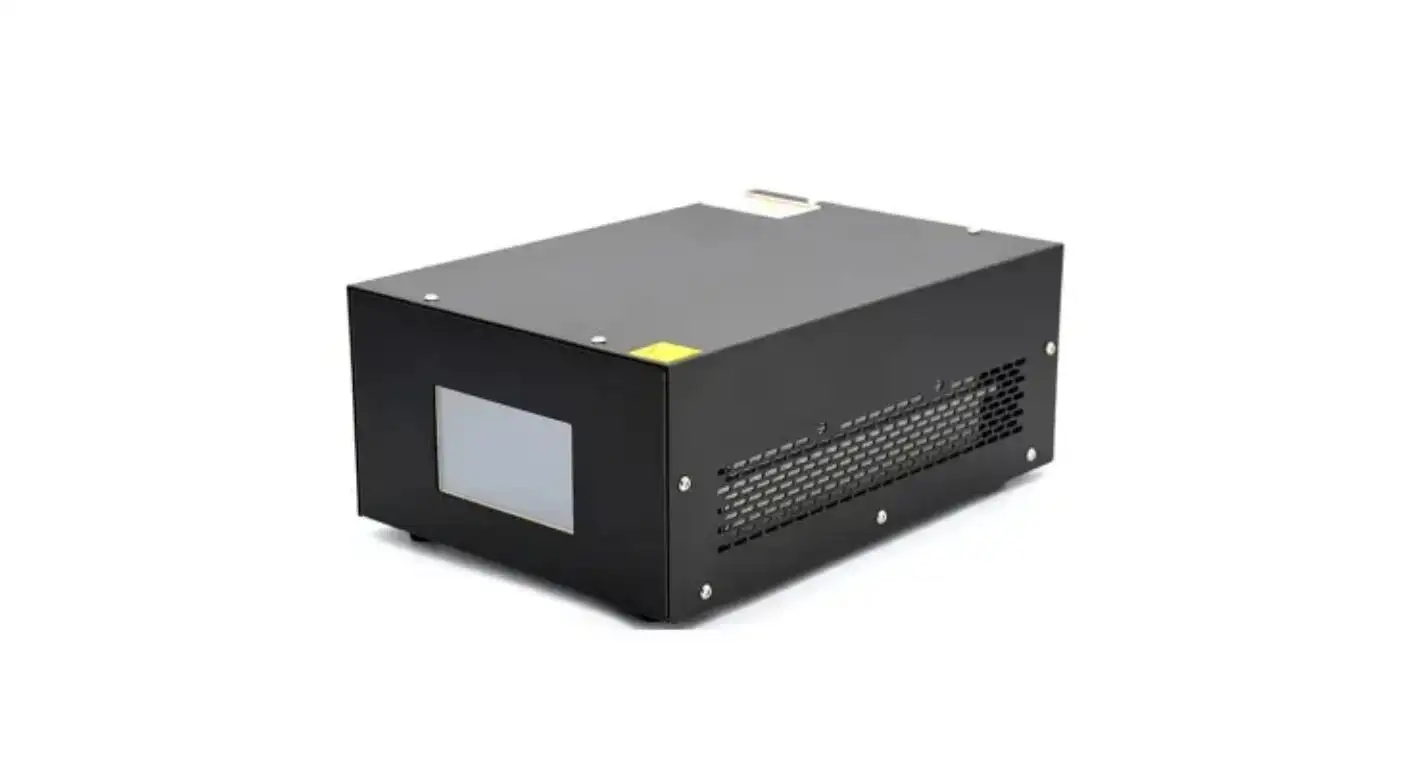
Selecting the right UV LED curing light requires you to understand how specific light properties interact with your materials. You need a light source that provides the correct energy levels and spectral output for your production line. This guide focuses on the technical variables like output power, coverage area, and wavelength to help you make an informed choice. By the end, you will know how to evaluate these factors to ensure your process stays reliable.
What Are the Key Characteristics of UV LED Curing Light?
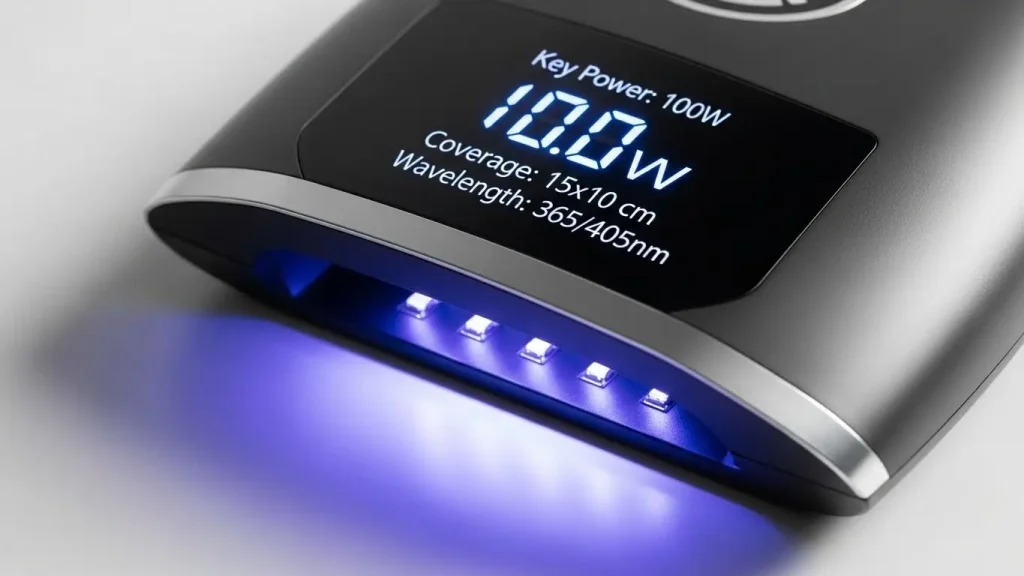
UV LED curing light performance is defined by measurable technical attributes that dictate how well your coatings and adhesives harden. You must focus on three primary pillars: the intensity of the light, the area it covers, and the specific wavelength it emits. These variables work together to start and complete the chemical bond in your materials.
When you look at a lamp head, you see more than just a light source. You see a tool that delivers energy in a controlled way. Each diode in the array contributes to the total energy your product receives. If any of these attributes are off, your finish might stay tacky or fail to stick to the part.
You should view these characteristics as the foundation of your process. If you change one, you likely need to adjust the others. For example, a wider coverage area might require more total power to maintain the same intensity. Your goal is to find the perfect balance that keeps your conveyor moving while ensuring every part is fully dry.
How Does Power Influence UV LED Curing Results?
Output power determines energy delivered to the cured surface through a measurement known as irradiance. Higher power levels allow you to cure thicker layers of material or run your production line at faster speeds. You must balance this intensity to ensure the material bonds fully without causing thermal damage to the part.
Higher power does not always mean better results for your specific task. If your light is too intense, you might burn the surface of a thin plastic part. But if the power is too low, the bottom layer of your glue might stay liquid. You must find the "sweet spot" where the light penetrates fully without over-curing the top.
You should also look at the difference between irradiance and dosage. Irradiance is the power at any given moment, measured in Watts per square centimeter ($W/cm^2$). Dosage is the total energy the part receives over time ($J/cm^2$). If you speed up your conveyor, your dosage goes down. You might need to turn up the power on your UV LED curing light to make up for that shorter exposure time.
| Power Term | What It Means to You | Units |
| Irradiance | The intensity or "brightness" of the UV light hitting the surface. | $W/cm^2$ |
| Dosage | The total amount of UV energy received as the part passes the light. | $J/cm^2$ |
| Peak Power | The maximum intensity the lamp can produce at a set distance. | $W/cm^2$ |
Why Coverage Uniformity Matters in UV LED Curing Light Selection?
Coverage uniformity determines how evenly surfaces cure by ensuring the light intensity is consistent across the entire product area. If your light has "hot spots" or weak zones, you might end up with uneven bonding or tacky surfaces. Uniform distribution prevents quality errors on large or complex parts.
In a production line, your parts are often wide or move in batches. You need your UV LED curing light to cast a wide, even beam. If the light fades at the edges, the parts on the side of your conveyor belt will not cure as well as the ones in the middle. This leads to waste and slows down your throughput.
You should check the light profile of any lamp you consider. Some lamps use lenses to spread the light, while others use reflectors. The goal is a flat profile where the intensity stays stable across the entire width. This consistency ensures that every part you produce meets your quality checks, no matter where it sits on the belt.
How Does Wavelength Affect Material Compatibility and Curing Quality?
Wavelength determines which materials can be effectively cured by matching the specific spectral needs of the photoinitiators in your coating. Most industrial LEDs operate at 365nm, 385nm, or 395nm. Selecting the wrong wavelength prevents the chemical reaction from starting, leaving your inks and adhesives in a liquid state.
Wavelength choice is about chemistry, not just power. If your ink is made for 395nm, using a 365nm lamp might do nothing at all. You must check your material data sheet before you buy your light gear. The wavelength also affects how deep the light goes. Longer wavelengths (like 395nm) often go deeper into thick or dark coatings.
Shorter wavelengths (like 365nm) are great for surface curing. They help create a hard, scratch-resistant finish on the very top of your part. Many shops use a mix of wavelengths to get a perfect result. You might use one light for a deep bond and another to finish the surface. This ensures your product is tough and fully set.
What Other Factors Should You Consider When Choosing a UV LED Curing Light?
Factors beyond power, coverage, and wavelength influence your choice, including cooling methods, equipment life, and safety shielding. You should also look at the physical size of the lamp head to ensure it fits your conveyor. These operational details ensure your light source remains reliable throughout its service life.
Cooling is a major point for your team. Even though LEDs are cooler than old bulbs, they still get warm inside. You can choose air-cooled fans or water-cooled chillers. Air-cooled units are easier to set up but can be louder. Water-cooled units are quiet and small but need more plumbing. Your choice depends on how much space you have.
You should also look at the "instant on and off" feature. This is a big plus for your production flow. You do not have to wait for the light to warm up in the morning. It also means the light only stays on when a part is under it. This saves you power and makes your lamps last much longer.
How Do UV LED Curing Light Characteristics Affect Overall System Performance?
Light characteristics influence overall curing system performance by dictating your final production speed and product durability. When your light matches your material perfectly, you reduce waste and downtime. This technical alignment ensures your equipment operates at peak capacity while maintaining the high standards your customers expect from your brand.
When your power and wavelength are correct, you can run your conveyor at its top speed. This means you produce more parts every hour. If your coverage is even, you have fewer rejected parts. These small gains add up to big savings for your business over a year.
You also see better consistency in your shop. Since LEDs do not fade over time like old mercury bulbs, your cure stays the same on Monday as it was on Friday. You spend less time adjusting your settings and more time shipping products. This reliability is why so many manufacturers are moving to this tech.
What Are the Key Takeaways for Evaluating UV LED Curing Lights?
Evaluating a UV LED curing light requires you to focus on the balance between intensity, spectral output, and distribution. You should prioritize light sources that match your specific material chemistry and production line speeds. Selecting the right technical attributes ensures long-term reliability and high-quality results for your industrial manufacturing process.
- Match your wavelength to your material first.
- Test your power to ensure the irradiance reaches the bottom of your coating.
- Check uniformity for a flat light profile across your parts.
- Plan your cooling based on your available shop space.
- Verify dosage to match your lamp power to your conveyor speed.
How Does UV LED Curing Work in Industrial Applications?
Understanding the core tech helps you see why light attributes matter. The process uses light to trigger a chemical reaction in your coatings. This reaction links molecules together to form a solid. You can learn more about the fundamentals of this process on our UV LED curing page.
If you want to see the step-by-step path from liquid to solid, check our guide on how UV LED curing works. This explains the role of photoinitiators and how they respond to specific light. You can also explore the latest advancements on the UV LED curing technology page.
What Types of Applications Use UV LED Curing Light Most Often?
You will find this light in use across many sectors, from printing to medical gear. Each industry has its own needs for power and wavelength. For example, a print shop might need wide coverage for labels, while an electronics shop needs high intensity for tiny spots.
You can see a full list of these uses on our UV LED curing applications page. This shows you how different shops set up their light sources for the best results. Whether you work with metal, glass, or plastic, there is a configuration that works for you.
What Are the Benefits of UV LED Curing Light Over Traditional UV Sources?
You gain a lot of advantages when you move to LED light sources. The biggest benefit is the lack of heat, which protects your parts. You also save a lot on power because the lights are only on when you need them. You can read the full list of gains on our UV LED curing benefits page.
Also, you remove the need for mercury bulbs and ozone fans. This makes your shop cleaner and safer for everyone. You get a system that starts instantly and lasts much longer than any old bulb could. This reliability helps you plan your production with more confidence.
What Safety Considerations Should You Keep in Mind When Working With UV LED Curing Lights?
You must keep your team safe from high-intensity UV rays. While there is no ozone or mercury, the light itself can still burn skin and eyes if you are not careful. You need to use proper shields and PPE in your shop. See our full safety guide at UV LED curing safety.
Shielding is the best way to control exposure. You should build a box around your curing area so no light leaks out. If people must look at the process, they need UV-rated glasses. Following these rules keeps your production safe and helps you avoid workplace injuries.
How Does UV LED Curing Compare to Mercury UV Curing in Terms of Light Source Characteristics?
You will notice big differences in how these two light sources act. Mercury lamps give off a broad light with a lot of heat. LEDs give off a narrow light that stays cool. You can see a head-to-head breakdown on our UV LED vs mercury UV curing page.
This choice changes how you handle your materials. With mercury, you must worry about melting thin plastics. With LED, you must worry about matching the wavelength to your ink. Knowing these details helps you pick the right tech for your specific product line.
What Checklist Helps You Evaluate a UV LED Curing Light for Your Process?
You should follow a structured path when you pick your gear. Start by checking your material needs and then look at your shop layout. We have a full checklist to help you at choose a UV LED curing system. This ensures you miss no details during your search.
Using a checklist keeps you from forgetting small things like cable lengths or cooling needs. It also helps you compare different brands fairly. You can track things like irradiance and coverage to find the best value for your production goals.
What Equipment Configurations Support Optimal UV LED Curing Light Use?
Your light needs the right gear around it to perform well. You need a power supply, a controller, and a mounting setup that stays stable. You can see the different types of hardware on our UV LED curing equipment page.
This equipment ensures your light stays at the right intensity. A good controller lets you dim the light or pulse it to match your needs. This flexibility is what allows you to handle many different jobs with the same basic light source.
Final Thoughts on UV LED Curing Light Selection
Selecting the right light is about finding a balance between the physics of energy and the chemistry of your materials. As the manufacturing world moves toward faster and greener processes, the precision of your light source becomes your biggest advantage. By focusing on power, coverage, and wavelength, you build a production line that is not only faster but also more consistent. Your goal is to move beyond simple "on and off" lighting and toward a controlled environment where every part is cured exactly right every time.


