
UV LED Curing Equipment: Common Configurations and Use Cases
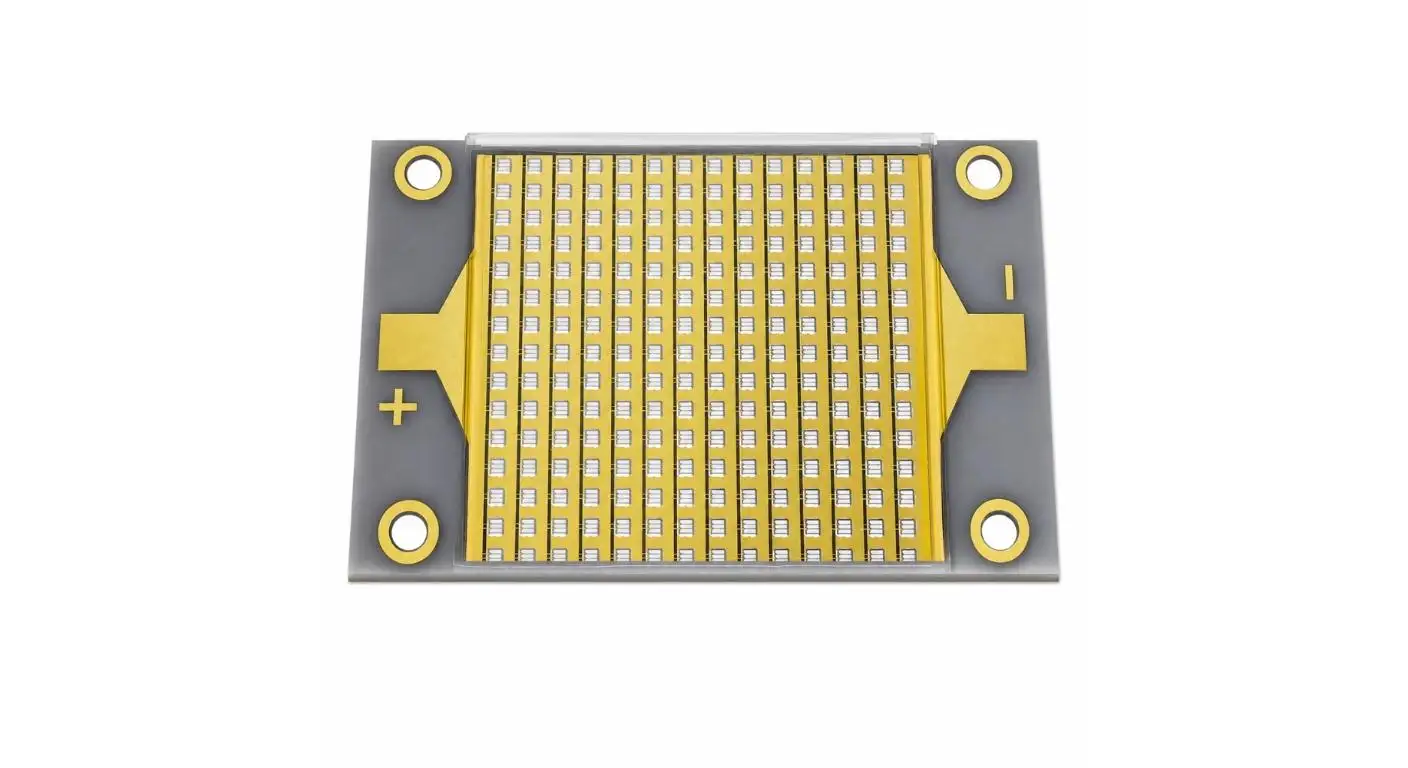
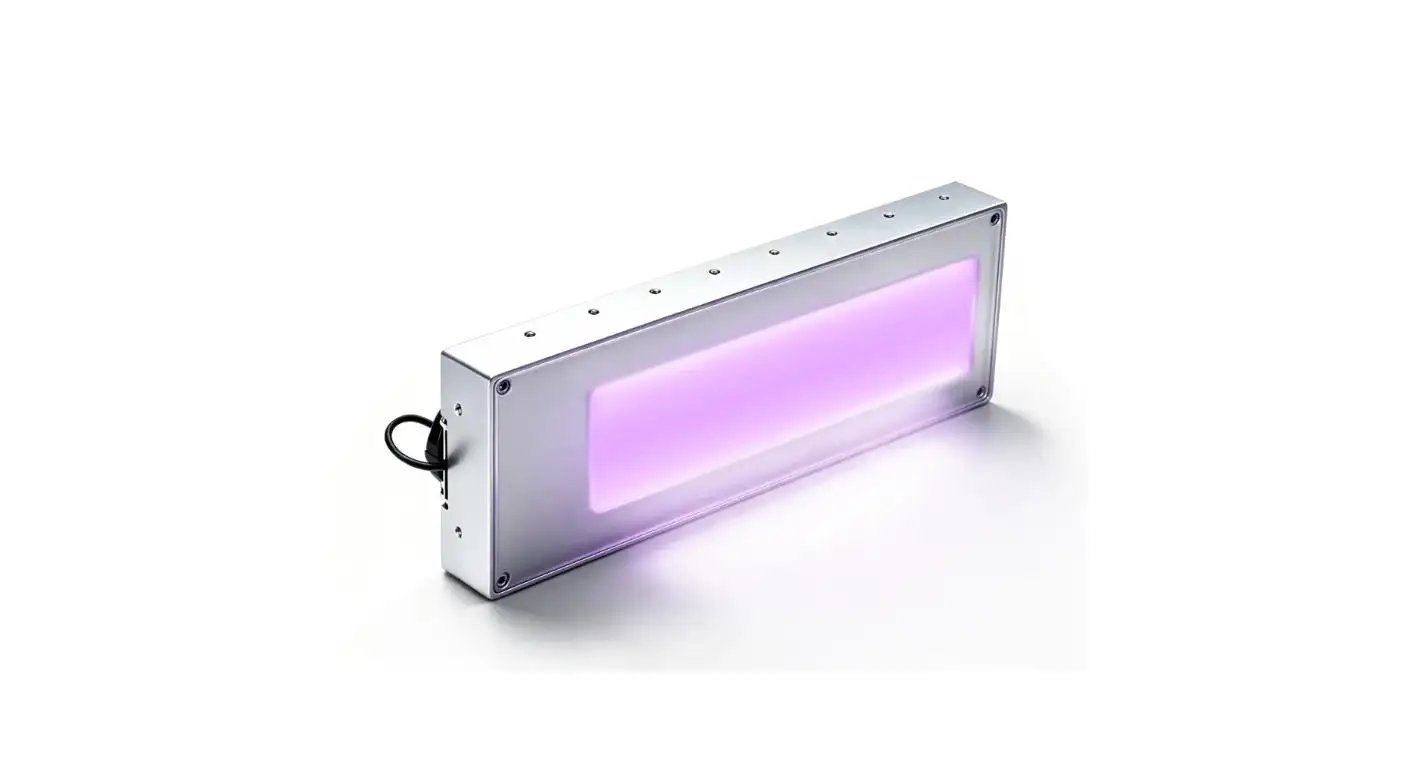
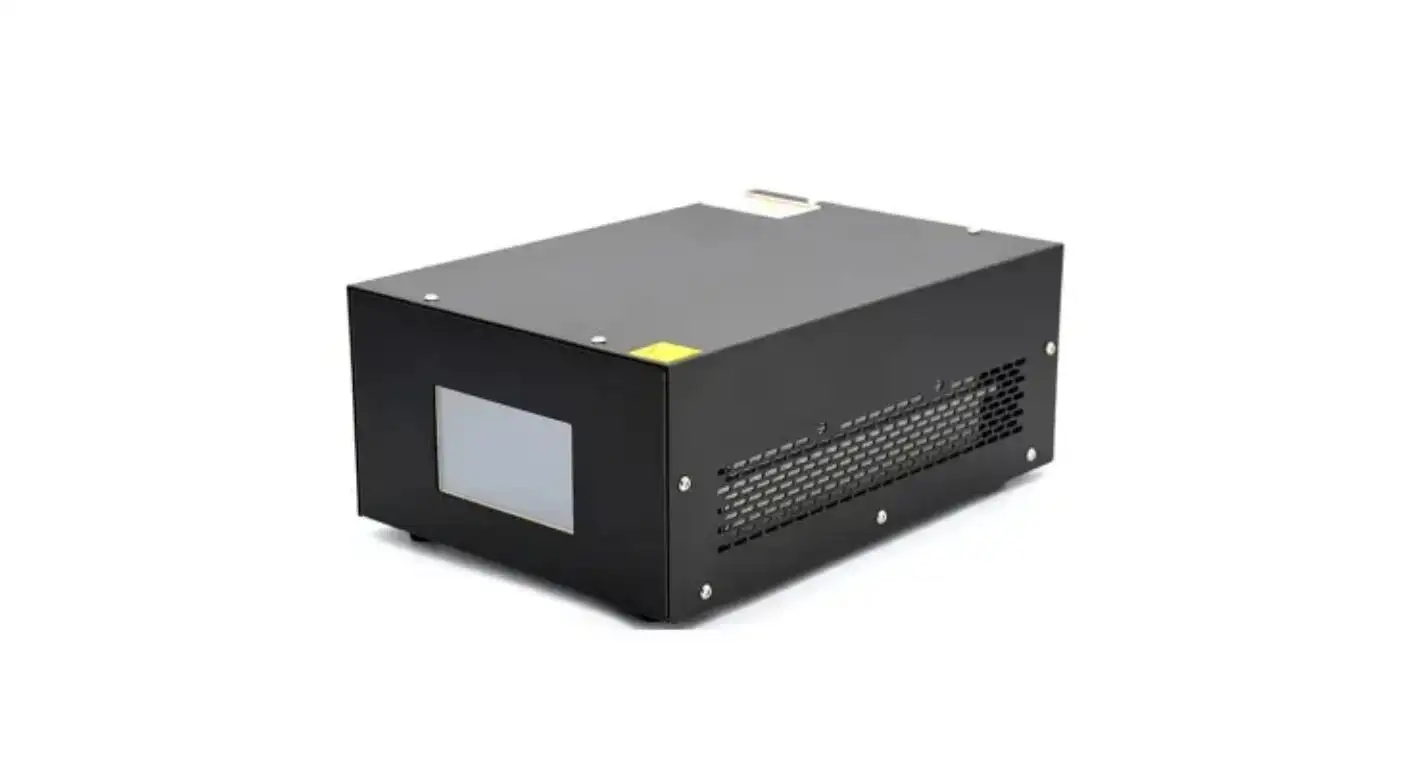
Choosing the right UV LED curing equipment requires you to match the system's physical and technical design to your specific manufacturing workflow. You will find that equipment is categorized into several main types, ranging from continuous flow conveyors to compact bench-top units. This guide explains these primary configurations and the industrial use cases where each is most effective. By understanding how these systems fit into different production environments, you can better evaluate which setup will support your process requirements and output goals.
What Are the Primary Configurations of UV LED Curing Equipment?
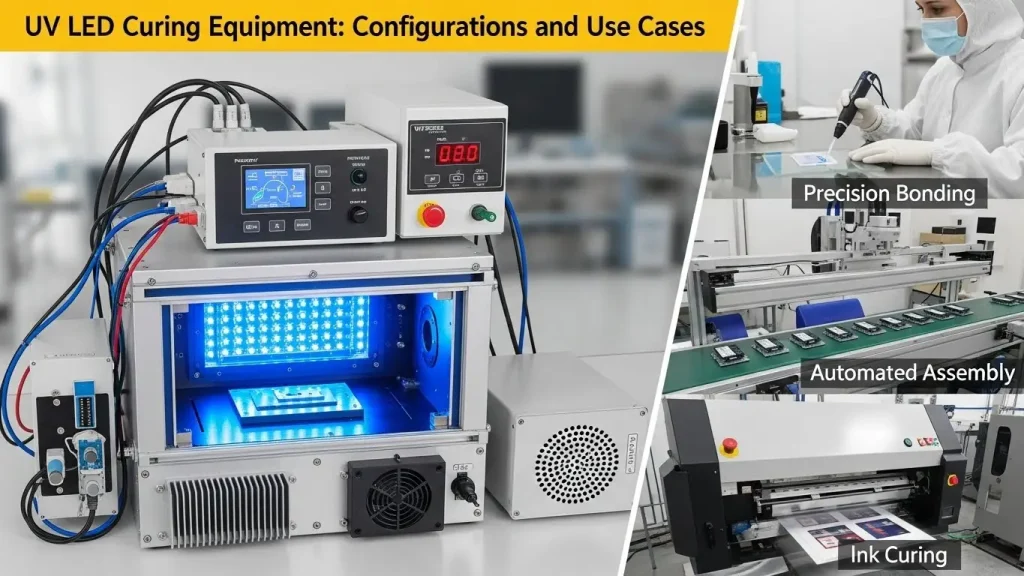
The primary configurations of UV LED curing equipment include conveyor systems, stationary units, and custom integrations. You use these different system types to address specific production variables such as the size of your parts, the speed of your line, and the level of automation required. Matching the configuration to your production needs ensures that the UV energy is delivered consistently while fitting within your available floor space and operational constraints.
When you evaluate these system types, you see that each serves a different workflow. Some are built for high-speed, repetitive tasks where thousands of parts pass under the light every hour. Others are designed for laboratory testing or small-batch assembly where precision is more important than pure volume. By selecting the correct setup, you ensure that your equipment functions as a reliable part of your facility.
How Are Conveyor-Based UV LED Curing Systems Used in Manufacturing?
Conveyor systems are widely used where continuous throughput is required for your automated production flow. You use this configuration to move products at a fixed speed under a series of UV LED lamp heads. This ensures that every part receives an identical dose of light. This setup is ideal for flat substrates, labels, and packaging materials that need to be processed quickly. It allows your products to move directly to the next stage of assembly without any pauses.
These systems provide you with a high level of process consistency. Because the belt speed and light intensity are linked, you remove the risk of human error in timing the cure. You can also add light shields and cooling tunnels directly to the conveyor frame. This keeps your workspace safe and comfortable. It is a productive configuration that helps you handle large orders with minimal downtime.
When Are Stationary or Bench-Top UV LED Curing Systems Appropriate?
Stationary curing units serve dedicated or small-batch processes that require manual handling or precise placement. You might choose this bench-top configuration for research labs, manual assembly stations, or medical device bonding where high-precision placement is necessary. Because these units have a smaller footprint, they fit easily into existing workspaces. You do not need to make major changes to your facility layout to start using them.
You find these systems useful when your process involves complex 3D parts that need careful handling. An operator can place a part into a curing chamber or under a fixed lamp. They then trigger the light for a specific time and remove the finished piece. This simplicity makes stationary systems a great starting point if you are moving away from air-drying. It also works well if your production volume does not yet require a full conveyor line.
How Do Custom and Integrated UV LED Curing Solutions Fit into Production Lines?
Custom or integrated solutions are designed for unique workflows that require specific mounting or automation. You use these configurations when you need to mount UV LED lamp heads directly onto robotic arms, inside printing presses, or within existing automated assembly machines. This flexibility allows you to bring the curing process to the part, rather than moving the part to a separate curing station.
Integrated solutions are vital when space is at a premium. They also work well when the timing of the cure must be perfectly timed with other machine actions. For example, in high-speed inkjet printing, the light must fire the millisecond the ink hits the substrate. By using a custom-engineered mount and control system, you ensure that the curing step happens exactly when and where it is needed. This improves your final product quality and reduces waste.
What Factors Should Determine the Choice of a UV LED Curing Equipment Configuration?
Equipment choice depends on clear process criteria like your part size and line speed. You should also consider the physical footprint of the system and how it will connect to your current power and cooling utilities. Evaluating these factors helps you avoid buying a system that is either too small for your needs or too complex for your team to operate.
- Throughput Volume: High volume usually requires a conveyor; low volume may only need a stationary unit.
- Part Geometry: Flat parts are easy for conveyors. Complex 3D parts may need custom-integrated lamp angles.
- Workflow Fitting: Determine if the system needs to be a standalone station or part of a larger automated line.
- Safety and Shielding: Ensure the configuration allows for proper light containment for your specific workspace.
Why Understanding Use Cases Is Important for Selecting UV LED Curing Equipment?
Matching equipment to use cases improves process effectiveness and ensures your production goals are met. You get a better return on your investment when your equipment is sized and configured for the specific jobs you perform most often. If you use a high-speed conveyor for small, delicate medical parts, you might find it harder to maintain the precision you need. Conversely, using a stationary unit for high-volume label printing will create a massive bottleneck.
When you look at your curing systems, you should see them as tools for specific tasks. A well-matched system reduces the stress on your operators and lowers the chance of curing failures. It also helps you plan for future growth by picking a configuration that can be scaled or updated as your product list expands.
What Are the Key Takeaways for Choosing the Right UV LED Curing Equipment?
Key takeaways for choosing your gear include matching your workflow and prioritizing safety. You should focus on how the light energy is delivered to your materials and how the equipment fits your daily operations.
- Conveyors are best for continuous, high-volume production.
- Stationary units are ideal for small batches and manual precision.
- Integrated solutions offer the most flexibility for complex automation.
- Always base your choice on your material needs and line speed.
- Consider long-term maintenance and utility requirements before you buy.
How Does UV LED Curing Work Across Different Equipment Types?
Regardless of the frame or belt, the core light technology remains the same. You can learn more about the basic physics of the light on our UV LED curing page. For a look at the chemical reaction, read about how UV LED curing works. You can also stay updated on the latest UV LED curing technology to see how lamp heads are becoming more efficient.
What Common Applications Use Conveyor-Based UV LED Curing Equipment?
Conveyors are the workhorses of several large industries. You can see how these systems are used in printing, wood finishing, and electronics on our UV LED curing applications page. This helps you visualize how a moving belt can streamline your own production line.
What Are the Benefits of UV LED Curing Equipment Compared to Traditional UV Sources?
The configuration you choose is often driven by the inherent advantages of the light source. You can explore the UV LED curing benefits to see why many shops are moving away from heat-based ovens. From power savings to cooler operating temperatures, these gains influence whether you need a large cooling system or a compact air-cooled setup.
What Safety Considerations Apply to UV LED Curing Equipment?
Different equipment setups require different safety approaches. A conveyor needs light shields at the entry and exit points, while a bench-top unit might need a fully enclosed chamber. You can find detailed best practices on our UV LED curing safety page to keep your operators protected.
How Does UV LED Curing Equipment Compare to Mercury UV Curing Equipment?
Understanding the equipment differences is key to making a long-term choice. You can see a head-to-head breakdown at UV LED vs mercury UV curing. This comparison covers maintenance, lamp life, and environmental factors that affect your total cost of ownership.
What Checklist Helps You Evaluate UV LED Curing Equipment for Your Process?
Before you make a final decision, it helps to follow a structured evaluation path. We provide a step-by-step guide to choose a UV LED curing system that ensures you miss no technical details. This checklist is a great tool for engineers and production managers alike.
What Light Characteristics Should You Consider When Choosing UV LED Curing Equipment?
The frame of your equipment is only half the story; the light itself must be correct. You should research the power and wavelength of your UV LED curing light to ensure it matches your inks or adhesives. This technical alignment is what determines if your product will actually harden correctly.
Final Thoughts
Finalizing your equipment choice is about more than just picking a model. It is about committing to a production philosophy. Whether you select a high-speed conveyor or a custom-integrated robotic mount, your goal is to create a process that is repeatable and reliable. By focusing on how the equipment configuration supports your specific use cases, you build a foundation for higher quality and lower waste. The right equipment does not just finish your parts. It improves your entire manufacturing cycle. You get a tool that helps you stay competitive while keeping your costs low and your quality high.
Share on Social:


