
How to Choose a UV LED Curing System for Your Process
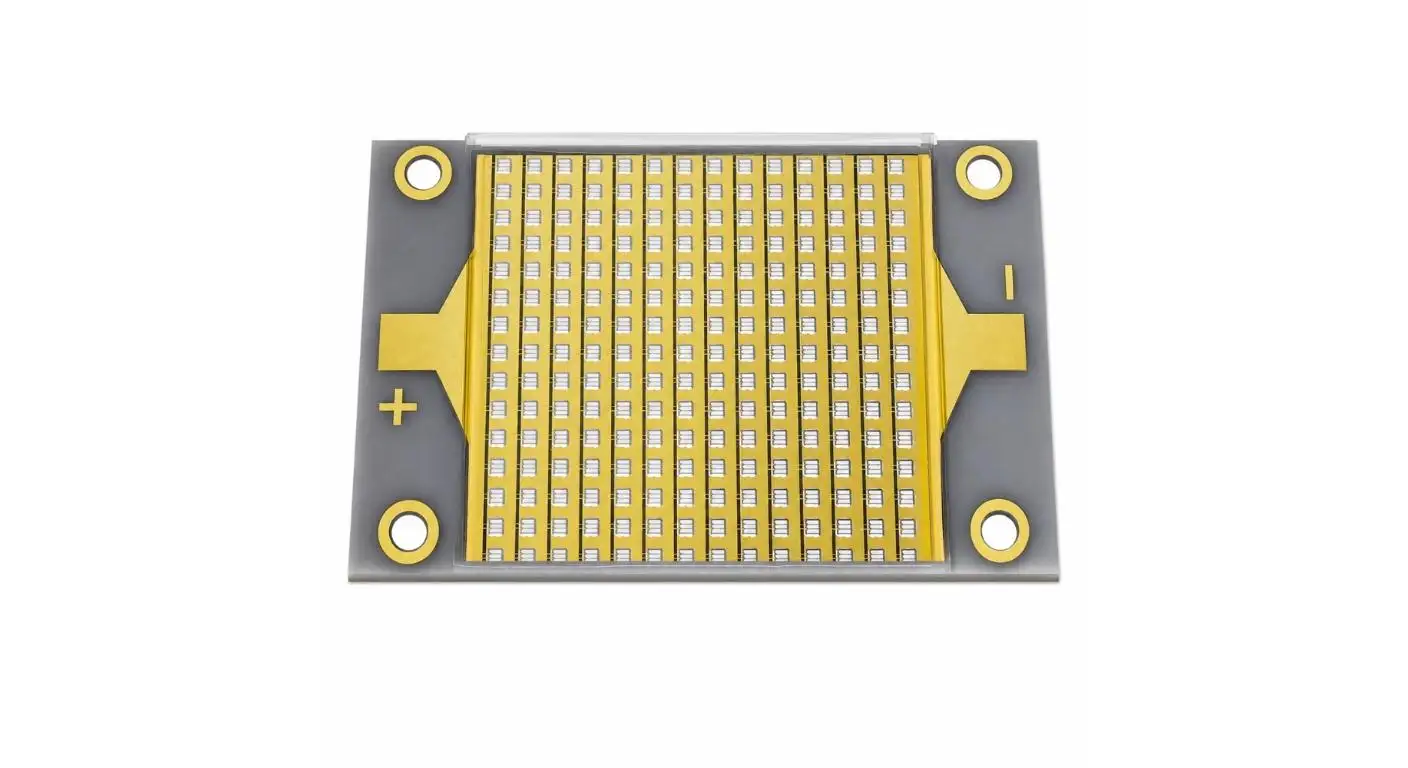
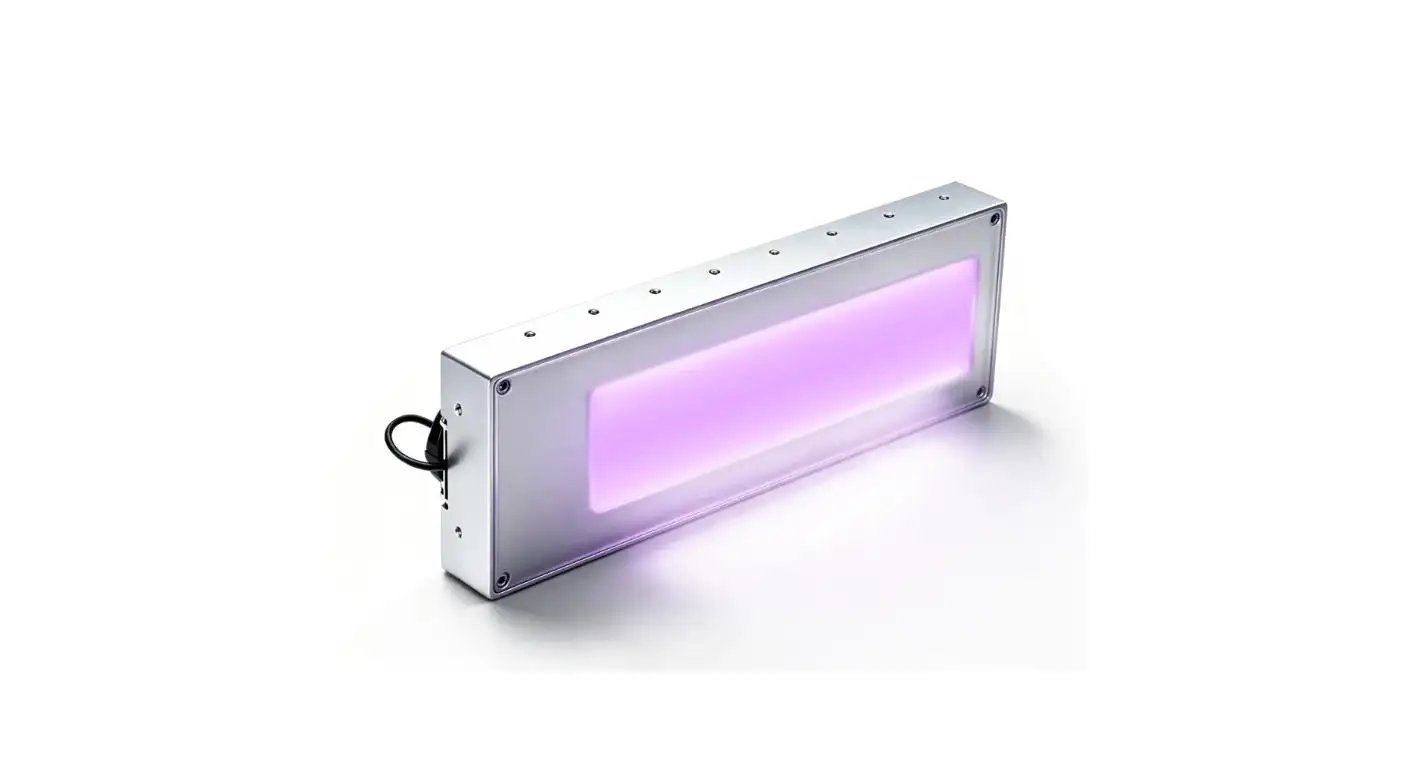
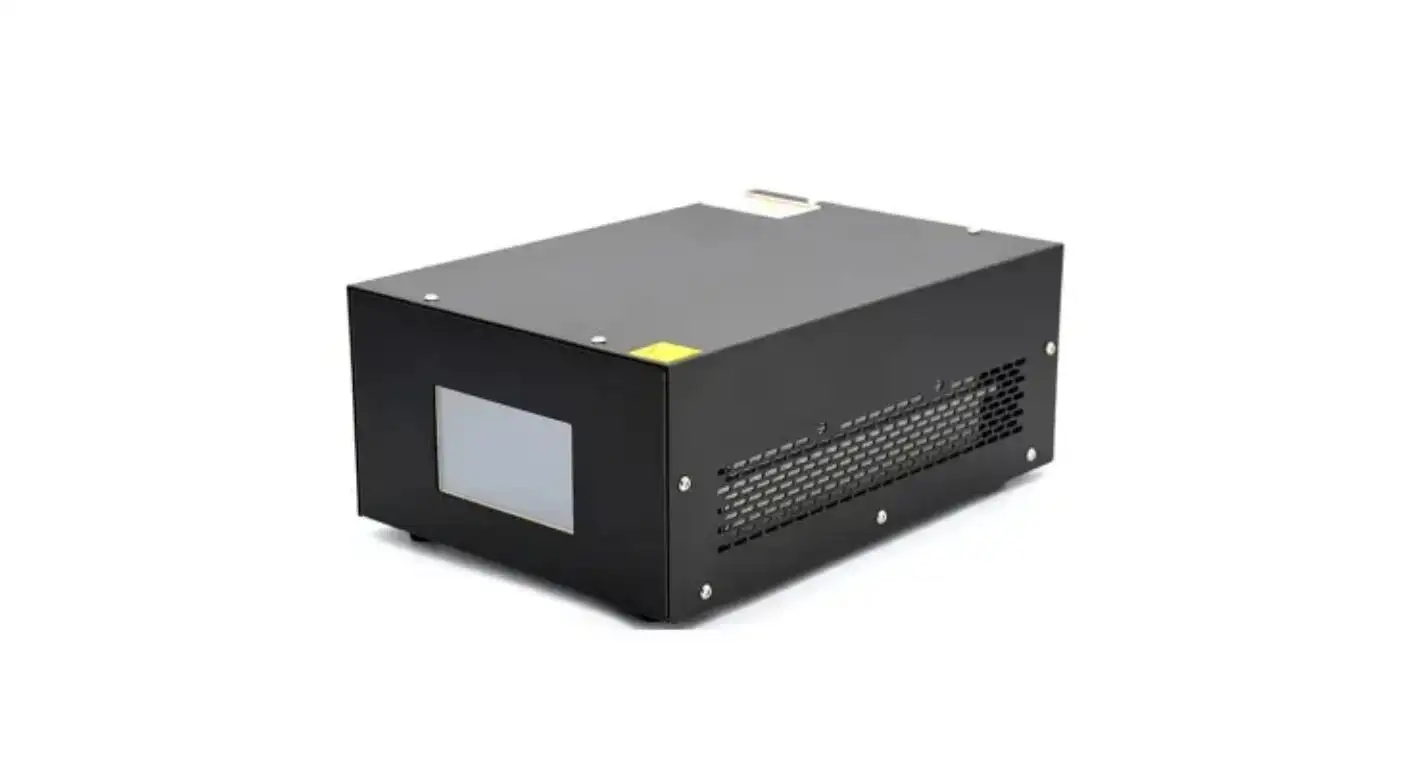
A UV LED curing system allows you to harden inks and coatings using specific light wavelengths instead of traditional heat drying. This choice is a major part of your production line because it affects your speed and the quality of your finished parts. You need to understand how the light interacts with your materials and how the equipment fits into your shop. This guide will walk you through the technical steps and selection rules to help you find the right setup for your manufacturing needs.
What Is UV LED Curing and Why Is It Important for Your Process?
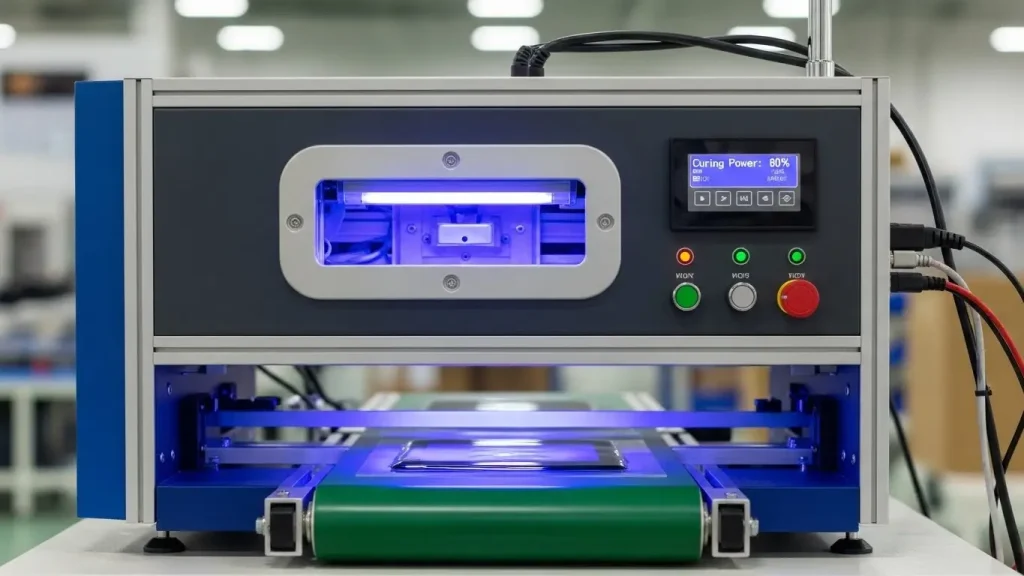
UV LED curing is a process that uses light-emitting diodes to generate ultraviolet energy for the instant hardening of inks, coatings, and adhesives. You use this method to create a chemical bond rather than waiting for liquids to evaporate. It helps you manage your production with better precision and keeps your shop floor cool.
The method you use to set your materials changes your results. If you use heat, you risk warping your parts. If you use light, you get a fast and dry finish in a second. This matters because it determines how many products you can finish in a day. You get a setup that is predictable and safe, which keeps your team on track.
What Process Requirements Should You Define Before Choosing a UV LED Curing System?
Process requirements determine system selection because you need to know your line speed and part dimensions before you buy equipment. You should look at how much space you have and how fast your products move. Defining these points early prevents you from buying a lamp that is too small or too weak for your tasks.
- Line Speed: Tells you how much light intensity you need per second.
- Part Width: Determines the length of the lamp head required.
- Substrate Type: Shows if you need extra cooling for sensitive materials.
- Working Distance: Affects the focus and optics of the LED system.
You need to write down every detail of your workflow. If your parts are 3D, you might need light from multiple angles. If they are flat, a single top-mounted lamp works well. By knowing your constraints, you pick a tool that fits your reality. You save time by avoiding setup errors that could slow down your manufacturing.
How Do Application Materials Affect UV LED Curing System Selection?
Material response determines curing suitability because your inks and glues must react with the specific light wavelength you provide. You need to verify that your coating contains the right photoinitiators for the LED light. If you use a material made for mercury lamps, it may stay sticky under an LED lamp.
Your material supplier is your best source for this info. They can tell you if a coating is "LED-curable." You should test a small sample before you commit to a full system. This ensures that the bond is strong and the surface is hard. You get a reliable finish that meets your quality standards every time you run the line.
How Do Output Power and Wavelength Influence Curing Results?
Output power and wavelength are critical selection factors that decide if your material will harden all the way through or just on the surface. You need a wavelength that matches your ink's recipe to start the chemical reaction. You also need enough power to push the light through thick or dark layers of material.
Think of wavelength as the key and power as the force. Most systems use 365nm, 385nm, or 395nm. If you pick the wrong "key," the "lock" of the chemical reaction will not turn. If you have low power, the top might dry while the bottom stays wet. You get the best results when you balance these two factors for your specific product depth.
How Does System Design and Footprint Impact Production Integration?
System design directly affects integration because the size of the lamp head and the cooling setup must fit your existing machine. You should check if you have room for an air-cooled fan or if you need a water-chilled unit. A compact design lets you put the light exactly where the cure needs to happen.
You need a setup that does not get in the way of your workers. If your line is small, look for a lamp that combines the light and the power unit. This saves you from running long cables across the floor. You gain a cleaner shop and a safer path for your team. A well-designed system feels like a natural part of your machine.
What Safety and Compliance Factors Should Be Considered?
Safety must be evaluated alongside performance to protect your team from ultraviolet light exposure. You should ensure that your system has shields to contain the light. You also need sensors that turn the light off if a shield is removed. This keeps your shop safe without slowing down your production.
You have a duty to provide protective gear like UV-rated glasses and gloves. However, the best safety comes from the machine design itself. Look for units that are light-tight. This means no light leaks out to hit your skin or eyes. You get peace of mind knowing that your high-speed process is not a health risk for your workers.
How Do Maintenance and Reliability Affect Long-Term Operation?
Maintenance affects long-term suitability because a system that needs frequent repairs will lead to expensive downtime. You should look for LEDs that are rated for at least 20,000 hours of use. This is much longer than old bulbs and means you spend less time on repairs and more time on finishing parts.
Your reliability comes from how well the unit stays cool. If the fans are easy to clean, the LEDs will last longer. You want a system that stays at a steady power level for years. This ensures your last part of the day is just as good as the first. You get a tool that pays for itself through steady uptime.
How Does UV LED Curing Compare to Other UV Technologies?
UV LED curing differs in key operational ways such as heat output and warm-up times. You skip the 15-minute wait that mercury lamps need to reach full power. You also get a cooler light that does not melt thin plastics. This makes it a better fit for modern materials and fast-moving lines.
Traditional lamps produce ozone and use a lot of power. LEDs are cleaner and use energy only when they are actually curing a part. You remove the need for big exhaust pipes and lower your power bills. It is a choice that makes your whole facility run better. You gain a modern tool that is built for the future of your industry.
What Questions Should You Ask When Evaluating UV LED Curing Equipment?
Structured questions improve decision quality by helping you spot risks before you buy. You should ask your supplier about the lamp life and the types of materials the unit can handle. Use a checklist to compare different models based on your actual shop conditions.
- Can the system be dimmed to match my line speed?
- Is the light even across the whole width of the lamp?
- Does it have an instant-off switch for jams or breaks?
- What kind of cooling (air or water) does it need?
- Are the safety interlocks included in the standard box?
Asking these things ensures you do not have surprises later. You want to know that the gear will talk to your existing line sensors. You also want to be sure you can get parts if something breaks. This focus on the details leads you to a better purchase for your business.
What Are the Key Takeaways for Selecting the Right UV LED Curing System?
Selecting the right system requires a process-focused approach where you match the light to your material and your shop. You should focus on how the tool solves your drying bottlenecks. Avoid looking for a generic "best" lamp and instead find the one that fits your specific parts.
- Match the wavelength to your material first.
- Verify you have the power to cure at full speed.
- Check that the design fits your machine's space.
- Put safety and reliability before a cheap price.
- Test your material under the light before you buy.
Following these rules keeps your manufacturing line running fast and safe. You get a system that works for you every day without fail. Your choice should be based on facts and data from your own production needs.
How Does UV LED Curing Work in Industrial Applications?
Understanding the core tech helps you see why it is so fast. You can learn more about the basics by visiting the UV LED curing page. For a deeper look at the chemistry, read about how UV LED curing works. You can also explore the details of the latest UV LED curing technology to stay ahead of the curve.
What Are the Most Common UV LED Curing Applications Across Industries?
You will find this tech in everything from printing to medical gear. See how other shops use it by looking at UV LED curing applications. It works well on metal, plastic, and glass. You gain a versatile tool that can handle several types of jobs in your shop.
How Should You Interpret UV LED Output Power and Light Characteristics?
Power is not just a number; it is how the light hits your product. You can find out more about what to look for on the UV LED curing light info page. This helps you understand the difference between peak intensity and total dose. You get the knowledge you need to talk to suppliers with confidence.
What UV LED Curing System Configurations and Equipment Types Are Available?
Different tasks need different shapes. You can browse UV LED curing systems to see the variety of builds. For a look at the hardware, check out the UV LED curing equipment list. This helps you visualize how the gear will sit on your conveyor belt.
How Do Built-In Safety Features Help Control UV Exposure?
Protecting your team is your biggest job. You should read the full guide on UV LED curing safety to see the best practices. This covers everything from shielding to training. You get a clear plan to keep your workplace healthy and productive.
How Does UV LED Curing Compare to Mercury UV Curing?
Choosing between old and new tech is a common step. You can see the full breakdown on the UV LED vs mercury UV curing comparison. If you want to see why many are switching, look at the UV LED curing benefits list. This gives you the data to back up your decision.
What Checklist Can Help You Evaluate a UV LED Curing System?
A structured path is the safest way to buy. Use the official guide to choose a UV LED curing system to ensure you miss no steps. This checklist is built for engineers who need facts. You get a tool that helps you compare systems side-by-side.
Final Thoughts on UV LED Curing System Selection
Finalizing your choice should be based on a validation mindset. You should run tests and check your math on line speeds. Avoid guarantees from sales teams and look for proof in your own shop. By following a structured plan, you reach a decision that keeps your production fast, safe, and reliable for the long run. The right choice is the one that protects your workers while delivering a perfect cure every time.
Share on Social:


