Adhesive Spot Curing: Accuracy and Productivity in Industry
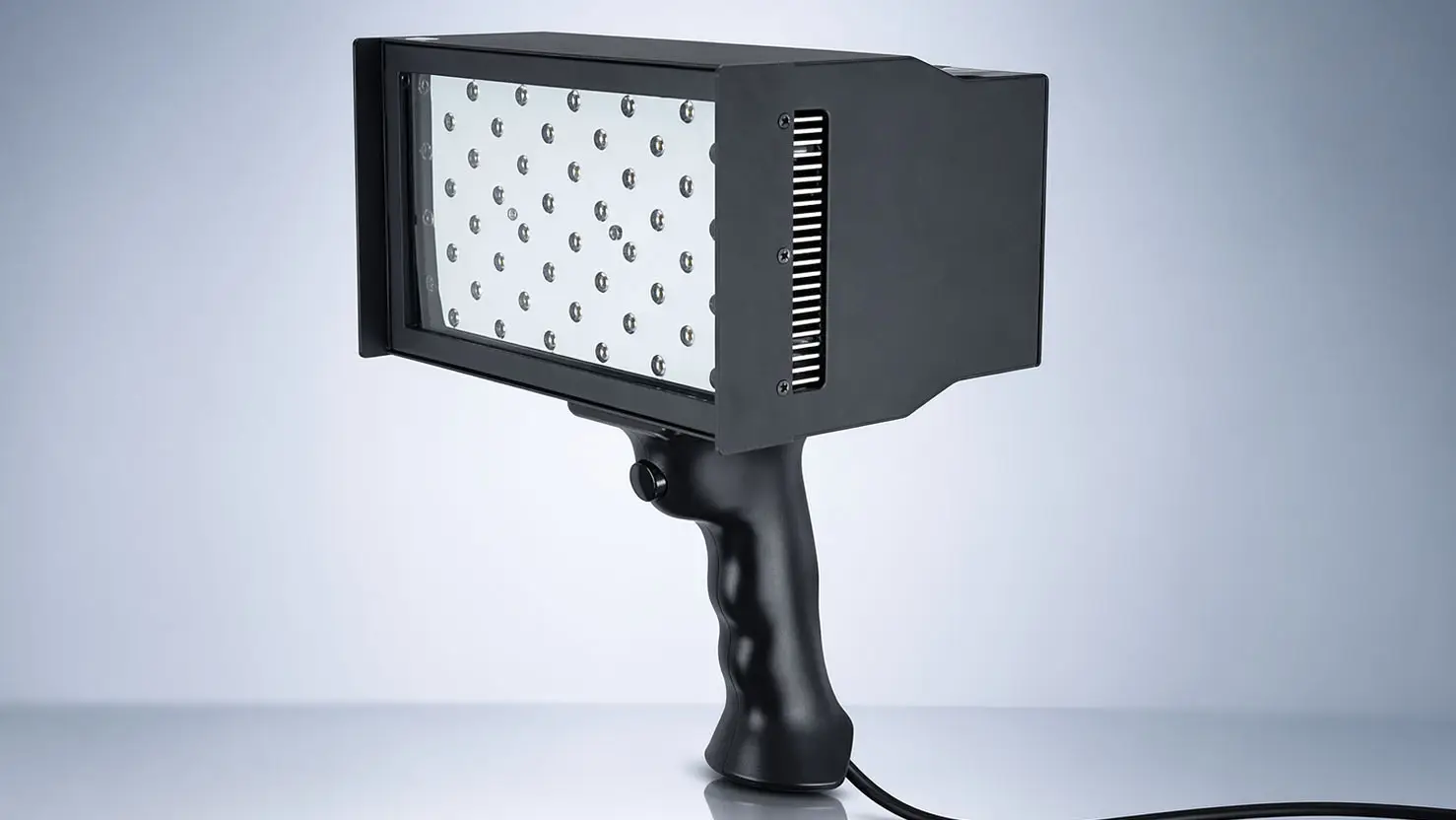
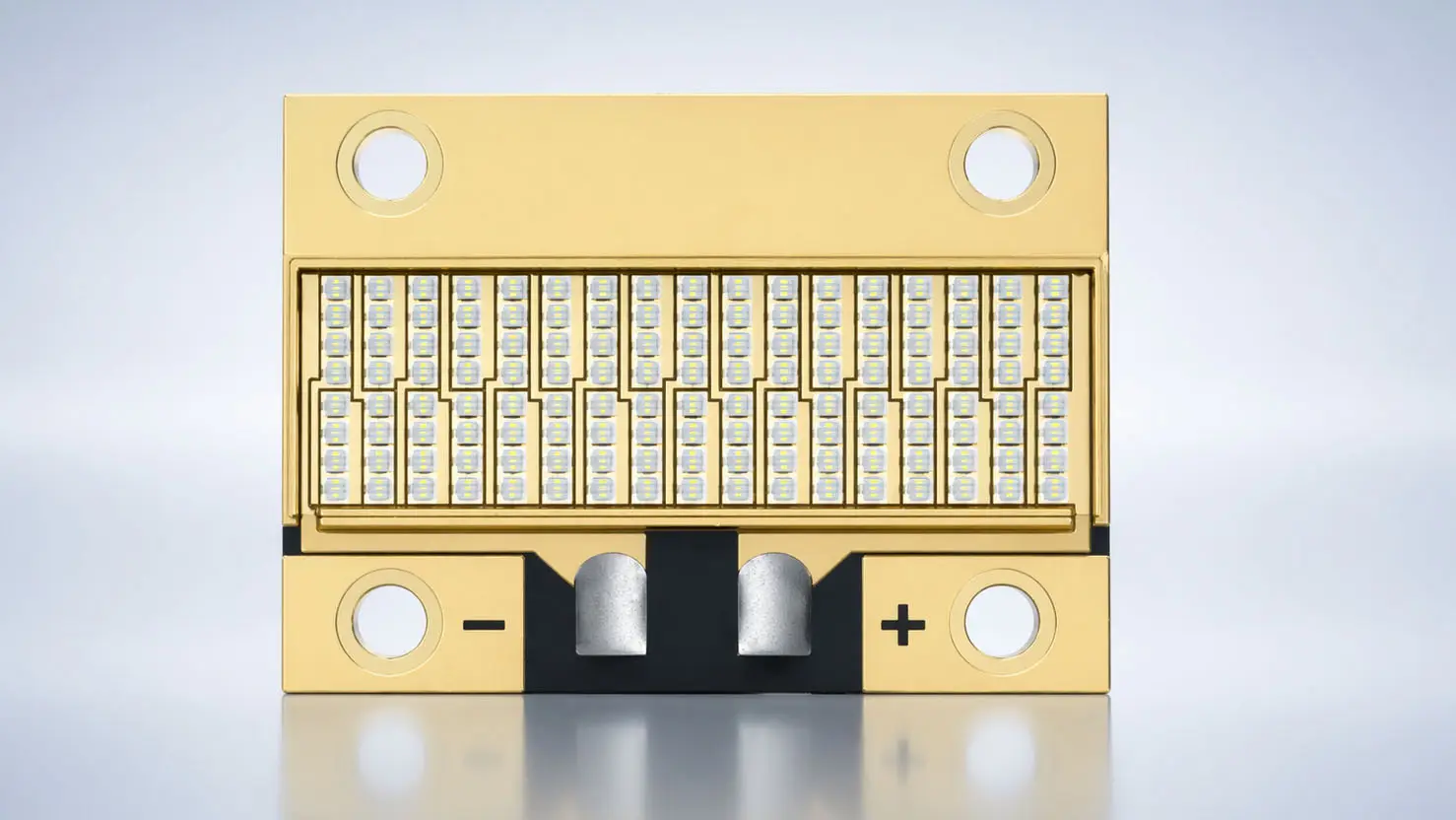
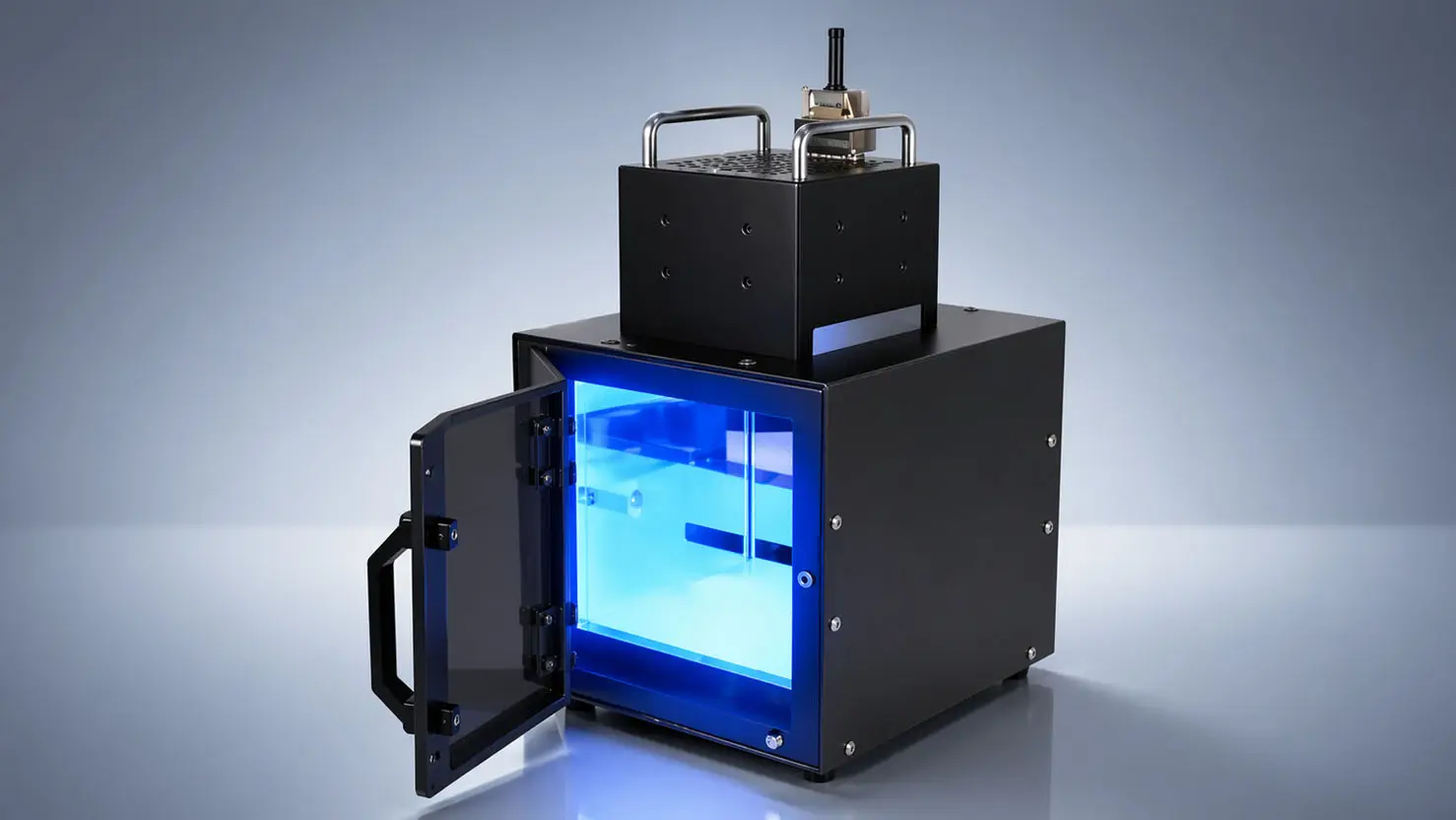
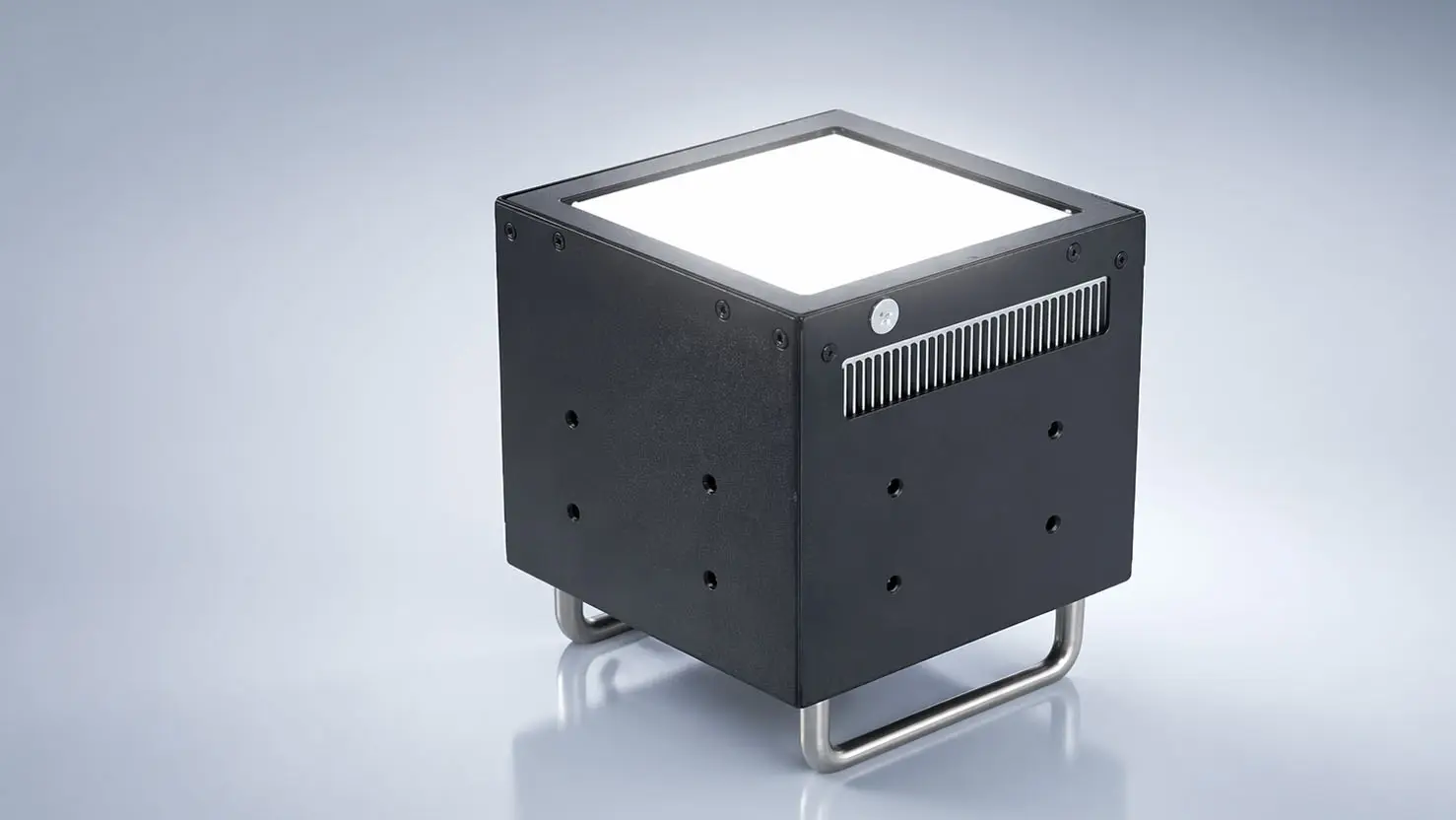
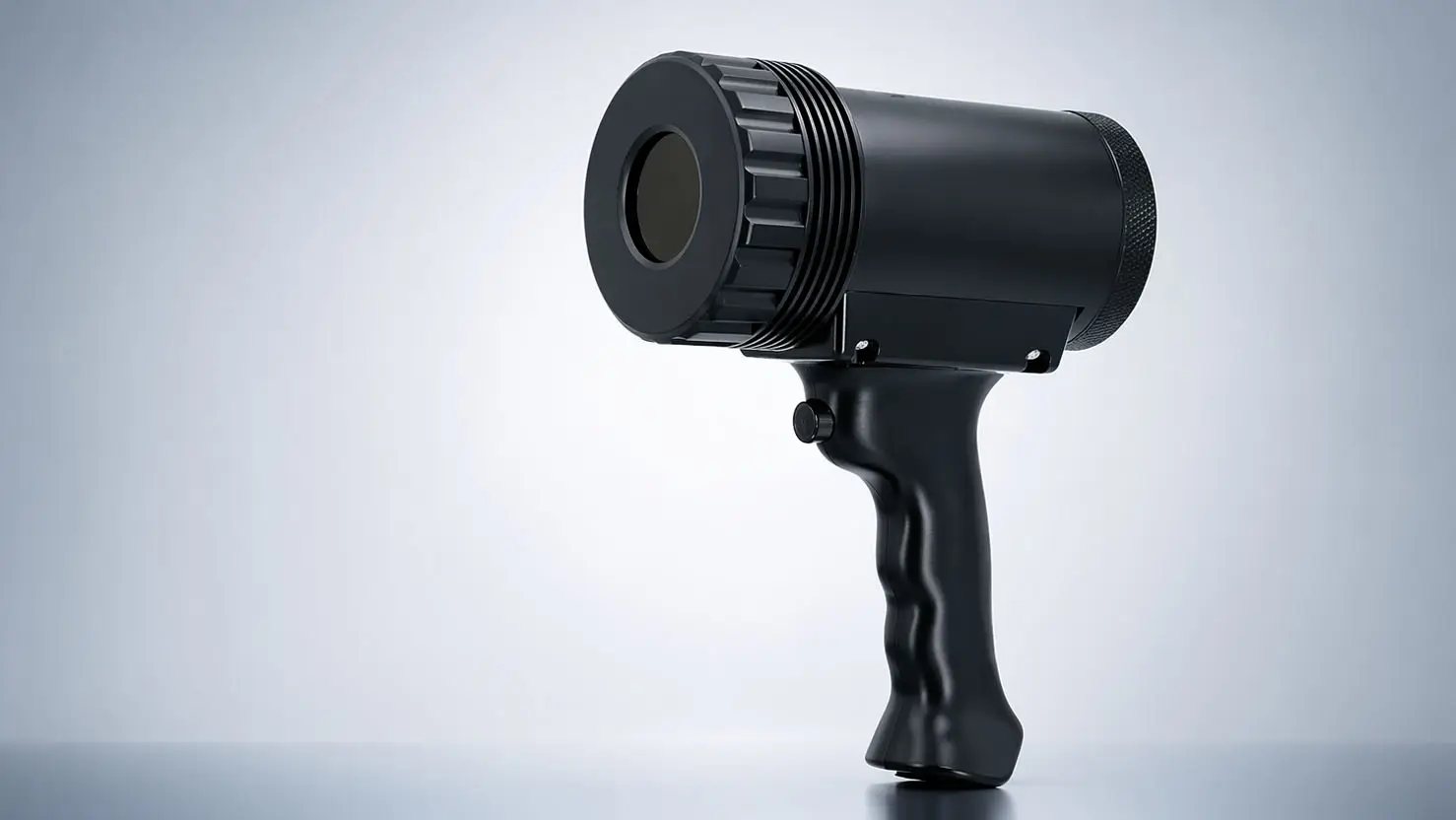
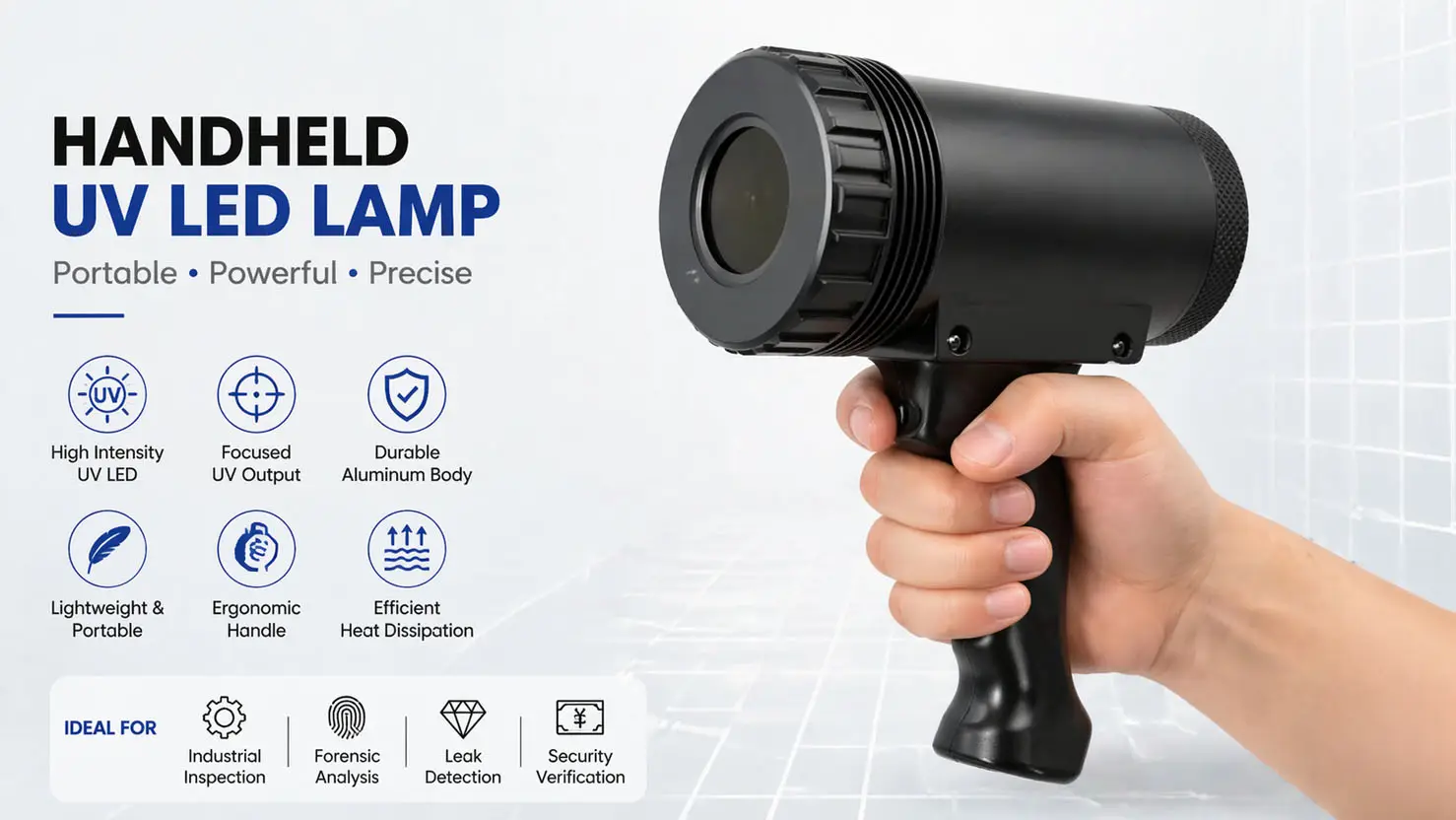
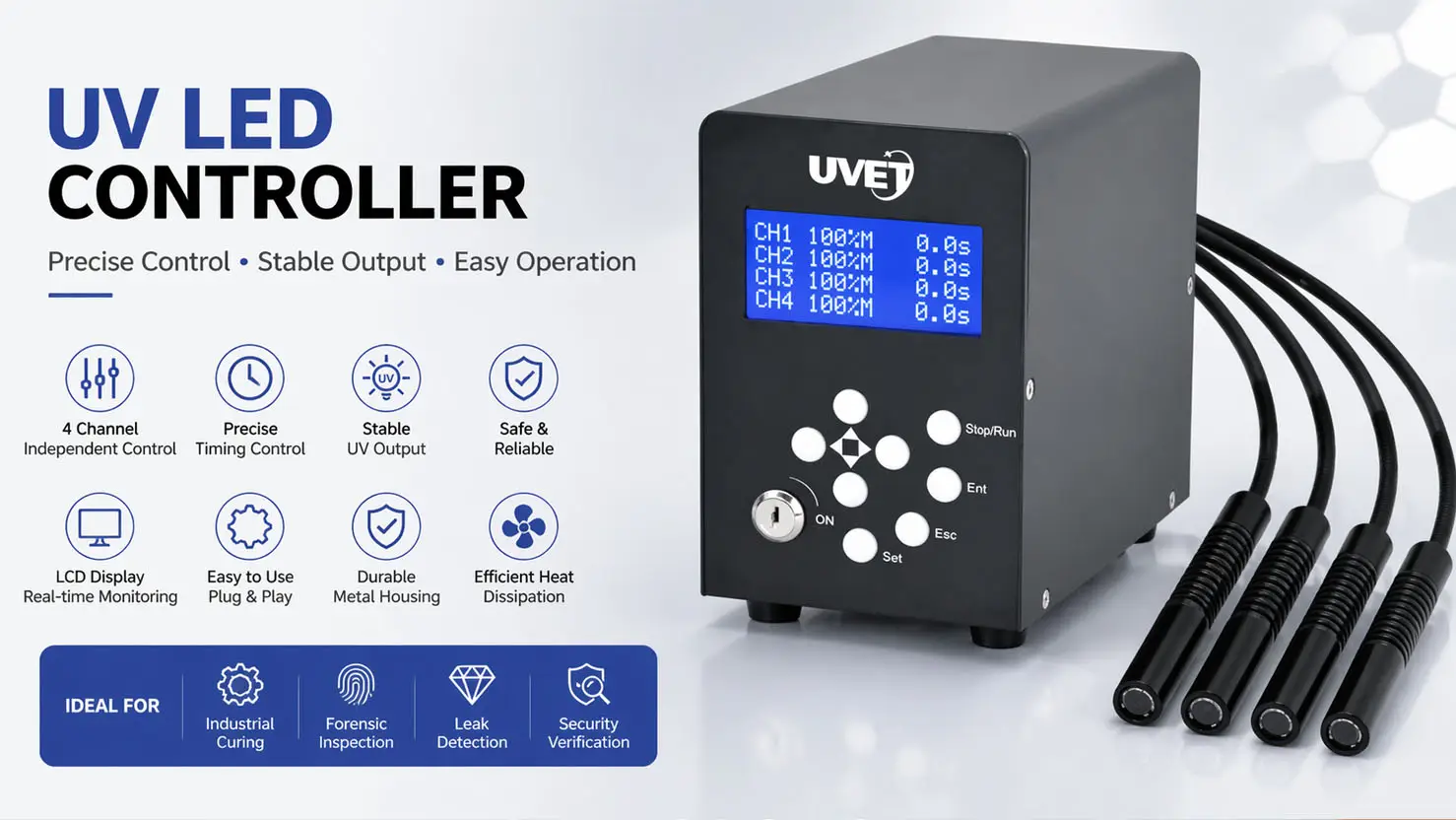
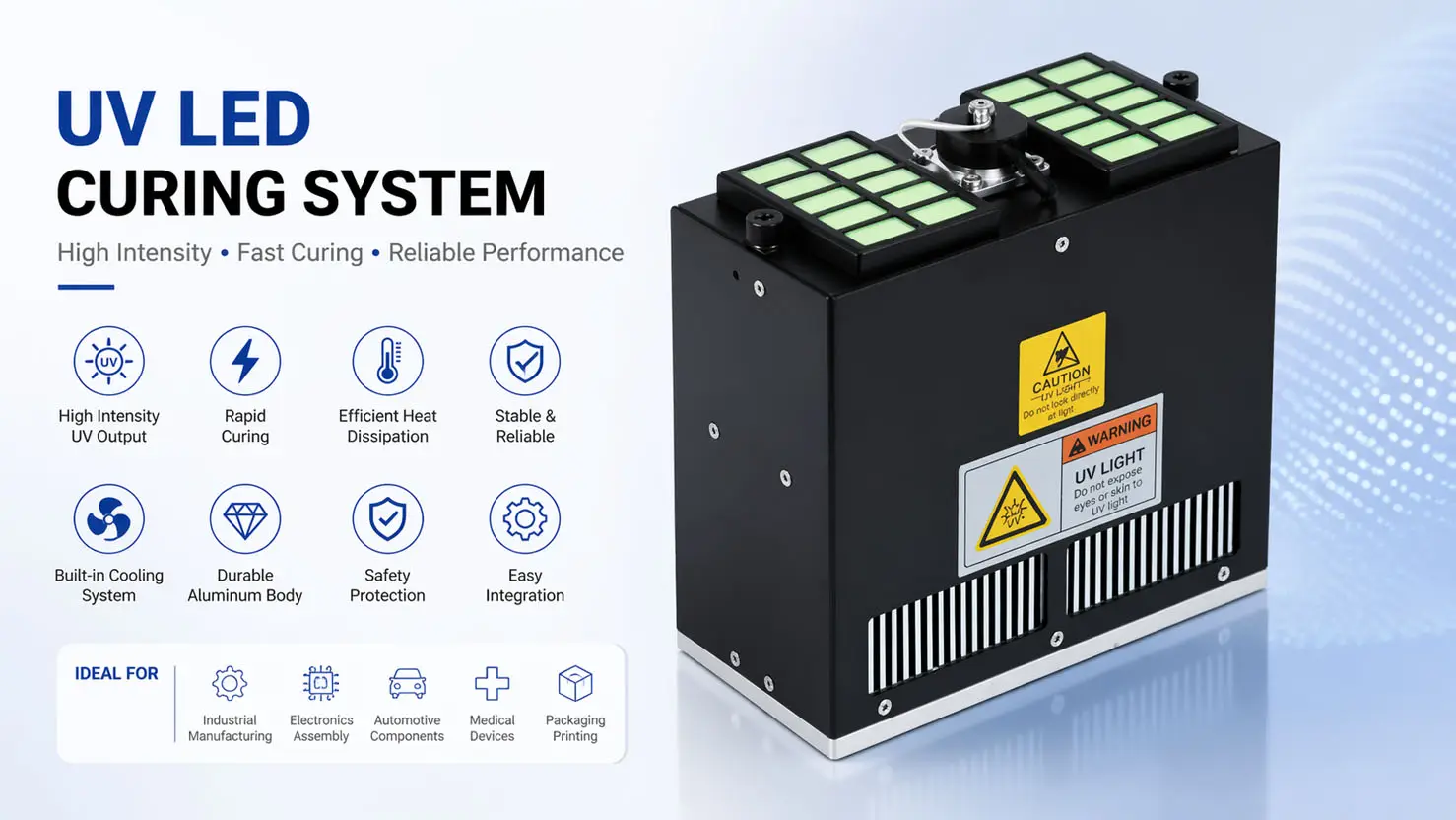
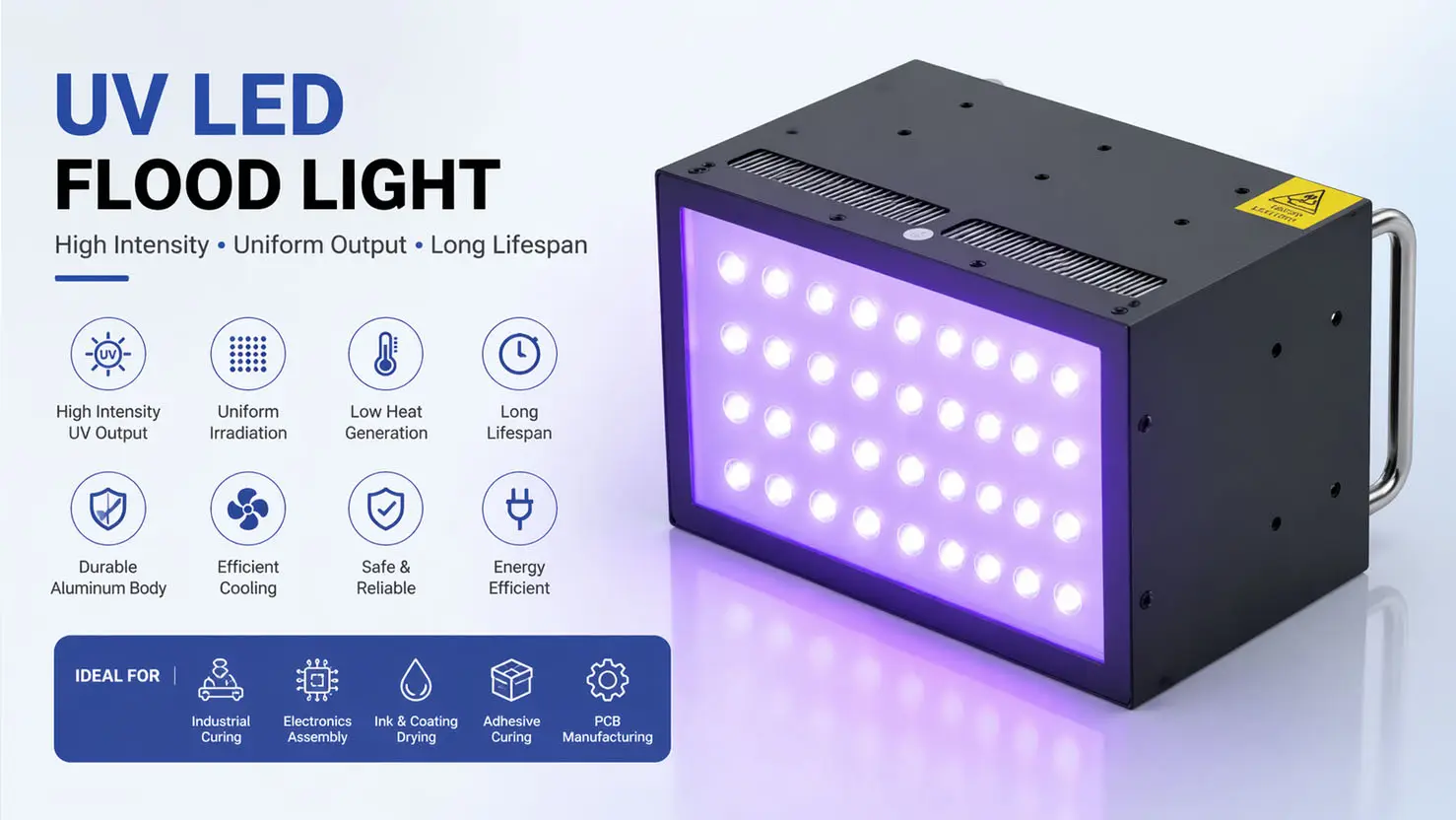
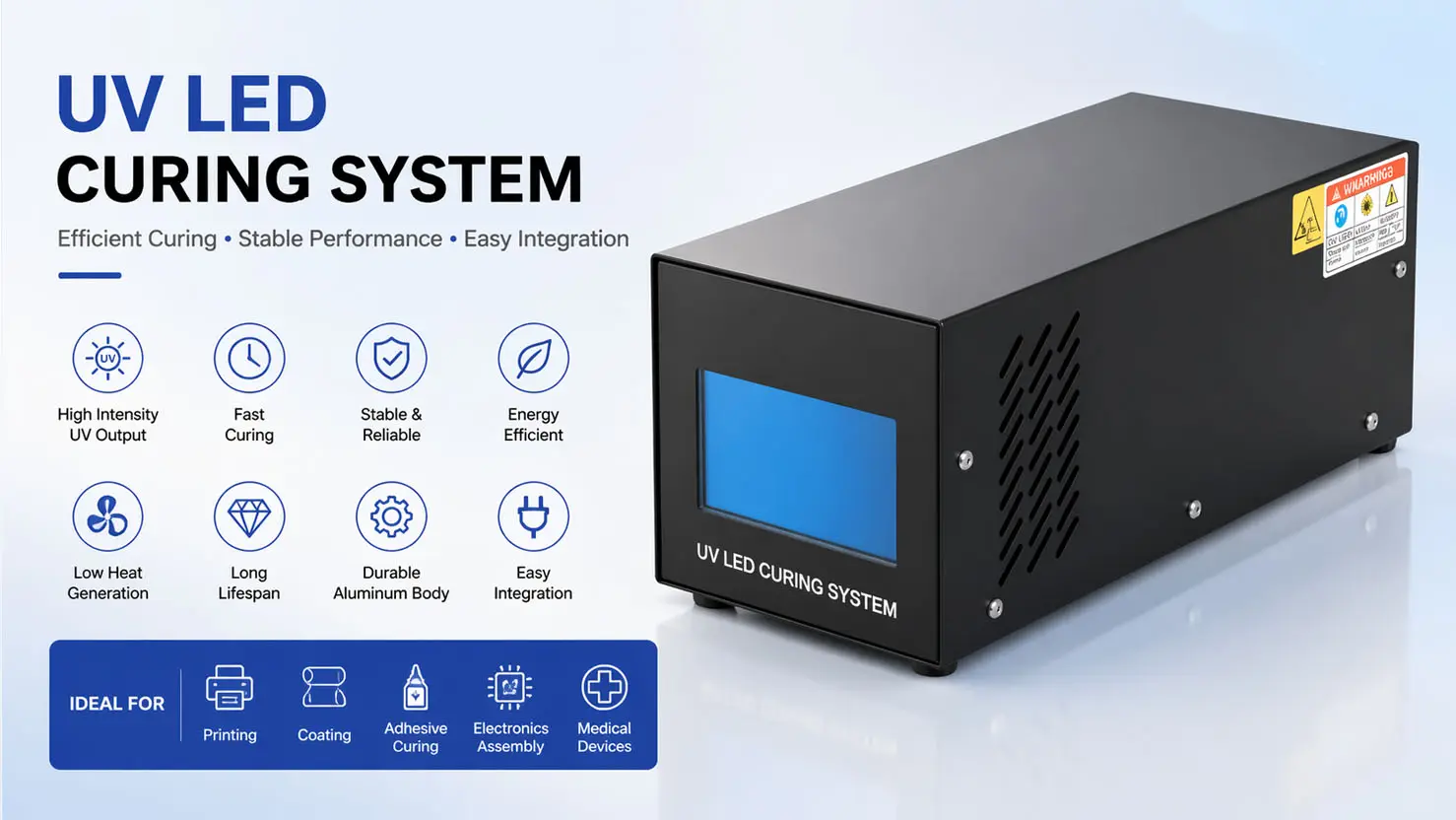
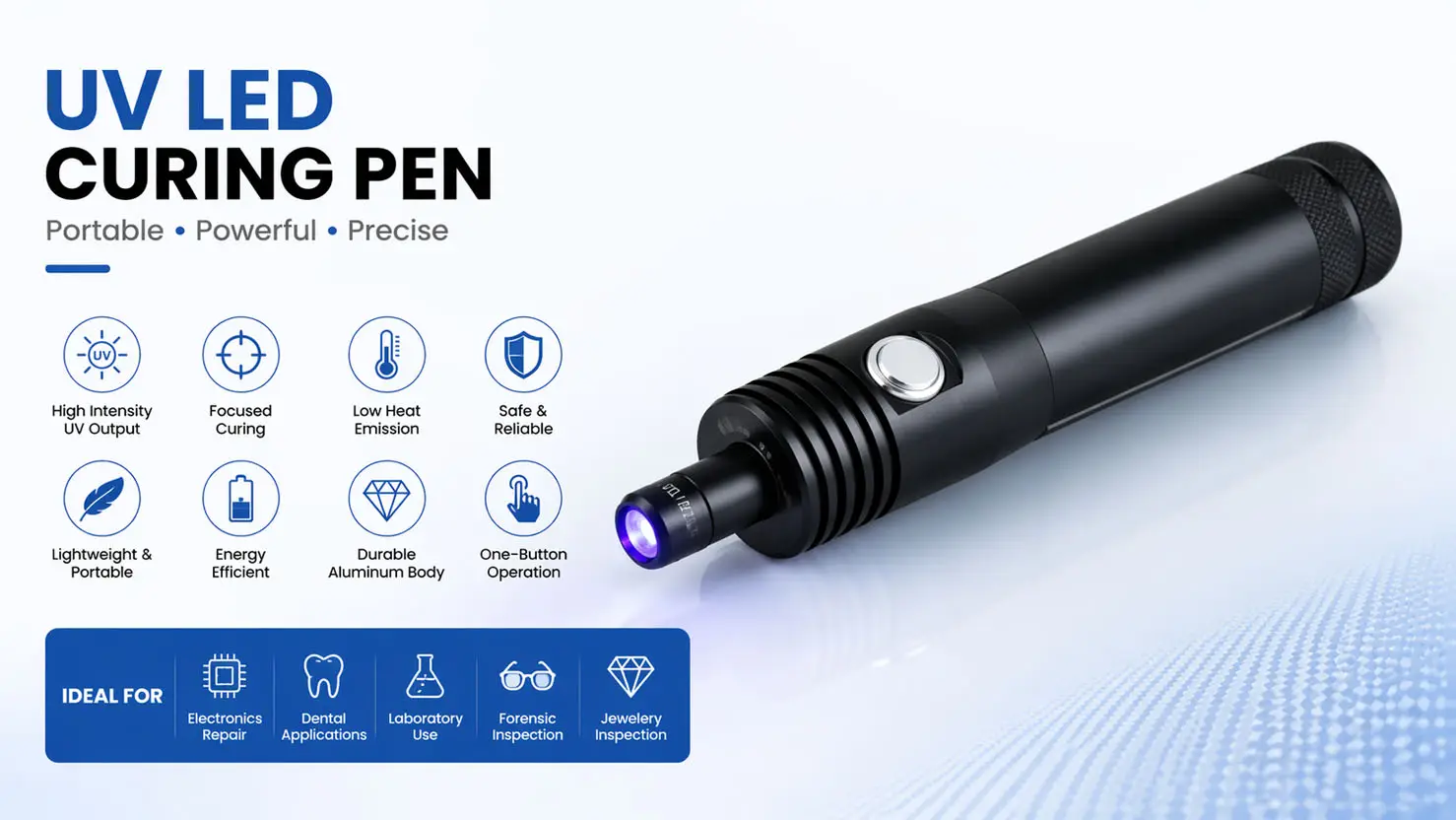
Adhesive spot curing is currently a critical process in the manufacturing industry to produce high-quality bonding, sealing, and coating in various industries. With a four-fold approach of UV LED spot curing technology and controlled polymerization, manufacturers can achieve both fast, consistent, repeatable results and reduced defects and energy consumption. In electronics, medical devices, aerospace components, or automotive assemblies, UV spot curing is the most accurate and efficient. Adhesive Spot Curing Understanding Adhesive spot curing is a localized curing technique of high-intensity UV or LED light sources on adhesives that are UV sensitive. The process of UV curing, as opposed to the conventional one, offers immediate polymerization, regulated energy input, and limited thermal influence. Key Advantages: Systems in the modern world make use of LED-curable adhesive curing lamps, PLC-controlled spot curing systems, and automated spot curing lines to streamline production. Technology of Adhesive Spot Curing The fundamental innovations of spot curing comprise UV LED spot curing lights, infrared spot curing equipment, and high-precision regulation of polymerization. These systems allow manufacturers to accurately regulate UV intensity, wavelength, and exposure time. Technical Highlights: UV LED Adhesive Spot Curing Technology - Delivers the quickest curing time with very low heat output, making it the best technology in industrial ...


(1).png)
(2).png)
