
What is UV LED COB Technology?
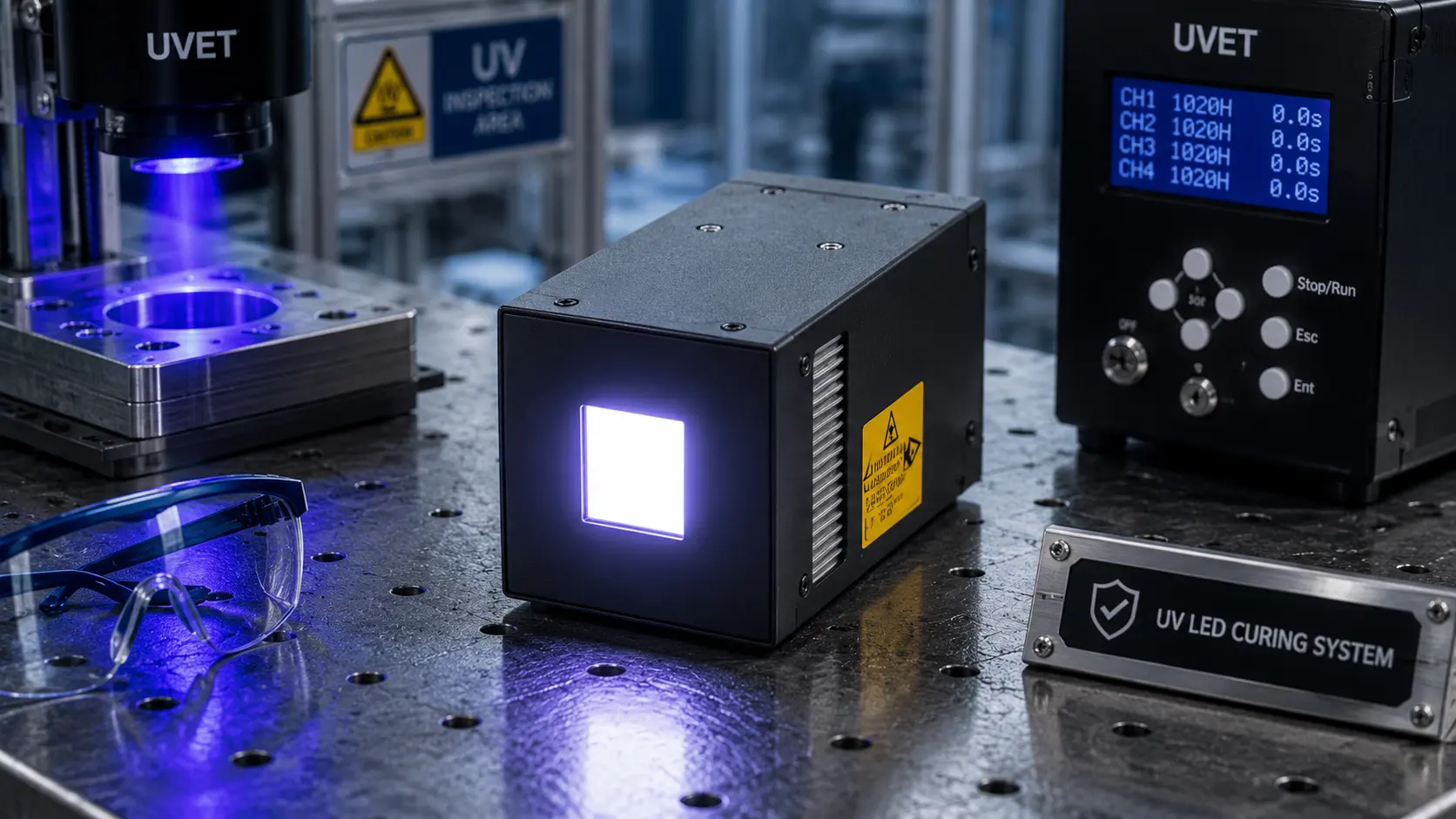
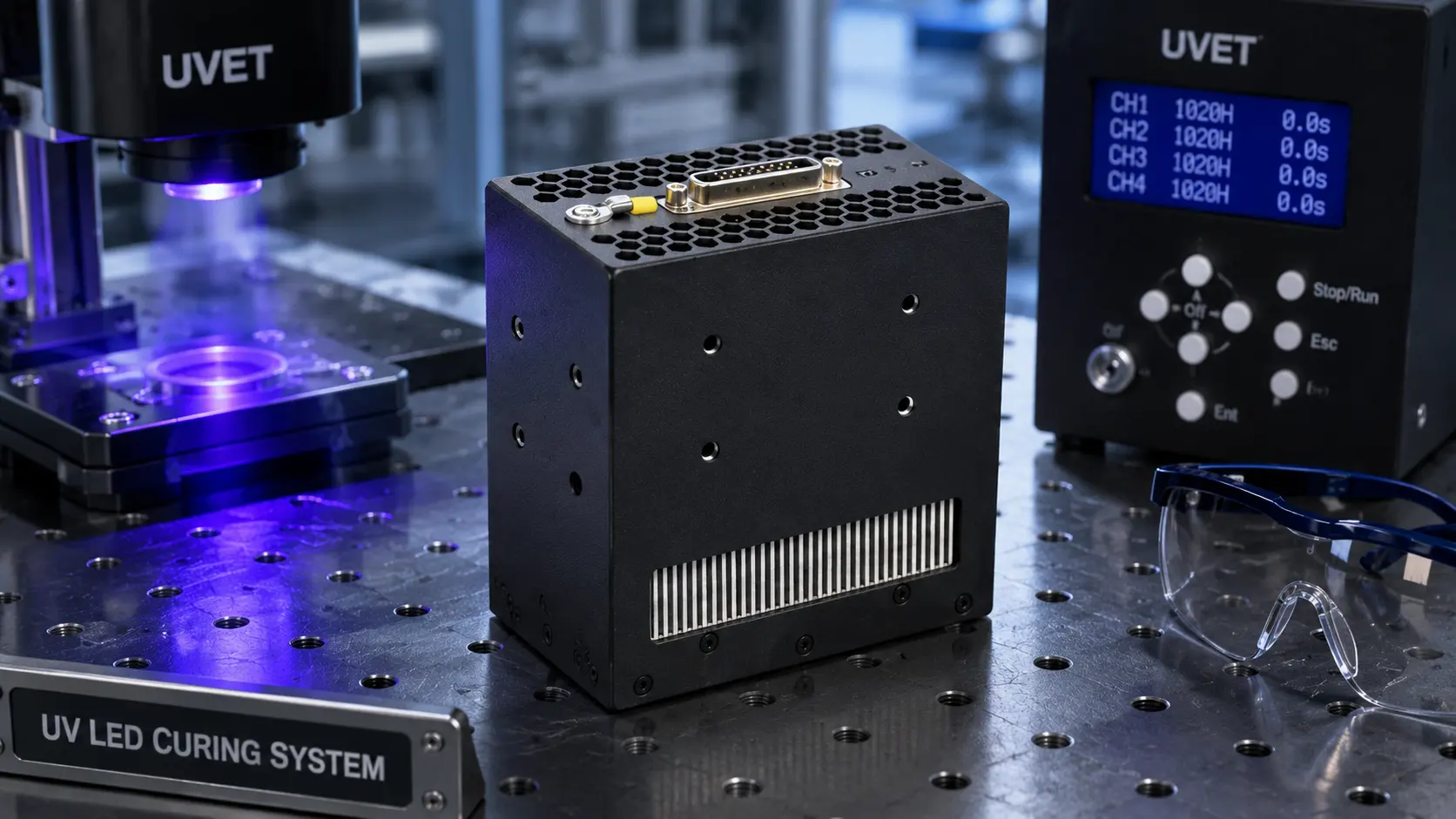
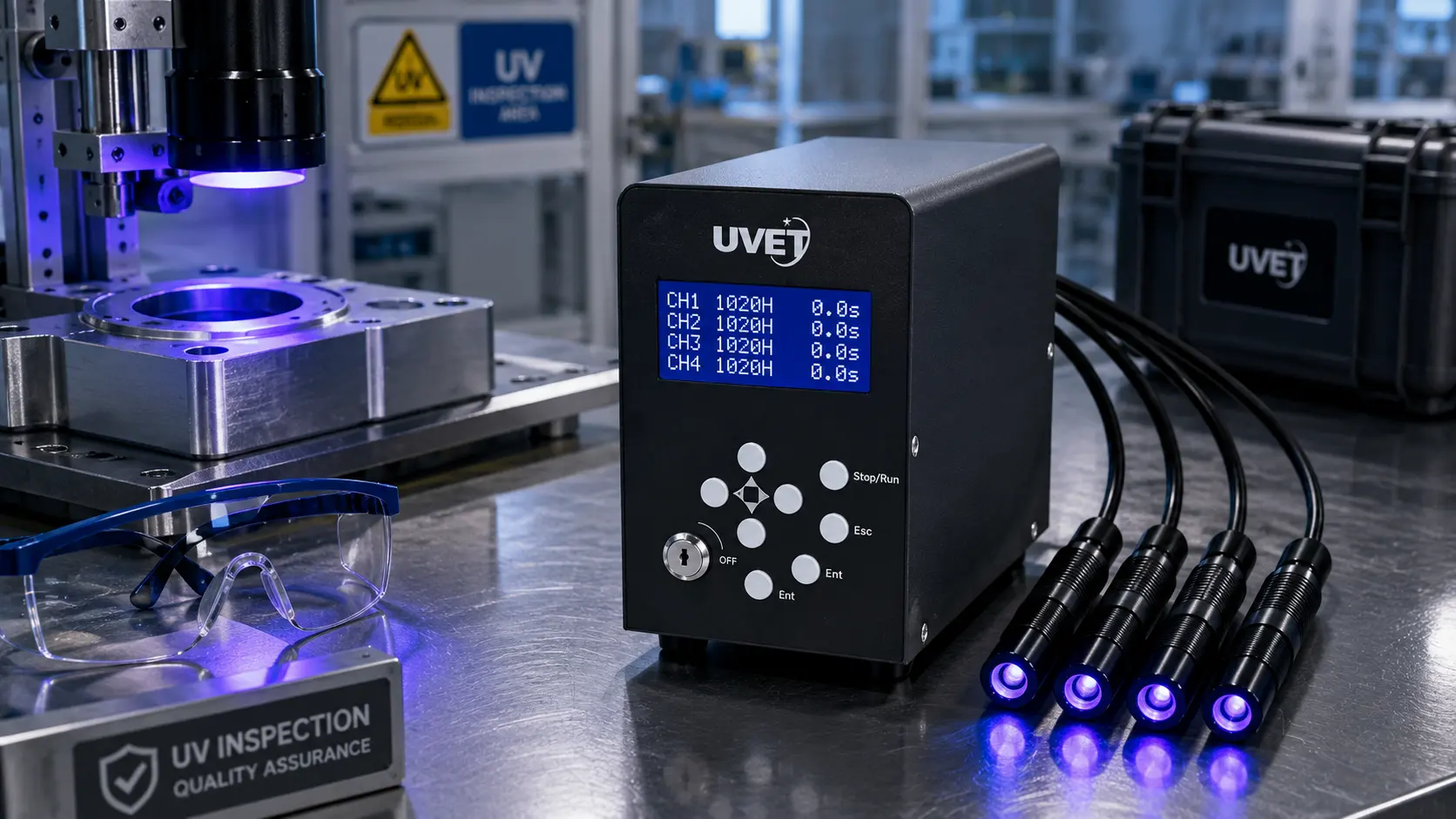
COB is an acronym of Chip-on-Board, in which a series of LED chip assemblies are directly attached to a substrate, producing one high-intensity light source. This technology is used to give a consistent light source, high irradiance, and heat management when incorporated into UV LED COB curing modules.
The main characteristics of the UV LED COB technology are:
- High-power UV LED output
- Better thermal control.
- Long lifespan LEDs
- Small size that fits in an industrial environment.
The combination of these characteristics makes UV COB LED curing lights prove to be very fast and uniform in curing adhesives, inks, and coatings.
UV LED COB Curing: The Final Solution for Industrial Use.
- In the modern industrial world, which is very fast and demanding, efficiency and accuracy in curing are essential in producing quality products. The UV LED COB to cure is a new technology that incorporates high power, energy saving and high life cycle, which suits wide application, such as adhesive and auto coating.
- You are in electronics or 3D printing or in the medical device manufacturing, this high-performance UV LED COB curing system is the best in performance and reliability.
Technical Benefits of UV LED COB in Curing
The industrial applications require precision, and UV LED COB provides it. The following are some of the technical highlights:
- UV wavelengths: 365nm, 385nm, 395nm and 405nm COB LEDs to meet a variety of curing needs.
- Intensive output: Guarantees deep penetration and uniform curing.
- Thermal control system: Lowers overheating and increases LED life.
- Optimized optical lens design: Distribution of focused light enhances efficiency in the curing process.
- Energy efficiency: Uses less power than conventional mercury lamps.
- UV LED COB power density: Programmable to meet industrial requirements.
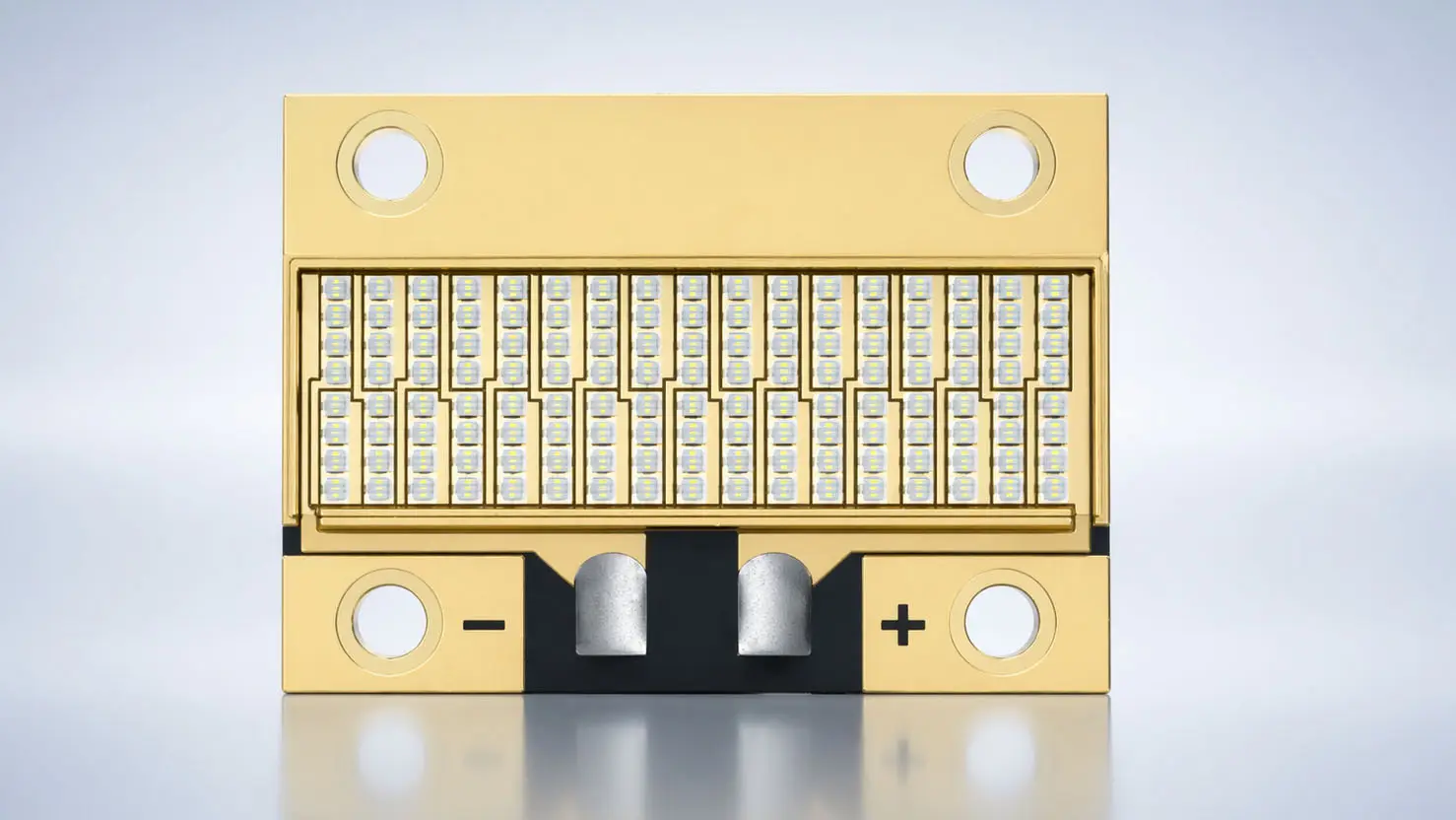
These specifications make UV LED COB curing systems faster, safer, and more reliable than conventional curing lamps.
Uses of UV LED COB Technology
UV LED COB modules are versatile, which is why they cannot be ignored in various industries:
Adhesive and Coating Curing
In adhesives, as well as specialty coatings, the UV LED COB in adhesive curing and coating, provides quick and even polymerization without overheating materials.
Ink and Printing Applications
Ink curing with UV LED COB gives accurate and consistent light, minimizing defects and enhancing productivity, when used in high-speed printing and packaging.
Electronics Manufacturing
UV LED COB in PCBs ensures uniform polymerization of solder masks and conformal coats, which are crucial to quality electronics.
Medical Device Curing
UV COB LED curing modules are suited to medical-grade adhesives and coatings, and provide sterilization-friendly and fast curing processes.
3D Printing
3D printing UV LED COB enhances the acceleration of post-processing, which increases the structural integrity and surface finish of the printed parts.
Automotive Industry
In the case of clear coats to protective coatings, UV LED COB of automotive coats provides consistent curing, which improves durability and gloss.
What is the Rationale behind High Power UV LED COB Curing?
There are several advantages of investing in high power UV LED COB curing solutions:
- Fast curing process: Reduces the time of production.
- Curing process without solvents: Environmentally friendly and safe.
- Low-temperature curing technique: Coats delicate substrates.
- Control of Oxygen inhibition: Uniform polymerization.
- Optimization of curing cycle: Optimizes throughput and does not affect quality.
Manufacturers by adopting UV LED COB curing solutions can benefit in saving energy, increased productivity and quality products.
UV LED COB vs. Traditional UV Lamp Curing
The conventional mercury lamps have been the norm in curing applications; however, UV LED COB has several benefits:
- Extended life - UV LED COB modules have a life of tens of thousands of hours.
- Energy efficient - Consume a lot less electricity.
- On/off - Removes the warm-up and cool-down period.
- Small size - Fits small or complicated equipment designs.
- Ecologically friendly - Mercury-free operation minimizes dangerous waste.
This comparison explains why a greater number of industries are moving towards UV LED COB curing systems.
The choice of the UV LED COB Module
To select the appropriate UV LED COB module, several factors should be taken into consideration:
- Wavelength compatibility: Find a match between the LED wavelength and the photo initiator material.
- Power and irradiance: Make sure that there is enough light intensity to ensure complete curing.
- Thermal control: Test heat sinks and cooling.
- Application requirements: Curing of adhesive, coating, or ink.
- Space: Small equipment is more appropriate with compact modules.
Custom and OEM Solutions
A large number of manufacturers need tailor-made UV LED COB to use in special applications. Customization can be done to:
- Adjustable power output
- Certain wavelength selection.
- Easy integration through modular design.
- Large-scale manufacturing by OEM.
The distributors of UV LED COB, such as UVET, provide specific solutions to the industrial requirements so that the performance and ROI are maximized.
Performance Optimization and Maintenance
To achieve the best out of your UV LED COB system:
- Cleaning: Clean optical surfaces of dust.
- Track heating systems: avoid overheating and increase the life.
- Maximize curing times: Curing exposure on software or controllers.
- Monitor LED degradation: Change modules when output is less than specifications.
Good maintenance results in uniform curing, minimizes downtimes, and improves the overall productivity.
Conclusion:
To sum up, UV LED COB to cure is a breakthrough in contemporary production. It has a fast-curing, energy-saving, and predictable performance in a small and eco-friendly package. Install UV LED COB curing solutions by UV NDT in your production line and get faster processing, improved product quality, and save big. Act now, go to UVET and see our high-quality UV LED COB modules and transform your curing process.
Share on Social:


