
Low-heat UV Exposure: Industrial Curing Solutions
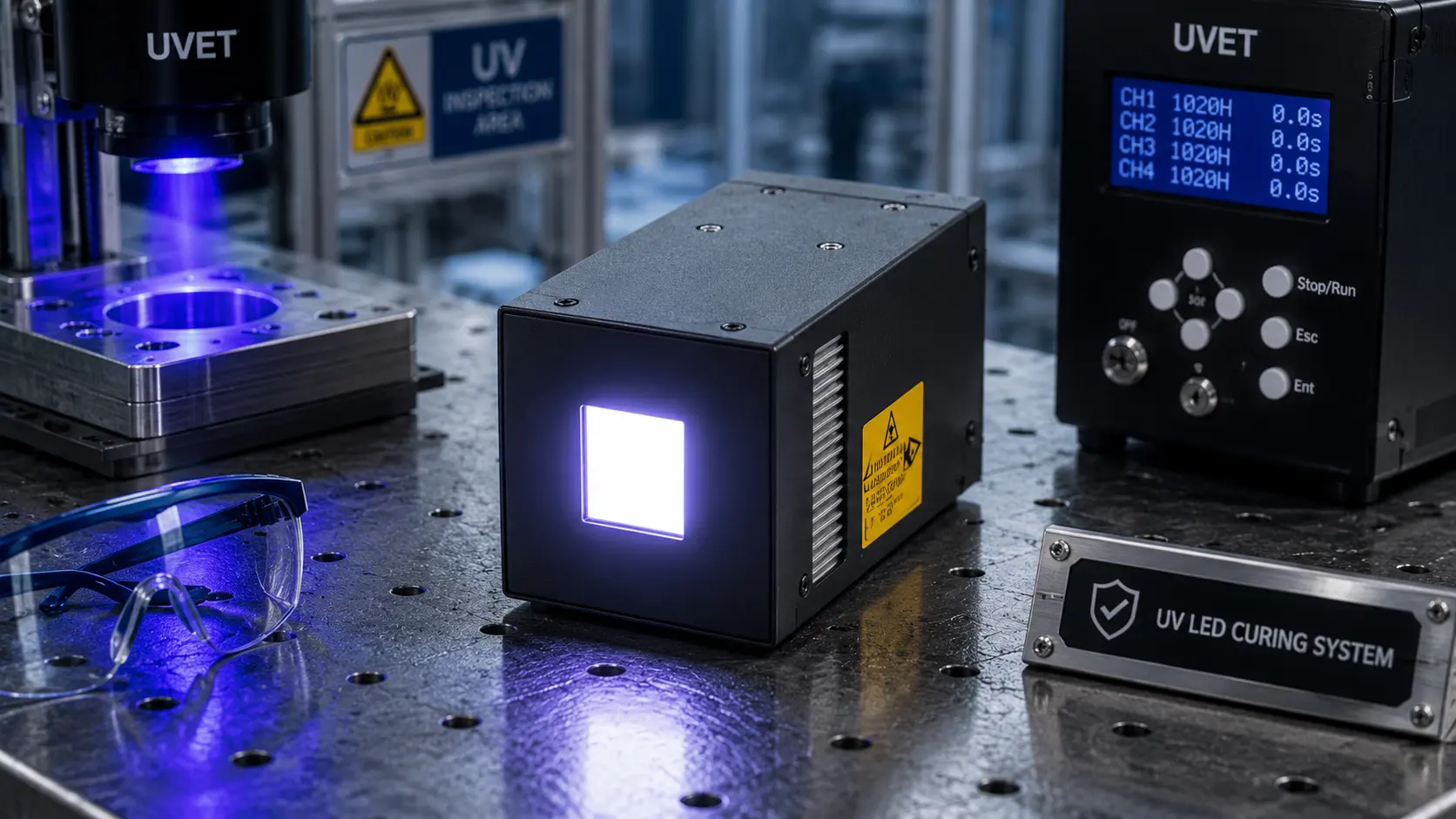
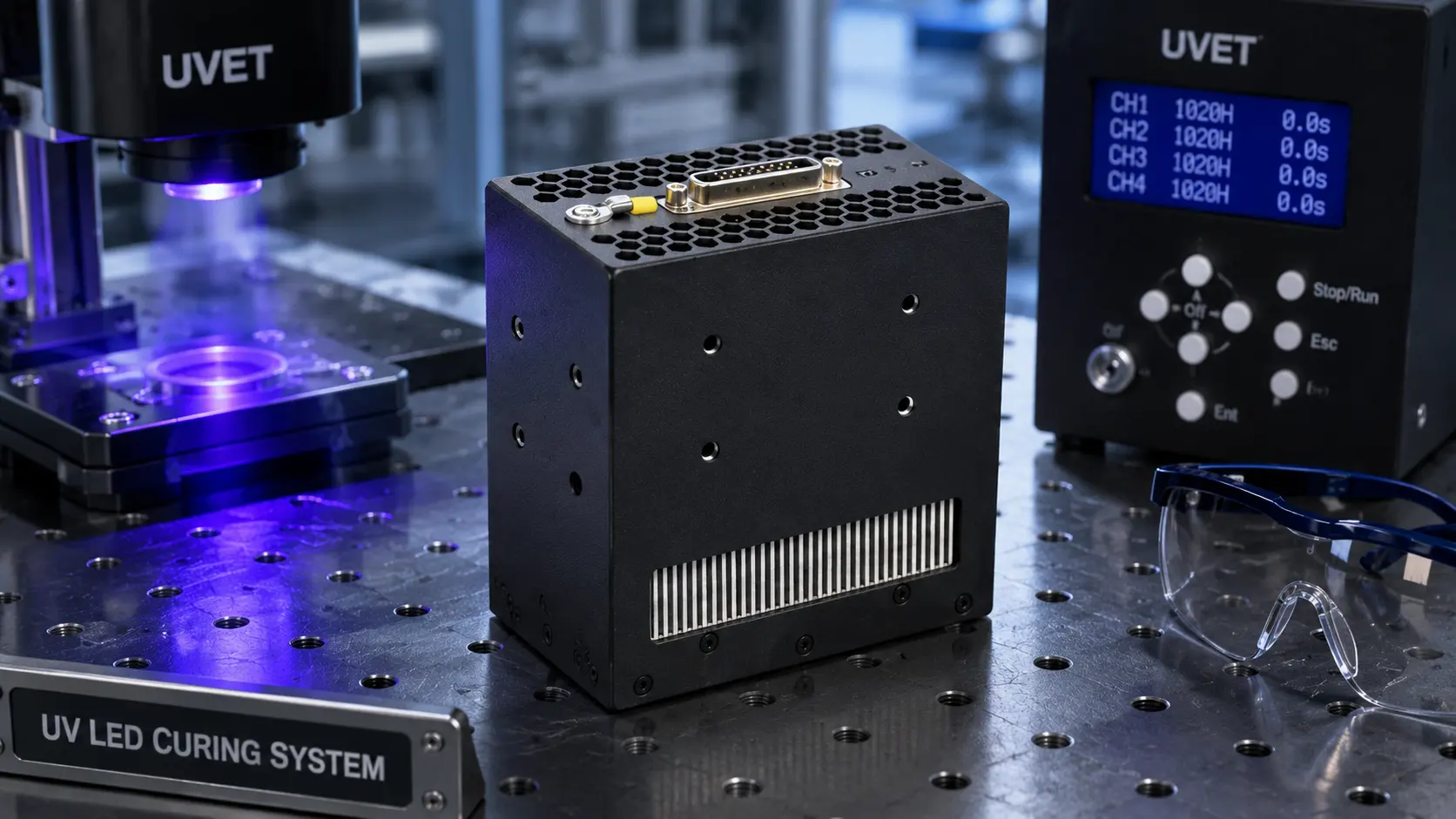
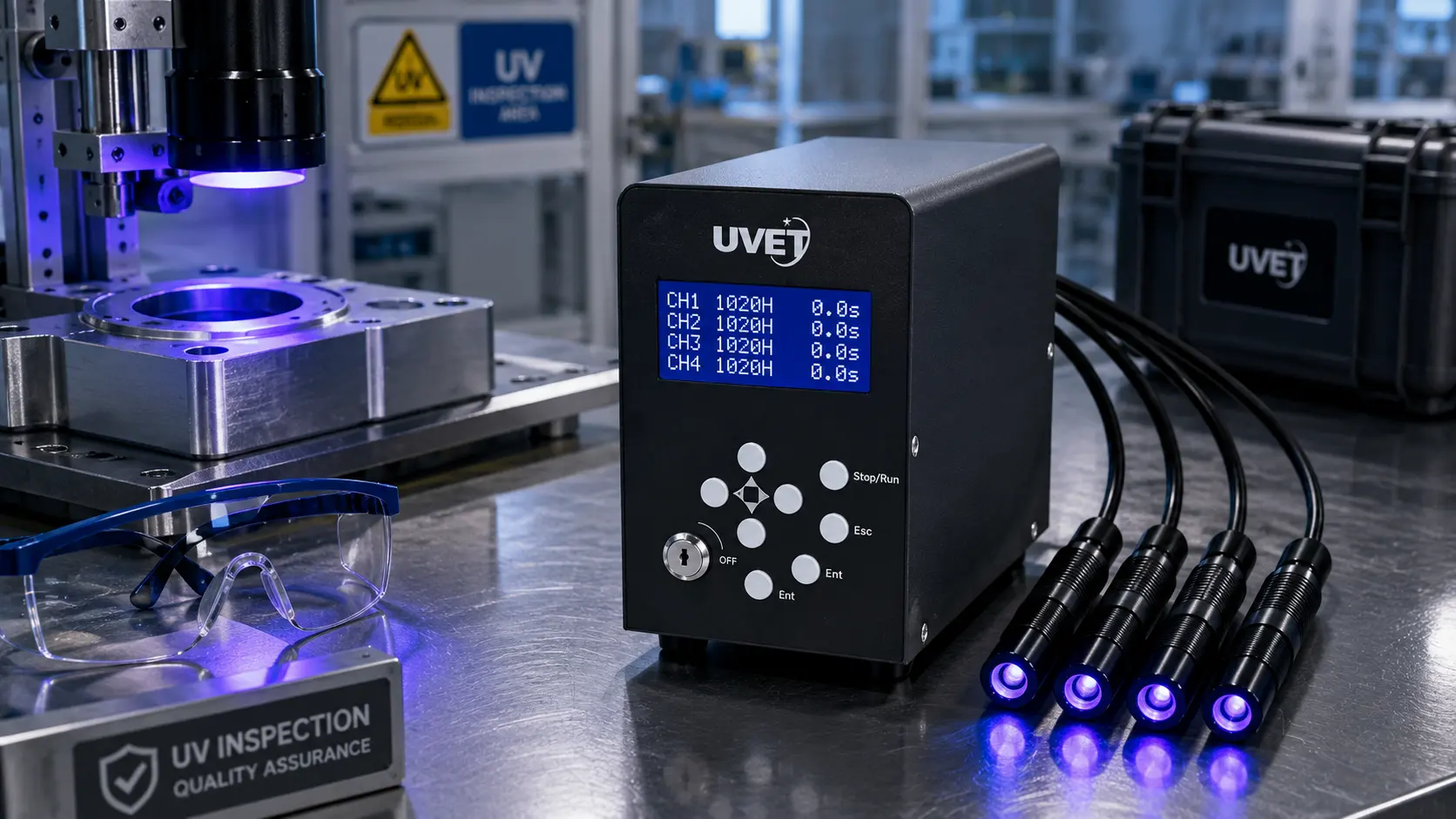
- Low-heat UV exposure is quickly becoming a significant solution to industries that need a precise, efficient, and safe way to cure in the modern manufacturing environment. Low-heat UV curing systems do not damage sensitive materials like traditional high-temperature UV systems, which can cause damage to substrates, and this allows substrate-safe UV curing to be done over a variety of applications.
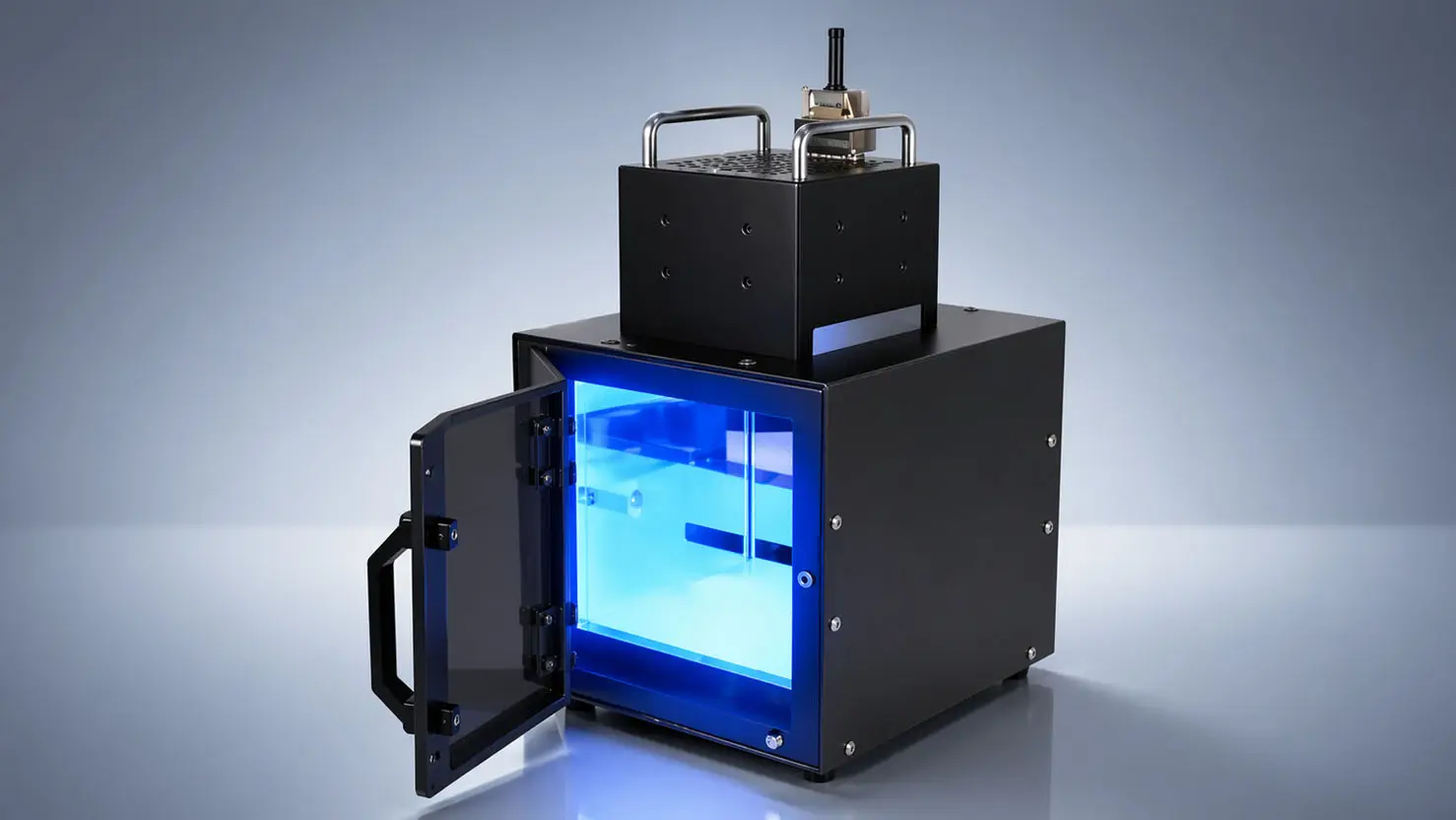
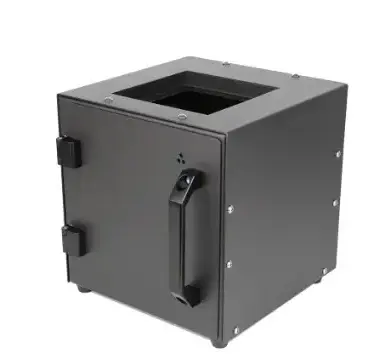
- Our state-of-the-art UV LED curing ovens are designed to be highly efficient, precise, and reliable. These systems are designed to serve industries ranging from electronics to medical equipment and have a blend of energy-efficient UV curing systems and low heat production, which guarantee the optimum outcome in heat-sensitive materials.
Low-heat UV Curing in Understanding
Low-heat UV curing, also known as low-temperature UV exposure or cool UV curing technology, is the technique of applying ultraviolet light with a lower thermal output to trigger a photopolymerization reaction. This is of particular importance to materials that are likely to deform or be damaged in the presence of high heat.
The advantages of low-heat UV exposure are:
- Reduced thermal stress on heat-sensitive substrates.
- Even and regular curing on complicated surfaces.
- More product durability and reliability.
- Low electricity consumption and energy-saving mode of operation.
- Good environment to cure, minimizing the chances of heat-induced failures.
Low-heat UV systems provide the best curing of delicate materials by keeping the UV intensity and irradiance low; therefore, they are indispensable in modern manufacturing.
The mechanism of UV LED Curing Technology
The essence of low-thermal UV curing solutions is the high-technology of UV LED curing. In contrast to the conventional mercury lamp, the UV systems using LEDs produce light in a narrow band of wavelengths, usually 365 nm to 405 nm. This precision allows for:
- Photoinitiation in adhesives, coatings, and polymers.
- Repeatable curing results: Controlled UV dose and exposure time.
- Reduced thermal output to conserve sensitive substrates.
- Energy-saving operation, minimizing the cost of operation.
The comparison of LED UV exposure and mercury UV lamps shows another benefit: LEDs produce much less heat, yet offer the same UV intensity, and therefore can be processed much faster with no threat of thermal damage.
Technical Benefits of Low-heat UV Curing Systems
Contemporary low-heat UV processing has unparalleled control and accuracy, with the following features:
- Thermal control systems that keep the curing temperatures optimum.
- Close regulation of UV wavelength (365 nm, 385 nm, 395 nm, 405 nm) to achieve accurate curing.
- UV curing that does not distort materials that are sensitive to heat.
- Optimization of UV dose to give maximum efficiency and uniform cross-linking of the polymer.
- Exposure control, precision UV application in complex designs, and the industry.
Moreover, low thermal output UV systems enable manufacturers to work with sophisticated materials, such as plastics, polymers, optical adhesives, etc., without the threat of compromising the integrity of the product.
Low-heat UV Exposure in the Industry
The use of low-heat UV is common in industries where heat-sensitive products are common. The major areas that have benefited from this technology are listed below:
Electronics and PCB Manufacturing
In the case of electronics, too much heat in UV curing may damage delicate parts. PCB-safe curing processes are possible with low-heat UV curing, and they allow:
- Precise circuit board adhesive bonding.
- Lower thermal stress on the electronic components.
- Constant quality of assembly on complicated electronics.
LED UV curing systems can be used to control the exposure with a high degree of accuracy, which makes them suitable for prototype and mass production of PCBs.
Medical Devices and Optical Components
Material integrity is important in the medical and optical industries. Lenses, optical fibers, and medical-grade devices are safe to cure under low-temperature UV. Key benefits include:
- Even surface curing using UV light.
- Deep curing of thicker substrates.
- Less danger of thermal damage.
- Adherence to quality and safety standards.
Through the incorporation of cool UV curing processes, manufacturers are able to ensure reliability and accuracy in all the components.
Printing, Coatings, and Flexible Materials
Low-heat photopolymer curing is useful in heat-sensitive substrates of the printing and coating industries. Advantages include:
- Smooth and uniform coatings
- Quick drying without deformation of the substrate.
- Storing of plastic and flexible films.
- The speed of production is increased with low-energy consumption.
This cold UV curing process provides high quality similar results in a variety of manufacturing processes.
Process and Mechanism Insights
Low-heat UV exposure is based on the science of photochemical curing reaction and polymerization by UV radiation. Key aspects include:
- Cross-linking of polymers under UV to cure fast.
- Quick UV curing operations, which reduce production time.
- Regulated UV exposure to deter over-curing.
- Oxygen inhibition should be considered in UV curing to obtain consistent results.
- Quick-curing techniques suited to temperature-sensitive materials.
Through these mechanisms, manufacturers can streamline production processes and materials.
The benefits of Low-thermal UV Curing Solutions
Low-heat UV curing solutions have many operational and technical benefits:
- Economical and efficient in energy consumption.
- Cautious of fragile substrates.
- Facilitates high throughput production, free of thermal risk.
- Accurate UV spectrum control of consistent curing.
- Applicable in a large variety of industrial uses, including electronic products and medical equipment.
In low-heat UV light curing systems, the manufacturers can save on energy consumption and still maintain the quality of production, hence the systems are not only eco-friendly but also cost-effective.
Selection of the Right Low-heat UV Curing System
To choose the best UV LED curing oven, it is necessary to consider several factors:
- UV wavelength compatibility with your photo initiator
- Variable UV intensity and exposure period.
- Layout and size of your workflow chamber.
- Protection measures, including anti-UV leakage windows and automatic shut-off.
- Industrial-scale production reliability.
We have developed high-precision industrial low-heat UV exposure systems at www.uvndt.com that offer the ability to operate with ease and are helpful in a wide range of industries.
Reasons why Businesses are going to Low-heat UV Exposure
By implementing low-heat UV exposure technology, companies can:
- Guard sensitive heat-sensitive parts during manufacturing.
- Enhance the quality and consistency of products.
- Minimize energy use and expenses.
- Massive production without wasting materials.
Conclusion:
The low-heat UV exposure is no longer a luxury but a must for industries that deal with fragile and heat-sensitive materials. In electronics, medical device applications, and high-tech coating, this technology offers a controlled substrate, safe, and energy-efficient UV curing. The future of manufacturing with UV LED curing ovens of UVET is here, and with this technology, you can improve the quality of your production and protect the integrity of your materials at the same time. Invest in accuracy, speed, and dependability.
Share on Social:


