
Non-Destructive Testing (NDT): Safety and Quality in all Industries
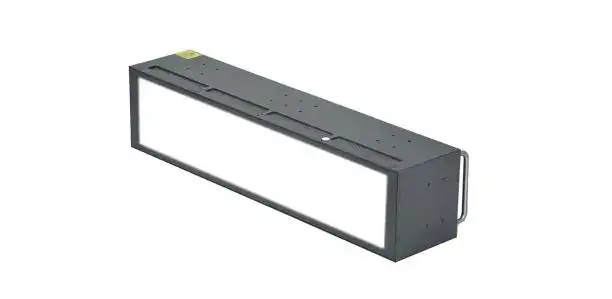
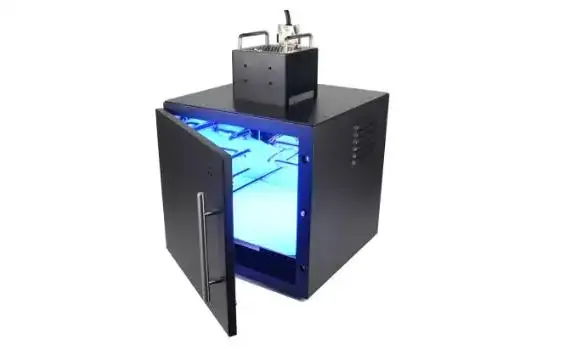
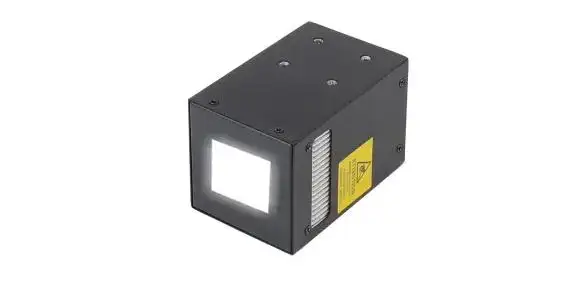
Non-destructive testing (NDT) is an important procedure that enables engineers and inspectors to evaluate the integrity of materials and structures without destruction. In aerospace components, pipelines, and many other areas, NDT guarantees safety, reliability, and adherence to industry standards. UV NDT offers the most advanced NDT inspection services to be precise and efficient.
Introduction to NDT and its significance
Non-destructive evaluation (NDE) or NDT is a range of NDT methods to identify defects, structural integrity, and material performance. Compared to the old destructive testing, NDT does not destroy the component, but it can be used in the service and at the same time be safe.
Key Benefits of NDT:
- Identifies cracks, voids, and corrosion.
- Maintains adherence to industry standards, including ASTM and ISO.
- Assists in quality control testing during manufacturing.
- Saves on maintenance expenses by forecasting maintenance.
- Improves safety in the work conditions of industries.
General NDT Methods and Techniques
NDT is a technique and procedure based on a number of methods to assess materials. Both methods have certain benefits based on the type of material and the use.
Ultrasonic Testing (UT)
Ultrasonic testing involves the use of sound waves of high frequency to identify internal defects. It has wide applications in aerospace, automotive, and pipeline inspection. UT is a method that offers accurate structural integrity testing and is best suited to non-destructive tests of metal welds.
Radiographic Testing (RT)
Radiographic inspection involves the use of X-rays or gamma rays to visualize internal defects. This method is frequently applied to inspect weldings and in high-stakes infrastructure development, which gives a clear definition of the defects without damaging the component.
Magnetic Particle Testing (MPT)
MPT identifies cracks on the surface and near-surface of ferromagnetic materials. Inspectors are able to find even fine cracks using magnetic fields and particles. The approach is typical of automotive NDT and inspection of industrial equipment.
Liquid Penetrant Testing (LPT / PT)
LPT is a method that is used to provide cracks on the surface of the material by applying a dye that shows up under UV light. This is a simple but effective method that is applied to aerospace, automotive, and pipeline inspections. Our UV LED lights for NDT increase the LPT accuracy by offering a uniform UV light.
Eddy Current Testing (ECT)
ECT identifies defects on surfaces and near-surfaces through electromagnetic induction. It is very useful in the aerospace and automobile industries, especially in the conductive material testing without damage.
Visual Inspection (VI)
Visual inspection. This is a basic NDT process, and in many cases, high-powered UV or magnification devices are used to supplement the visual inspection. The current portable NDT devices enable inspectors to perform VI more accurately.
Acoustic Emission Testing (AET)
AET is used to measure the energy that is emitted by stressed materials, and defects are detected before they cause failure. The technique is becoming more popular in predictive maintenance and structural integrity tests.
Thermography Inspection
IR thermography identifies temperature changes due to defects, which is a non-contact, effective NDT solution. It is mostly applicable in the inspection of large structures in industrial inspection services.
Phased Array Ultrasonic Testing (PAULT)
PAUT employs several ultrasonic elements to scan complicated geometries and provide high-resolution images of defects. It is generally used in aerospace NDT and pipeline inspections due to its accuracy and speed.
NDT Equipment and Technology
The contemporary NDT is based on advanced equipment and technology to enhance accuracy and efficiency.
Key Equipment Includes:
- Field inspection of NDT equipment.
- High volume industrial NDT automation.
- Fast, detailed imaging with digital radiography (DR).
- Probes and NDT sensors to get accurate data.
- NDT software to examine inspection data.
- NDT equipment checkers to ensure the accuracy of the equipment.
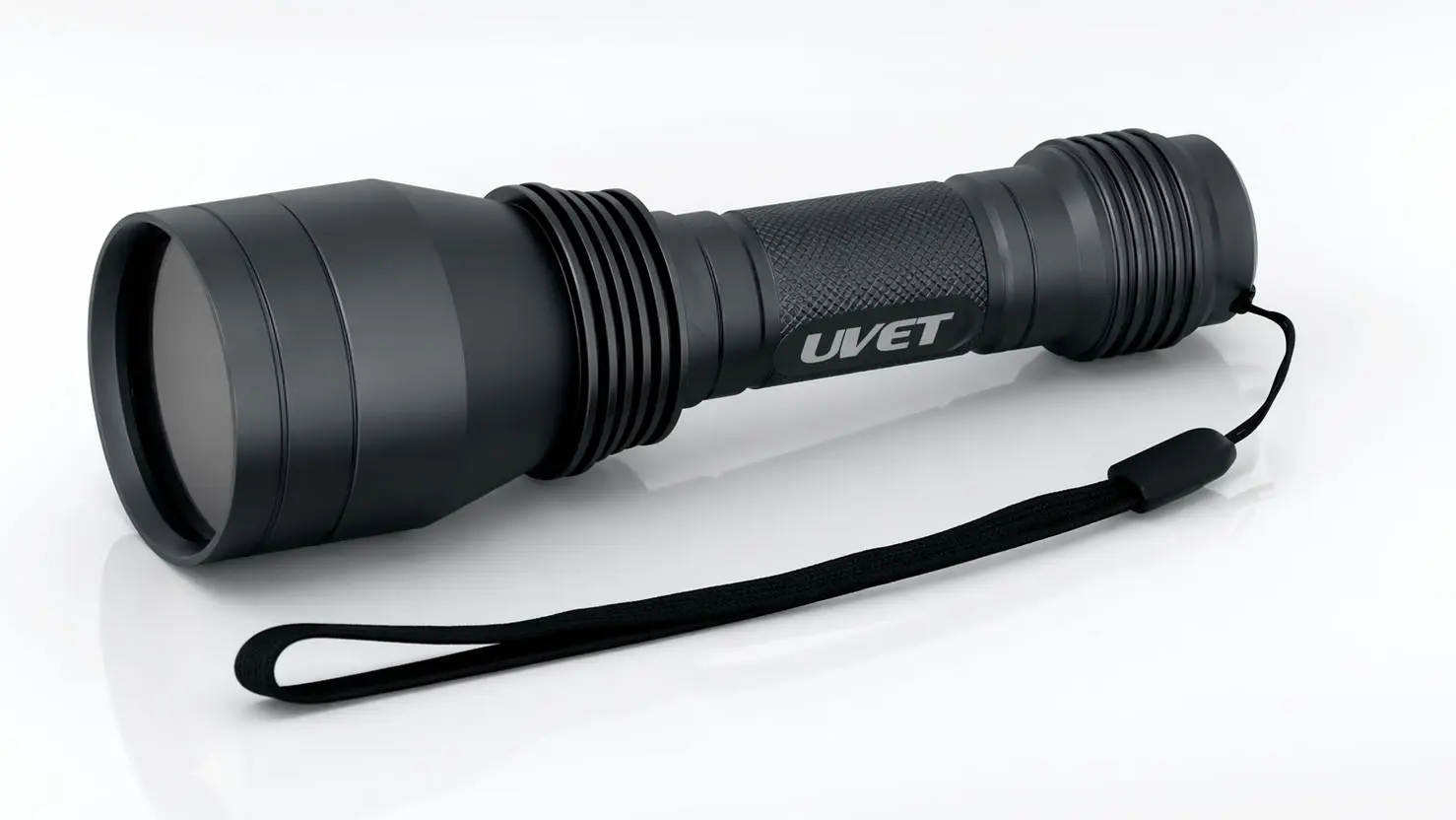
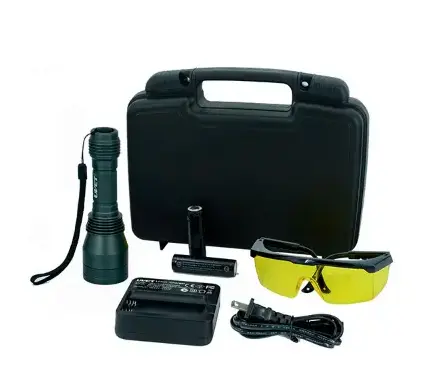
Our UV LED Light in NDT is one of the products. It uses a Nichia 365nm UV LED, which is a high-intensity light with a coverage area of 100mm and is compliant with ASTM and MIL standards of FPI and MPI tests. It is lightweight and portable and has a rechargeable Li-ion battery, which guarantees up to six hours of constant operation.
Applications of NDT in the industry
NDT is necessary in various industries, which have different inspection requirements.
Aerospace NDT
NDT is used to guarantee safety in aircraft wings and engine parts without affecting the structural integrity. Methods such as PAUT and radiographic examination are popular.
Automotive NDT
In the auto industry, NDT ensures that there are no defects in welds and that the parts are critical to safety and performance.
Oil and Gas Inspection
The integrity of the pipelines plays a crucial role in eliminating leakages and environmental risks. The NDT techniques that are used are ultrasonic testing, radiography, and thermography, which are common.
Weld Inspection
Welds are vulnerable points of failure. Application of NDT methods such as MPT, LPT, and PAUT provides high-quality defect-free joints.
Structural Integrity Testing
Industrial inspection services apply to civil and industrial buildings, which are guaranteed to be safe and long-lasting.
The Higher and Innovative NDT Solutions
Non-destructive testing (NDT) is changing at a fast rate with the advent of technology.
Modern Innovations Include:
- AI of NDT in automated defect detection.
- NDT robotics to inspect the inaccessible locations.
- Remote NDT inspection to inspect structures remotely.
- Predictive maintenance data analysis using NDT.
- IoT-enabled sensor-based smart NDT solutions.
These innovations are efficient, have less human error, and give real-time information to make decisions.
Why UV NDT should be selected as an Inspection Service?
At UV NDT, we integrate high technology with professional skills in order to provide high-quality inspection solutions. Our NDT practices are in line with the ASTM and MIL standards, which make them reliable. We offer fast, safe, and accurate inspection in all industries with the use of portable and automated NDT systems.
Benefits of Choosing UV NDT:
- Availability of state-of-the-art NDT equipment.
- Professional advice in NDT inspection services.
- Effective quality control testing solutions.
- Effective and secure non-destructive assessment.
Conclusion:
Non-destructive testing (NDT) is no longer a choice. It is an important element of contemporary production, aerospace, vehicle, and pipeline security. With the help of modern NDT methods and devices such as our UV LED Light in NDT, companies are able to guarantee structural integrity, avoid failures, and streamline maintenance. Be able to inspect today with UVET and have unmatched precision, efficiency, and reliability. You can find our entire NDT product and service line at UVET.


