
Catheter UV Curing: How to Achieve Reliable and Repeatable Adhesive Bonds
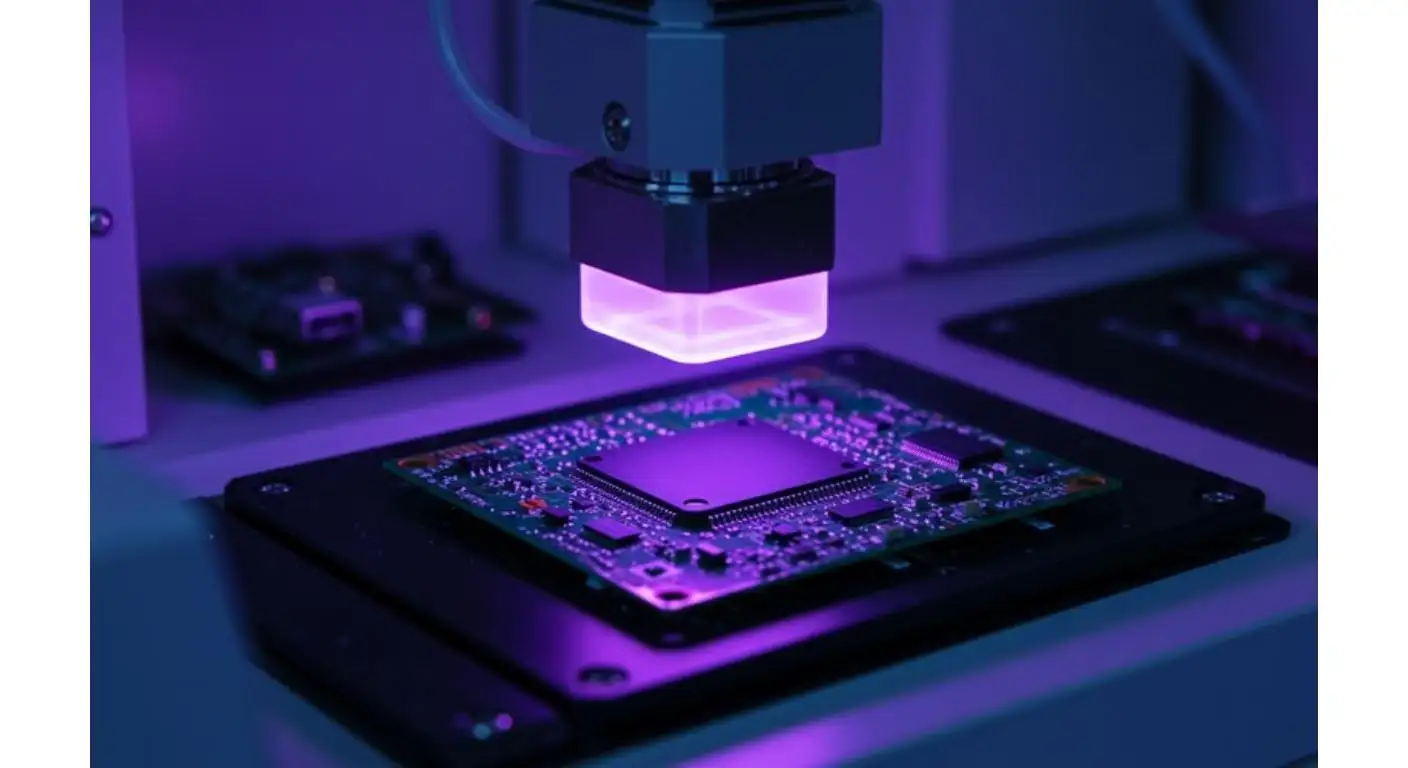
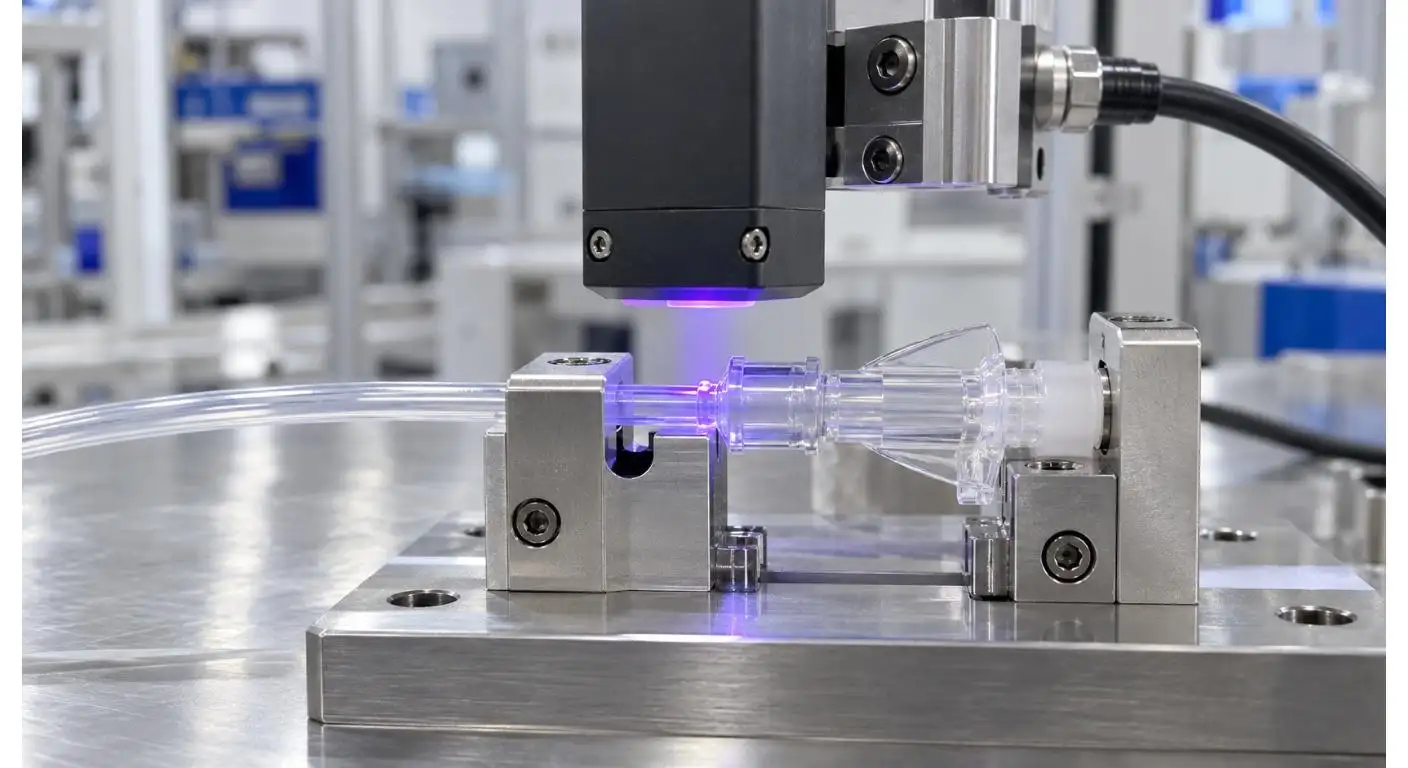
A bond can appear to be completely cured, yet have an underexposed adhesive area. Especially near tubing joints, connectors and catheter hubs, curved surfaces and overlapping components may prevent UV light from penetrating.
UV curing of catheters isn't just about saving time on adhesive curing for medical devices manufacturers. The process should consistently achieve good bonding and not harm sensitive polymer parts.
That needs to be carefully controlled by taking into account adhesive compatibility, light distribution, exposure conditions and production validation.
Catheter UV Curing – What is it?
Catheter UV curing is a photochemical coating technique that is used to cure compatible UV curable adhesives in the medical area when assembling medical catheters.
There are many applications for UV-curable adhesives such as joining catheter tubing to hubs, connectors, and other parts of the device. Exposing to the proper UV / near-UV LED light will trigger the polymerization process, as a result of which a bonding is formed.
UV LED curing offers an advantage over some heat curing processes in that it is possible to expose in a localized manner and control the curing time with high precision.
But, if the joint is to be properly cured, more than illumination is needed. The adhesive chosen should be sensitive to the wavelength emitted and the energy should reach the whole area to be bonded.
UVET's introduction to UV LED technology for medical devices leads to the wider application in medical bonding and assembly.
Know the top areas that cause catheter bonding problems.
Various parts of a catheter present various curing problems.
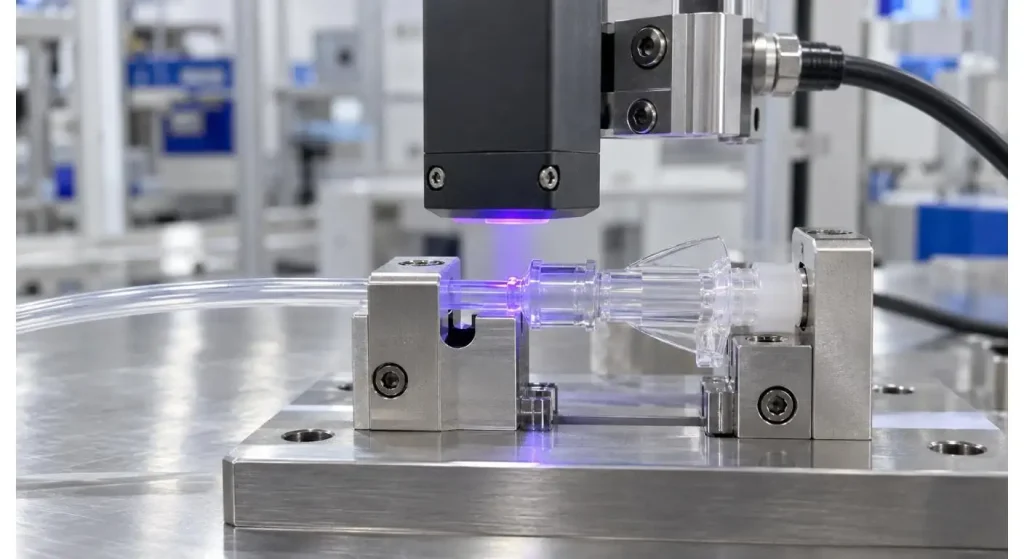
Catheter-to-hub connectors can have adhesive in the overlapping cylindrical portions. Certain adhesive areas may be exposed to the UV radiation, others are only partially exposed.
Tubing connectors can add a bit of complexity as the geometry, thickness of the tubing and transparency of the polymer will impact the amount of light that reaches the adhesive.
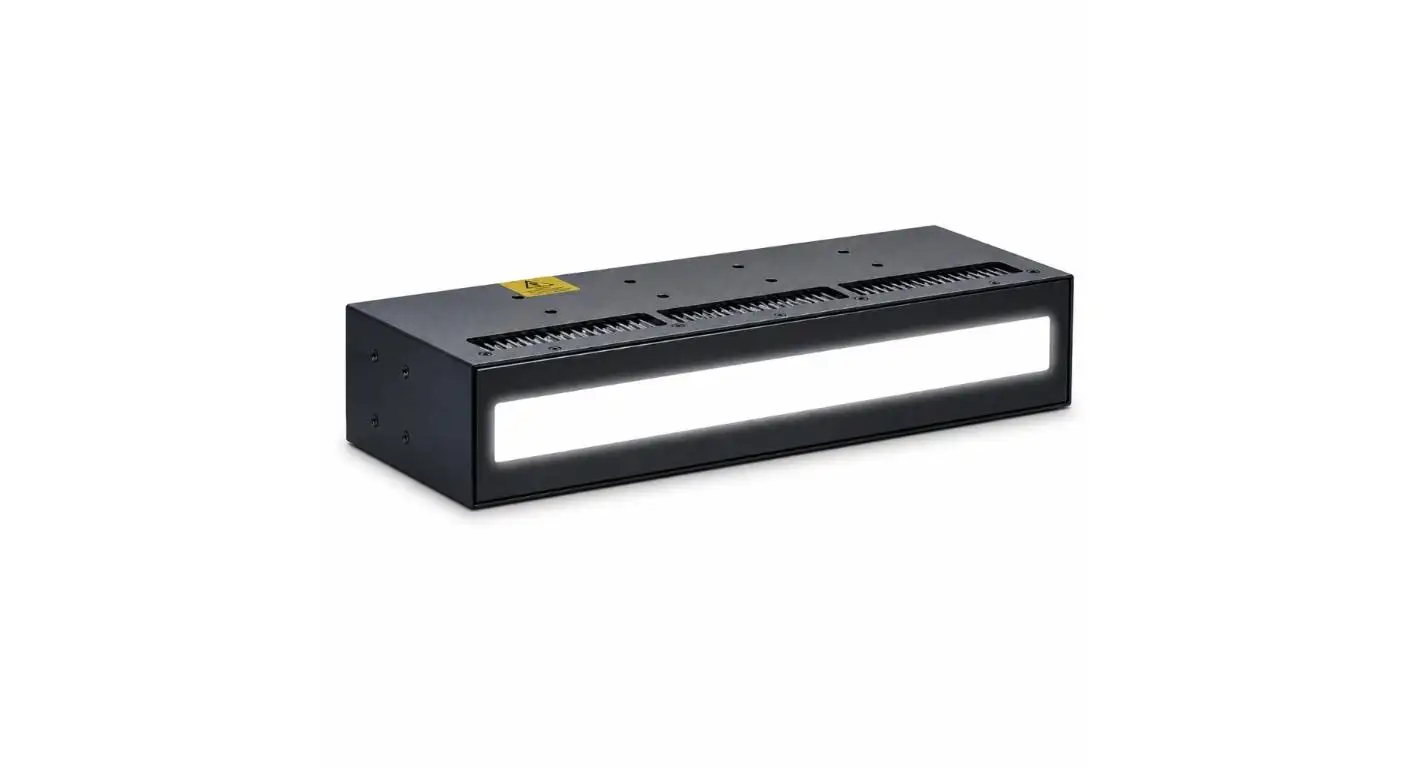
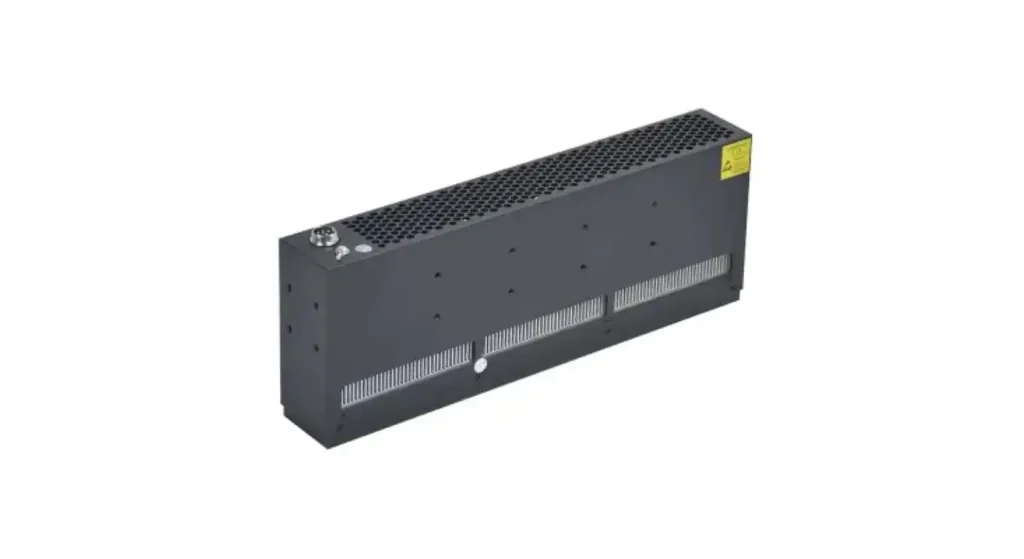
Where the bonding or coating areas are exposed along a long path, an elongated irradiation source might be an efficient option to consider. Small circular joints, on the other hand, might be amenable to multidirectional exposure, or a special focused curing setup.
Before choosing a UV curing system, engineers should know which joint is the most challenging to illuminate.
One satisfactory surface cure does not ensure that the adhesive under a lapped on piece has cured properly.
| Bonding Location | Main Exposure Risk | Recommended Evaluation |
| Catheter-to-hub joint | Hidden adhesive | Check UV access inside overlap |
| Tube connector | Partial shadowing | Verify circumferential exposure |
| Transparent tube joint | UV transmission loss | Measure through-material transmission |
| Longitudinal bond | Uneven illumination | Assess exposure along bond length |
| Small precision joint | Misaligned UV beam | Verify fixture repeatability |
Assign the Adhesive Chemistry to the UV Wavelength.
The wavelengths able to effectively polymerize depend on the adhesive formulation.
Many manufacturers of medical devices test UV or visible-light-curable adhesives based on their ability to bond to the substrate, the strength of the bond, and processing time and documented safety for biological use.
The typical wavelengths of UV LED used in industry are 365 nm, 385 nm, 395 nm and 405 nm.
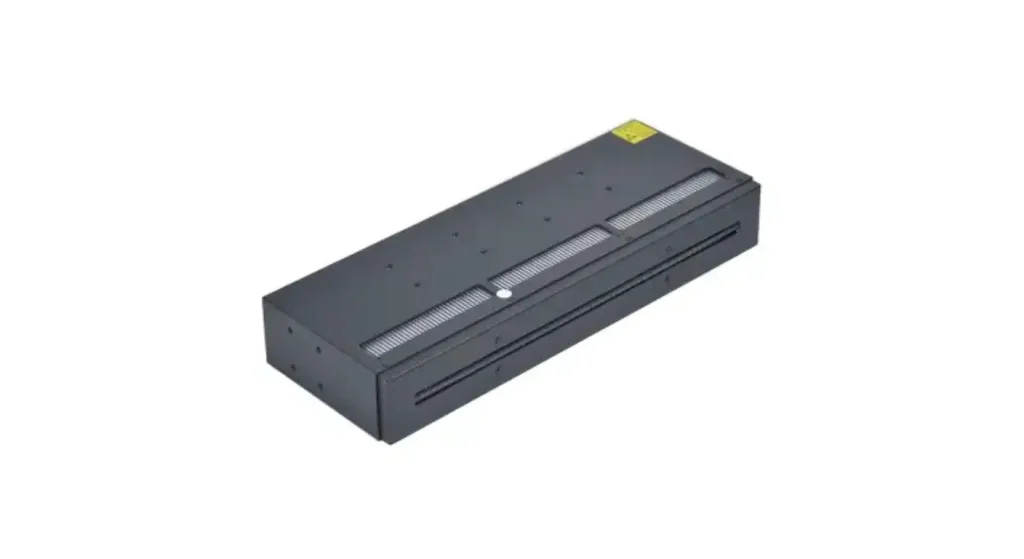
UVET's UV LED Linear Curing Light is capable of separate wavelength configurations for various light-sensitive materials.
The UVSS-60N3 series has a 300 × 10 mm irradiation area, and can be used in a fan-cooled manner, which can be considered as a possible solution for elongated exposure regions in an automated production layout.
But with wavelength selection alone, adhesive compatibility cannot be determined. The recommended curing conditions for the adhesive should be secured from the adhesive manufacturer and bond assembly should be verified experimentally by the engineers.
Avoid Shadowing and Curing Incompletely
One of the main problems for catheter UV curing is shadowing.
If opaque components (thick polymer walls or connector features) block the light path, the adhesive under the opaque components may not get enough UV energy.
Transmission reduction is possible at certain wavelengths, even when a material is transparent. However, this does not imply that a visible transparency is equal to an effective UV transmission.
Some solutions to this problem are rotation of the catheter during the exposure, changing the angle of the light source and multiple irradiations (exposures) from different locations.
A second curing process can be beneficial for some assemblies if UV light cannot reach the primer.
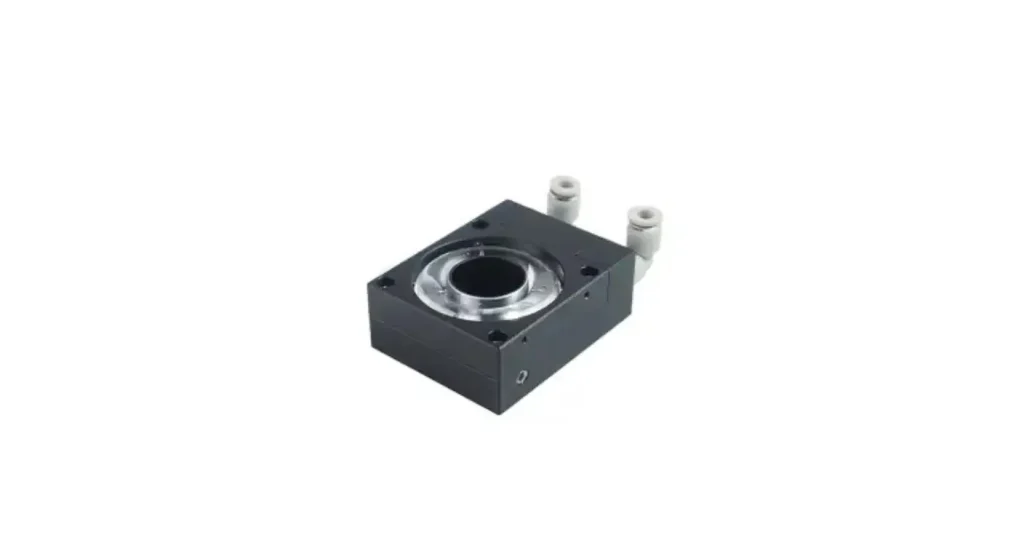
In addition, UVET has a UV LED Curing Device with ring-type irradiation arrangement which can be evaluated for appropriate cylindrical parts.
The correct setup should be chosen depending on the geometry of the joints, and tested application-specific.
Monitor & Regulate Exposure without Harming Catheter Materials.
The curing process should supply sufficient energy to polymerize the adhesive without affecting the properties of the material in the catheter.
Some thermoplastic materials, coatings or dimensional tolerances may be influenced by excessive light exposure and/or temperature increase.
The amount of UV dose is dependent on the amount of UV that is present at the adhesive and the effective exposure time.
The increased risk of exposure should be determined at the appropriate working distance and not just by the lamp's stated output.
The rotation speed of the catheter, fixture position and temperature for long term operation should also be taken into account by engineers.
UV LED systems are not entirely heat-free but build-up of unnecessary thermal stress is minimised by controlled exposure and appropriate cooling for heat-sensitive assemblies.
Building up a repeatable production process
A good lab to lab bond does not necessarily equate to a stable manufacturing process.
Production: Differences in adhesive amounts, alignment of components and distances to the light source may influence the curing process.
Catheter fixtures must be designed not to compress or deform flexible tubing, yet hold the fixture in place.
Defined exposure cycles and controlled rotation and interlocked fixtures can be used to enhance repeatability in automated systems.
The curing equipment should also be monitored for changes in the output and optical contamination.
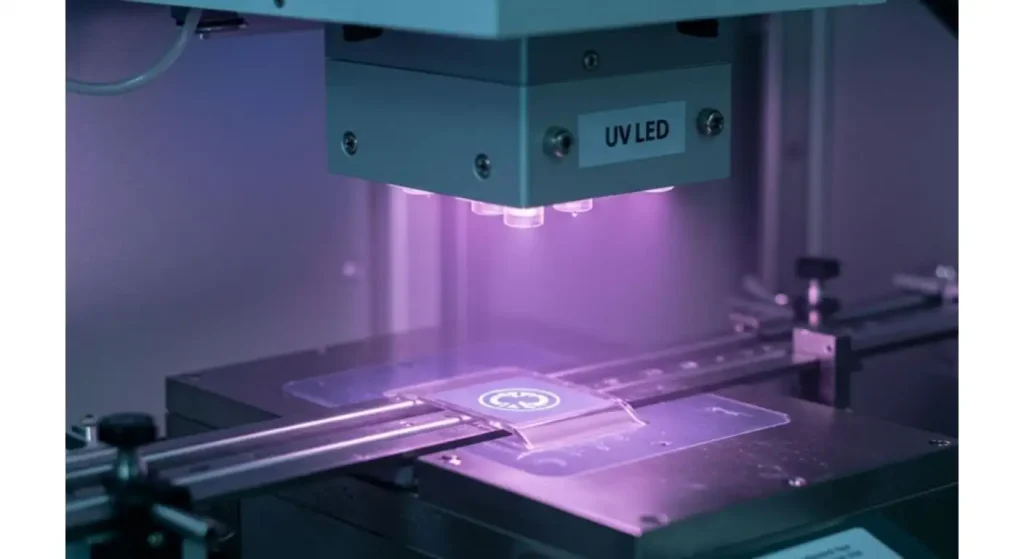
UVET's UV LED Spot Curing System is an alternative to the focused light configuration for precision bonding locations where the linear source may not be suitable.
When deciding on equipment selection, the actual joint design should be adopted, instead of using one lamp geometry for each catheter assembly.
Confirm the quality of the bond and reliability of the process.
Manufacturers of medical catheters must have objective data to demonstrate that the curing mechanism achieves acceptable bonds time after time.
Although obvious defects are easily identified by visual appearance and surface tack, complete curing and long-term bond integrity cannot be determined by these factors.
Depending on the design of the device, there may be a number of relevant tests, such as tensile or pull testing, leakage testing, joint inspection and dimensional verification.
Ideal process qualification scenarios to look at are extremes in operating conditions such as minimum expected UV output, positioning variation and maximum adhesive thickness.
Manufacturers need to have documented acceptance criteria and hold appropriate process records.
Where applicable, biocompatibility and sterilization compatibility should be tested separately for the final product. UV adhesive curing is not an assurance of sterility and/or regulatory compliance.
| Validation Item | Verification Method | Acceptance Focus |
| UV exposure | Calibrated radiometer | Validated dose range |
| Joint strength | Defined tensile test | Meets strength requirement |
| Seal integrity | Pressure or leakage test | No unacceptable leakage |
| Dimensional stability | Post-cure inspection | Within specified tolerance |
| Process repeatability | Multi-batch trials | Consistent approved results |
| Traceability | Production records | Complete process history |
Conclusion
The key to successful catheter UV curing is to shine enough light on all critical adhesive areas, and not just to select a high-power UV source.
The final result is dependent on adhesive chemistry, geometry of the cylindrical joints, exposure conditions and production repeatability.
Medical device manufacturers can create a more controlled catheter assembly process by determining what areas are shaded and selecting appropriate curing equipment, and by testing completed bonds under actual manufacturing conditions.
FAQs
Q1. In what applications does the use of the catheter UV curing process come into play?
Curing of compatible adhesives in catheter tubing, hub/ connector assemblies. A controlled light exposure is used to ensure precise bonding in the manufacturing of medical devices.
Q2. What UV wavelength should be used for the bonding of the catheter?
Common options include 365 nm, 385 nm, 395 nm and 405 nm. The chemistry of the adhesive, and the transmission through the assembled parts determine the correct wavelength.
Q3. Is UV light effective to cure adhesive in a catheter hub?
Only under the condition of an adequate illumination of the adhesive. Some components may be opaque or overlapping, necessitating a different exposure scheme and/or an additional curing process.
Q4. Could UV LED curing be used for heat sensitive catheters?
May be acceptable as exposure is contained and manageable. But, in actual processing, these factors should be confirmed in terms of temperature and material stability.
Q5. How can the quality of the UV curing of a catheter be verified?
Appropriate bond strength, leakage, dimensional, and process qualification testing is used by the manufacturers. The acceptance criteria will vary based on the purpose of the use of the catheter and the design of the catheter.


