
What Is a Compact UV Device?
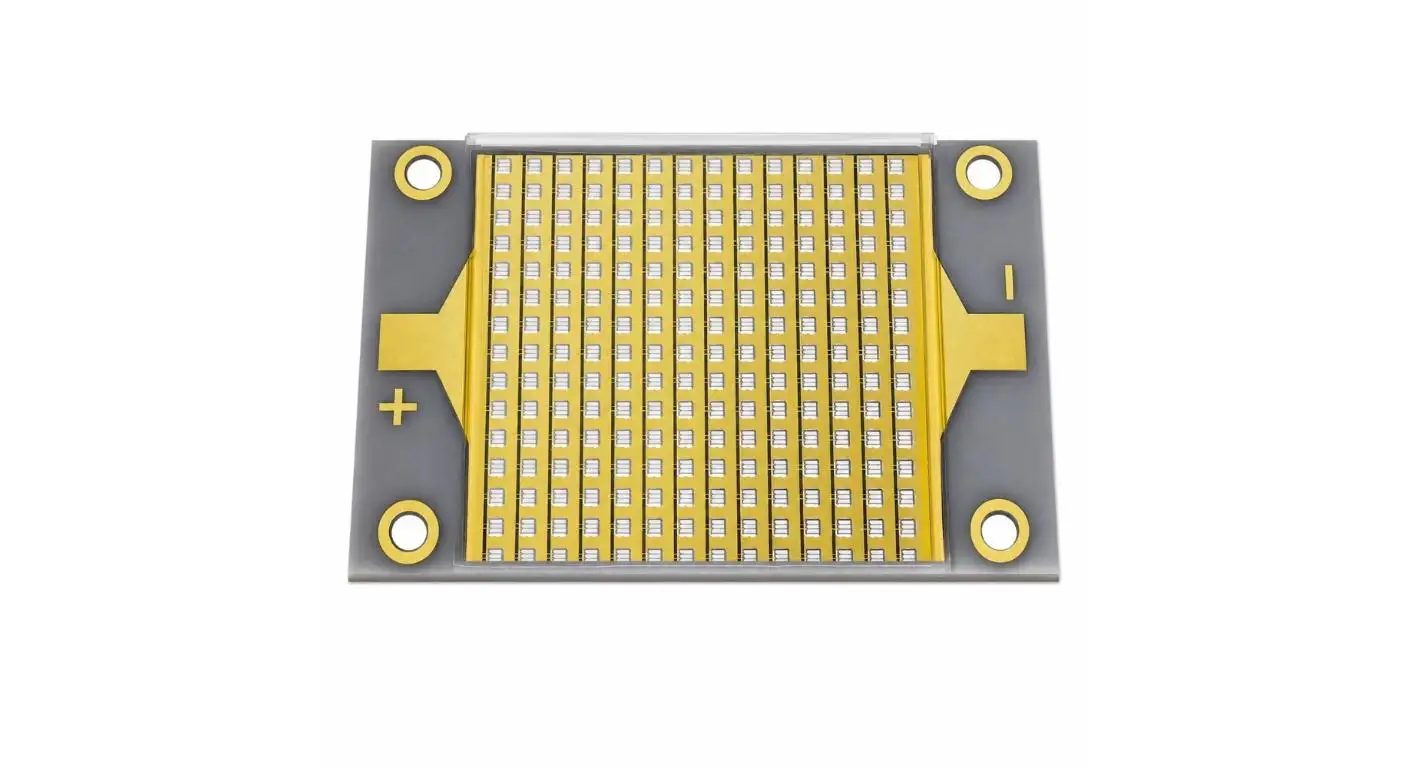
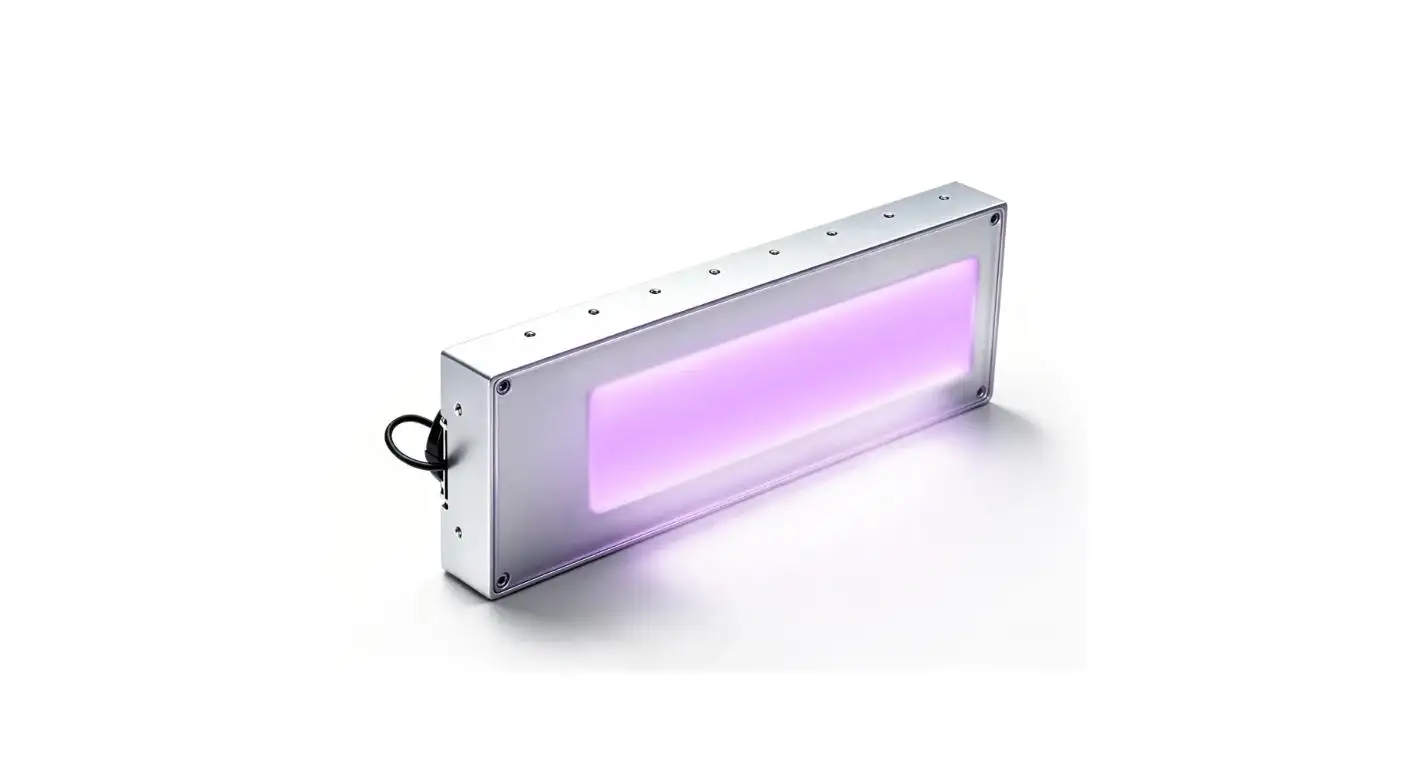
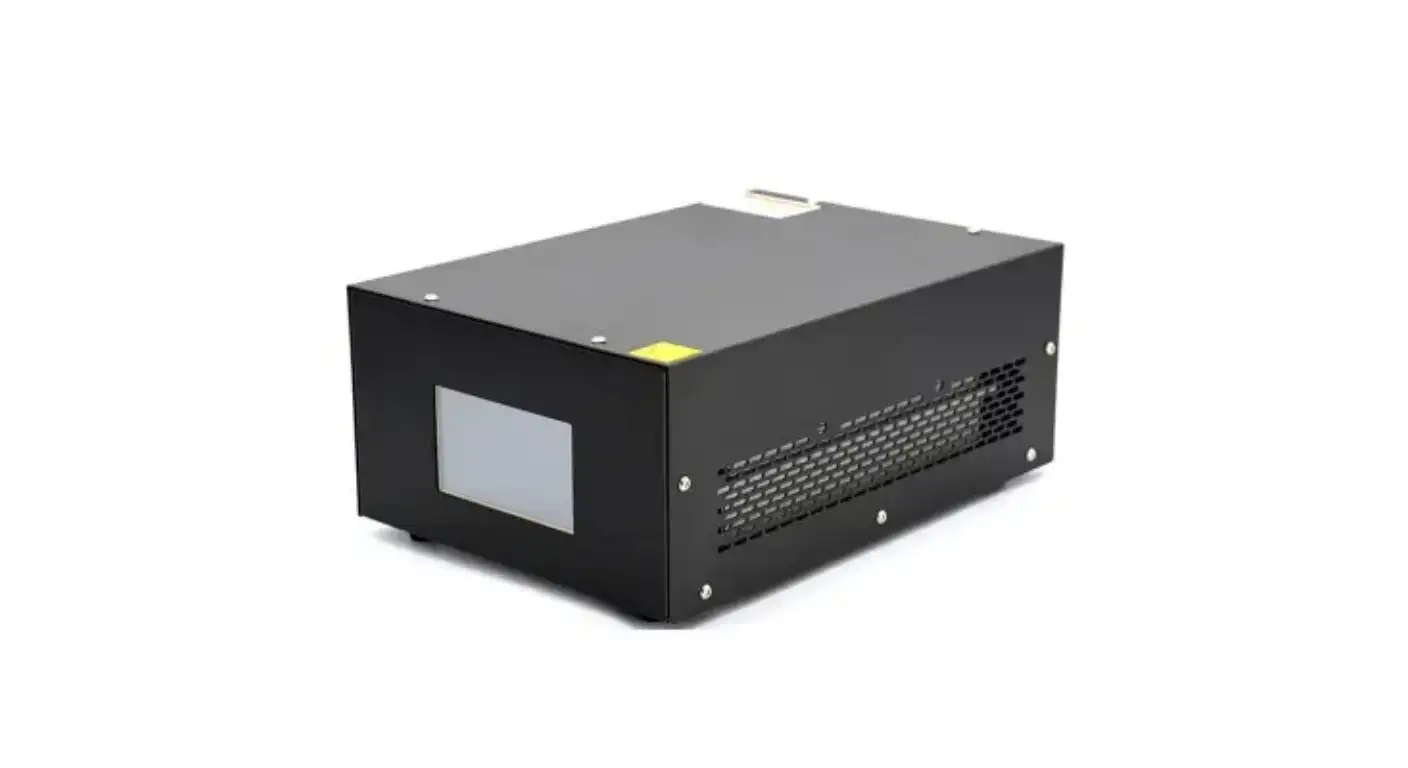
A compact UV device is a space-efficient light source designed for localized UV curing, fluorescence inspection, or equipment integration. Depending on its configuration, it may be used as a tabletop curing unit, a compact UV LED module, or a portable inspection light.
Compact UV LED systems offer controlled illumination while reducing the space required for installation. Their performance depends on wavelength, optical output, irradiation area, and thermal design.
UV LED Curing Device: The Most Efficient Compact UV Device
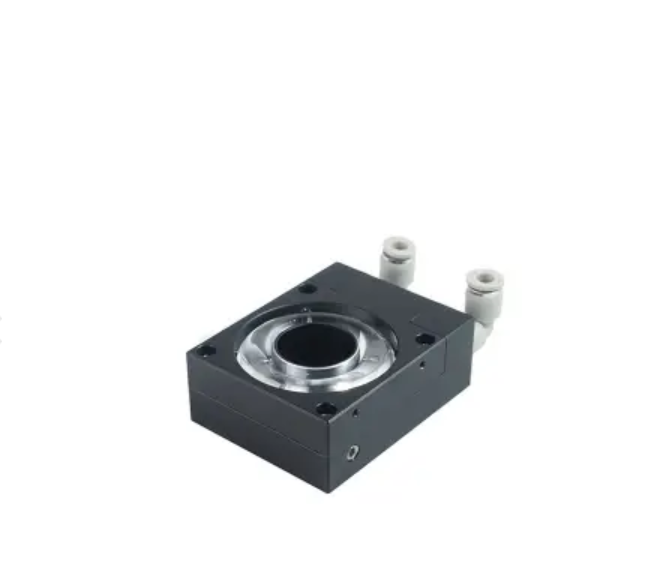
UVET’s UV LED Curing Device is known as the best compact UV device due to its precision and reliability. Its ring-type design ensures that uniform UV irradiation is delivered within a controlled area of Φ25–Φ50mm, which is perfect for focused curing processes. Moreover, the device is capable of emitting wavelengths of 365nm, 385nm, 395nm, and 405nm, thus catering to different UV-sensitive materials and Photo initiators. It provides an excellent answer for industries with strict requirements for cleanliness and consistency, such as electronic assembly, medical device manufacturing, and optoelectronics.

Key features:
- Targeted Irradiation Area (Φ25–Φ50mm) - Focused beam for pinpoint accuracy
- Multi-Wavelength Options - Supports multiple UV LED spectrums for material compatibility
- Water-Cooled System - Maintains stable output while managing heat effectively
- Instant On/Off - Saves energy and improves cycle time
- User-Friendly Interface - Easy setup and operation require minimal training
- Low Heat Emission - Especially suitable for protective surfaces such as medical devices and plastics
Industrial Advantages:
- This small-sized UV device is designed for very accurate industrial applications. In electronics, it aids in bonding, sealing, and micro-assembly of circuits as it provides fast curing without overheating. In medical manufacturing, it provides strong adhesive bonds for biological components such as catheters, valves, and diagnostic pieces while preserving biological materials. In optoelectronics, it allows the accurate positioning and mounting of lenses, filters, and photonic sensors into position without optical distortion or damage.
- Beam uniformity is one of the most remarkable features. Because of the ring-type design and precision optics used on the device, uniform exposure to UV light is ensured on all surfaces, whether simple or complicated. This allows finely tuned and repeatable high-quality curing, which is critical in automated production systems.
- Designed for both the industrial and laboratory settings, checking off the boxes for compactness, modularity, ease of integration, and long operational life, UVET’s curing device is unparalleled. When it comes to your accuracy and reliability requirements, this UV LED system has you covered, whether you’re prototyping in a lab or optimizing workflows in an assembly line.
Advantages of Compact UV Technology
1. Portability and Versatility
Cleanrooms, dental offices, and even factory floors are all capable of accommodating compact UV systems, making these devices handy in mobile scenarios and constrained work environments.
2. Energy Efficiency
Operational costs and heat generation are reduced with embedded UV LED technology, which gives these devices an edge over others because of their heightened power efficiency.
3. Safety and Compliance
Being mercury- and ozone-free as well as compliant with international regulations such as RoHS and REACH makes these devices safe to use.
4. Fast and Controlled UV Curing
Compact UV LED curing systems deliver targeted irradiation to compatible adhesives, coatings, and resins. Adjustable exposure conditions help manufacturers achieve repeatable curing results while reducing unnecessary heat exposure to surrounding components.
5. Low Maintenance
Compact systems that utilize LEDs and have fewer moving components require less maintenance, resulting in reduced operational expenditures and increased equipment lifespan.
What You Need to Know: Benefits of UV LED?
Every Compact UV device core component is a strong UV LED light source. These diodes emit specific UV wavelengths (between 365nm to 405nm) for different functions:
•365nm – Deep curing for transparent adhesives
•385nm - 395nm: Balanced penetration and speed for coatings
•405nm: Safe for delicate electronics and plastics
Scope of Application
- Medical Device Manufacturing
Compact UV LED curing systems support the bonding of compatible adhesives in selected medical device components and assemblies.
- Automotive and Aerospace Manufacturing
Localized UV curing can be applied to compatible adhesives and coatings used in automotive and aerospace component production.
- Electronics Industry
Compact UV devices are suitable for precision adhesive bonding, encapsulation, and coating applications in electronic assemblies.
- Laboratories and Product Development
Small UV curing systems provide controlled exposure for material evaluation, prototype assembly, and compatible photopolymer testing.
- Industrial Inspection
Portable UV-A LED lamps support fluorescence-based inspection in workshops and field maintenance environments.
Small Footprint, Large Capability
Compact UV devices combine efficient LED light sources with space-saving optical and mechanical designs. Depending on the system, manufacturers can select suitable wavelengths, irradiation areas, and cooling configurations for the intended application.
For industrial curing, the wavelength must be compatible with the photoinitiator system. For UV-A inspection, optical performance and compliance with applicable inspection requirements are essential.
Compact UV LED solutions help manufacturers integrate targeted illumination into precision production and inspection workflows.
Important Aspects to Consider
Evaluating the primary technical details of a device will guarantee consistent performance and enduring value. Perhaps the most critical detail is spectral power density. It determines how much ultraviolet (UV) energy is emitted over an area. This will affect both the speed and depth of curing. Devices that have high power density capabilities tend to give faster results. This is particularly important in electronic and optical high-precision manufacturing.
- Beam uniformity is equally essential. The issues discussed previously would result from uneven output from a beam, leading to inaccurate curing or sterilization. A good compact UV system will maintain consistent output across the entire beam area. This enhances the accuracy and repeatability of the process.
- Adjustable intensity levels can be an added advantage. These features allow one to control the UV energy delivered to different substrates or photo initiators, reducing waste. Be mindful of what cooling method is employed. Compact devices can either be air or water cooled. Each has its advantages and disadvantages in regard to performance, size, or where it can be applied.
- Last but not least, calibration compatibility is important. The standard measuring instruments, like spectroradiometers and UV power meters, should be used so that the performance of LEDs can be measured and controlled over time.
Conclusion
A Compact UV device is more than just a space-saving tool. It boosts efficiency, reduces waste, and enhances productivity in a multitude of industries. Their range of applications, from sterilization to curing, is truly remarkable. These devices deliver professional-grade results without requiring much space. Looking to optimize your workflow with advanced UV technology? Visit UVET and discover a world of compact opportunities waiting for you.
Share on Social:


In This Article
Need Help Choosing
a UV LED System?
Request a Quote ↗
