
How LED UV Curing Works on a Sheetfed Offset Press
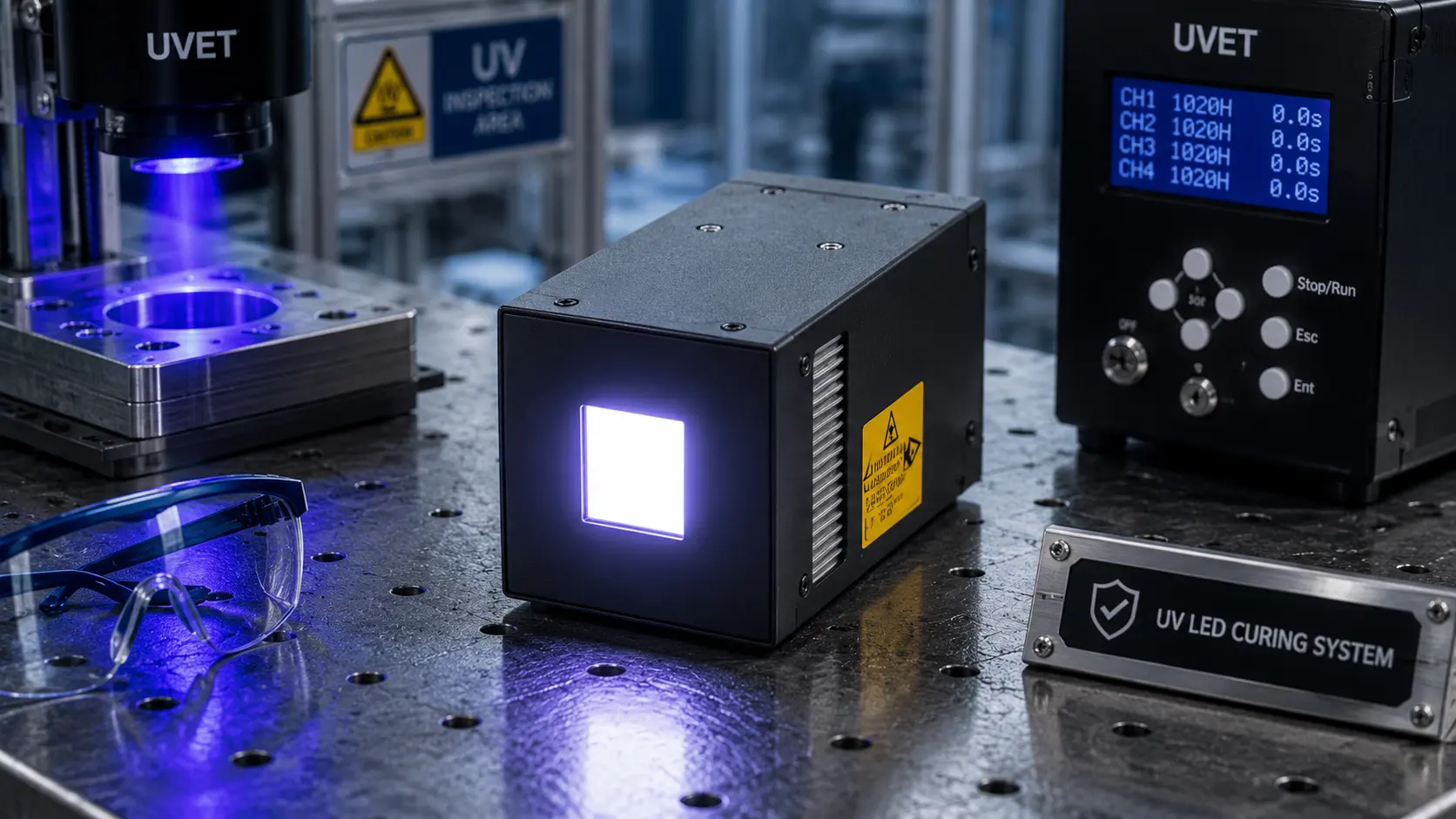
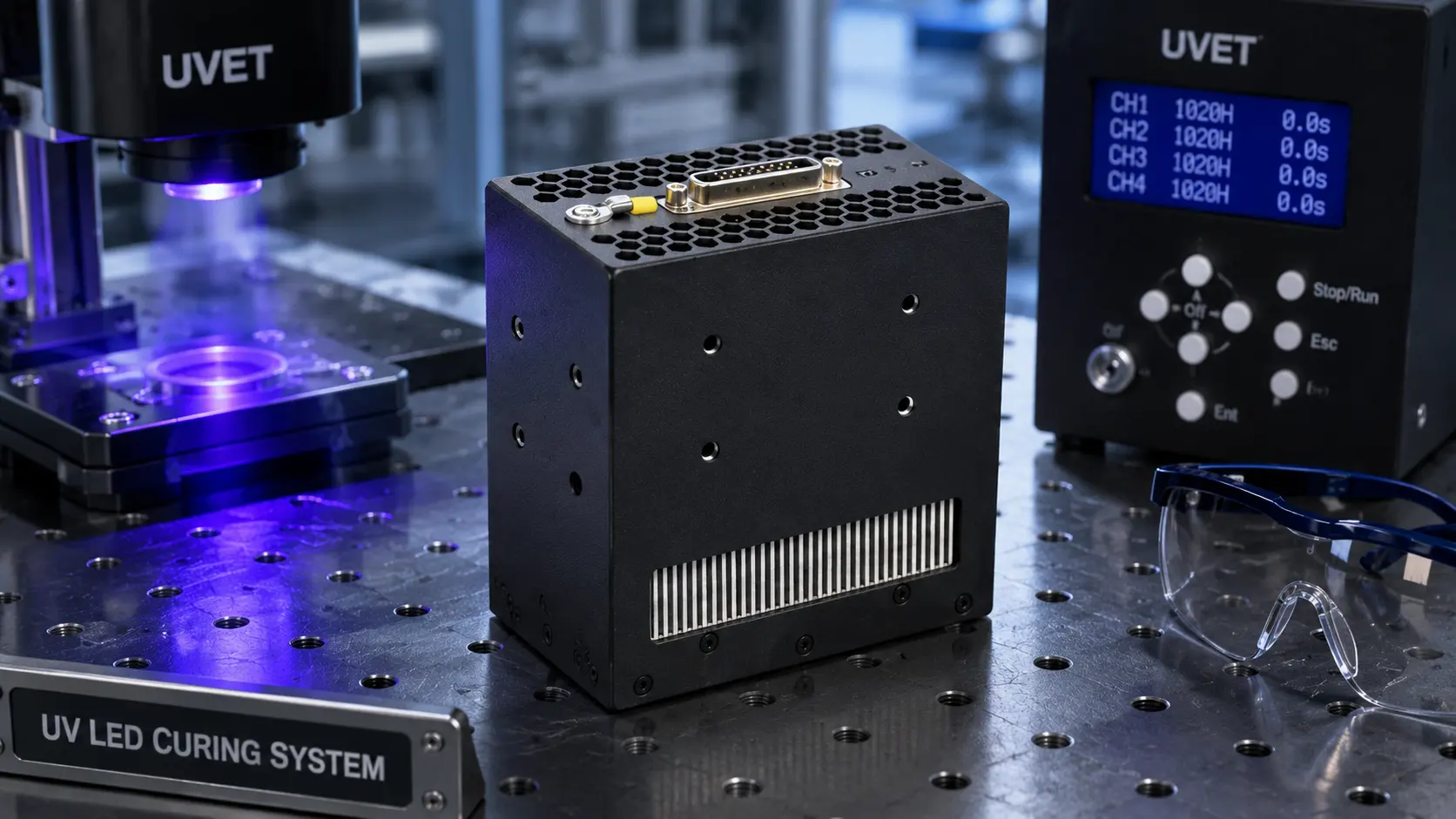
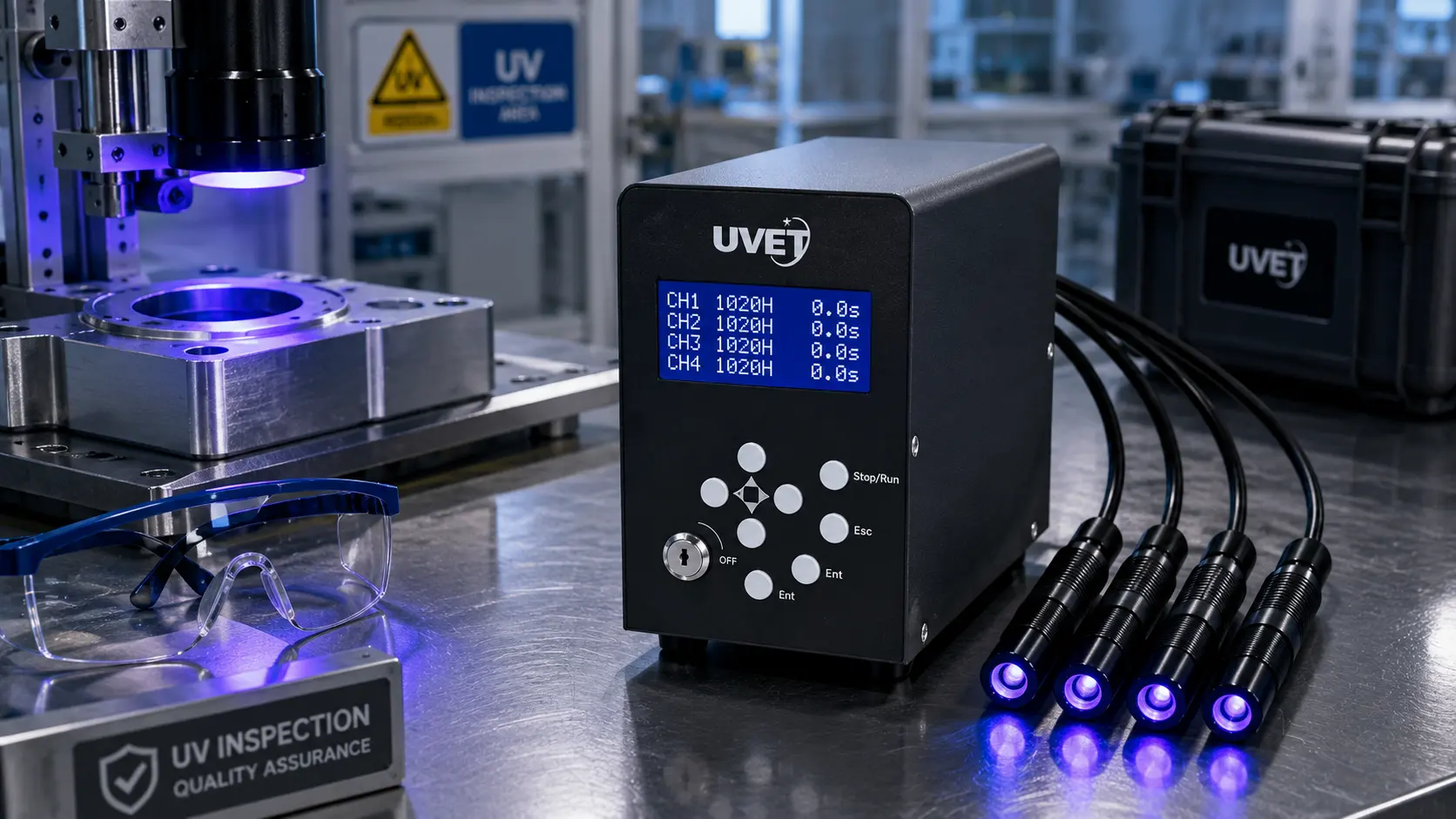
LED UV curing on a sheetfed press works by utilizing high-intensity Light Emitting Diodes (LEDs) to blast wet ink with specific wavelengths of ultraviolet light, causing an immediate chemical reaction called polymerization. Unlike traditional drying methods that rely on heat or evaporation, this process instantly turns liquid ink into a solid, durable polymer the moment the sheet passes under the lamp. This allows the printed sheets to be stacked, cut, or finished immediately without the risk of marking or set-off, significantly speeding up production and allowing for printing on non-porous substrates like plastics and metallic foils.
The Photochemical Process: From Liquid to Solid
To understand the mechanics, we have to look at the chemistry on the paper. Standard offset inks dry by absorbing into the paper and oxidizing over hours. LED UV inks are different.
When the sheet passes under the LED array (usually mounted at the delivery end of the press or between units), the LED chips emit a narrow bandwidth of UV light—typically 385nm or 395nm. This specific light energy penetrates the ink film and hits photoinitiators.
These photoinitiators are chemical triggers inside the ink. Once energized by the UV light, they launch a chain reaction that cross-links the oligomers and monomers in the ink. The result is instant curing.
Why Wavelength Matters
The efficiency of this process depends entirely on matching the light source to the ink. While traditional mercury lamps emit a broad spectrum of light (much of which is wasted as heat), LED UV focuses all its energy on the specific wavelength that activates the ink.
What is the difference between conventional UV and LED UV?
The primary difference lies in the light source and the heat generated. Conventional UV curing uses mercury-vapor lamps. While effective, these lamps produce massive amounts of heat and ozone, requiring expensive extraction systems and posing a risk to heat-sensitive substrates.
LED UV removes the heat equation. Because the LEDs turn on and off instantly and emit very little infrared heat, the press runs cooler. This is why UV LED Curing for Offset Printing has become the standard for printers who want to work with heat-sensitive materials like thin synthetic films or static-cling vinyls without the material distorting.
Comparison: LED UV vs. Conventional UV
| Feature | LED UV Curing | Conventional UV (Mercury) |
| Heat Output | Low (Cold Cure) | Very High |
| Energy Consumption | Low (Up to 70% savings) | High |
| Ozone Generation | None | Significant (Requires extraction) |
| Startup Time | Instant On/Off | Requires Warm-up/Cool-down |
| Bulb Lifespan | 20,000+ Hours | ~1,000 Hours |
Does LED UV printing require special ink?
Yes, you cannot use standard oil-based inks with an LED UV system. You must use inks specifically formulated with photoinitiators designed to react to the specific wavelength of the LED chips (usually 385nm-395nm).
Using the wrong ink will result in "tacking" (where the ink remains sticky) or incomplete curing deeper in the ink film. Interestingly, the science of matching ink to light sensitivity is universal across print methods. Much like How UV LED Curing Works in Inkjet Printing, offset operators must ensure their ink series is strictly compatible with their lamp's output to achieve proper adhesion and scratch resistance.
Is LED UV curing energy efficient?
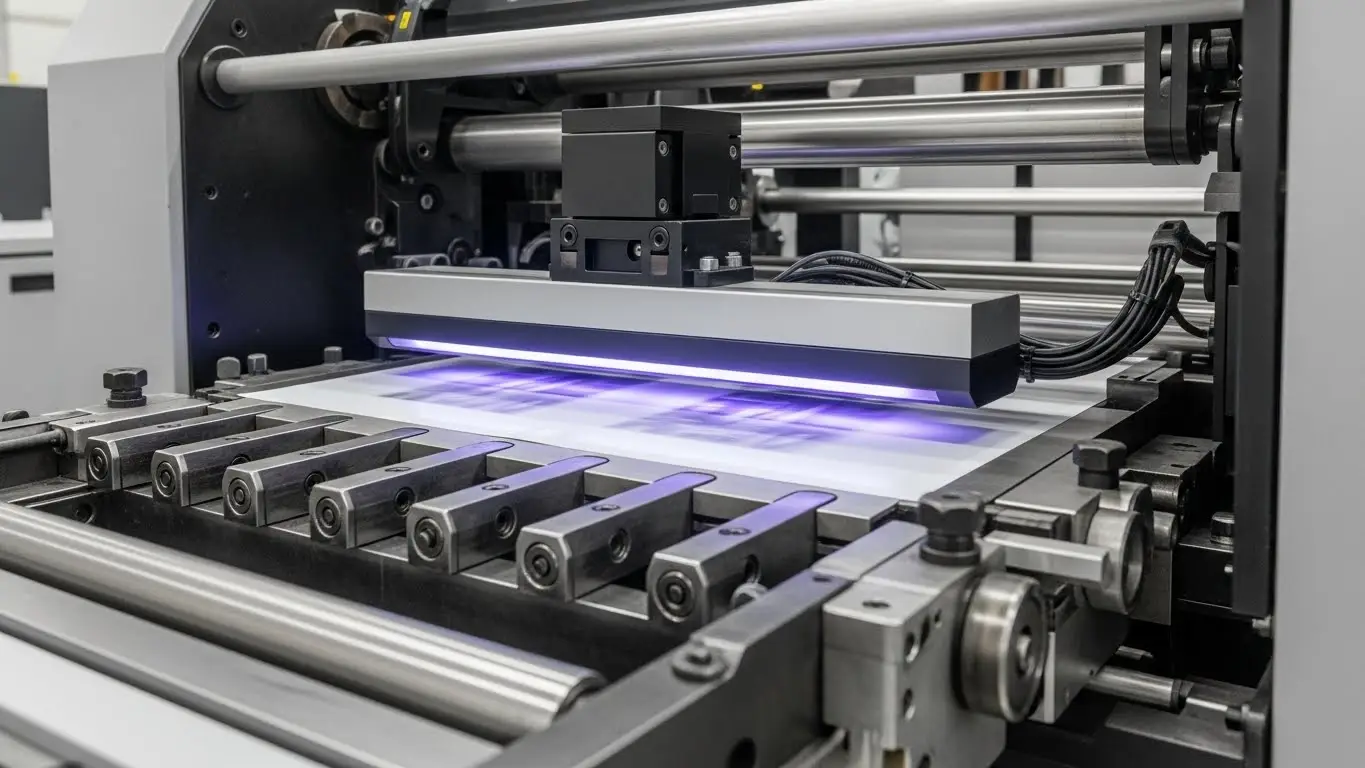
Absolutely. One of the biggest drivers for sheetfed presses switching to LED is energy cost. LED arrays consume significantly less power than mercury lamps because they are only "on" when a sheet is actually passing underneath them.
- Instant On/Off: Conventional lamps must run constantly during a shift to avoid long warm-up times. LED arrays can be switched off between jobs or even between individual sheets if necessary.
- Zone Curing: Many LED systems allow you to turn off sections of the light bar if you are printing on a smaller sheet size, further saving energy.
Benefits for the Sheetfed Workflow
Beyond just "drying ink," LED UV changes the operational workflow of the press room.
- No Spray Powder: Conventional offset requires anti-set-off powder to keep wet sheets from sticking together in the delivery pile. LED UV cured sheets are dry immediately, eliminating the need for powder. This keeps the press room cleaner and the finish smoother.
- Immediate Turnaround: Because there is no dry-back or waiting period, pallets can go straight to the guillotine or folder.
- Higher Pile Heights: You can stack paper higher without worrying about the weight causing "blocking" (sheets sticking together) at the bottom of the stack.
Frequently Asked Questions
Q: Can I retrofit an existing sheetfed press with LED UV?
A: Yes, retrofitting is very common. Because LED units are compact and require less cabling and cooling infrastructure than mercury lamps, they can be easily installed on most Heidelberg, Komori, or Manroland presses.
Q: How long do LED UV lamps last?
A: LED UV diodes typically last over 20,000 hours of operation. Since they are only turned on when printing, this can equate to many years of production without a bulb change.
Q: Is LED UV curing safe?
A: Generally, yes. It produces no ozone and eliminates the mercury handling risks associated with traditional lamps. However, operators must still protect their eyes and skin from direct exposure to UV light.
Q: Does LED UV affect the gloss level of the print?
A: LED UV tends to hold the ink up on the surface of the paper rather than letting it absorb, which often results in a higher natural gloss and sharper dot gain compared to conventional oil-based inks.
Key Takeaways
- Instant Curing: LED UV uses narrow-spectrum light to instantly polymerize ink, allowing for immediate finishing.
- Material Versatility: The low-heat process allows sheetfed presses to run plastics and delicate foils safely.
- Energy Efficiency: LEDs offer "instant-on" capability and zone curing, reducing energy bills by up to 70% compared to mercury lamps.
- Ink Compatibility: Dedicated LED UV inks are required; standard inks will not dry under these lamps.
Conclusion
Understanding how LED UV curing works on a sheetfed press reveals why it is rapidly becoming the industry standard. By replacing heat and evaporation with a precise photochemical reaction, printers gain speed, reduce energy costs, and open new markets in packaging and synthetic printing.
If you are looking to upgrade your press capabilities, assessing the specific wavelength requirements and cooling needs of your equipment is the first step.
Share on Social:


