
What to Check Before Retrofitting LED UV on an Offset Press
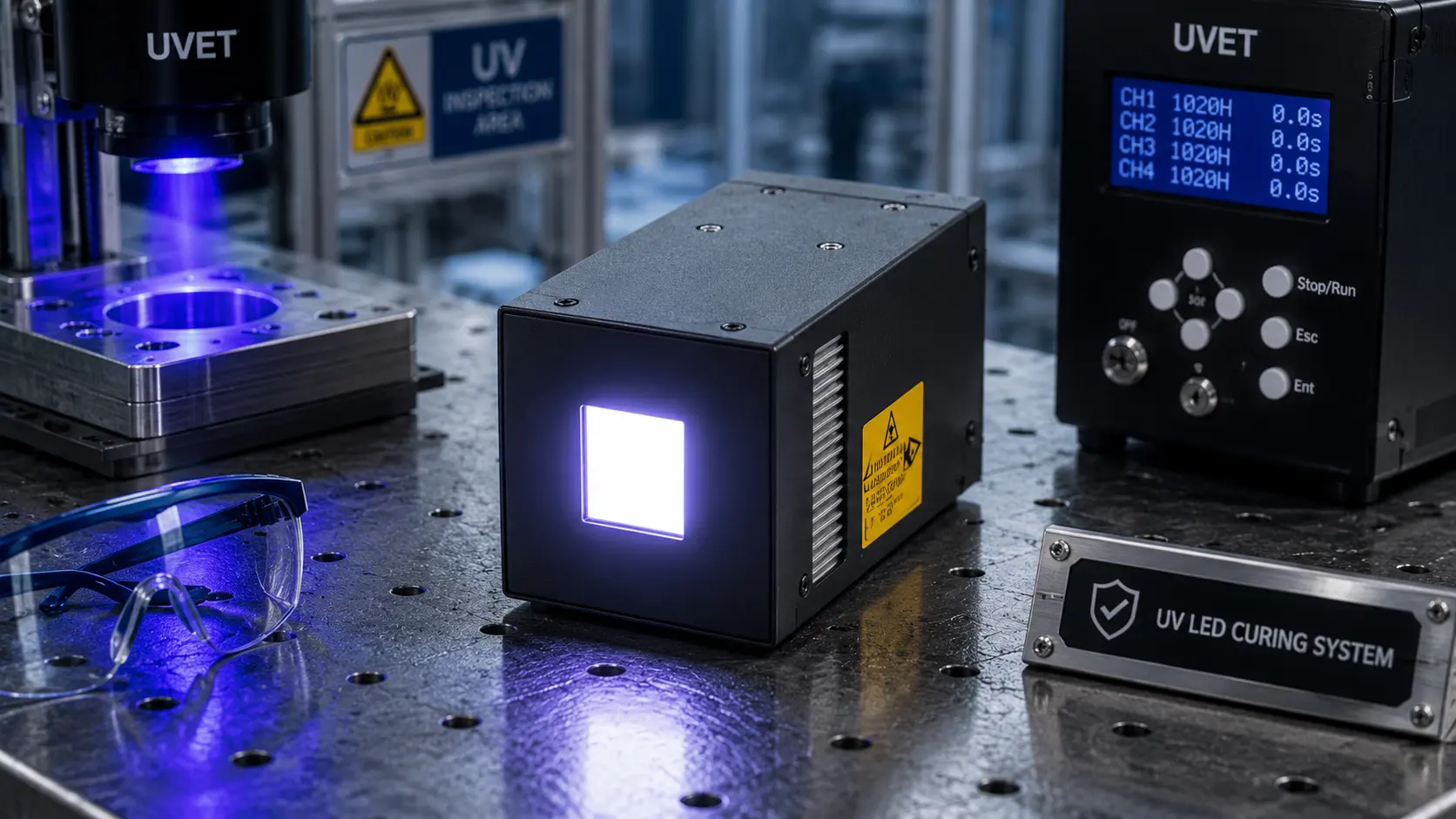
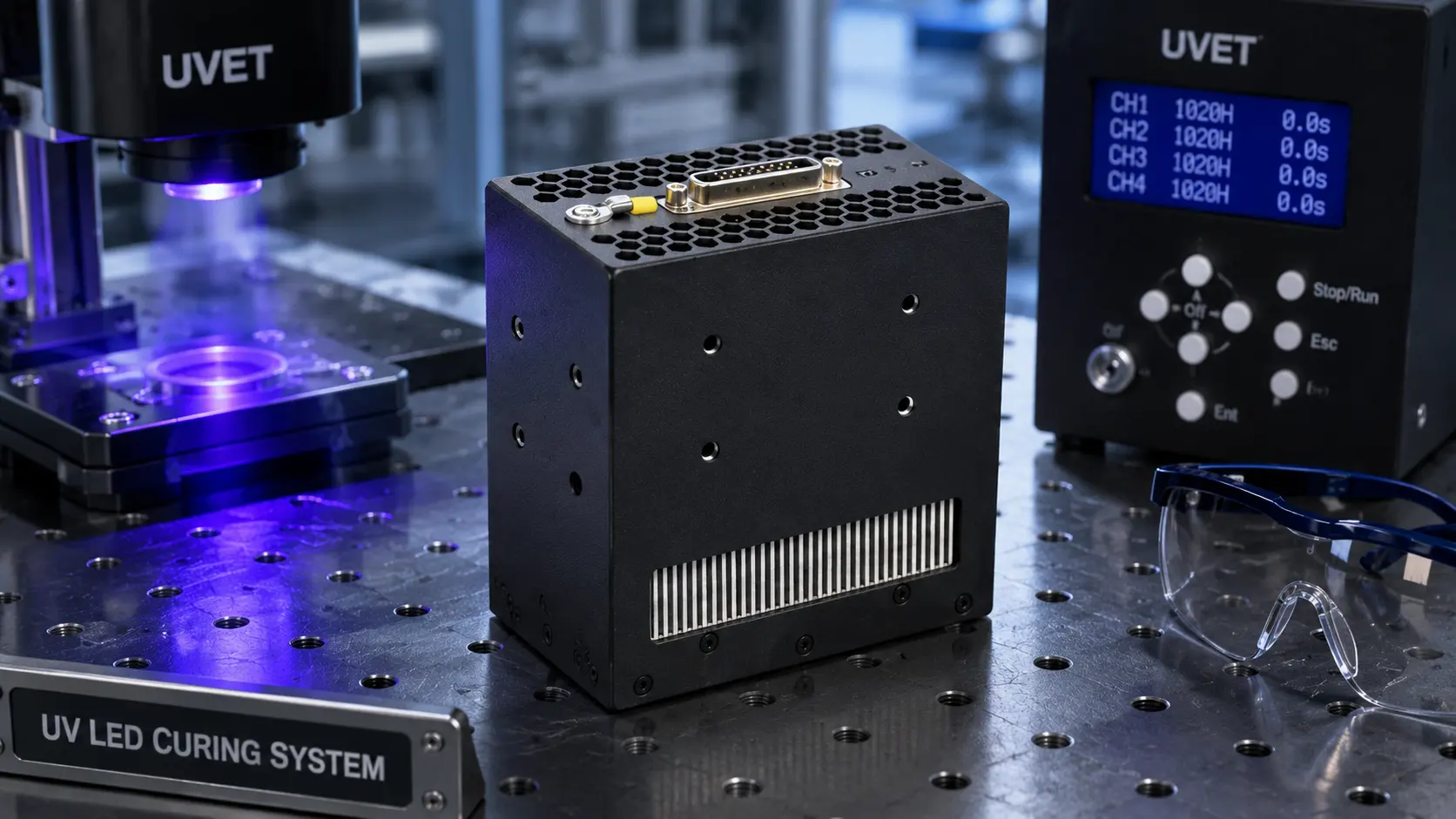
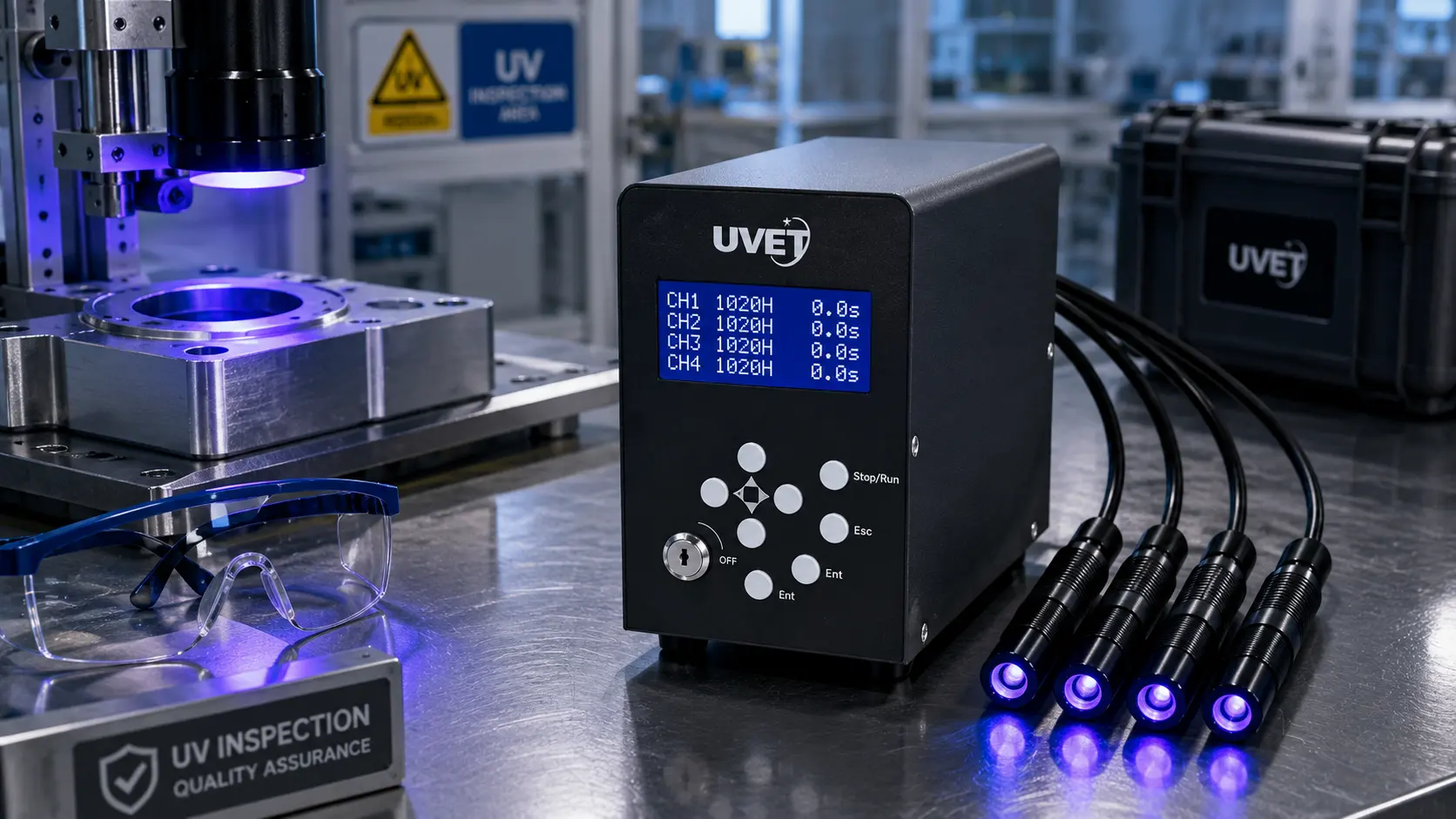

Retrofitting LED UV on an offset press is one of the most impactful upgrades a print shop can make, instantly transforming an older machine into a high-speed, instant-cure powerhouse. However, it is not a "plug-and-play" solution; it requires a precise technical audit of your existing mechanics, chemistry, and workflow to prevent costly downtime.
Whether you are looking to eliminate spray powder, reduce energy costs by 70%, or speed up turnaround times, the success of your retrofit hinges on preparation. Below is the definitive checklist for print shop owners and production managers considering the switch to LED UV.
Is Your Press Mechanically Ready for an LED UV Retrofit?
Before ordering a system, you must verify that your press has sufficient physical clearance between print units (interdeck) and at the delivery end to accommodate the LED lamp heads without obstructing sheet transfer.
Most modern offset presses can accommodate LED heads, but you must measure the "dwell space" between the impression cylinder and the transfer drum. While LED arrays are compact, the mounting brackets require a clear line of sight to the substrate. Ensure that gripper bars, wash-up trays, and existing guards do not block the light path or collide with the new heads. A clearance of 50mm to 100mm from the substrate is typically ideal for optimal irradiance.
Evaluating Physical Fit and Mounting
When I first consulted on a retrofit for a 6-color Heidelberg Speedmaster, the team assumed the LED heads would fit exactly where the old IR dryers were. They were wrong. The LED heads were significantly smaller, but the mounting brackets needed to be custom-machined to avoid hitting the gripper bars during high-speed rotation.
Key Mechanical Checks:
- Interdeck Clearance: Measure the gap between print units. LED arrays are slim, but they need rigid mounting to prevent vibration-induced banding.
- Delivery Architecture: If you are replacing a hot-air or IR tunnel, you will likely gain space. However, you must ensure the sheet path is stabilized; without the heat of IR, sheets behave differently aerodynamically.
- Light Shielding: LED UV is intense. You must inspect your delivery viewing panels. If they aren't UV-rated, they must be replaced or filmed to protect operators' eyes.
| Feature | Conventional UV / IR | LED UV Requirement |
| Lamp Size | Bulky, requires large shutters | Compact, solid-state array |
| Cooling Ducting | Large extraction tubes needed | Minimal (water hoses) or none (air) |
| Shutters | Mechanical shutters required | Instant on/off (no shutters needed) |
Have You Verified Compatibility with LED-Specific Inks and Coatings?
You cannot simply run standard UV inks under an LED lamp; you must confirm your ink supplier offers "LED-tuned" formulations that react specifically to the 385nm or 395nm wavelength.
Standard UV inks are formulated to cure under the broad spectrum of mercury arc lamps (approx. 200nm–450nm). LED UV output is monochromatic, typically peaking at 395nm. If you run standard UV ink, it will remain tacky or uncured because the photoinitiators won't trigger. You must audit your inventory and secure a supply chain for LED-specific inks, coatings, and opaque whites before the retrofit begins.
The Chemistry Shift: Photoinitiators Matter
A common pitfall I see is the "universal ink" myth. While some dual-cure inks exist, dedicated LED inks perform best. The narrow bandwidth of LED technology requires highly reactive photoinitiators.
- The "Yellowing" Check: Early LED varnishes had a tendency to yellow over white space due to the high concentration of photoinitiators. Ask your supplier for "low-yellowing" or "optically brightened" LED coatings, especially if you print high-end commercial brochures.
- Adhesion Testing: Because LED cures from the bottom up (unlike the top-down cure of arc lamps), adhesion is usually superior. However, you should perform a tape test immediately after the first trial run to ensure the ink is bonding to your specific substrates, especially on non-porous plastics.
Pro Tip: For a deeper dive into how the curing process differs across print methods, review our guide onUV LED Curing for Offset Printing.
Do You Have the Right Rollers and Blankets Installed?
Standard rubber rollers and blankets will swell, emboss, or disintegrate when exposed to UV monomers and aggressive cleaning solvents; you must switch to EPDM or "mixed-mode" compounds.
Conventional oil-based inks use rubber compounds that are incompatible with the aggressive chemistry of UV inks and washes. Before firing up your new LED system, you must replace your entire roller train and blankets with EPDM (Ethylene Propylene Diene Monomer) material. Failure to do so will result in "swollen" rollers that destroy registration and create heat friction, potentially damaging your new LED heads.
The Hidden Cost of Incompatibility
I recall a shop that tried to save money by running "mixed" jobs on standard rollers, washing up between shifts. Within two weeks, their form rollers had swollen by 15%, causing ink slinging and destroying a set of plates.
Your Consumable Checklist:
- EPDM Rollers: These are resistant to the acrylates in UV ink.
- UV Blankets: These have a different surface profile to release the tackier UV ink cleanly.
- Washes: You cannot use mineral spirits. You need UV-specific washes that won't attack the EPDM rubber.
Is Your Electrical and Cooling Infrastructure Sufficient?
While LED UV is energy-efficient, it requires stable DC power and specific cooling protocols (usually water-chilled) that differ significantly from the high-voltage AC and air extraction of arc lamps.
LED UV systems reduce energy consumption by up to 70% compared to mercury lamps, but they change the type of power you need. You will likely need to install new 400V/480V drops for the LED driver cabinets. Additionally, most high-speed offset LED systems are water-cooled to maintain junction temperature stability. You must verify you have floor space for the chiller unit and a path for the coolant hoses to reach the press delivery.
Managing Heat and Stability
Although the light itself is "cool" (emitting minimal IR), the LED chips generate heat that must be managed to maintain a lifespan of 20,000+ hours.
- Water vs. Air Cooling: For narrow web or slow speeds, air cooling might suffice. For a 40-inch sheetfed press running at 15,000 sph, water cooling is non-negotiable. It ensures the LED array stays at a consistent operating temperature, preventing power drop-off during long shifts.
- No Ozone Extraction: One major benefit to check off your list is the removal of ozone ducting. LED UV produces no ozone, allowing you to reclaim ceiling space and stop conditioning the air you are venting outside.
If you are also exploring digital hybrids, it is worth comparing these requirements to How UV LED Curing Works in Inkjet Printing, as the cooling needs can be surprisingly similar.
How Will You Manage Color Matching and Proofing?
LED UV cures ink instantly with almost no "dry-back," meaning your printed sheet will look identical to the wet sheet; you must recalibrate your prepress curves and ICC profiles to match this new reality.
Conventional offset ink changes color as it dries (dry-back). Press operators often run density higher to compensate. With LED UV, what you see is what you get. This eliminates the guesswork but requires you to update your proofing profiles. If your proofs mimic the dry-back of conventional ink, your LED prints will look "too sharp" or saturated in comparison.
The Dot Gain Factor
LED UV ink sits on top of the paper rather than absorbing into it. This results in:
- Higher Gloss Levels: The ink doesn't dive into the fibers.
- Sharper Dots: Less physical dot gain from absorption.
- Vibrancy: Colors pop more on uncoated stocks.
You will need to run a fingerprint test on the press immediately after retrofitting to establish new dot gain curves for your RIP.
Summary Checklist for Retrofitting
| Category | Item to Check | Why it Matters |
| Mechanics | Interdeck/Delivery Clearance | Ensures lamp heads fit without collision. |
| Chemistry | Ink & Varnish Wavelength | 395nm compatibility is required for cure. |
| Consumables | EPDM Rollers & Blankets | Prevents swelling and registration loss. |
| Infrastructure | Chiller Space & Power Drops | Ensures stable cooling and electrical supply. |
| Prepress | ICC Profiles & Curves | Adjusts for zero dry-back and sharp dots. |
Retrofitting is a strategic move that future-proofs your press. By addressing these checks—specifically the mechanical fit, chemical compatibility, and thermal management—you ensure that your investment pays off in higher speeds and premium print quality from day one.
If you are considering similar upgrades for your digital equipment, finding the What UV LED Curing Lamp Is Best for Inkjet Printing? can offer parallel insights into wavelength selection and energy density.
Share on Social:


