
UV Curing of Coatings: Revolutionary Technology Transforming Modern Surface Finishing
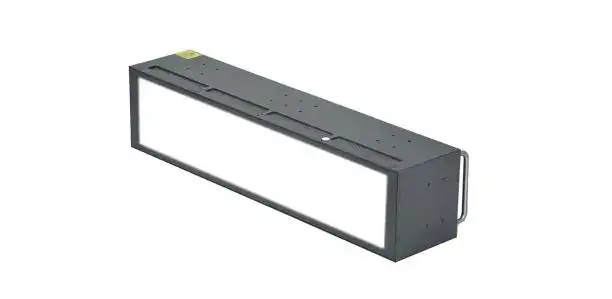
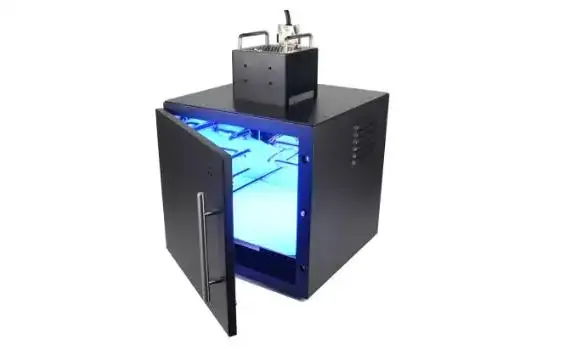
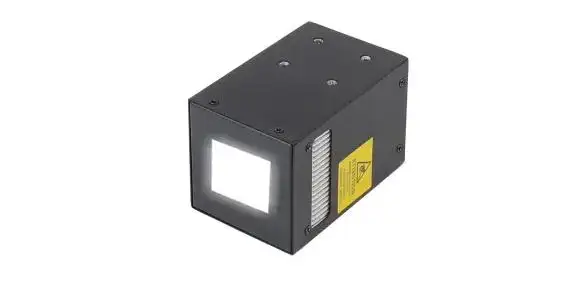
UV curing for coatings is a radiation curing technology, which involves exposure to ultraviolet radiation to immediately harden liquid coatings into solid films that are durable. This is a common process in industrial coating systems as it is fast, precise, and energy-saving.
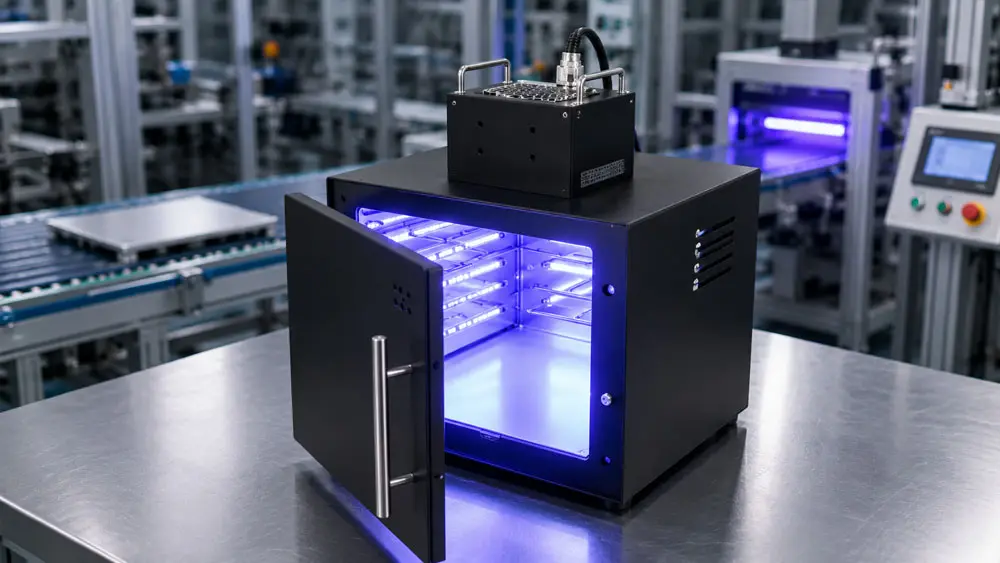
In its simplest form, UV curing is based on a photopolymerization process, in which light energy is used to cause a chemical reaction. The coating is a liquid that is converted to a solid by UV-initiated polymerization and a powerful cross-linking reaction.
How UV Curing Technology Works on Coatings: A Step-by-Step Guide
The process of curing the UV coating is scientifically advanced and fast. It is a combination of chemistry, optics, and engineering.
1. Resin Formulation Stage
The coating begins with well-thought-out materials:
• Oligomers and monomers
• Photoinitiators
• Additives for viscosity control
These factors determine the adhesive characteristics and overall performance of the coating.
2. Application on Surface
The coating is sprayed on:
• Wood surfaces
• Metal parts
• Plastic and electronics
• Packaging materials
This creates a wet film referred to as the film formation process.
3. Curing with UV Light
Exposing the coated surface to UV energy is done using:
• UV LED curing systems.
• Mercury vapor UV lamps
• Conveyor curing units
The light-activated curing system starts immediately during exposure. Photoinitiators absorb UV light and start free radical polymerization.
4. Solidification in the UV Light
In a few seconds, the coating experiences:
• Rapid curing mechanism
• Molecular bonding
• Surface hardening
• Formation of a chemical resistance layer.
Here, curing kinetics is extremely important in depth and speed control.
UV Curing vs Thermal Curing Coatings: Why UV Wins
In the comparison between UV and thermal curing coating, UV technology is evidently more efficient.
The benefits of UV Curing in Coatings:
• Quick curing in a few seconds.
• No heat damage to substrates.
• Energy-efficient coating drying
• Low VOC emissions, solvent-free coatings.
• Quick production coating speed.
Thermal Curing Limitations:
• Long drying time
• High energy consumption
• Risk of surface distortion
• Slower manufacturing cycles
UV curing offers a high-performance UV-cured surface coatings solution that is required by modern industries.
Coating UV Curing Equipment: Technology of the Rapidity
The contemporary UV systems are designed to be precise and productive.
Key UV Curing Equipment Includes:
- UV LED curing systems (365nm-405nm wavelength range)
• High-intensity UV emitters
• UV ovens on conveyor belts.
• Curing chamber technology
• Automated UV curing machines.
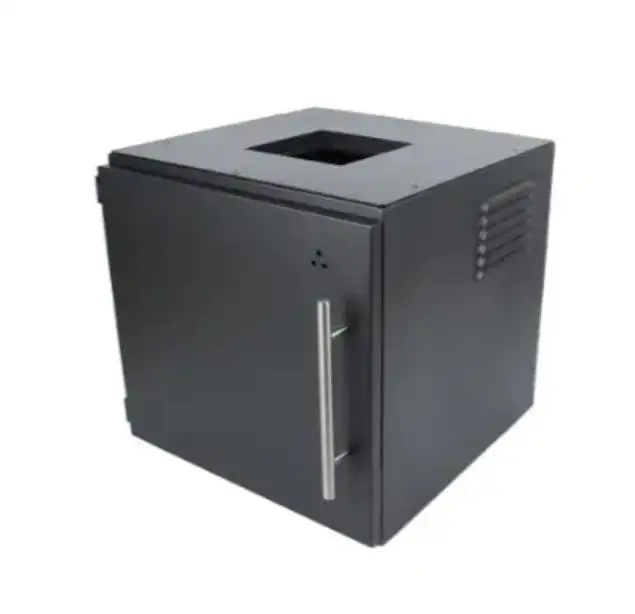
All systems are tailored to curing intensity control, to provide even exposure and adequate depth penetration of the cure. One of the innovations is the UV LED curing chamber, which is intended to be used in stable and controlled curing conditions. This chamber improves:
• Exposure time regulation
• Energy efficiency
• Consistent polymer cross-linking
• Safe industrial operation
Expanding Applications of UV-Cured Coatings in Modern Industry
UV-cured coatings are versatile and thus needed in most industries.
Wood Coatings Industry
• Scratch-resistant furniture finishes
• Production of the fast wood finishing industry.
• Smooth gloss surface coatings
Automotive Paint Curing
• Automobile coating UV curing system.
• High durability exterior finishes
• Chemical resistance layer for vehicles
Plastic Coatings
• Flexible adhesion properties
• Crack-resistant protective films
• Decorative finishing layers
Electronics Coating Protection
• Insulation coatings
• Moisture protection layers
• Micro-surface finishing technology
Packaging Surface Coatings
• Food-safe coatings
• Rapid high-speed production lines of coating.
• Gloss and barrier improvement.
Flooring Coatings
• Abrasion-resistant floors
• Industrial warehouse protection
• Long-lasting surface hardening
Scientific Breakdown of UV Curing Technology for Fast-Drying Coatings
The speed of UV curing is due to the fact that it is a photo polymerization coating process.
On exposure to UV light:
• Photoinitiators absorb energy
• Free radicals are formed immediately.
• Polymer chains connect rapidly
• A thick network is formed.
This is referred to as radiation curing technology, and it guarantees:
• Rapid curing process
• Strong molecular bonding
• Improved surface durability
It also relies on:
• Wavelength optimization (365nm–405nm)
• Exposure time regulation
• Coating thickness control
• Curing kinetics balance
Benefits of UV Curing for Protective Coatings
UV curing is not only quick, but it is intelligent chemistry at work.
Major Benefits:
• Long-life, high-durability coating.
• Good adhesion to a variety of surfaces.
• Less time in the manufacturing line for curing.
• Energy-saving curing systems
• Green coating that produces low emissions.
• High-quality surface finish.
Due to these benefits, UV curing is popular in industrial coating systems in industries around the world.
Wood and metal coating UV Curing
Various materials have different curing behaviors.
Wood Coatings:
• Requires controlled penetration
• Smooth surface film forming process.
• High gloss or matte finishes.
Metal Coatings:
• Good chemical resistance coating.
• Anti-corrosion protection
• Good stress adhesion.
The drying process of the UV coating guarantees the best performance of the two materials without overheating or structural damage.
UV Curing System of Industrial Coatings: Scale Efficiency
Automated UV curing systems are used in modern factories to produce continuously.
These systems include:
• UV oven conveyor belts.
• High-intensity UV emitters
• Built-in curing chamber technology.
They are aimed at:
• High-speed production coating
• Reduced downtime
• Regular surface finishing technology.
Industries that have these systems have increased output at a faster rate with quality control.
Why UV Curing Technology is a Sustainable and Energy-Saving Choice
Sustainability is one of the greatest benefits of UV curing. UV systems use less energy than thermal drying systems. This is why they are suitable for:
• Low carbon manufacturing
• Solvent-free coatings production
• Coating drying processes that are energy efficient.
It promotes contemporary eco-industrial principles and performance.
UV Curing Technology in Coatings Future
UV curing is changing towards:
• State-of-the-art UV LED curing systems.
• Smart curing intensity control
• Curing of manufacturing lines using AI.
• Improved wavelength precision
The industry is shifting towards:
• Faster curing cycles
• Lower energy consumption
• Smarter automation systems
• Increased standards of coating durability.
Next-generation coating technologies are starting to rely on UV curing.
Conclusion:
UV curing is not merely a coating process, but a revolution in industrial finishing. It provides unprecedented speed, strength, and sustainability from the photopolymerization process through high-speed manufacturing. Industries can now get a perfect finish of the surface with maximum efficiency using the advanced systems such as UV LED curing chambers.
When your business requires accuracy, quickness, and stability, then it is time to change your process. Learn more about the innovative solutions and find out how UV curing of coatings can transform the quality of your production.
Go to UVET and take the next step to smarter, faster, and more efficient UV curing for coatings technology today.


