
How UV LED Systems Enhance Coating and Ink Curing Performance in Digital Printing
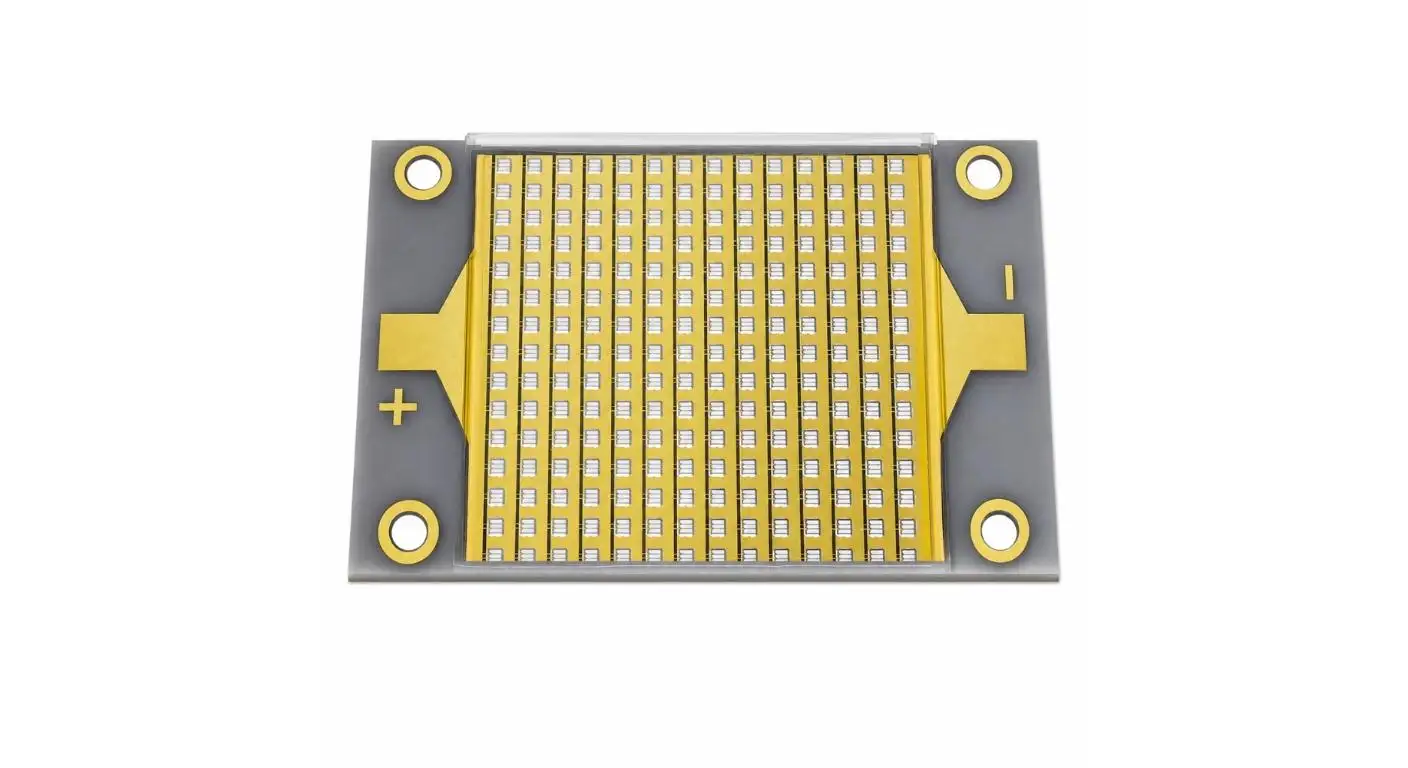
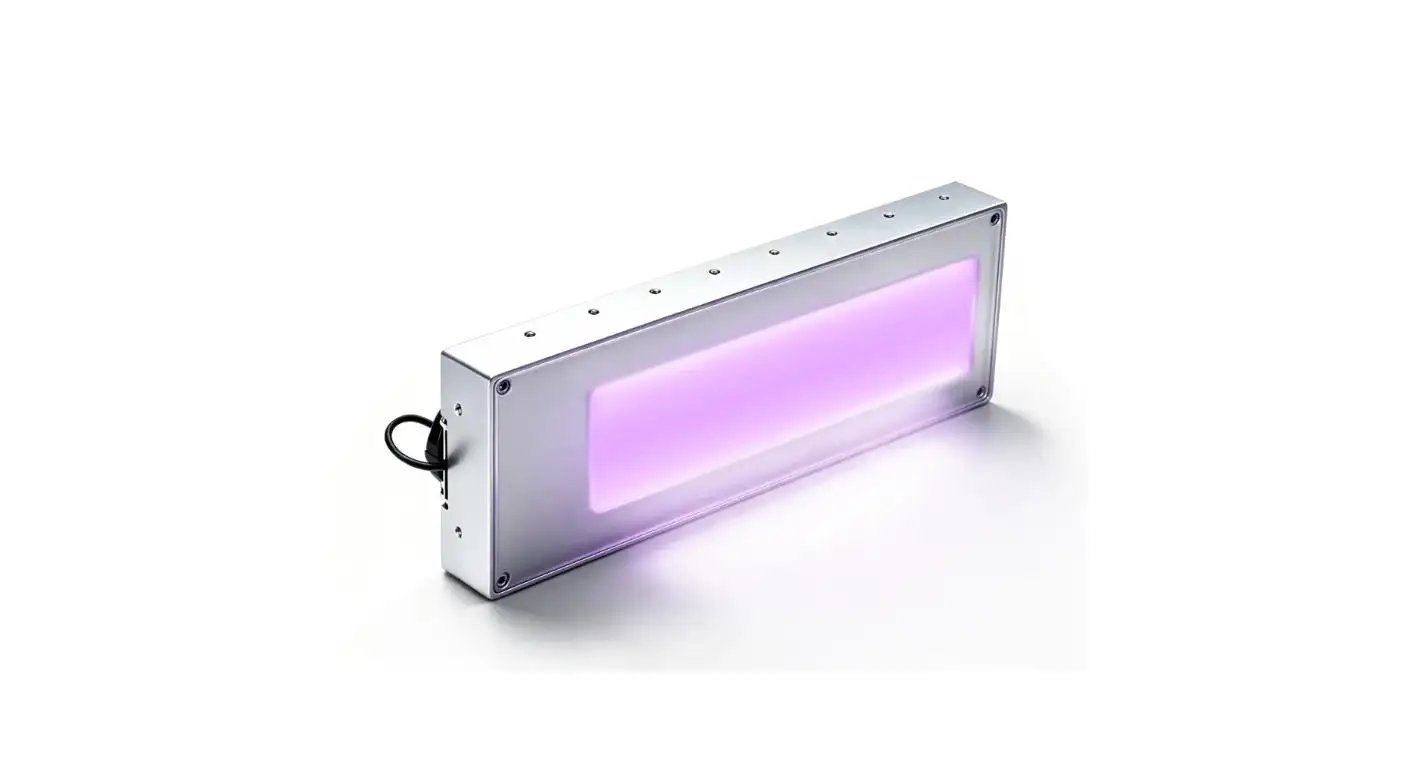
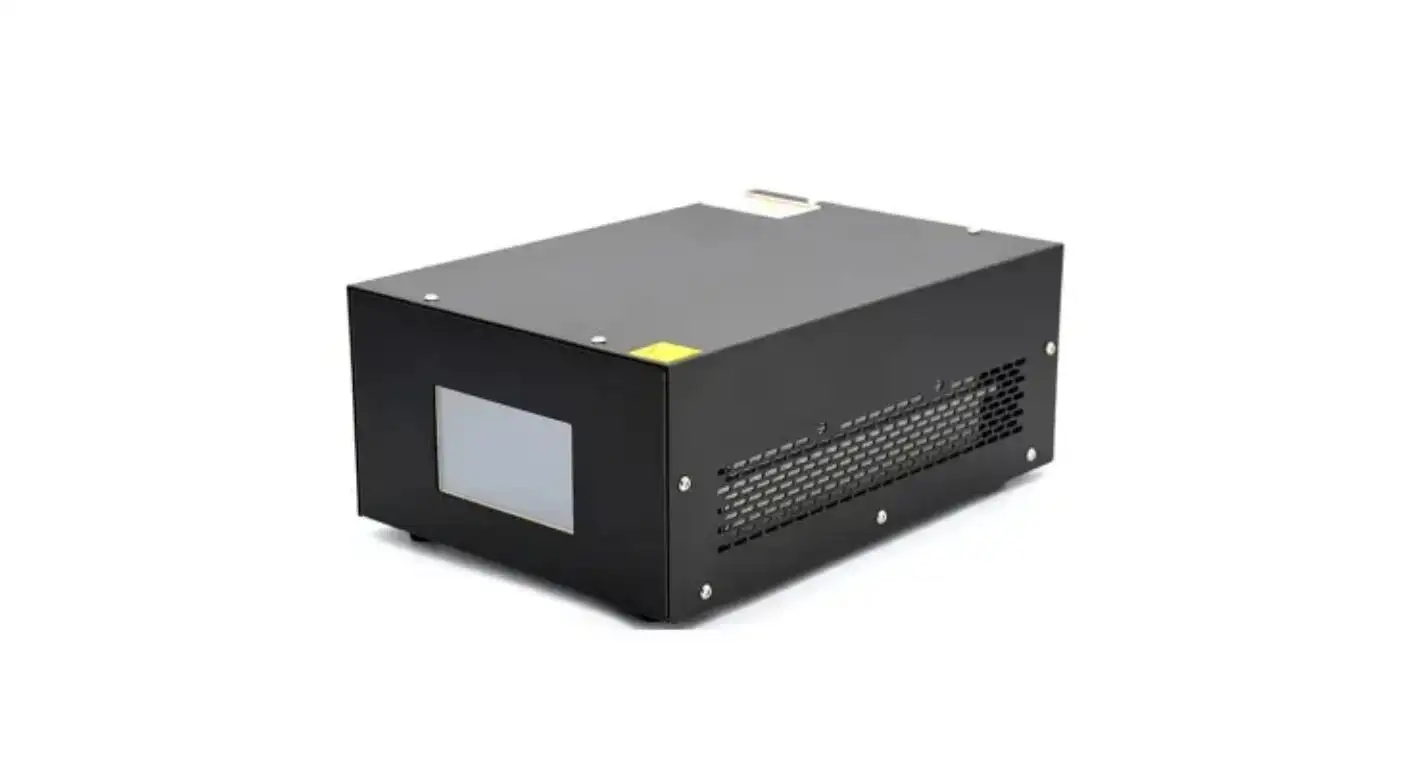
Digital printing has rows of applications beyond printing: packaging, industrial decoration, printing on electronic devices, signage, and even customized manufacturing. In line with the growing number of uses, greater performance demands are now placed on Coating and Ink Curing. Current printing rates are faster than ever, enabling thinner and more complex substrates to be printed on with higher resolution. Stronger binding adhesion requires curing systems with precise and consistent energy deliver control.
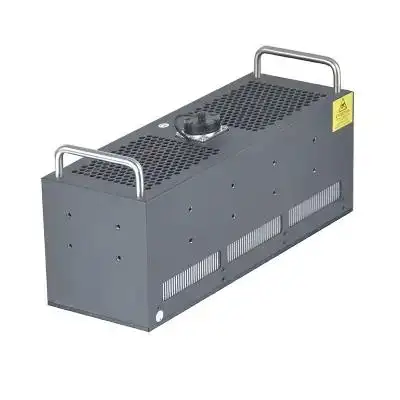
Unlike most drying processes, UV curing is a photochemical process. Certain UV inks and coatings are formulated with photoinitiators. When cured, UV energy initiates a reaction wherein liquid materials are transformed into solid forms. The curing process directly impacts adhesion, hardness, chemical resistance, and the long-term strength of printed materials.
Why Precise Coating and Ink Curing Control Is Essential in Digital Printing
In modern infrastructure, increasing UV capacity on curing units is the least of the challenges. Effective Coating and Ink Curing requires effective thermal management, control of the irradiated area, irradiation time, intensity, and wavelength.
Inkjet Printers
The inkjet printing process uses printing heads that deposit multiple passes of ink on a given substrate. Each layer of ink must be fully cured prior to subsequent printing or handling.
Curing systems that lack adequate control result in:
•Sticky substrates due to incomplete polymerization
•Poor adhesion
•Diminished resistance to scratching and chemicals
•Ink spreading
•Variation in color
The curing process is a combination of UV energy and material chemistry.
| Technical Factor | Influence on Curing Performance |
| UV wavelength | Determines if photoinitiators absorb energy |
| UV intensity (W/cm²) | Controls rate of curing |
| UV dose (mJ/cm²) | Determines if the ink is polymerized |
| Irradiation uniformity | Prevents irregular curing |
| Thermal control | Preservation of sensitive substrates from heat |
A high-output UV source without proper wavelength matching may still lead to incomplete curing.
How UV Wavelength Selection Improves Coating and Ink Curing Efficiency
The biggest factor in UV curing is matching the LED wavelength to the photoinitiator system within the ink.
Most UV LED curing systems work in the UVA region, at 365nm, 385nm, 395nm, and 405nm. Different formulations require different spectral responses.
| UV Wavelength | Typical Application Characteristics |
| 365nm | Suitable for photoinitiator systems with higher absorption efficiency |
| 385nm | Balanced for most industrial UV inks |
| 395nm | Used in various digital inkjet and coating applications |
| 405nm | Specialized for UV materials and additive manufacturing |
For most digital printing manufacturers, wavelength flexibility reduces the process constraints for working with various inks, coatings, and substrates.
UV Intensity and UV Dose: Decoding Fast Curing
A fallacy in Coating and Ink Curing is the assumption that high UV intensity results in better curing. In industrial printing, curing performance is related to the interaction of intensity and exposure.
The basic relation is:
UV dose = UV intensity × exposure time
In high-speed inkjet printing, there is a benefit in having high intensity since a given process can be completed in less time.
Engineers must optimize the following:
•Curing speed
•Layer thickness of ink
•Adhesion strength
•Heat resistance of the substrate
•Final surface quality
For example, for flexible substrates like films, lower curing temperature and curing time may be sufficient, while rigid substrates like acrylic and metal may require more intense curing.
UV LED Technology versus Traditional UV Lamps in Digital Printing
Coating and ink curing have benefited from UV LEDs due to the lower heat generation and more control over the energy.
| Comparison | UV LED System | Traditional UV Lamp |
| UV output | Targeted UVA wavelength | Broad spectrum |
| Heat impact | Lower thermal influence | Higher thermal |
| Operation | Instant on/off control | Warm up and cool down |
| Energy usage | Optimized UV energy delivery | Higher |
| Maintenance | Longer operational stability | Frequent lamp replacement |
For heat sensitive materials UV LED curing is beneficial in maintaining the integrity of the substrate and improving the printing process.
Technical Aspects of UV LED Systems in Digital Printing
The assessment of a UV LED system for coating and ink curing requires analysis of the entire printing process as opposed to a single element.
1. Irradiation Area and Coverage
The area of UV curing should align with the printing equipment. Lack of coverage may result in variations in the center and edges of the printed surface.
2. UV Output Density
As intensity is increased, cure times are decreased which can improve overall production times.
3. Thermal Management
Although UV LED systems emit much less heat than mercury lamps, thermal control is vital to the stability of LED systems in industrial applications.
4. Integration Flexibility
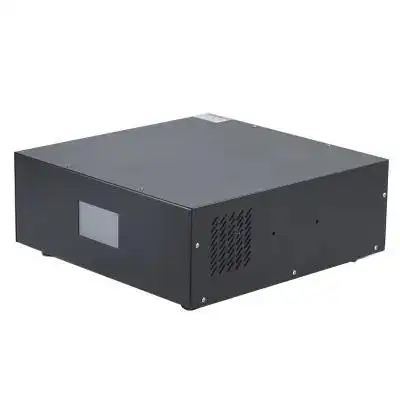
Compact curing modules fit easily in flatbed inkjet printers and digital printing systems.
UVET UV LED System for Inkjet: High-Precision Coating and Ink Curing
UVET specializes in UV LED systems that provide high system integration, cure consistency and performance for high-speed digital printing applications.
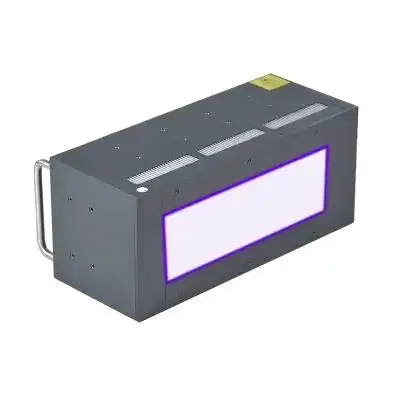
UVET's UV LED System for Inkjet has an irradiation area of 225×40 mm and can generate an intensity of up to 16 W/cm² for high-speed inkjet printing. The system provides four options (365nm, 385nm, 395nm, 405nm) of wavelengths, which gives manufacturers a high level of flexibility for curing different types of UV inks and substrates.
The technical specifications are as follows:
UVET UV LED System for Inkjet
| Irradiation Area | 225 × 40mm |
| Maximum UV intensity | Up to 16W/cm² |
| Available wavelength | 365nm / 385nm / 395nm / 405nm |
| Cooling method | Fan cooling |
| Application | Flatbed inkjet printing, digital printing, UV coating, 3D printing |
These specifications fulfill various needs and assist Coating and Ink Curing as follows:
•Provide high energy density for rapid curing.
•Use a combination of wavelengths to match UV inks.
•Modulate UV power to optimize curing for different materials.
•Use a small 225×40mm module to simplify installation of the system in the printing equipment.
For processes such as UV coating, the system's combination of wavelength and intensity control enhances adhesion and surface smoothness, and improves process reliability.
Production Requires Continuity in Stable Coating and Ink Curing Performance
While advanced UV LED technology made significant changes to the production of UV curable inks, continuous curing performance is based upon the overall control of the system.
The following practices are recommended to maintain production control of the curing process:
- Checking for consistency of UV light output
- Cleaning the UV transparent window to prevent light transmission blockage
- Ensuring cooling airflow during continuous operation
- Regulating intensity of the UV light
- Adjusting curing parameters based upon changes or types of inks or substrates
- A stable curing process is based upon equipment performance in combination with the correct process parameters.
Current and Future Trends in Coating and Ink Curing for Digital Printing
The more digital printing systems move toward higher levels of automation and productivity, the more changes will be evident in UV LED curing. These trends may include:
•Decreased curing energy use
•Improved wavelength accuracy
•Intelligent power adjustment
•Smaller integrated curing devices
•More efficient curing of new UV inks
The future of Coating and Ink Curing technologies will largely be dependent upon systems which provide the most accurate energy control, not simply higher power outputs.
Conclusion
To achieve quality in Digital Printing, one must ensure stable Coating and Ink Curing. This includes a balance of UV wavelength, its intensity, the substrate, and the thermal management of the system. It also includes the final dose which affects the durability, appearance and adhesion of the printed items.
UVET has developed various curing solutions for Inkjet and Industrial Printing. These solutions ensure stable curing and improve the versatility of the materials used as well as enhance process efficiency. Digital Printing companies which looking to enhance their services may contact UVET to evaluate the best available UV LED configurations and develop more stable curing solutions.
FAQs
Q1. What is Coating and Ink Curing in digital printing?
Coating and Ink Curing uses UV energy to perform polymerization reactions on UV inks and coatings. The process is used to convert liquid layers into solid layers with enhanced adhesion and hardness. UVET has designed UV LED curing systems to enhance the stability of UV LED curing for digital printing.
Q2. How does the UVET UV LED System improve Coating and Ink Curing?
The performance of Coating and Ink Curing processes is improved by UVET's UV LED system due to its capability of emitting high energy density UV light of varying wavelengths in a stable manner. The system can reach a UV intensity of up to 16W/cm². Further, it is designed to cover the wavelength range of 365–405nm.
Q3. What wavelengths does UVET's UV LED System support?
UVET has developed a UV LED system for inkjet which offers four wavelength options:
•365nm
•385nm
•395nm
•405nm
The flexibility of these options allows the users to choose the wavelengths which would best improve the performance of inks and coatings with respect to the characteristics of the substrates.
Q4. What is the maximum UV intensity of UVET's inkjet curing system?
UVET's UV LED system for Inkjet offers a maximum intensity of 16 W/cm.
Q5. Can UVET UV LED Systems be added to existing inkjet printers?
UVET's systems can be added. UVET has developed compact UV LED systems for curing that can be integrated into different types of industrial printing and coating equipment, digital printers, and UV coating machines. The system has a 225×40mm irradiation area.


