
What Is Precision Curing?
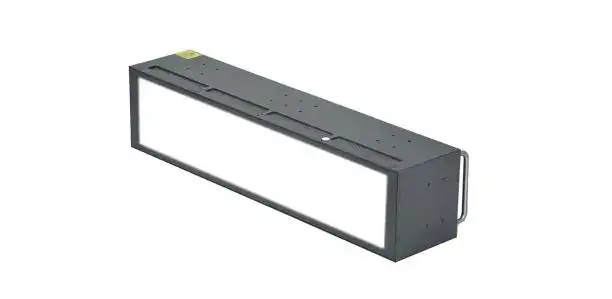
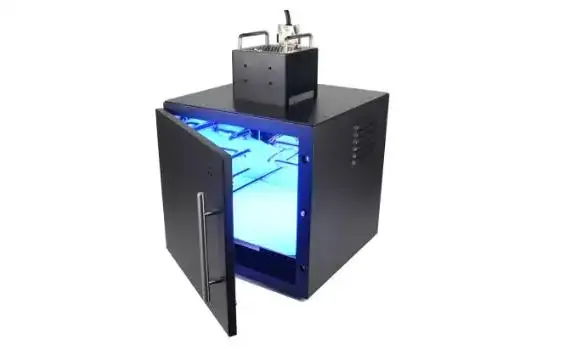
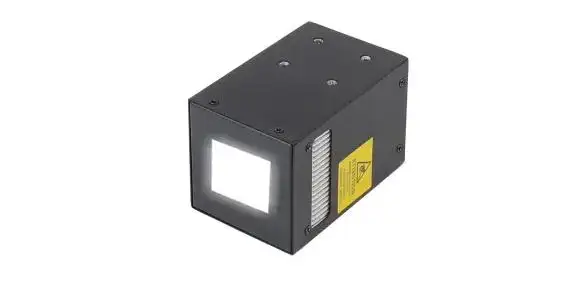
Precision curing process that is developed to cure polymers, resins, coatings, adhesives, as well as composite materials by exposing them to standardized heat, ultraviolet (UV) light, or infrared energy. It is, as opposed to more traditional curing techniques, may be based on generalized heating, but precise curing is performed, with precisely controlled heat treatment and precisely controlled polymerization to provide the consistency of hardening of the material.
Curing is a technical process that entails reactions in the cross-linking of a polymer. These responses are highly reliant on:
- Temperature ramp control (+-1 °C in high-end systems)
- Controlled dwell time (as short as a few seconds in UV curing and up to a few hours in thermal curing)
- Even distribution of heat on substrates.
- Statistics on the optimal curing cycle.
- Humid curing conditions.
Curing process stability helps manufacturers produce repeatable curing parameters that reduce variability in products and decrease defective products that are expensive to fix.
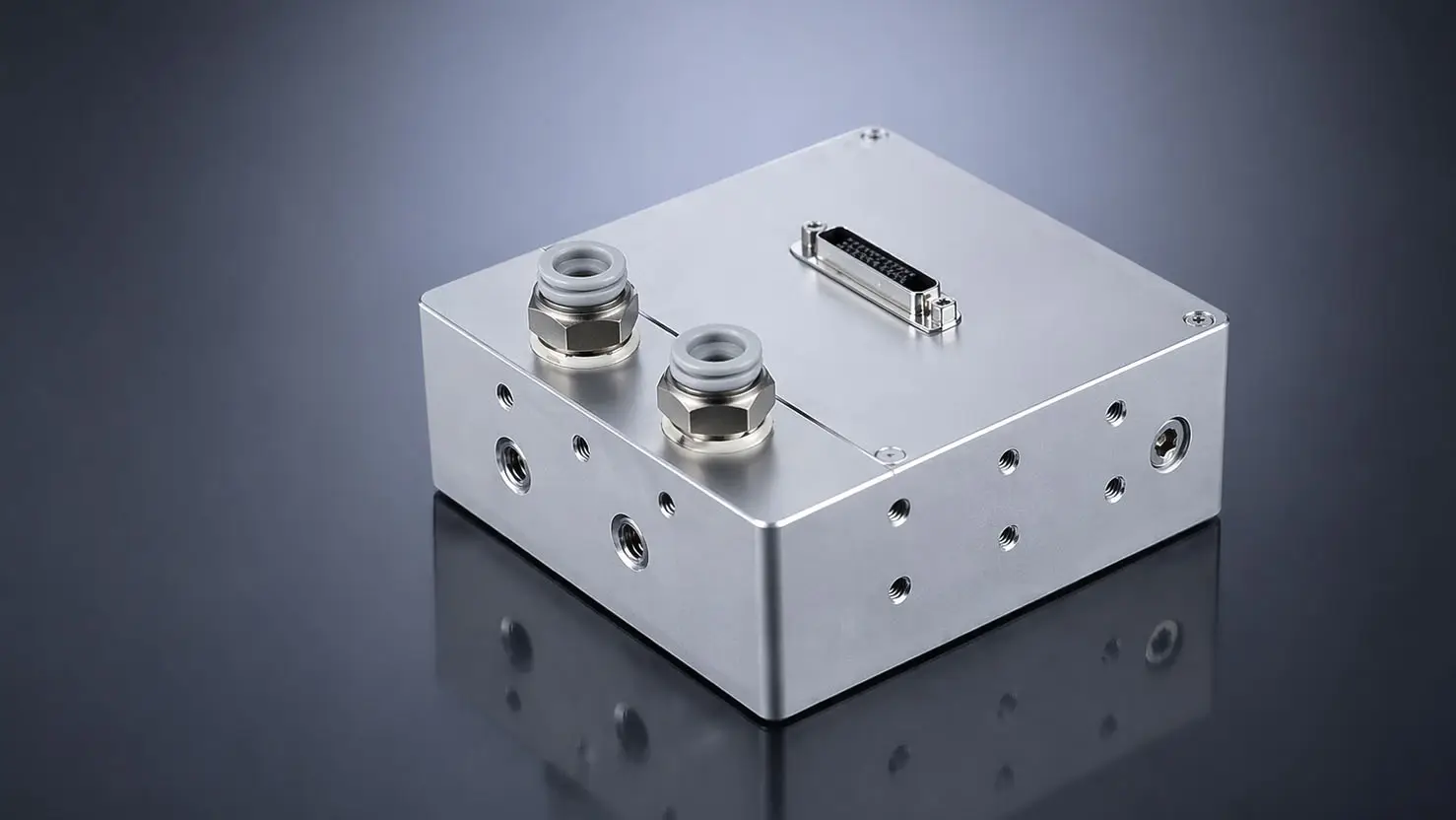
Hurry and Accuracy: Precision UV Curing
Precision UV curing is the most efficient and controlled polymerization technology over any other curing technology. The UV curing systems are capable of full curing in seconds, unlike the traditional ovens, which may take minutes or hours.
The reason why UV Precision Curing Systems is changing the industry.
- Fast cycle curing
- Low energy curing systems (up to 70 percent energy savings over standard mercury lamps)
- Reduced the heat production of the sensitive substrate.
- Modulated heat transfer curing.
- Real-time curing monitoring
An ideal case of new UV curing technology is the UV LED Curing Light by UVET, which is offered at UVET. This system features:
- A 90x90mm irradiation area
- Cooling water with better thermal control.
- Elective fixed wavelengths of 365nm, 385nm, 395nm, and 405nm.
- Increased performance on bigger areas.
It has an LED curing technology that guarantees the control of uniform curing in electronics assembly, medical device manufacturing, optical bonding, and optoelectronics manufacturing. Water cooling allows control of the thermal profile and enables the system to achieve constant levels of irradiance even when curing lines are operating continuously.
Precision Heat Curing: Thermal Mastery
Although UV curing is superior in speed, precision heat curing is required to cure composite material, cure aerospace components, and cure epoxy curing operation instances that necessitate deep thermal penetration.
Thermal precision ovens used in curing and batch curing chambers used are designed with:
- Multi-zone temperature ramp control.
- Curing systems that are controlled by PLC.
- Convection airflow engineering in the case of even heat distribution.
- Curing process data tracking using IoT.
The standard industrial heat treatment systems range between 50 °C and 250 °C, depending on the resin systems and the thickness of the material. Thermal curing systems with high accuracy are able to guarantee dimensional stability and minimize the warping of composite materials.
Precision Curing: Industrial Applications
- Precision Curing of Electronics Manufacturing
It is used in PCB curing applications, and in semiconductor fabrication to achieve optimum hardness of solder masks, encapsulates and adhesives with sensitive components not being damaged. The curing solutions of semiconductors are also sensitive to any slight change in temperature, and thus, precise temperature curing is necessary.
- The Accuracy of Curing Composite Materials
The curing of composite materials in aerospace and automotive industries requires controlled curing and heat treatment of composite materials. Strict adherence to precise curing temperature in the formation of objects prevents the creation of voids and preserves structural integrity.
- Accuracy in Curing in the Automotive Industry
The technology of automotive paint curing and adhesive curing is based on constant thermal curing and infrared curing technology to obtain the best finishes and the most stable bonding.
A Precision Curing of Components
Curing of aerospace components should be highly certified. The providers of advanced curing technology add PLC-based curing automation to ensure that their curing processes are repeatable.
- Accurate Curing in the Process of Medical Devices
Medical-grade adhesives must have calibrated curing mechanisms in order to ensure biocompatibility and structural accuracy.
- Industrial Coatings Precision Curing
The curing process is based on the optimization of curing cycles and the controlled curing technology to create corrosion-resistant finishes.
Advantages of Precision Curing in Manufacturing
Free manufacturers who are investing in precision curing solutions have:
- Energy efficient high accuracy curing machines.
- Accuracy curing equipment is high.
- Reduced material waste
- Better consistency of products.
- Lower operational costs
Curing energy-efficient systems also help in cutting the cost of electricity, particularly in the process of substituting traditional mercury lamps with LED curing solutions. Process repeatability is also ensured, coupled with a significant reduction in environmental impact.
Technical Factors in the purchase of Precision Curing equipment
Supply of curing machines or the price of a curing system you need:
- Specifications of thermal uniformity.
- UV curing systems have a variety of wavelengths.
- Air vs. water cooling mechanisms.
- Expansion capacity.
By liaising with a knowledgeable curing equipment manufacturer or industrial curing solutions provider, you will have turnkey curing solutions that are customized to meet your requirements.
The way Precision Curing will enhance the quality of products
It enhances the quality of the product by regulating the development of molecular structure in the process of cross-linking of polymers. This enhances:
- Enhancement of mechanical strength.
- Optimization of surface finish.
- Dimensional stability
- Increased product life cycle.
The curing cycle is optimized, which minimizes residual stress and micro-cracks, which is vital in providing long term performance even in adverse conditions.
Conclusion
Precision curing is not merely a process in the manufacturing process, but it is the basis of product reliability, product safety, and performance. A controlled precision process will achieve similar results and high quality, whether it is used in semiconductor production, aerospace components curing, or even industrial coating. Through UV curing, infrared curing, and thermal curing ovens with intelligent curing control, manufacturers are in a position to produce defect-free curing, save energy, and ensure unmatched production efficiency. Visit UVET.
Share on Social:


