
What Is UV LED Curing Used For in Industrial Manufacturing?
You use UV LED curing used for several critical tasks in your factory, such as drying inks, bonding parts, and sealing surfaces. This method relies on high-power light-emitting diodes to create a dry, durable finish in a split second. By moving away from heat-based drying, you gain a way to process materials faster while keeping your shop floor cool and safe. In this guide, you will see how this technology fits into your production line and why it is a top choice for modern industrial needs.
Understanding UV LED Curing Technology helps you stay ahead in a competitive market. You get a tool that is precise and easy to control. It changes the way you handle delicate parts and helps you lower your utility bills. As you read through these sections, you will discover the specific ways you can apply this light-based curing to your daily operations.
What Is UV LED Curing?
UV LED curing is a cold-curing process that uses ultraviolet light from diodes to harden inks, adhesives, and coatings instantly. You apply specific light wavelengths to trigger a chemical reaction called polymerization, which transforms liquid materials into tough solids without relying on heat.
When you look at your shop, you likely see many materials that need a finish. UV LED curing works by using specific light wavelengths to activate photoinitiators in your material. These particles cause the liquid to link together into a tough solid. You can learn more about how UV LED curing works to see the exact steps of this chemical change.
Unlike old thermal ovens, this process does not rely on evaporation. You do not have to worry about solvents being released into your air. It allows you to use 100% solid materials that stay exactly where you put them. This makes your work more predictable and keeps your finished parts looking clean. It is a reliable way to finish your products with high precision every time.
Why UV LED Curing Is Valuable in Manufacturing
You find value in this technology because it gives you better control over your production speed and costs. It uses less power than old systems and keeps your shop floor cooler. You save money on maintenance because the lights last longer and do not need warm-up time before you start your shift.
When you switch to this method, you gain several UV LED curing benefits for your business. First, the lights only turn on when you need them. You do not waste power during line pauses. Next, the low heat output means you can work with thin plastics and films that would melt in a regular oven. This lets you expand your product list without buying new cooling gear.
You also get a more consistent result. Because the diodes emit a steady light, every part you make gets the same treatment. You do not have to deal with the slow decline in power seen in old mercury lamps. This keeps your rejection rate low and keeps your customers happy. It is a smart move for any shop looking to raise quality while lowering waste.
Key Industrial Sectors Using UV LED Curing
You will see UV LED curing in sectors like printing, electronics, and medical tools. Each industry uses the tech to solve specific problems like slow drying times or heat damage. It works well in any setting where you need a strong, fast bond on a mass scale.
Printing and Packaging
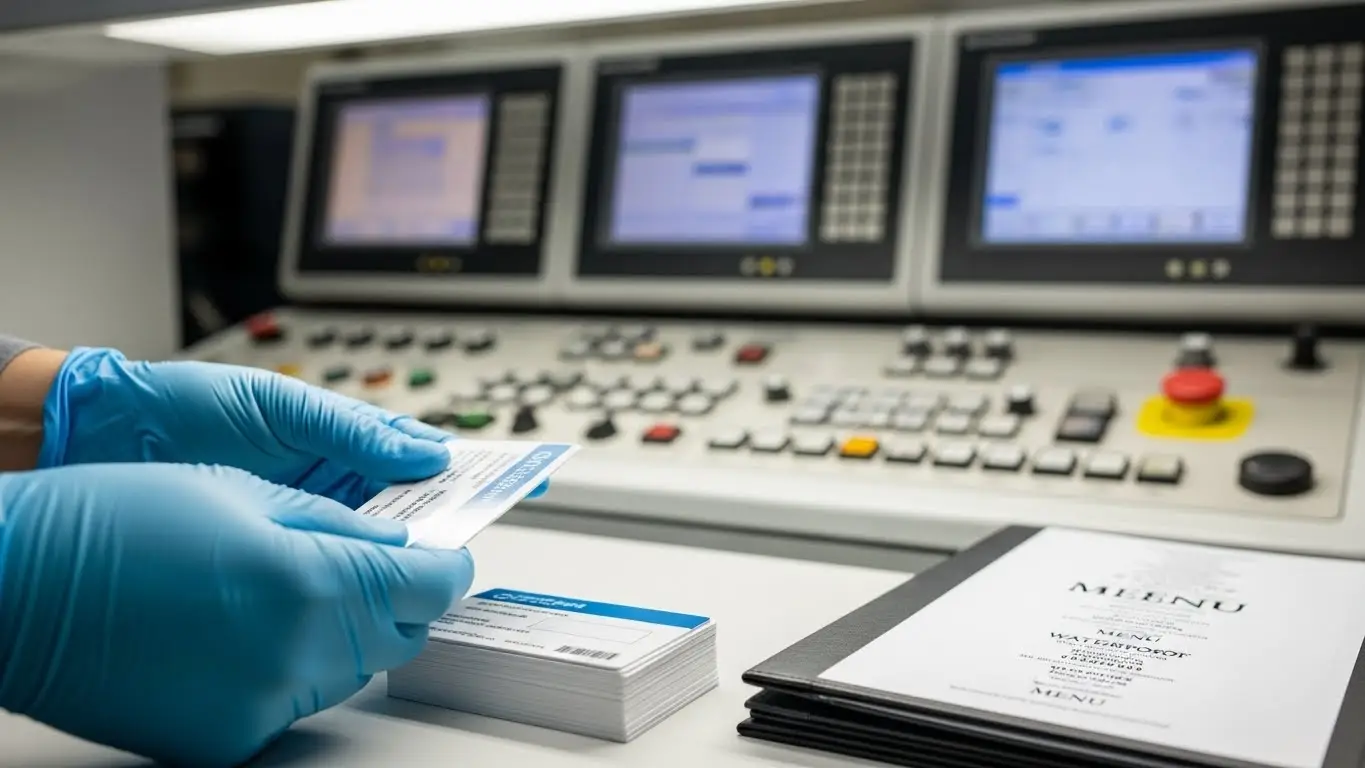
In your printing shop, you use these systems to dry inks on labels, boxes, and flexible plastic pouches. Since the ink sets instantly, you can stack or roll your products right away without any smearing. This leads to high throughput and lets you ship orders on the same day they are printed.
Electronics and PCB Manufacturing
When you build circuit boards, you use UV LED curing applications to set protective coatings. The low heat protects your sensitive chips and sensors from damage. You can also bond small components with high precision, ensuring that the glue stays only where you want it. This helps you build smaller, more reliable devices.
Medical Device Production
For medical tools, you need a bond that is both strong and clean. You can use these lights to glue plastic and metal parts together with high consistency. The cold light keeps your medical-grade plastics from changing shape. This ensures a perfect fit every time, which is vital for gear like hearing aids or syringes.
Automotive and Industrial Coatings
You can apply UV-curable finishes to car parts to create a scratch-resistant surface. Whether it is a glossy interior trim or a protective layer on a headlight, the light ensures the finish is hard and durable. It holds up well to sun, rain, and chemicals, giving your products a longer life in the field.
How UV LED Curing Fits Into Manufacturing Lines
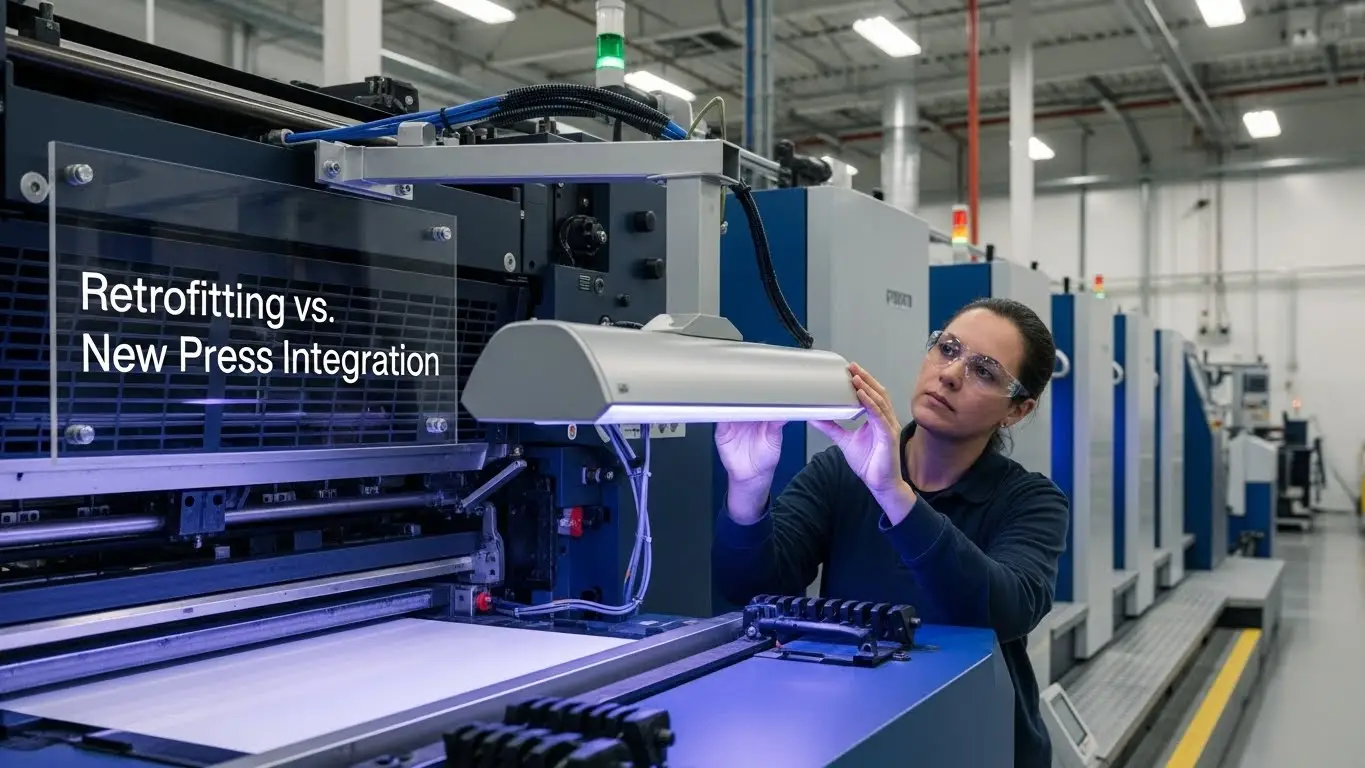
You can integrate these systems directly into your inline conveyors or robotic assembly cells. The compact size of the lamps allows you to fit them into tight spaces where an oven would never work. They talk to your line controllers to provide real-time curing that matches your production speed exactly.
When you look at UV LED curing systems, you see how they simplify your layout. You do not need long cooling tunnels or massive exhaust ducts. Instead, you mount the lamp head over your belt. As your product passes, the light fires and the part is finished. This lets you save floor space and reorganize your shop for better flow.
You can also use this gear in automated cells. A robot can pick up a part, apply glue, and then hold it under the UV LED curing equipment for a second. The bond is set, and the robot moves to the next task. This level of automation is only possible because the cure is so fast and predictable. It helps you run a lights-out operation with very few errors.
Industrial Safety in UV LED Curing
Safety in your factory involves using light shields and personal protective gear to keep workers safe from UV rays. While the systems do not produce ozone or contain toxic mercury, the concentrated light can still cause skin or eye damage. Proper training and shielding are your best tools for a safe workplace.
You should always follow UV LED curing safety rules by covering the curing area with light-proof boxes. This prevents the light from shining into the rest of the shop. If your workers need to be close to the light, they must wear UV-rated glasses and long sleeves. This removes the risk of "sunburn" or eye strain during the shift.
Another safety plus is the lack of hazardous waste. You do not have to worry about mercury spills or special bulb disposal. This makes your shop cleaner and easier to manage. Since the lights stay cool, the risk of fire or accidental burns is also much lower. It is a safer choice for both your team and your building.
UV LED vs Mercury UV in Industrial Use
You choose LED over mercury because it offers higher uptime and much lower maintenance costs. Mercury lamps produce a wide range of light that includes heat and ozone, which you do not need. LEDs give you only the light that cures your product, making your whole process more efficient and cleaner.
In the UV LED vs mercury UV curing comparison, the lifespan is the biggest winner. A mercury bulb might last 1,000 hours, but an LED can go for 20,000 or more. This means fewer stops to change parts and less money spent on spare bulbs. You also get rid of the long warm-up times that slow you down in the morning.
From a green standpoint, the choice is clear. LEDs do not have toxic materials. They do not create ozone, so you do not need to pump air out of your building. This keeps your air conditioning costs lower and helps you meet environmental rules. It is a long-term solution that pays for itself through better performance and lower shop costs.
How to Choose the Right UV LED Curing System for Manufacturing
To choose a UV LED curing system, you must match the wavelength to your material and your line speed. You also need to look at the cure depth and the size of the parts you are making. Talking to your ink or glue supplier will help you find the best match for your specific job.
| Factor | What to Check | Why it Matters |
| Wavelength | 365nm, 385nm, 395nm | Must match your ink's chemistry. |
| Intensity | Irradiance levels | Faster lines need more light power. |
| Cooling | Air or Water | Fits your shop's space and utilities. |
| Line Fit | Lamp width | Must cover the whole product surface. |
You should also think about the distance between the light and your part. If the light is too far away, it loses its strength. If it is too close, it might get hit by the part. Finding the right balance ensures you get a full cure every time. By looking at your total goals, you can pick a system that makes your work easier and faster.
Final Thoughts
UV LED curing is a standard tool in modern shops because it solves the problems of heat, waste, and slow speed. By moving to this method, you gain a way to produce better parts in less time. It works in many sectors and fits into almost any line with very little trouble.
As you look at your future plans, think about where you can cut drying times. A switch to LED can give you the edge you need to stay ahead. With the right system, you will see a big change in your production quality and your shop's daily costs. It is a proven way to move your manufacturing into a faster, cleaner future.
Share on Social:


