2025-12-25
By arafatshuvo
UV LED Curing for Offset Printing: Sheetfed Setup, Retrofit Steps, Costs, and Real Results
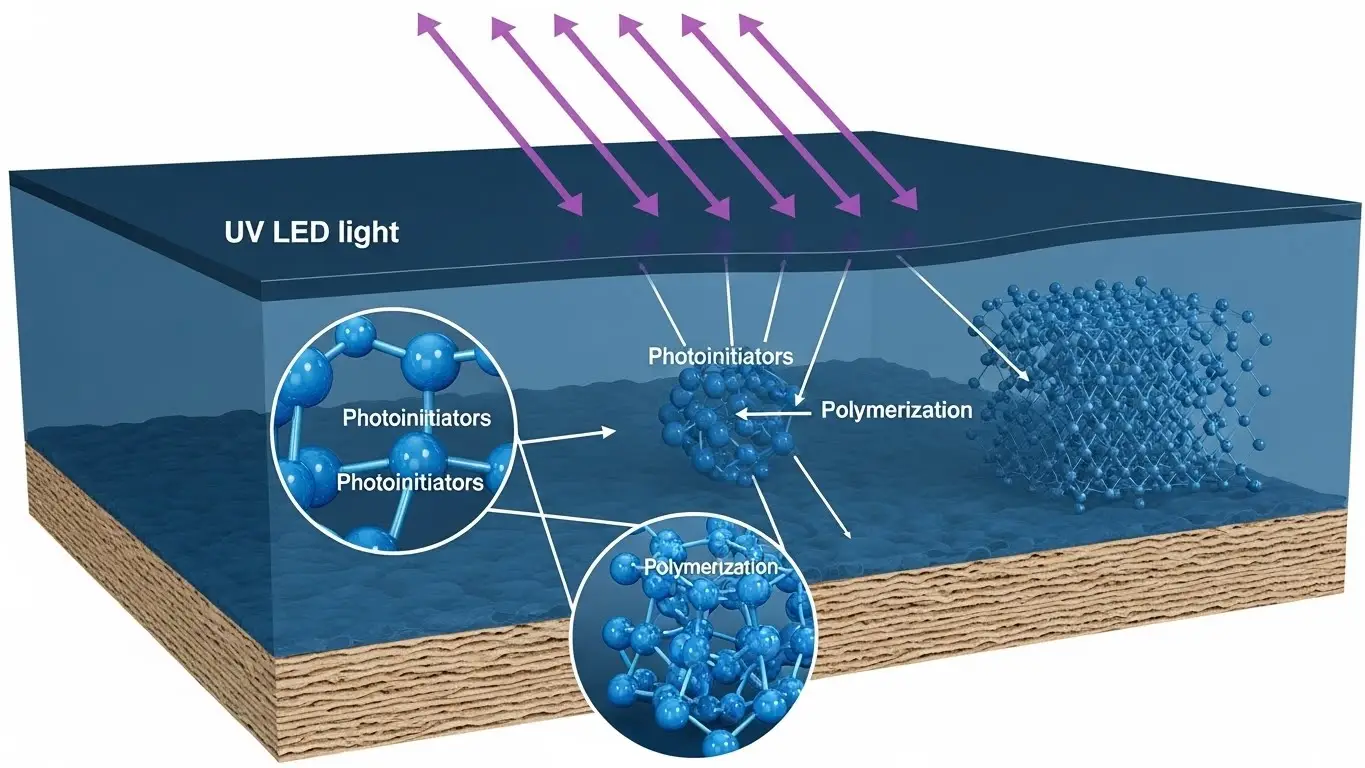
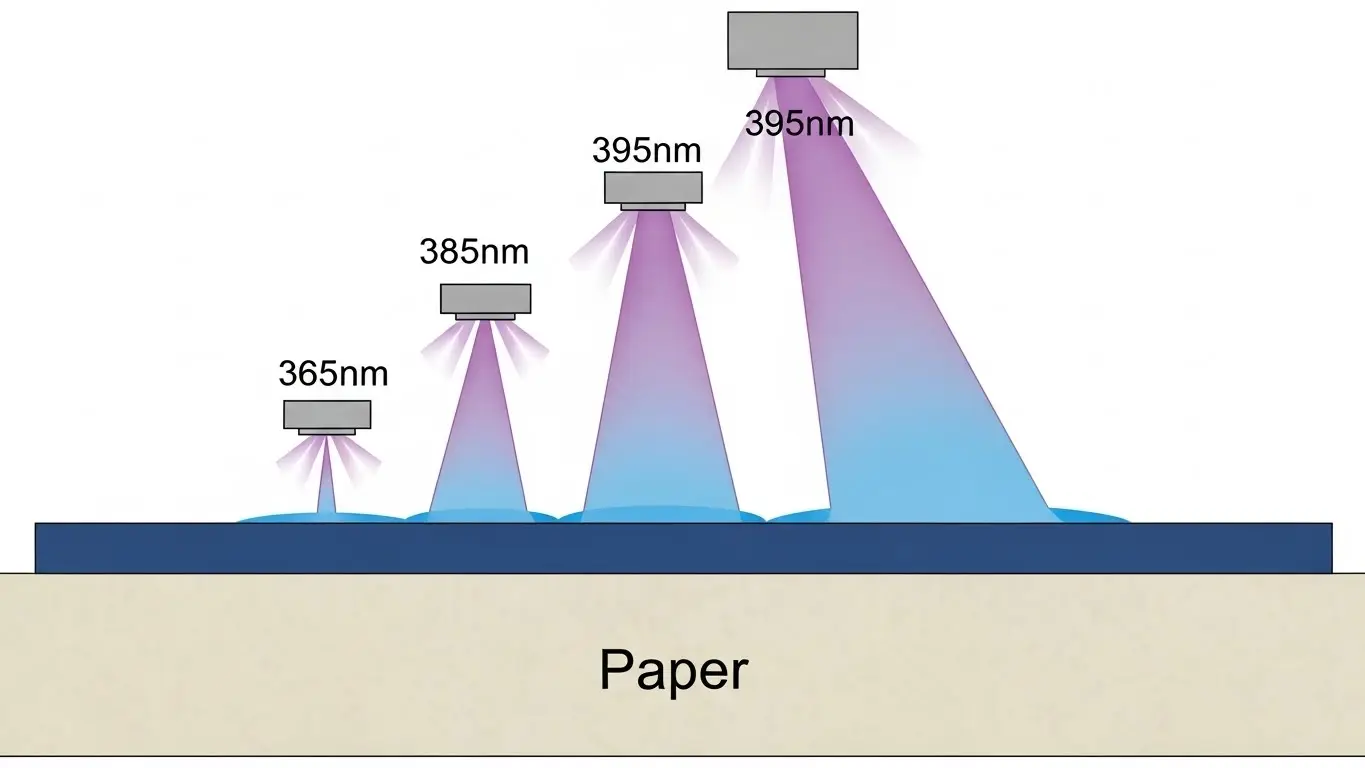
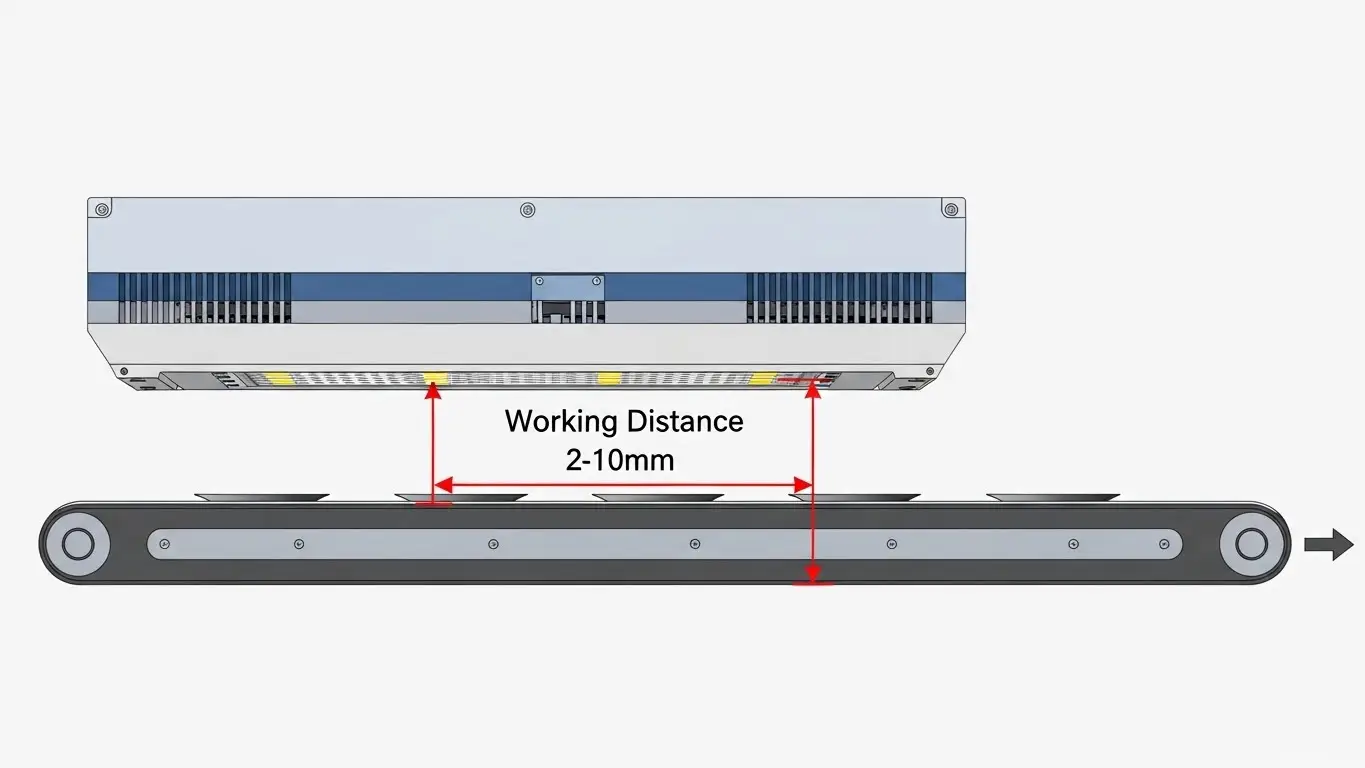
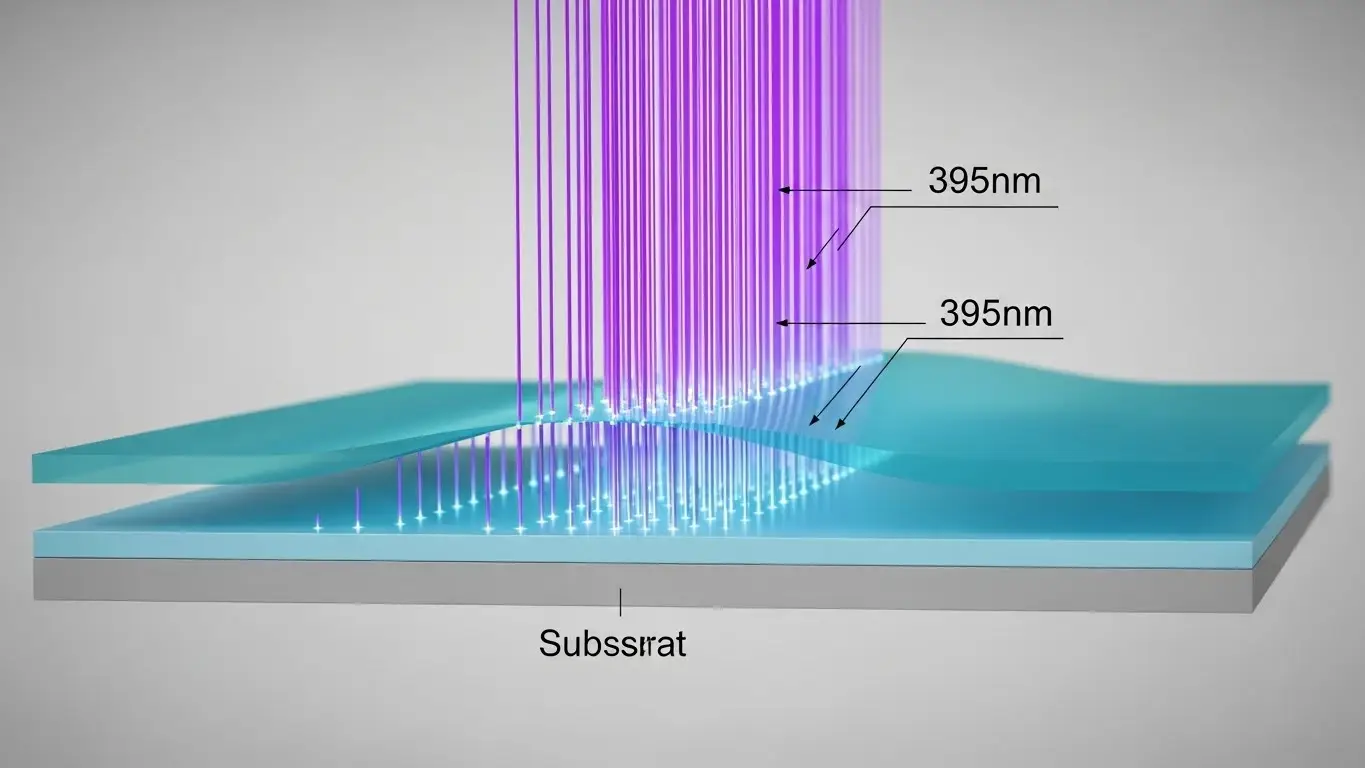
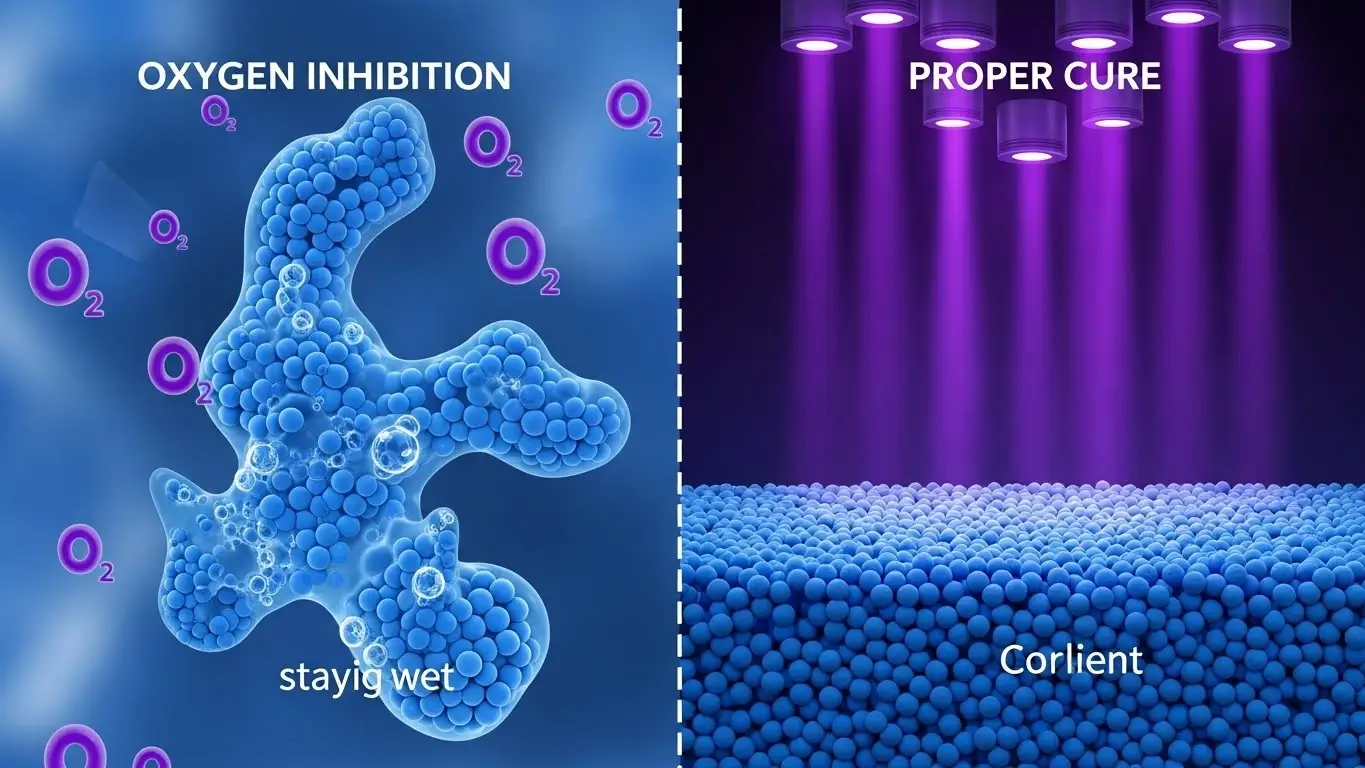
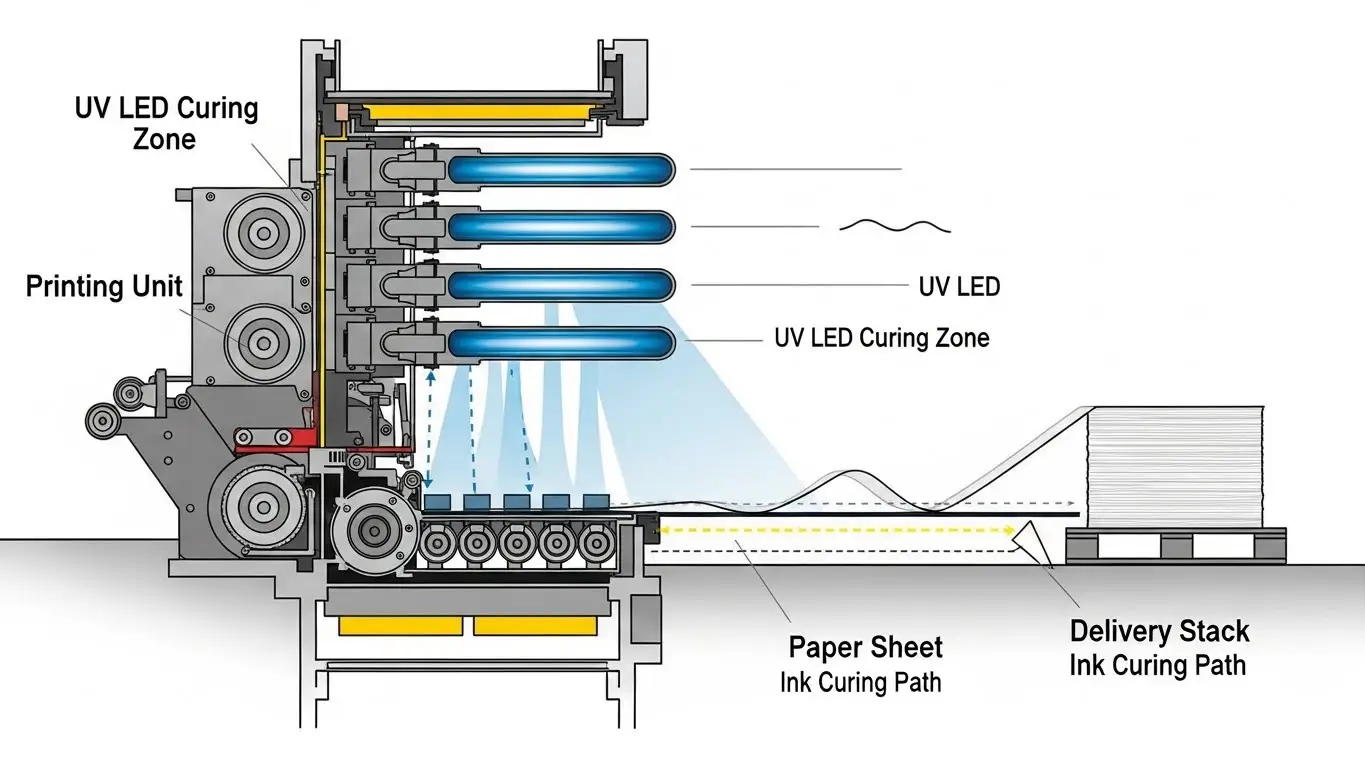
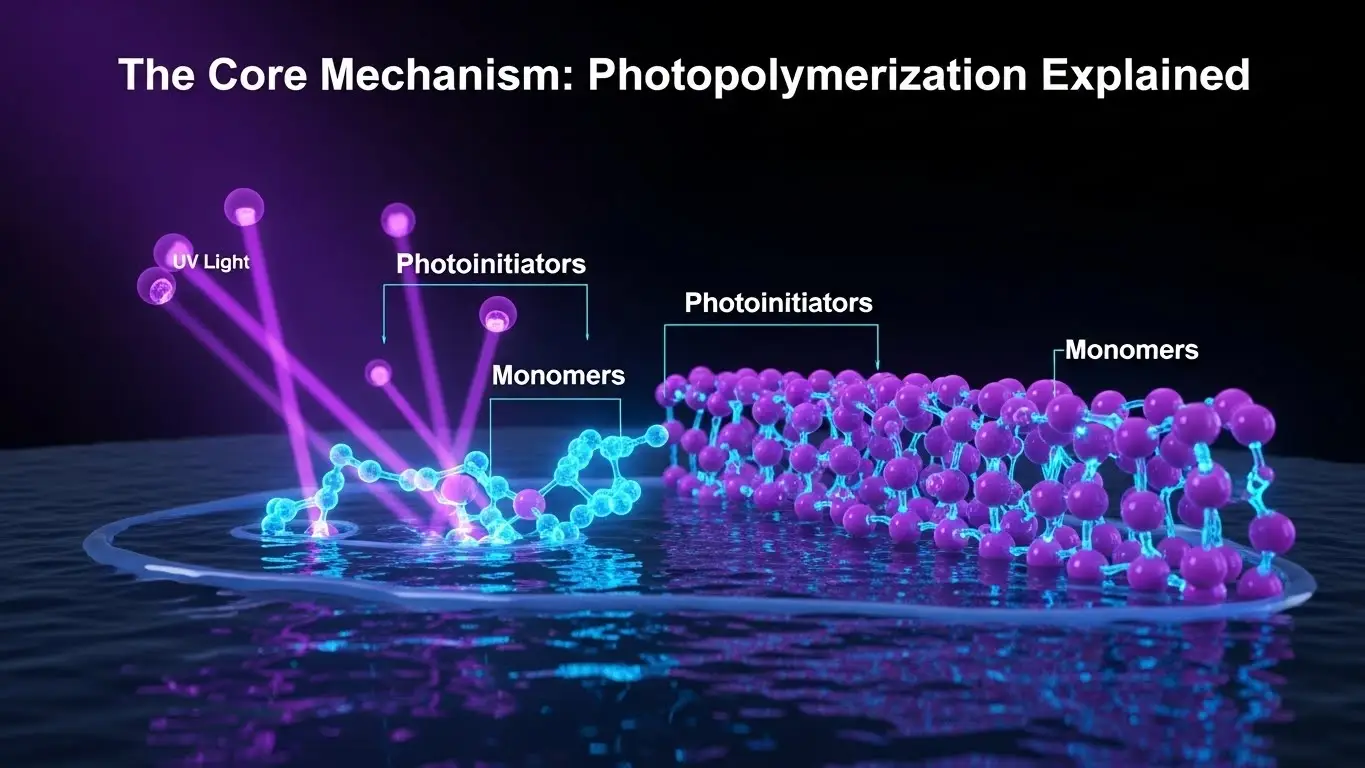
UV LED curing for sheetfed offset printing is a method that uses UV LED curing energy to harden UV inks and UV coatings/varnish instantly on a sheetfed offset press. This guide covers the practical setup options, what an LED-UV retrofit typically involves, the cost and ROI factors you should plan for, and what “real results” look like in print finishing—especially around spray powder reduction, fewer setoff/marking issues, and faster post-press handling in the delivery stack. It’s written for pressroom teams, production managers, and owners who want to make decisions based on job mix and press integration realities (not hype). If you’re new to the topic, start with UV LED curing for offset printing. What Is UV LED Curing in Sheetfed Offset Printing? UV LED curing in sheetfed offset is the process of using UV LED light to trigger photopolymerization in energy-curable inks and UV varnish so the ink film cures (hardens) rather than slowly “drying.” That difference matters because curing vs drying changes your production workflow: sheets can be handled, stacked, and finished sooner with less risk of setoff prevention problems. On a sheetfed lithography press, curing usually happens near press delivery (or between units), where press speed, the cure ...


(1).png)
(2).png)
