nav_logo
  • Home
  • Products
    LED UV Curing
    UV LED Spot Curing
    UV LED Area Curing
    UV LED Curing Chambers
    UV Tape Curing Systems
    Handheld LED UV Curing
    UV LED Curing Systems for Printing
    LED UV Inspection
    UV LED Flashlights
    UV LED Headlamps
    Handheld UV LED Lamps
    Stationary UV LED Lamp
    UV LED Modules
    COB UV Modules
    Array LED UV Modules

    Built with high-quality LED sources

    Our UV curing systems offer 20,000+ hours of lifespan, instant on/off functionality, and stable performance in industrial environments.

    Explore Our Services
  • Solutions
  • OEM/ODM Services
  • Support
    • FAQs
    • Download
    • UVLED Gallery
  • Blog
  • About
  • Home
  • Products
    • LED UV Curing
    • LED UV Inspection
    • UV LED Modules
  • Solutions
    • UV Printing - A Detailed Guide
    • UV LED for Automotive: Advanced & Efficient Solutions
    • UV LED for Medical Devices: The Ultimate Guide 2025
    • UV LED for Electronics Application: Why it’s Critical
  • OEM/ODM Services
  • Support
    • FAQs
    • Download
    • UVLED Gallery
  • Blog
  • About
  • Contact
  • English
  • 中文

Blog

Home / Blog / Page 4
    ALL Guides Case Study Industry Insights Product Innovations
All Articles
Hot Tags
Inkjet Printing
UV Curing Technology
UV LED Curing
UV Intensity Measurement
Inkjet Printing
UV Curing Technology
UV LED Curing
UV Intensity Measurement
ALL Guides Case Study Industry Insights Product Innovations
2025-12-31
By UVET
UV LED Ink Curing System: Spec Checklist for Printing

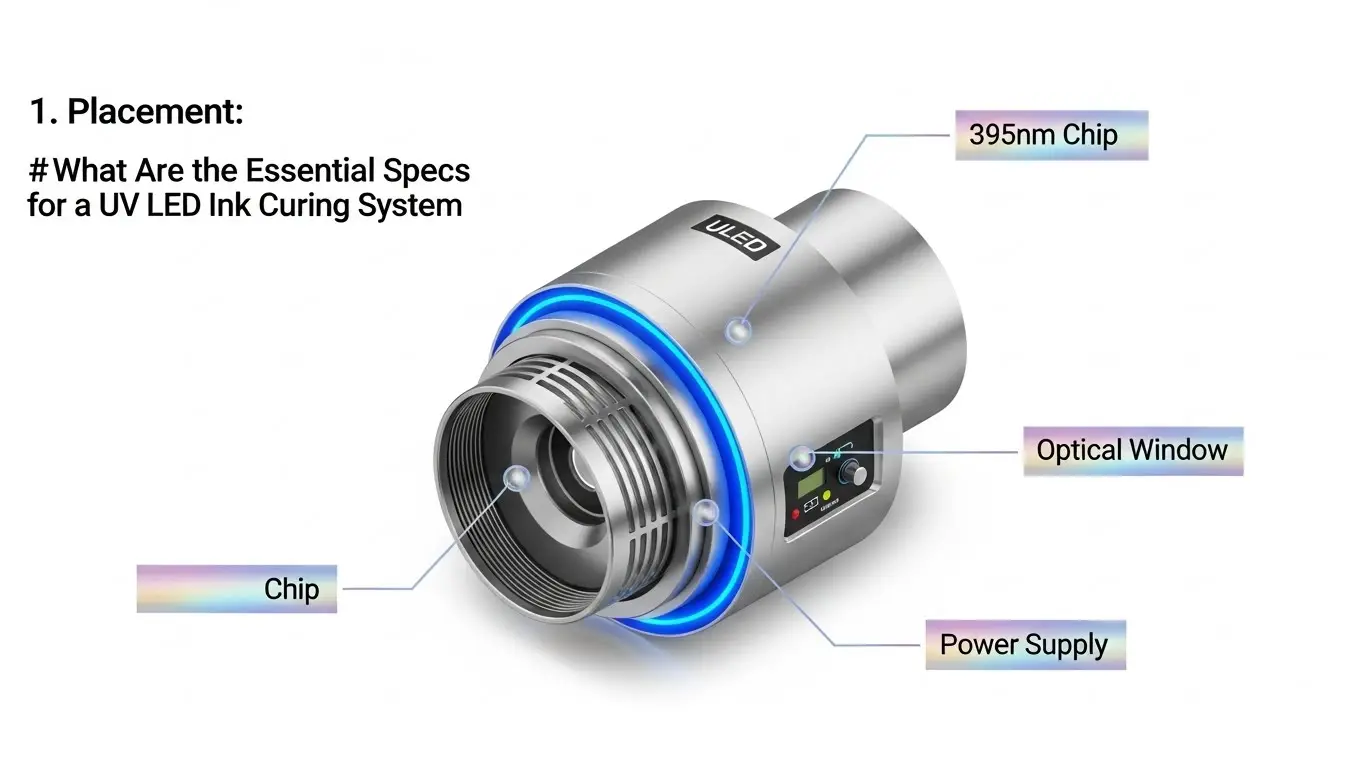
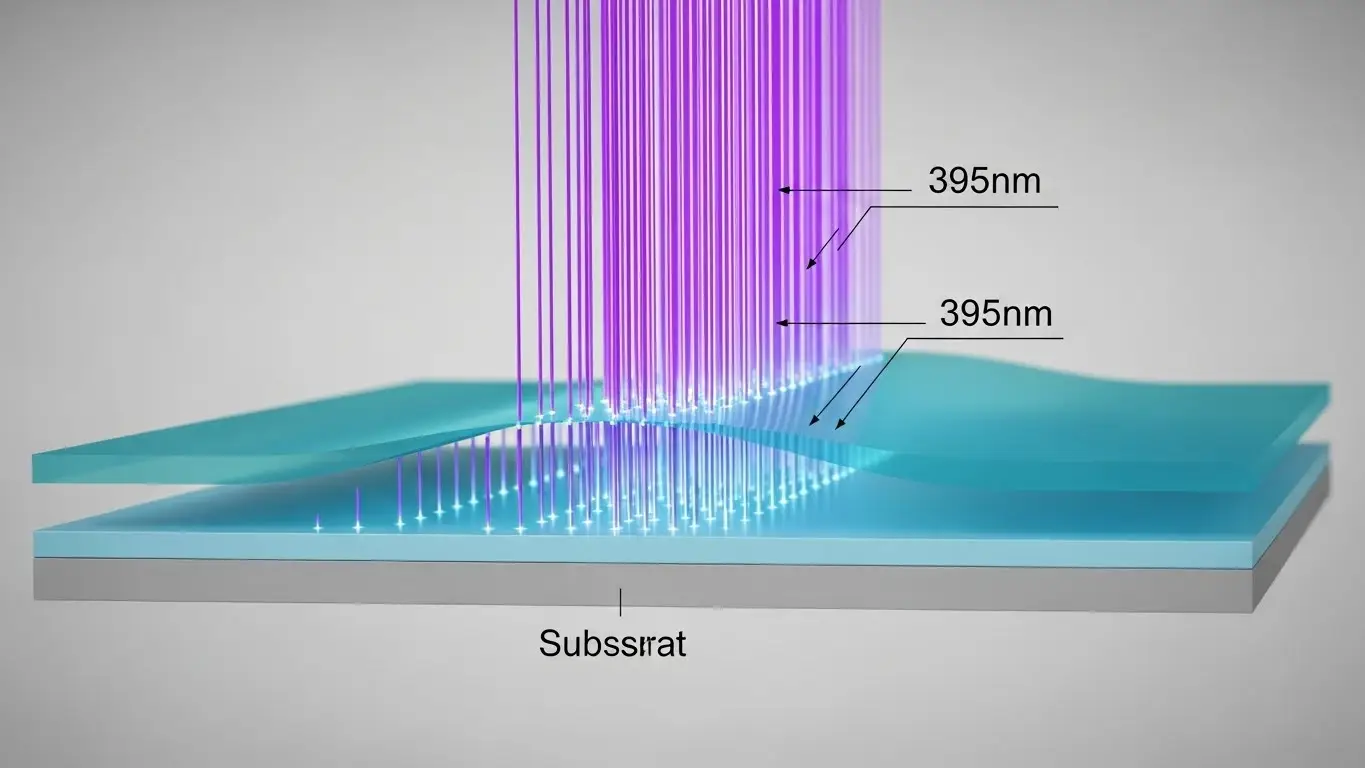
A high-performance UV LED ink curing system does more than just dry ink; it defines the speed, durability, and quality of your entire print run. If you are upgrading from mercury lamps or building a new digital press, the specs on the datasheet translate directly to profitability. In my years analyzing curing technology at UVET, I’ve seen that missing a single parameter—like the correct peak irradiance—can lead to tacky substrates and rejected batches. This guide provides the definitive spec checklist you need to vet your next curing system. We will cut through the noise and focus on the numbers that actually move the needle for industrial printing. What Are the Essential Specs for a UV LED Ink Curing System? To ensure compatibility and cure quality, you must evaluate four core specifications: Wavelength (typically 395nm for inks), Peak Irradiance (W/cm²), Energy Density (J/cm²), and Cooling Method (Air vs. Water). Matching these to your specific print speed and ink chemistry is the only way to guarantee immediate adhesion and prevent costly production downtime. The "Big Four" Specifications Explained When you open a spec sheet for a UV LED curing lamp, the data can be overwhelming. However, for printing applications—whether single-pass inkjet, screen, ...

2025-12-29
By UVET
UV LED Curing Troubleshooting for Inkjet: Common Fixes

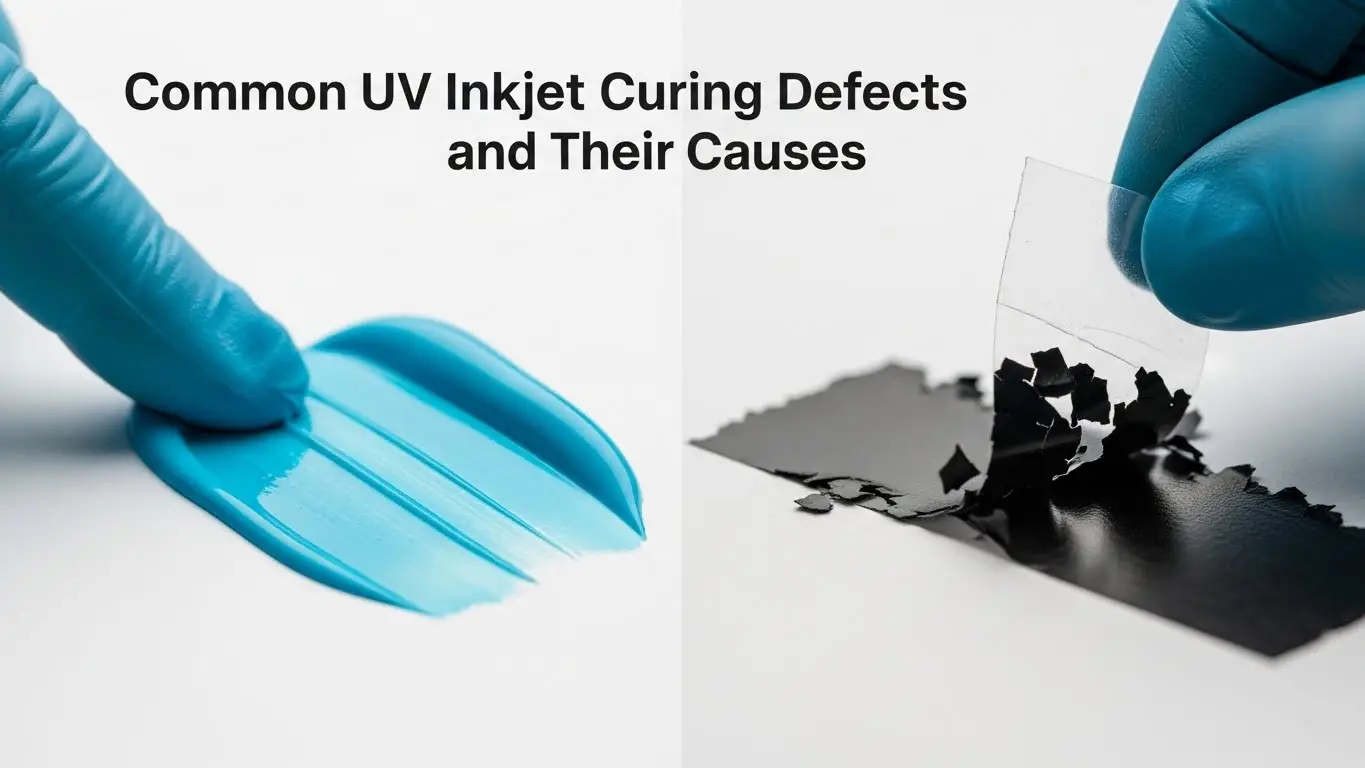
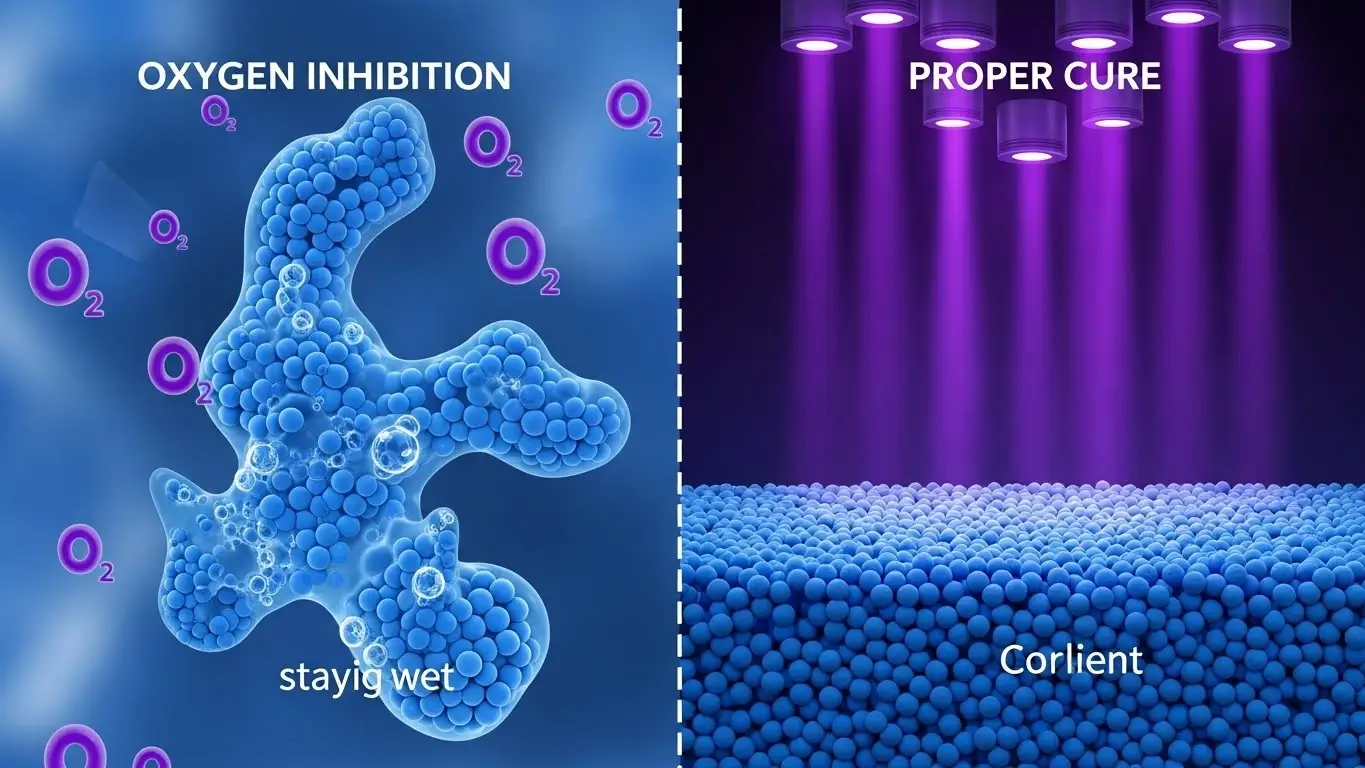
Troubleshooting UV LED curing for inkjet printing primarily involves optimizing the balance between UV irradiance (light intensity) and dosage (exposure time). If your ink is not drying or adhering correctly, the most common fixes include increasing the LED power output, slowing down the conveyor or carriage speed to increase dwell time, and ensuring your LED wavelength (typically 395nm or 385nm) matches the photoinitiators in your specific ink set. Regular maintenance, such as cleaning quartz glass windows on the lamp heads to remove ink mist, is also critical for maintaining consistent curing energy. Common UV Inkjet Curing Defects and Their Causes Before adjusting machine settings, it is vital to identify exactly how the cure is failing. Curing issues generally manifest in two ways: surface tackiness (under-curing) or poor adhesion (delamination). Understanding the science behind the process helps in diagnosing the root cause. For a deeper dive into the chemical reaction, you can read How UV LED Curing Works in Inkjet Printing. Surface Tackiness (The "Wet" Feel) If the print feels sticky or smears when touched immediately after printing, the ink has not fully polymerized. This is often an issue of oxygen inhibition, where oxygen in the air blocks the curing reaction ...

2025-12-28
By arafatshuvo
How to Improve UV Ink Adhesion with LED Curing Settings

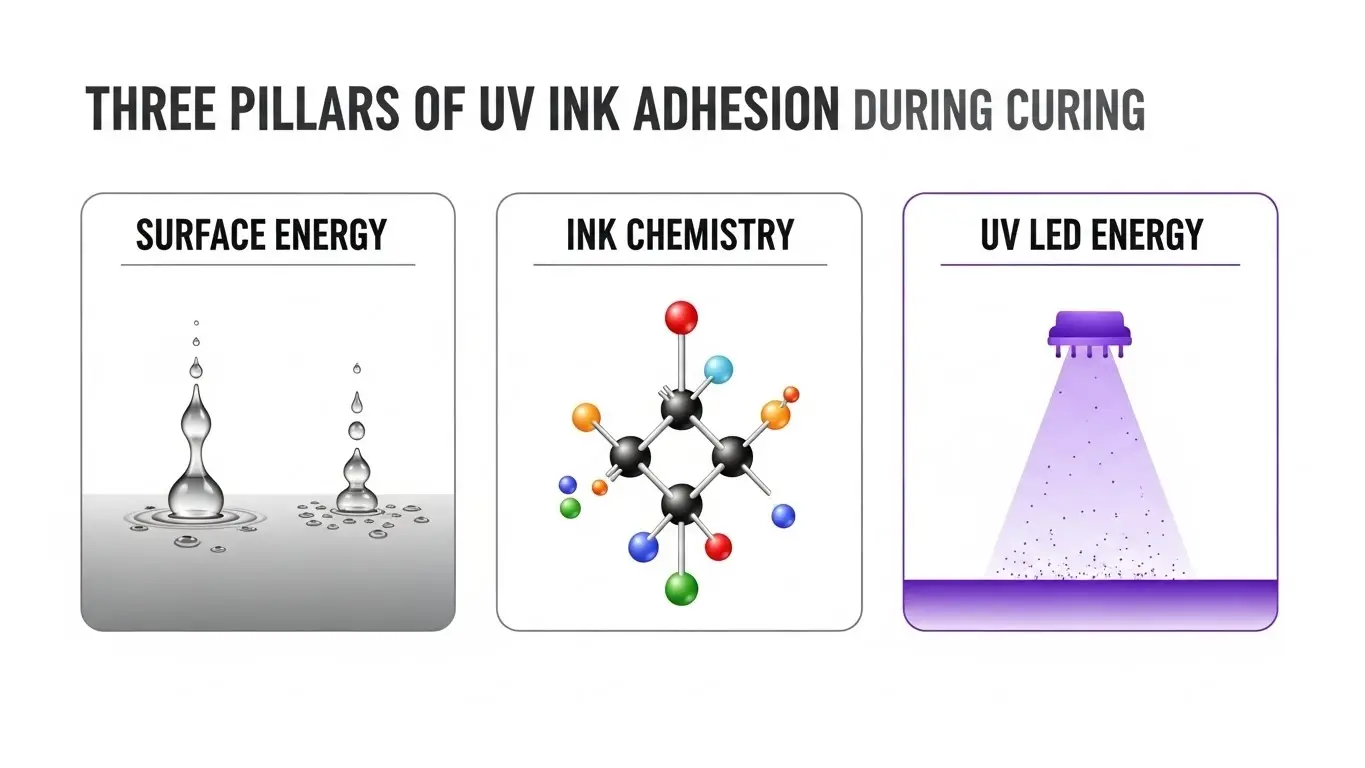
Achieving bulletproof adhesion on difficult substrates is the "holy grail" of industrial inkjet printing. You likely already know that how to improve adhesion of UV ink with LED curing is rarely about changing just one setting; it is a delicate balance of physics, chemistry, and surface science. If you are seeing ink flake off polypropylene or failing cross-hatch tape tests on glass, your LED curing parameters are often the primary culprit. Even the most expensive ink formulation will fail if the photon delivery—the actual UV energy hitting the substrate—is not optimized for the specific photoinitiators in that ink. In this guide, we will dismantle the curing process. We will move beyond basic advice and dive into the specific wavelength adjustments, irradiance profiles, and energy density calculations that separate a permanent bond from a rejected batch. What Factors Influence UV Ink Adhesion During Curing? Adhesion relies on the successful cross-linking of photopolymers at the substrate interface, driven by three core factors: the matching of UV wavelength to ink photoinitiators, the total energy density (dose) delivered to the ink layer, and the surface energy (dyne level) of the material being printed on. The "Trinity" of UV Adhesion When I troubleshoot adhesion failures ...

2025-12-27
By arafatshuvo
What Wavelength Is Best for UV Ink Curing? (365nm vs 395nm)

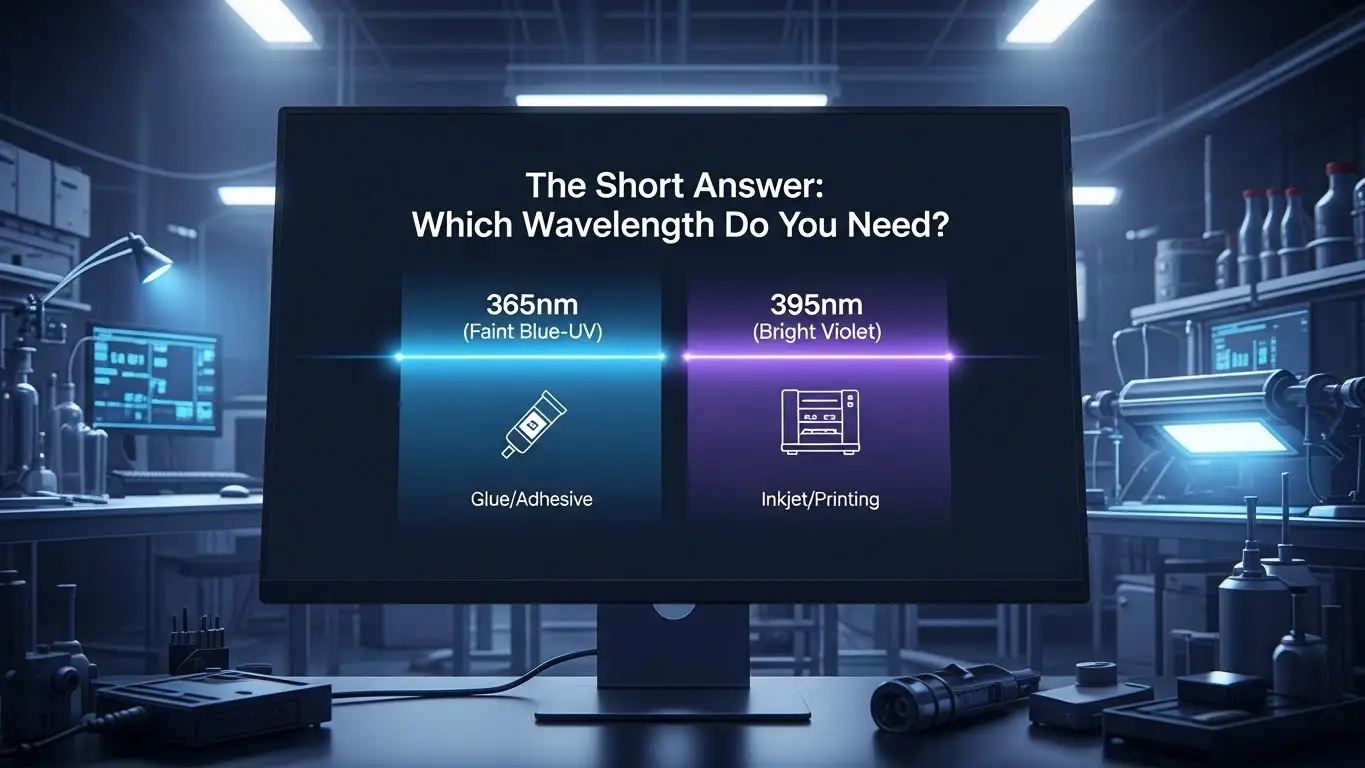
The best wavelength for UV ink curing is typically 395nm for most digital and screen printing applications. This wavelength penetrates heavily pigmented and white inks (which often contain Titanium Dioxide) better than shorter wavelengths. However, for clear adhesives, coatings, and medical device assembly, 365nm is often preferred for its higher energy and lack of visible glare. Choosing the wrong wavelength results in uncured ink, poor adhesion, and tacky surfaces. In this guide, we will cover: Which Wavelength Do You Need? If you are in a hurry, use this reference table to match your application to the correct wavelength. Wavelength Best Application Key Feature Pros & Cons 365 nm Clear Adhesives, NDT, Electronics High Energy Surface Cure Pro: Fast surface cure. Con: Blocked by pigments. 385 nm General Assembly, Varnishes Balanced Performance Pro: Good mix of surface & depth. Con: Less common. 395 nm Digital Printing, Screen Inks Deep Penetration Pro: Cures through color/white. Con: Slower surface cure. 405 nm 3D Printing, Thick Coatings Deepest Cure Pro: Maximum depth. Con: High visible violet glare. The Physics: How Wavelength Affects Curing To understand why one lamp works and another fails, you must understand spectral absorption. UV curing isn't about heat; it is ...

2025-12-27
By arafatshuvo
What UV LED Curing Lamp Is Best for Inkjet Printing? (2026 Guide)

The best UV LED curing lamp for your inkjet system is not simply the one with the highest power; it is the one that precisely matches your ink’s photoinitiator sensitivity (typically 395nm) and fits your printer’s speed and form factor. For high-speed single-pass printing, water-cooled systems with high peak irradiance are essential, whereas wide-format scanning printers often perform best with compact air-cooled units. In this guide, we will help you determine the exact specifications needed for your production line. We will cover: 1. Wavelength Compatibility: The First Check Before looking at power or price, you must look at your ink. The most critical factor in selecting a lamp is matching the LED’s spectral output to the absorption peak of the photoinitiators in your UV ink. Why 395nm is the Inkjet Standard For the vast majority of digital inkjet applications, 395nm is the industry standard. This wavelength penetrates deeply into the ink layer, ensuring good through-cure and adhesion to the substrate. It is particularly effective for thicker ink layers and darker colors (like Black and Blue) which can block UV light from reaching the bottom of the print. When to Use 365nm or 385nm While 395nm is excellent for deep curing, ...

2025-12-27
By arafatshuvo
How to Prevent UV Ink Smearing with Proper LED Curing

Preventing UV ink smearing requires a precise balance of UV LED irradiance (intensity) to overcome oxygen inhibition at the surface, and sufficient energy density (dose) to ensure adhesion to the substrate. If your prints are tacky or smearing, the issue usually stems from a mismatch between your line speed, lamp wavelength, and the ink's formulation. In this guide, we will troubleshoot your curing process by controlling: For a broader understanding of the fundamentals, you can refer to our complete UV LED ink curing guide. Why UV Ink Smears: The Science of "Under-Curing" When UV ink smears, it is rarely "bad ink." It is almost always a failure of the chemical reaction known as polymerization. Unlike solvent inks that dry by evaporation, UV inks cure instantly when photoinitiators absorb UV light. However, two distinct types of failure cause smearing: Understanding how UV LED curing works in inkjet printing is critical: unlike broad-spectrum mercury lamps, LEDs emit a narrow band of light. If that band doesn't hit the specific activation energy of your ink, the reaction will stall, leading to smears. 5 Common Causes of Ink Smearing (And How to Fix Them) If you are seeing wet ink or rub-off, check these ...

2025-12-25
By arafatshuvo
UV LED Curing for Offset Printing: Sheetfed Setup, Retrofit Steps, Costs, and Real Results

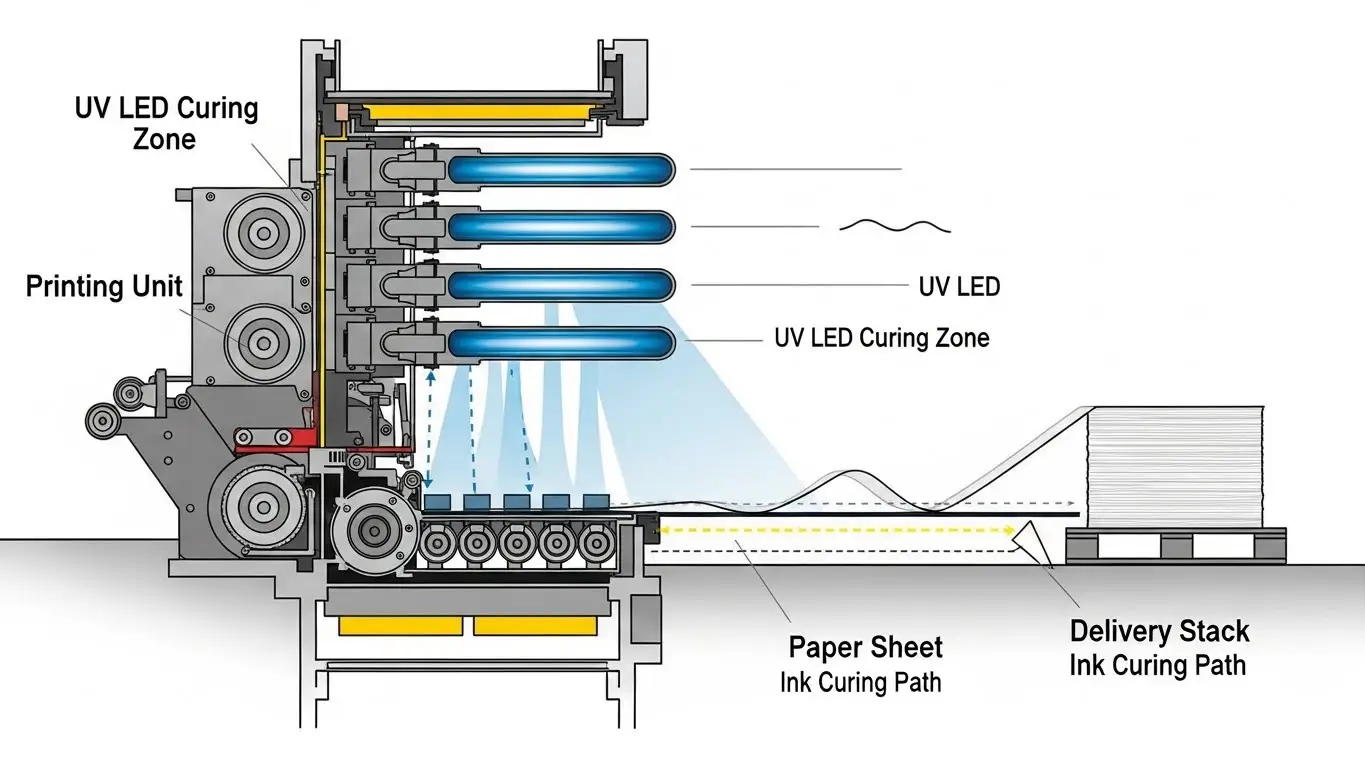
UV LED curing for sheetfed offset printing is a method that uses UV LED curing energy to harden UV inks and UV coatings/varnish instantly on a sheetfed offset press. This guide covers the practical setup options, what an LED-UV retrofit typically involves, the cost and ROI factors you should plan for, and what “real results” look like in print finishing—especially around spray powder reduction, fewer setoff/marking issues, and faster post-press handling in the delivery stack. It’s written for pressroom teams, production managers, and owners who want to make decisions based on job mix and press integration realities (not hype). If you’re new to the topic, start with UV LED curing for offset printing. What Is UV LED Curing in Sheetfed Offset Printing? UV LED curing in sheetfed offset is the process of using UV LED light to trigger photopolymerization in energy-curable inks and UV varnish so the ink film cures (hardens) rather than slowly “drying.” That difference matters because curing vs drying changes your production workflow: sheets can be handled, stacked, and finished sooner with less risk of setoff prevention problems. On a sheetfed lithography press, curing usually happens near press delivery (or between units), where press speed, the cure ...

2025-12-26
By arafatshuvo
How UV LED Curing Works in Inkjet Printing (The 2026 Engineering Guide)

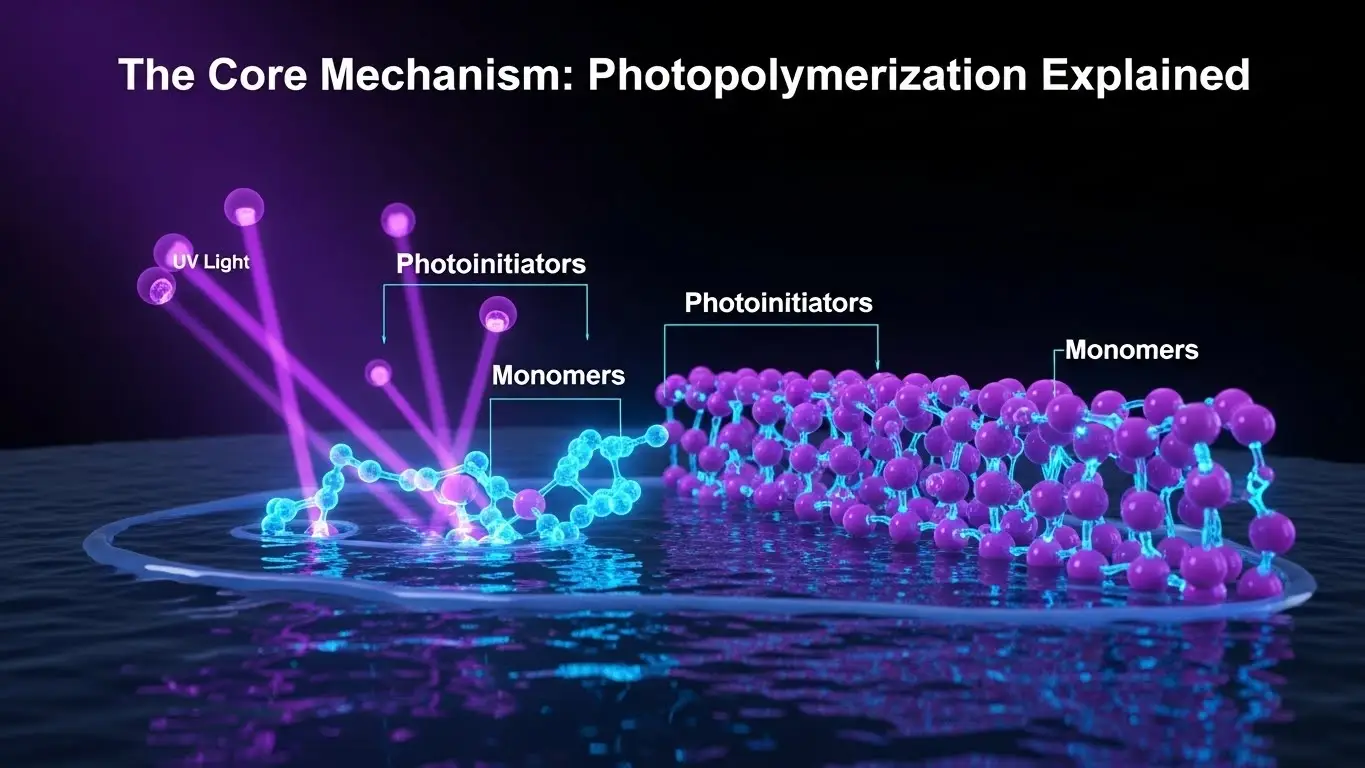
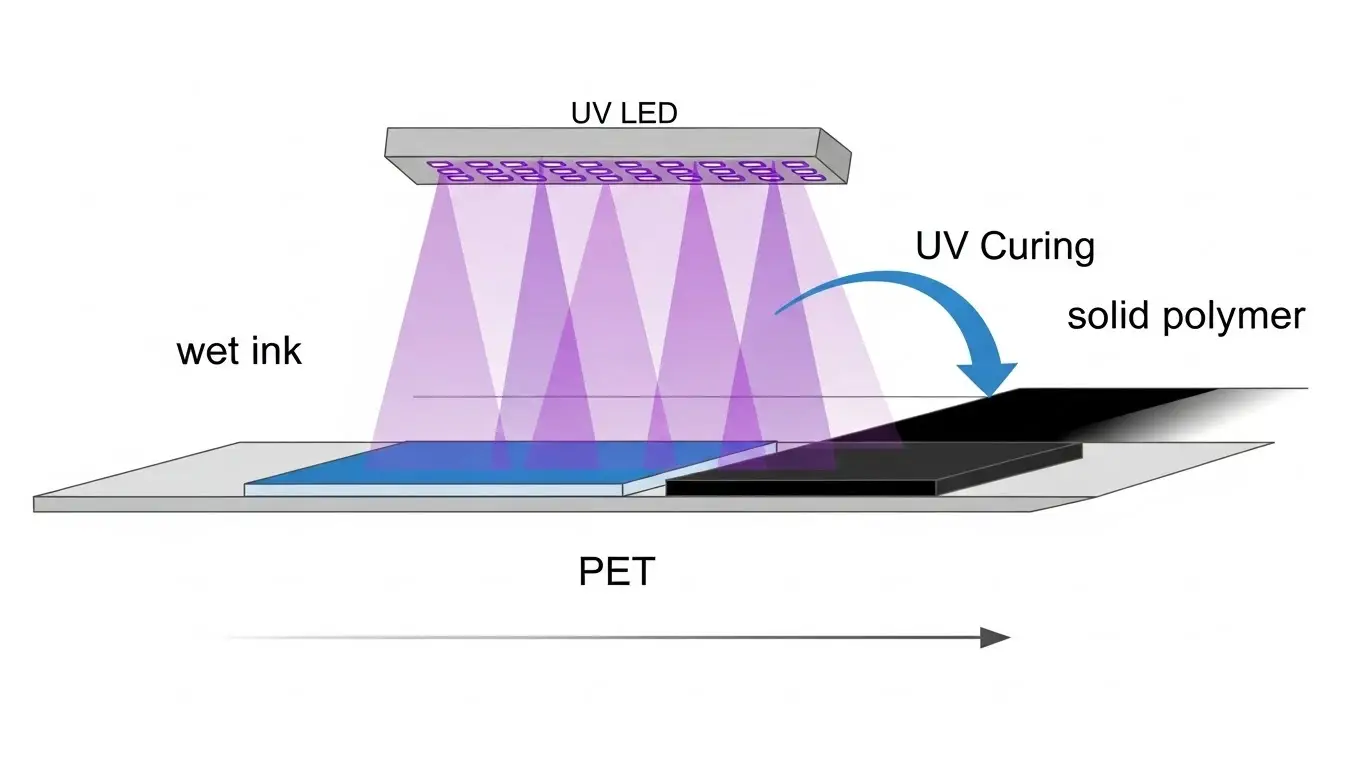
UV LED curing works through a process called photopolymerization. When specific wavelengths of UV light (typically 395nm) hit the ink's photoinitiators, they trigger an instantaneous chemical chain reaction that transforms liquid monomers into a solid, durable polymer network. Unlike thermal drying which relies on evaporation, this reaction happens in milliseconds and generates minimal heat, allowing for high-speed production on heat-sensitive materials. In this guide, we will cover the engineering mechanics behind this technology: The Core Mechanism: Photopolymerization Explained At the heart of every industrial UV inkjet system is a chemical reaction, not a drying process. Traditional water-based or solvent inks dry when the liquid carrier evaporates into the air. UV inks, however, turn from liquid to solid through cross-linking. The process relies on three main components within the ink: Think of it like a "Lock and Key" mechanism. The UV LED light acts as the key. When it hits the photoinitiator (the lock), the initiator fragments and creates free radicals. These radicals launch a chain reaction, forcing the liquid monomers to bond together instantly into a rigid, cross-linked polymer network. For a deeper dive into the chemistry and specific applications, read our UV LED Ink Curing Guide. The Two-Step Process: ...

2025-12-19
By arafatshuvo
What Is UV LED Ink Curing? The Complete Printer’s Guide to Systems, Lamps, Costs, and Setup

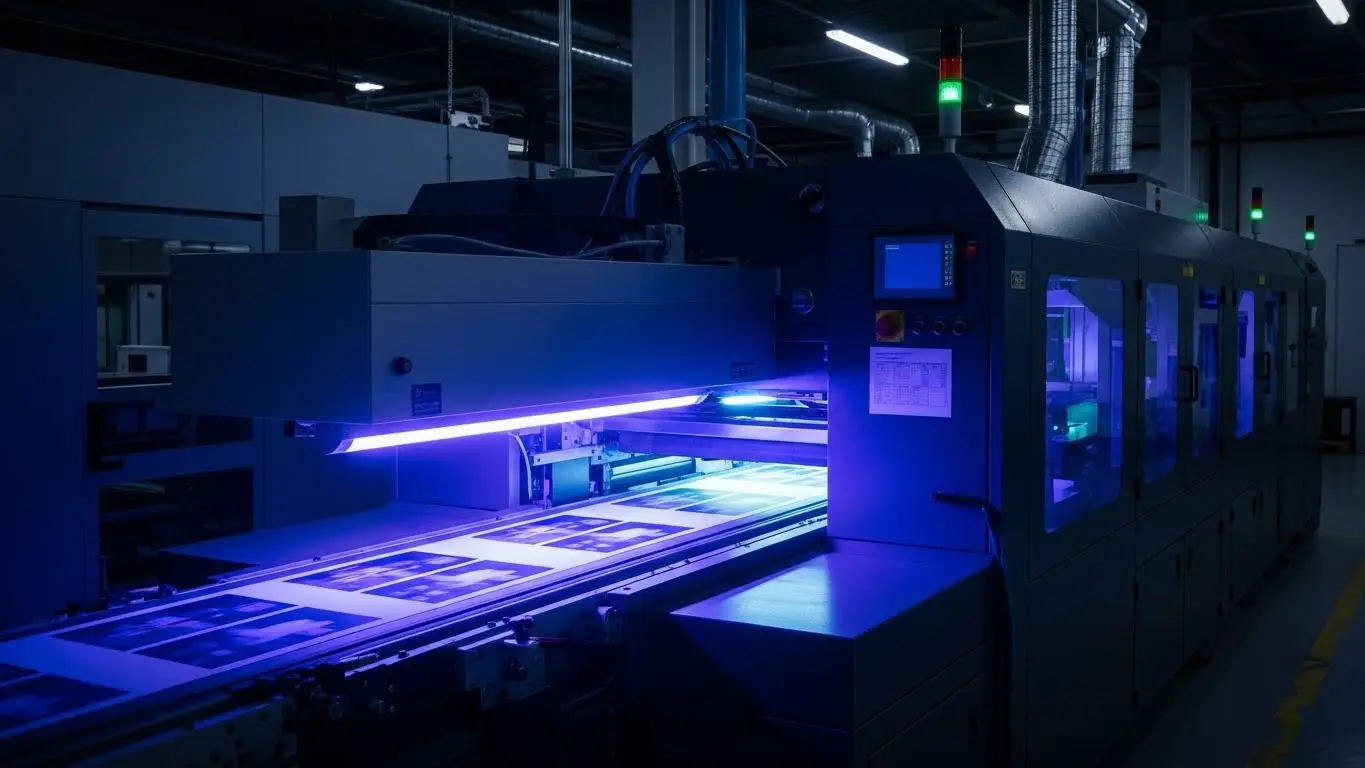
UV LED ink curing is a printing method that uses a UV LED lamp to trigger photopolymerization in UV-curable ink, turning liquid ink into a solid film in a controlled curing dose. For printers running inkjet printing across tough substrate compatibility requirements (from plastics to coated stocks), LED curing system integration affects irradiance, wavelength, printhead performance, and the entire production workflow—especially when comparing LED to mercury vapor UV. If you’re evaluating hardware, start with UV LED curing lamps to understand lamp formats, specs, and integration options. What Is UV LED Ink Curing? UV LED ink curing is a fast, controlled way to harden UV-curable inks using LED light instead of “air drying.” Unlike drying (where solvents or water evaporate), curing is a chemical reaction: a photoinitiator absorbs UV energy and starts crosslinking, creating a liquid-to-solid polymer network that can be instantly handled. In practice, UV-curable inks are popular in digital printing and industrial inkjet because they can deliver an instant cure, strong adhesion, and a VOC-free process on many materials. You’ll see UV LED curing used for things like label printing on films and direct printing on plastics. How Does UV LED Ink Curing Work? UV LED curing works by ...


2026-01-10
By arafatshuvo
What Is UV LED Ink Curing? The Complete Printer's Guide

Traditional ink drying wastes hours of production time—and money. Every minute your prints sit waiting to dry is a minute you're not fulfilling orders. If you've ever dealt with smudged prints, slow turnaround times, or excessive energy bills from heat-based drying systems, you're not alone. These frustrations push print shops to seek faster, more efficient alternatives. That's where UV LED ink curing comes in. This technology transforms liquid ink into a solid, durable finish in seconds—not hours—using specialized ultraviolet light. In this guide, I'll break down exactly how UV LED curing works, why it's becoming the industry standard, and whether it's the right investment for your printing operation. What you will learn What is UV LED ink curing? UV LED ink curing is a photochemical process that uses ultraviolet light-emitting diodes (LEDs) to instantly harden specially formulated inks, coatings, and adhesives. Instead of waiting for solvents to evaporate like traditional drying methods, UV LED curing triggers an immediate chemical reaction that transforms liquid ink into a solid polymer. Here's how it works: UV LED inks contain photoinitiators—chemical compounds that absorb ultraviolet light at specific wavelengths (typically 365-405nm). When exposed to UV LED light, these photoinitiators generate free radicals that cause ...

UV LED curing cost savings
2026-01-06
By Arafat
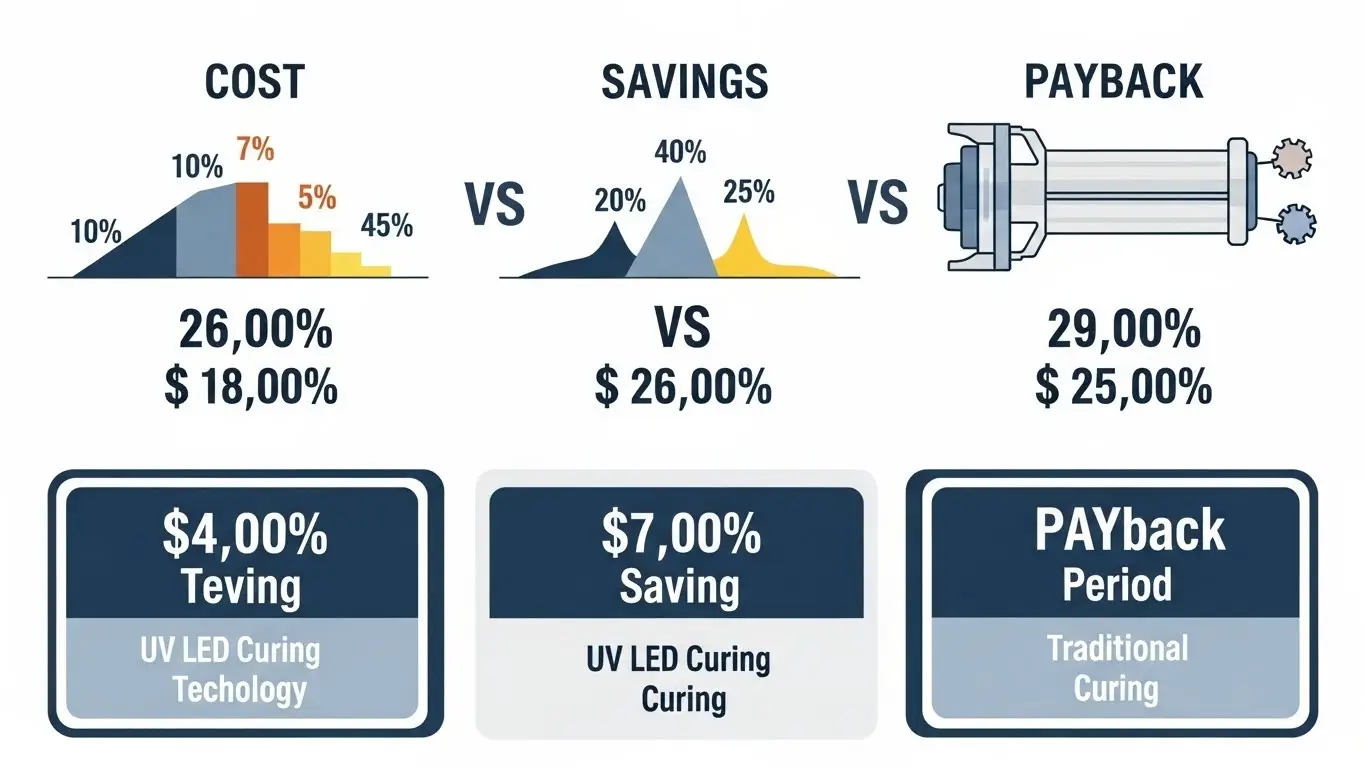
Is UV LED Curing Worth It? Cost, Savings, and Payback

Deciding to invest in new ultraviolet technology requires you to move past technical specs and analyze the financial reality of your production floor. While traditional mercury systems have been the standard for decades, the shift toward solid-state curing is driven by a desire to reduce operational overhead. This guide examines the UV LED curing cost savings and investment factors you should consider before making the transition. By looking at total cost of ownership rather than just the initial price tag, you can determine if the operational benefits align with your facility's long-term financial goals. What Does UV LED Curing Cost Up Front? The upfront cost of a UV LED curing system includes equipment purchase, installation or integration, and any ancillary hardware needed for your process. You will find that the initial price of an LED system is often higher than a comparable mercury-arc lamp due to the complexity of the semiconductor arrays and the digital controllers required to drive them. Integration costs can also vary depending on whether you are buying a self-contained handheld unit or retrofitting a multi-lamp array into a high-speed press. However, you should account for the fact that LED systems do not require expensive ozone extraction ...

How to Retrofit from Mercury UV to LED UV
2026-01-06
By Arafat
How to Retrofit from Mercury UV to LED UV (What to Expect)

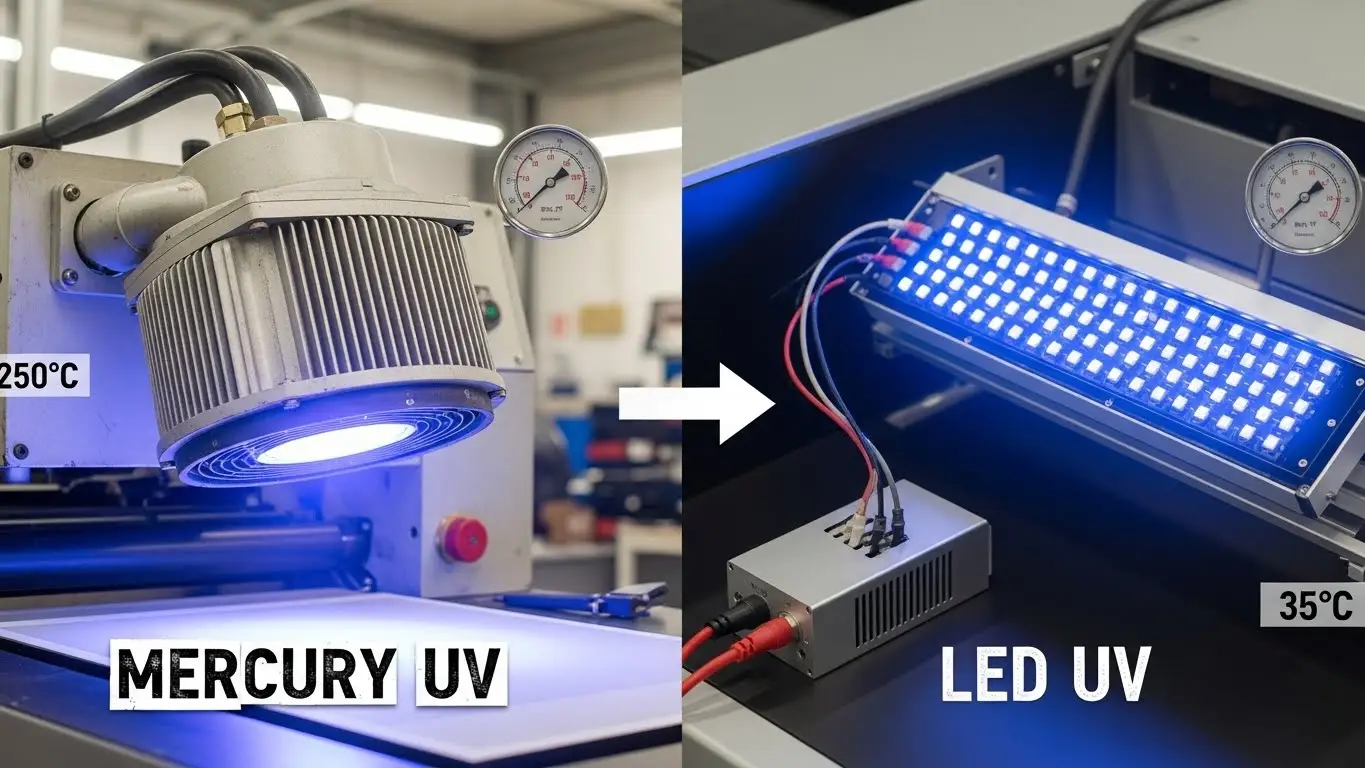
Updating an existing production line to utilize modern ultraviolet technology is a strategic move that involves more than a simple component swap. For many years, mercury arc lamps were the industry standard, but the drive for better process control and energy efficiency is moving manufacturers toward solid-state solutions. This guide explains the technical realities of a mercury UV to LED UV retrofit, highlighting the adjustments you must make to your chemistry, cooling, and controls. By preparing for the spectral shift and mechanical integration requirements, you can ensure your transition maintains your quality standards while improving your operational uptime. What Does Retrofitting from Mercury UV to LED UV Mean? Retrofitting from mercury UV to LED UV means replacing traditional mercury arc curing lamps with UV LED systems while keeping much of your existing production equipment. You focus on upgrading the light source, power supplies, and control interfaces rather than rebuilding your entire conveyor or press from scratch. While the core machinery remains the same, the curing "engine" undergoes a total transformation. You replace the high-voltage ballast and bulky lamp housing with compact LED arrays and digital drivers. This process requires a technical evaluation of your current line to ensure the new ...

  • PrevPrev
  • 1
  • …
  • 3
  • 4
  • 5
  • …
  • 18
  • NextNext
UV LED MANUFACTURER
Focus on UV LEDs since 2009
Follow Us:
  • address
    +86 13923758020
  • address
    info@uvndt.com
  • address
    1802, Bldg A, Baian Center, Nancheng District, Dongguan 523073, China.
Products
LED UV Curing
LED UV Inspection
UV LED Modules
Solutions
Electronics Manufacturing
Medical Devices
Automotive Industry
Printing Applications
Support
FAQs
Download
Case Studies
About
About Us
Blog
Contact
UV LED Spot Curing | UV LED Area Curing | UV LED Curing Chambers | UV Tape Curing Systems | Handheld LED UV Curing | UV LED Curing Systems for Printing | UV LED Flashlights | UV LED Headlamps | Pistol Grip UV LED Lamp | Stationary UV LED Lamp | COB UV Modules | Array LED UV Modules |
Copyright © 2018~2025 Dongguan UVET Co., Ltd. Privacy Policy
United States / English
Get In Touch

    icon-close
    Inquiry
    Email