2026-01-09
By UVET
Sheetfed Offset LED UV Curing: Typical Applications

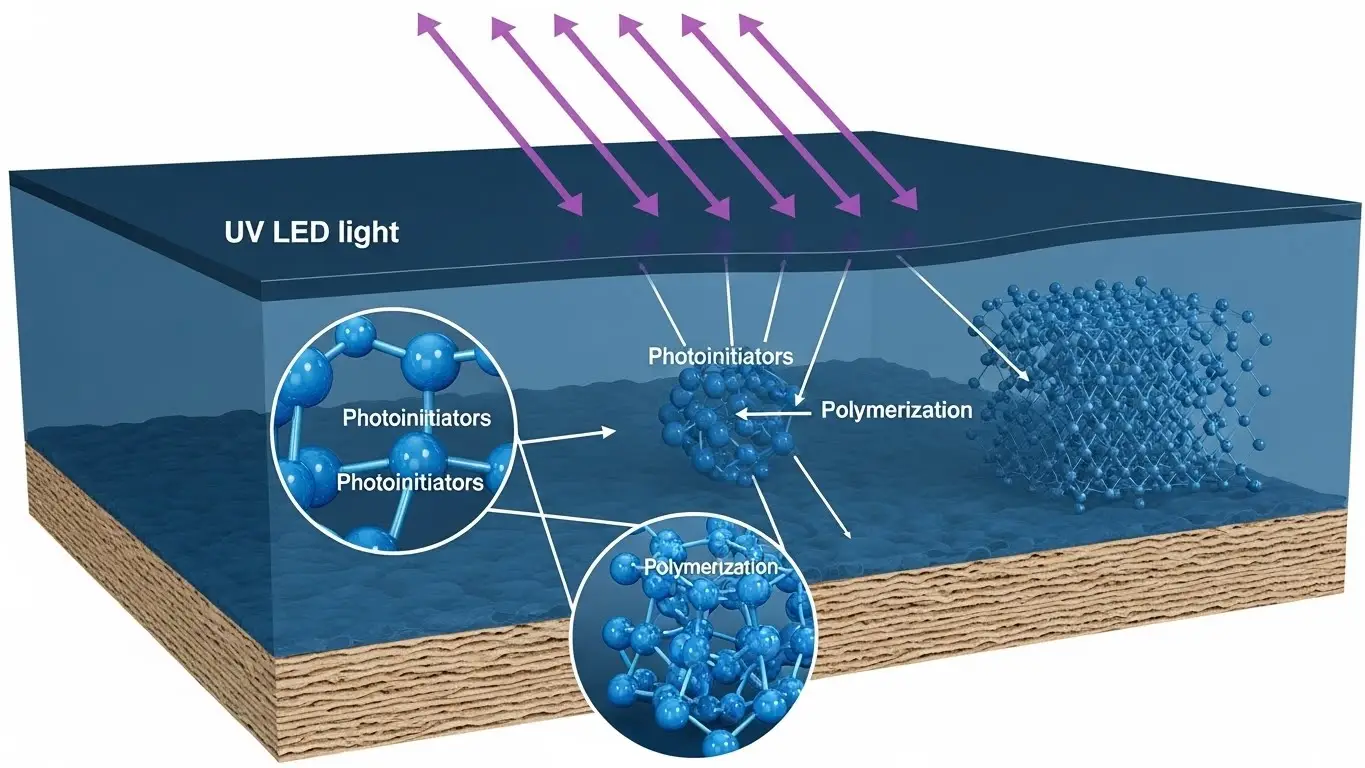
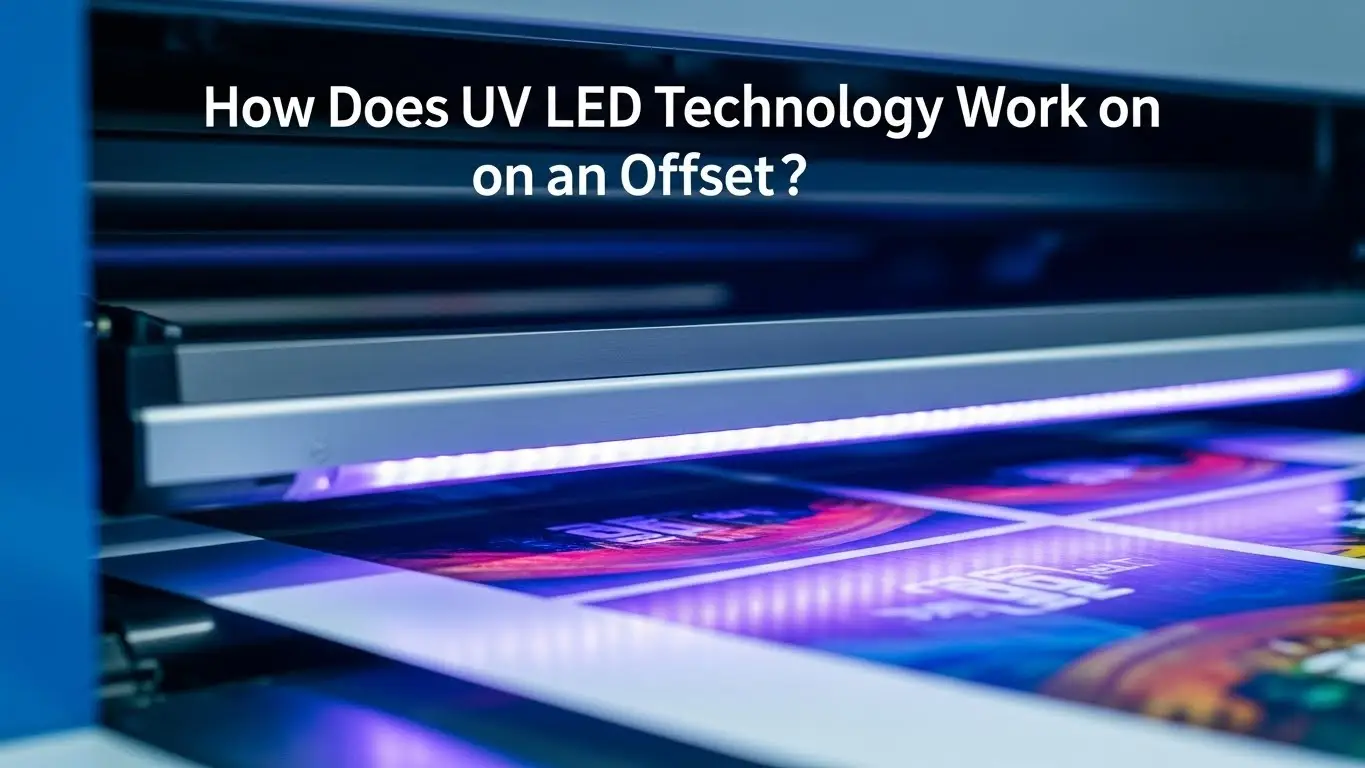
Sheetfed offset LED UV curing is primarily used for high-end packaging, commercial printing on non-porous substrates, and fast-turnaround marketing materials. Because the LED UV process cures ink instantly without heat, it allows printers to run heat-sensitive materials like plastics, synthetic papers, and foils without distortion. It is widely adopted for luxury folding cartons, cosmetic packaging, and durable labels where superior scratch resistance and immediate finishing are required. High-Value Packaging and Folding Cartons The most common application for sheetfed offset LED UV curing is in the packaging sector, specifically for luxury and cosmetic markets. Brands demand high-gloss finishes and vibrant colors that "pop" off the shelf, often on challenging substrates. Luxury Cosmetic and Pharmaceutical Boxes LED UV allows for the application of thick, tactile coatings and spot varnishes inline without slowing down the press. Since there is no heat generated, delicate metallized board and foil-laminated cartons can be printed without curling or registration issues. This ensures the precise alignment required for pharmaceutical packaging regulations. Food-Safe Packaging While specific low-migration inks are required, LED UV systems are increasingly popular for food packaging because they eliminate the risk of mercury contamination (unlike conventional UV lamps) and produce no ozone. Commercial Printing on Plastics ...

2026-01-01
By UVET
UV LED Curing System for Inkjet Printing: Setup Considerations

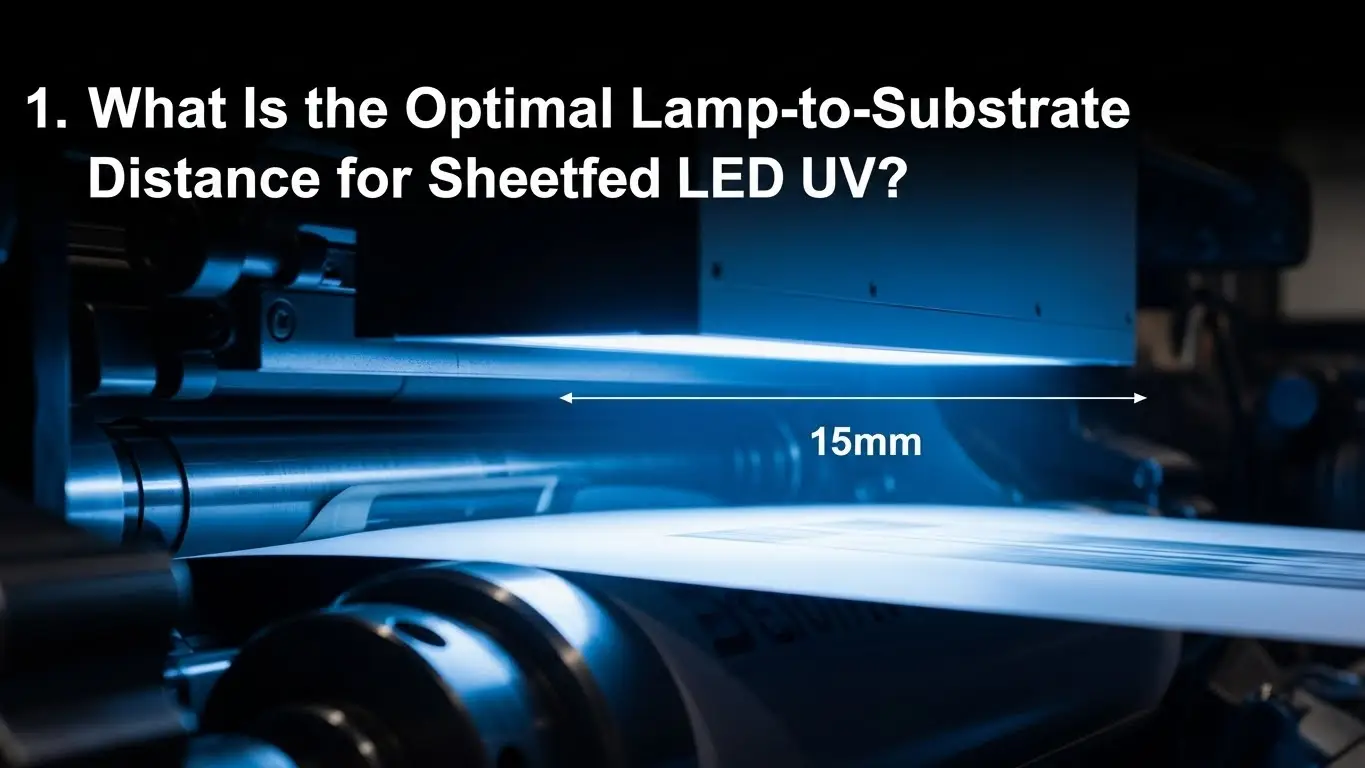
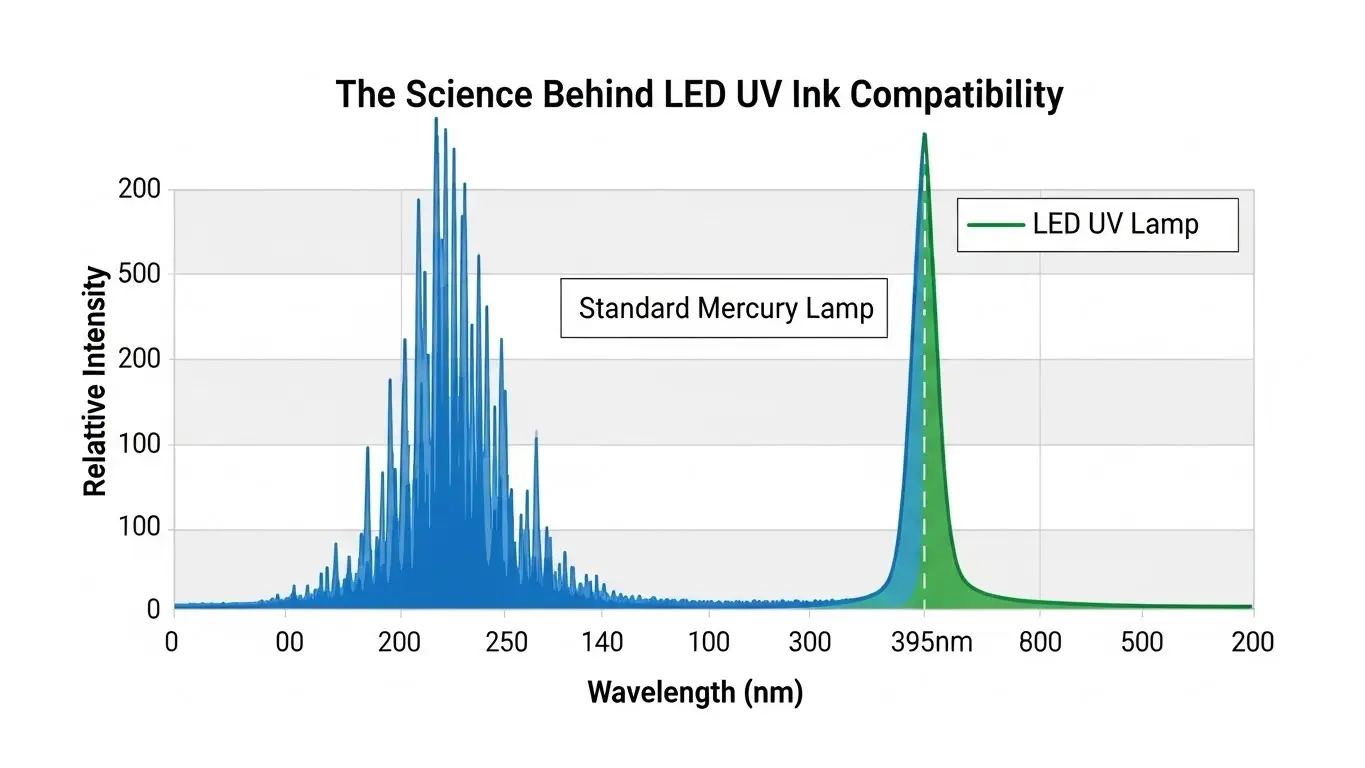
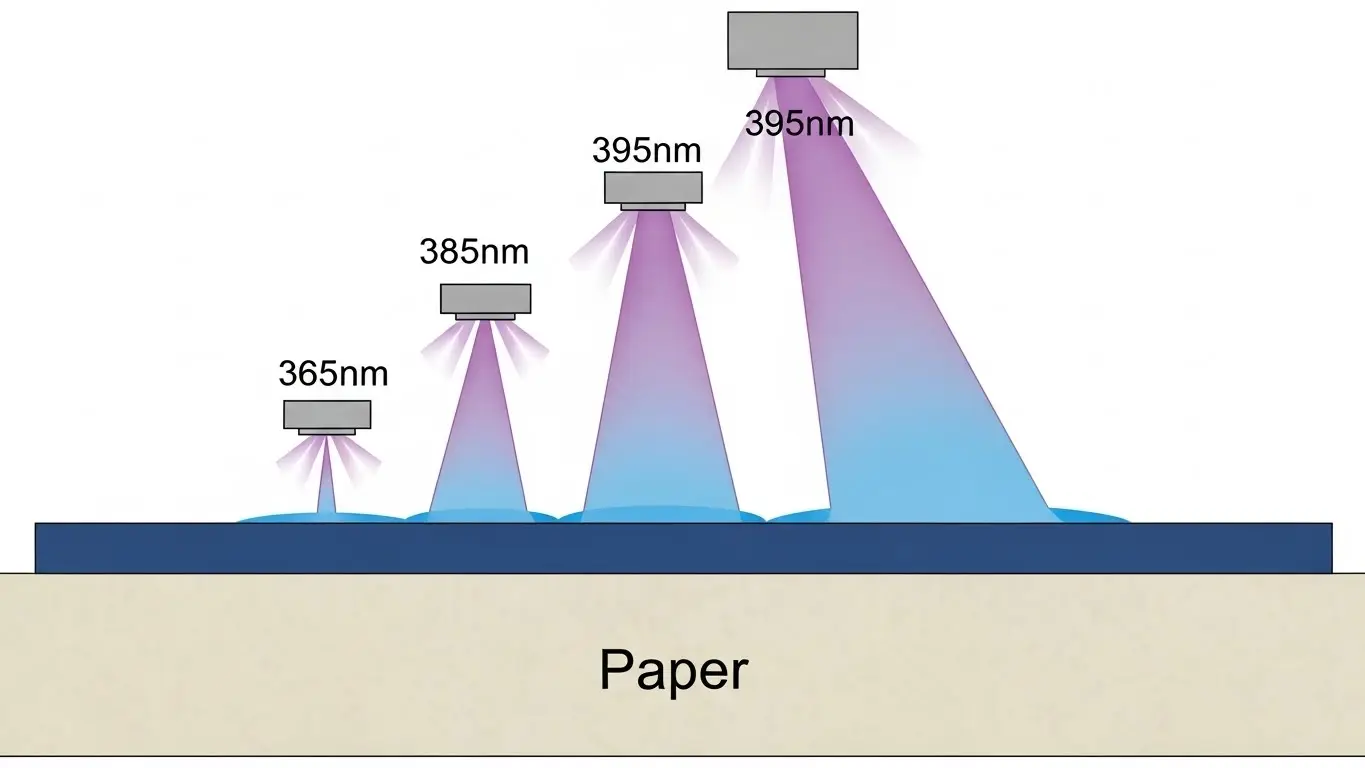
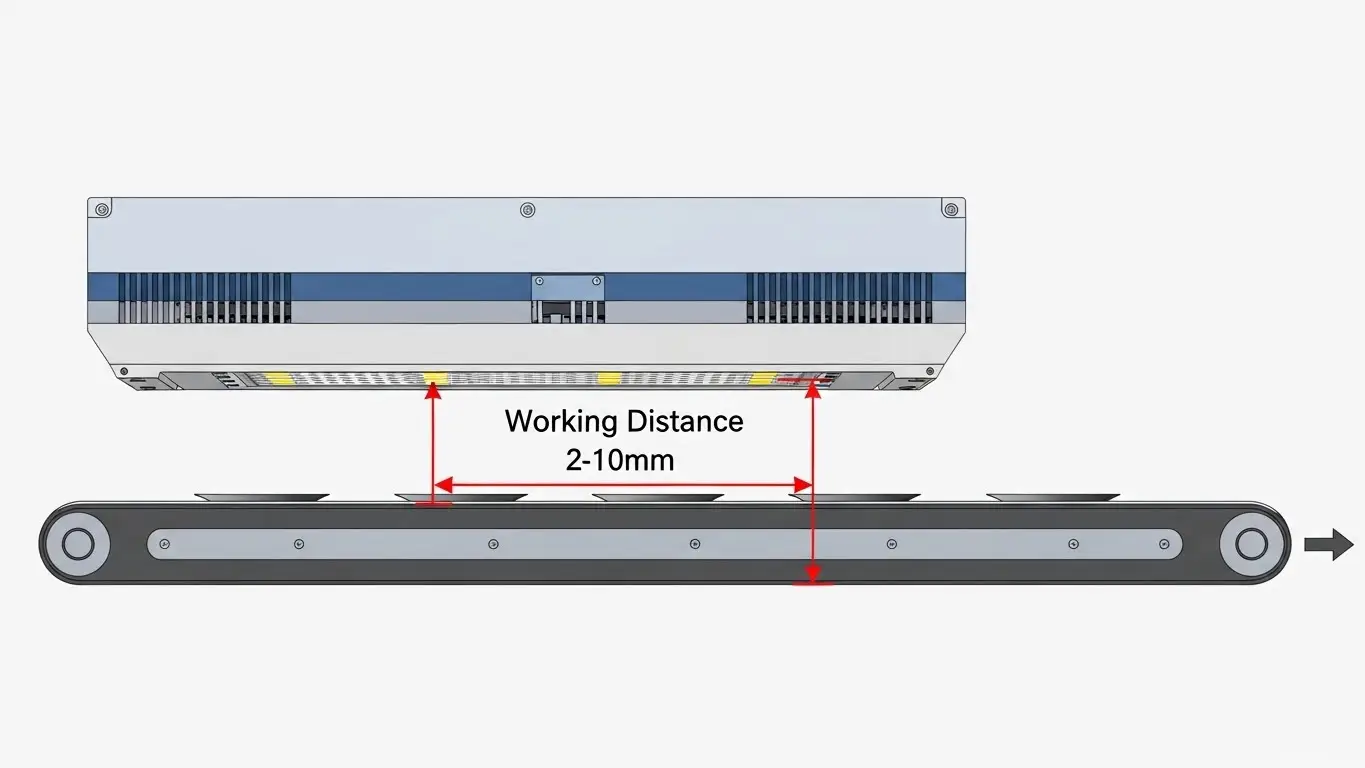
Setting up a UV LED curing system for inkjet printing requires balancing three critical factors: spectral irradiance, thermal management, and physical integration. A successful setup ensures the UV LED lamp’s wavelength (typically 395nm or 385nm) matches the ink’s photoinitiator profile while maintaining a consistent "working distance" (usually 2-10mm) from the substrate. Neglecting these precise calibration steps often leads to adhesion failure, tackiness, or substrate deformation. This guide breaks down the essential technical specifications and installation protocols to optimize your system for production-ready cure speeds and durability. Setup Requirements: Power & Alignment To achieve instant polymerization without damaging heat-sensitive substrates, your installation must address mechanical alignment and electrical stability. Power and Electrical Stability UV LED systems are sensitive to voltage fluctuations. Unlike mercury arc lamps which are more forgiving, LEDs require a stable DC power supply. Ensure your facility provides a dedicated circuit with a UPS (Uninterruptible Power Supply) to prevent voltage sags that can cause inconsistent curing intensity or "banding" in the final print. Mechanical Integration and Working Distance The "working distance"—the gap between the LED emission window and the ink surface—is the most common point of failure. What is the Best Wavelength for UV LED Curing? The best wavelength ...